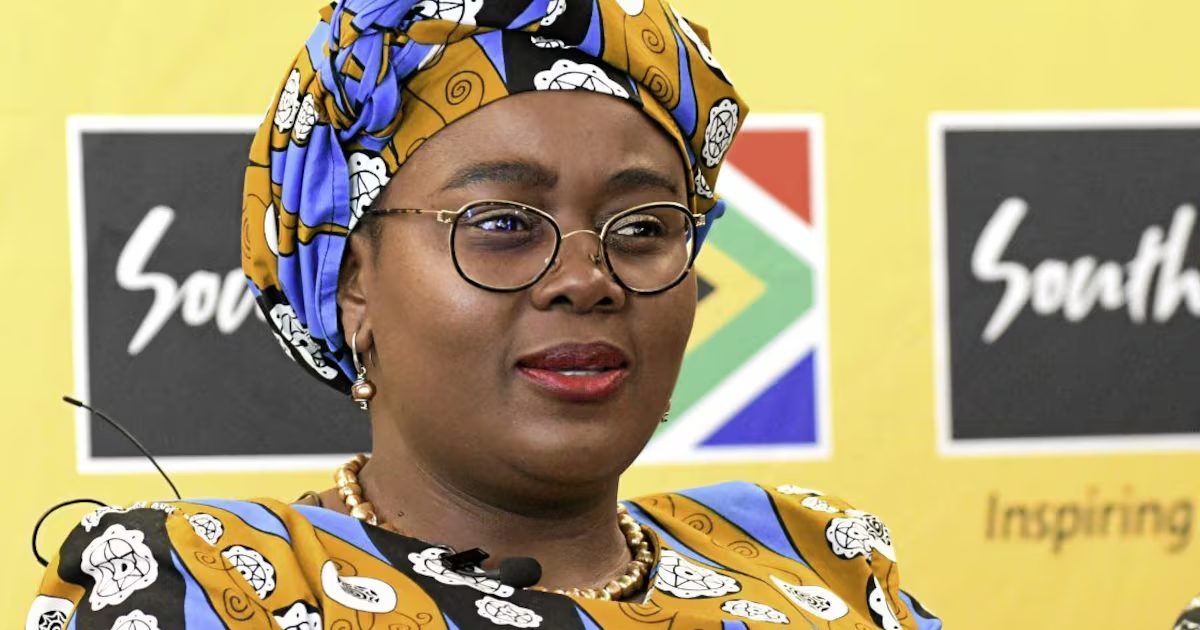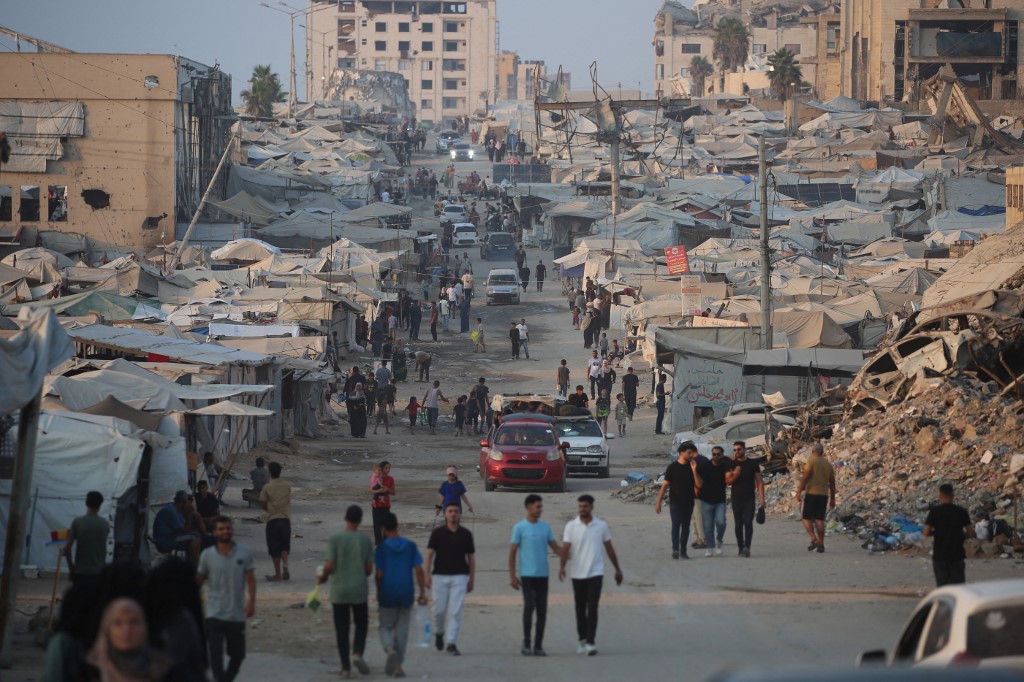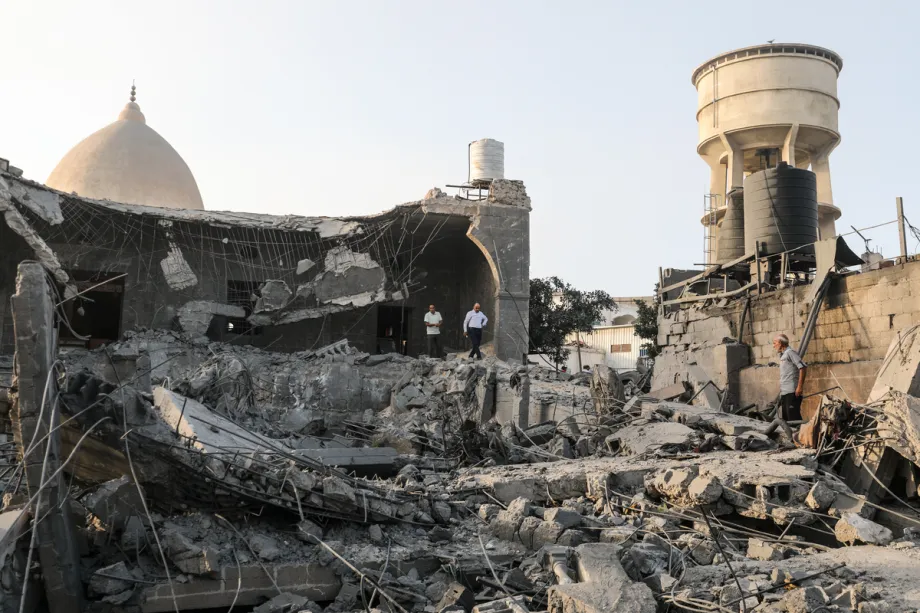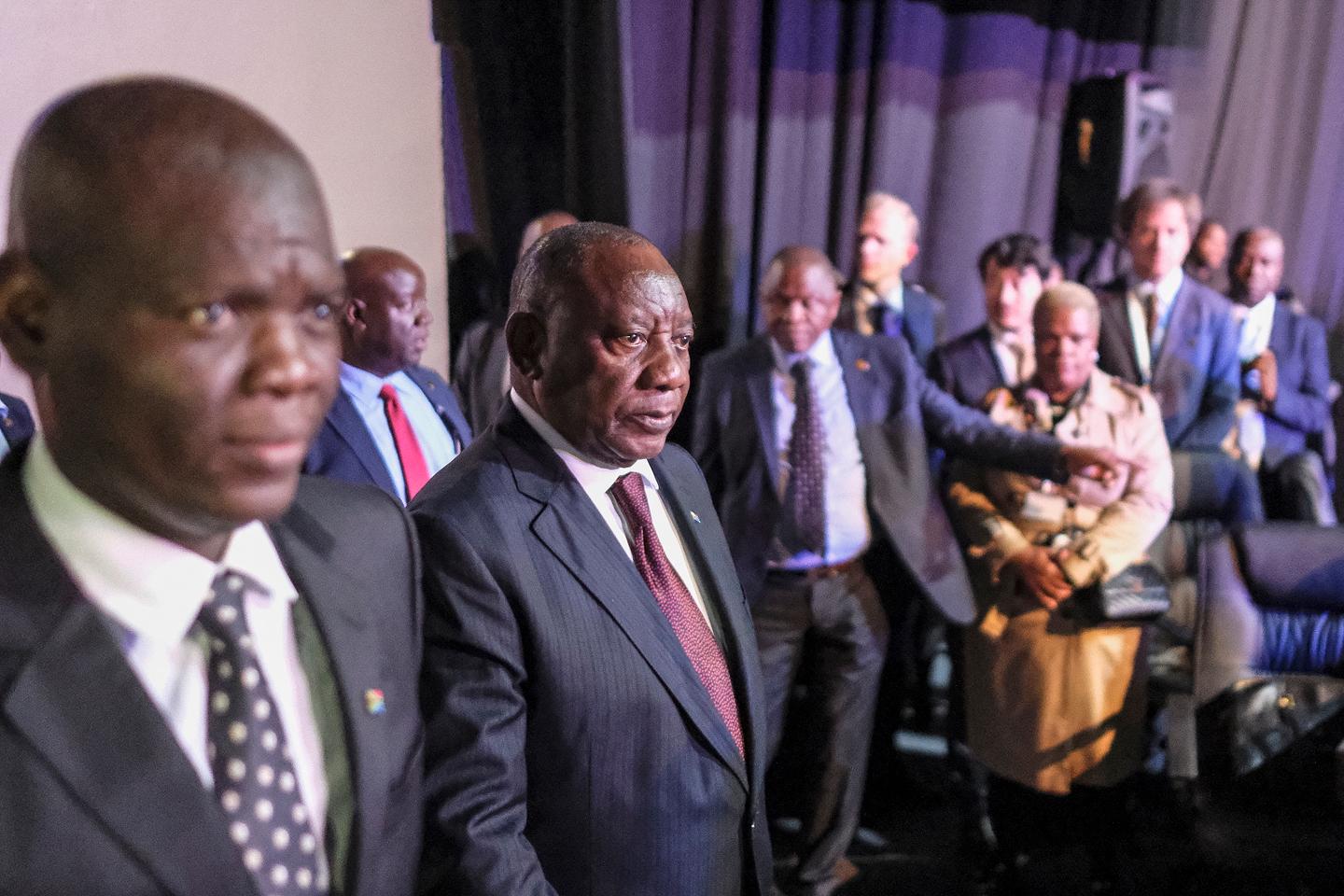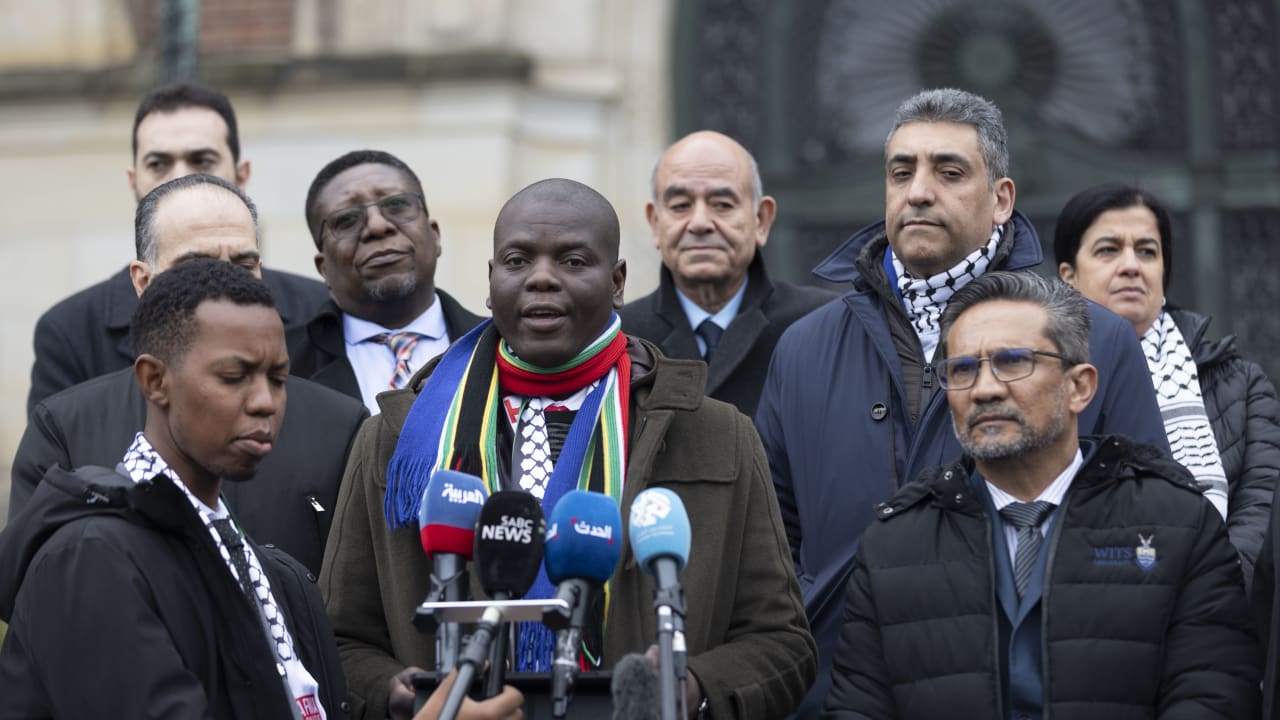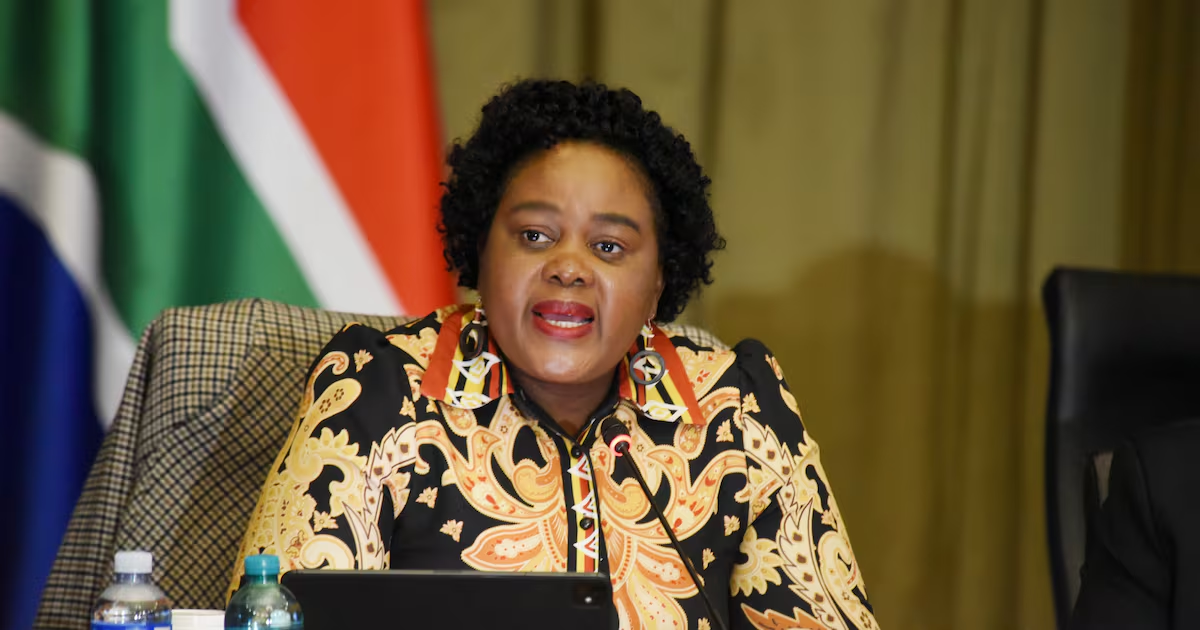
Minister of justice Mmamoloko Kubayi’s remarks — that Israel is trying to undermine South Africa by allegedly fuelling anti-migrant sentiment in retaliation to the genocide case launched by Pretoria at the International Court of Justice (ICJ) — are reckless.The seniority of a minister of justice demands that what she publicly communicates be fact and evidence-based and does not take the posture of gossip.The comments, carried by the Sunday Times, also portray an image of an administration looking for scapegoats instead of seriously dealing with the fact that the government had mismanaged immigration.At the basis of Kubayi’s contention is that South Africa’s decision to take Israel to the ICJ over allegations related to the war in Gaza has elevated the country’s international profile and placed it at the centre of a broader geopolitical contest.Indeed, South Africa has faced a severe backlash from Israel and its allies, particularly the US.The pressure has been relentless and unforgiving. But this is not the bar to come to definite conclusions that Israel or actors acting on its behalf are fomenting discord in South Africa, riding a wave of anti-illegal immigration protests.While she stopped short of directly accusing Israel of organising or funding the demonstrations, Kubayi resorted to semantics to drive her point home, arguing that it would be “naive” to assume that powerful global interests would not seek to weaken South Africa’s credibility on human rights issues.That is not evidence, and a minister of justice should at the least know this. Her assessment, when it is not backed up by evidence, avoids the obvious fact that South Africa has had several spates of anti-immigrant sentiment, which came to a boil in 2009 when more than 60 people needlessly lost their lives.Kubayi’s comments have predictably divided public opinion. Those who are quick to take her at her word have naturally joined the fray.Her critics, including the Jewish community and the Israeli government, have challenged her to furnish evidence of the consequential claims.This is an invitation Kubayi must accept, taking South Africa and the international community into her confidence about what the government — which she speaks for — has before it to draw conclusions about Israel’s role in the resurgence of anti‑immigrant sentiment.Kubayi must resist the tendency to substitute insinuation for evidence.March and March founder Jacinta Ngobese-Zuma has rejected outright the accusation that Israel funds her organisation. The honour is on those peddling this link to provide evidence.Sending different signals about illegal immigration by this administration serves as an indicator of confusion and ministers who can essentially speak in different tongues from the president’s publicly communicated position.President Ramaphosa, in his address to the nation last month, correctly acknowledged that illegal immigration is a serious concern that the government needs to find a solution to.“Many South Africans are asking difficult but legitimate questions. They are asking whether our borders are secure. They are concerned about jobs. South Africans are raising these matters because they are concerned about pressure on public services,” the president said.“They are concerned about safety, security, and the rule of law. These concerns are real. They deserve to be heard. They deserve to be addressed.”What Kubayi’s utterances suggest is that the president’s assessment was wrong, and that it is Israel at which he should be pointing his finger.Kubayi is a key player in finding solutions to the immigration crisis and leaving speculation to pundits.
EDITORIAL | Kubayi’s views on Israel stoking SA instability are unhelpful
Mmamoloko Kubayi provided no evidence for claim about retaliation for South Africa taking Israel to the International Court of Justice over Gaza
560 words~3 min read