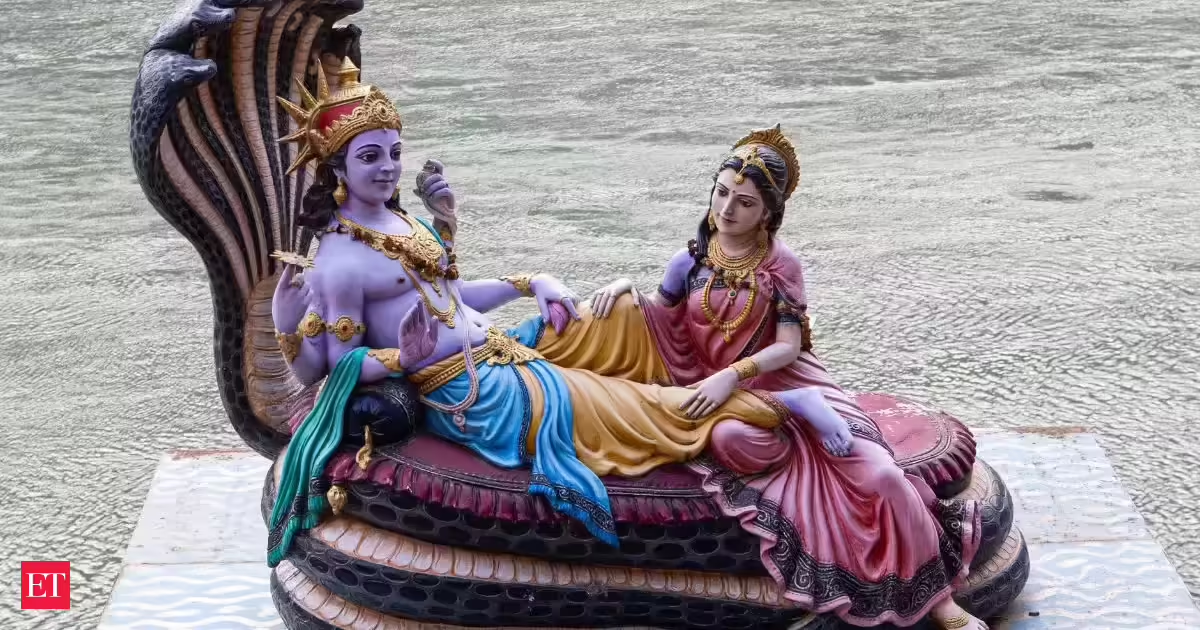
Yogini Ekadashi is observed every year during the Krishna Paksha in the month of Ashadha. It falls just before Devshayani Ekadashi, which signals the beginning of the sacred period of Chaturmas. According to Panchang calculations for 2026, the Ekadashi tithi begins on the morning of July 10 and continues beyond sunrise the following day, ending on July 11.Yogini Ekadashi KathaLike most Ekadashi fasts, Yogini Ekadashi is linked with a story that highlights its spiritual importance.According to Puranic legend, a gardener named Hemmali served in the court of Kubera, the treasurer of the gods. His duty was to bring fresh flowers every day for worship. However, one day, due to carelessness and distraction, he failed to deliver the flowers on time.Enraged by this negligence, Kubera cursed him. As a result, Hemmali was afflicted with a severe skin disease and forced to wander the earth in pain, separated from his wife and all comforts.After enduring prolonged suffering, he eventually met the sage Markandeya, who listened to his troubles with compassion. The sage advised him to observe the Yogini Ekadashi vrat with complete devotion.Hemmali followed the guidance sincerely. As the story goes, upon completing the fast, he was freed from his affliction and restored to his former state.Yogini Ekadashi 2026: Parana (Fast Breaking) TimingsEkadashi tithi begins on July 10, 2026 at 8:16 AMEkadashi tithi ends on July 11, 2026 at approximately 5:22 AMFasting DatesSmarta (householders) will observe the fast on Friday, July 10, 2026Vaishnava devotees and sanyasis will observe it on Saturday, July 11, 2026Parana (Breaking the Fast) TimingsFor those fasting on July 10 (Smarta tradition):The fast should be broken on July 11, typically between 1:50 PM and 4:40 PMFor Vaishnava devotees fasting on July 11:Parana should be done on Sunday, July 12, during the early morning hours, before the Dwadashi tithi ends.Significance of Yogini EkadashiYogini Ekadashi holds great religious importance in Hindu tradition:It is believed to cleanse past sins and negative karmaDevotees observe the vrat to seek good health and relief from sufferingThe fast is said to bring prosperity, peace, and spiritual growthScriptures suggest that observing this vrat gives the merit of feeding thousands of BrahminsIt is considered highly effective for those seeking mental and physical healingYogini Ekadashi Puja Vidhi (Rituals)Wake up early during Brahma Muhurta and take a bathClean the house and prepare a puja spaceTake a vow (sankalp) to observe the fast with devotionInstall an idol or image of Lord VishnuOffer flowers, fruits, incense, and दीप (lamp)Offer Tulsi leaves, which are considered very sacred to Lord VishnuChant Vishnu mantras or recite Vishnu SahasranamaPerform aarti and continue prayersMany devotees stay awake at night (jagran), singing bhajans and kirtansRead or listen to the Yogini Ekadashi KathaVrat Rules (Fasting Guidelines)Strict devotees observe a nirjala fast (without water)Others may take fruits, milk, and satvik food (phalahar)Avoid grains, rice, onion, garlic, and non-vegetarian foodMaintain purity in thoughts, speech, and actionsPractice charity and help the needyEkadashi Mantra“Om Namo Bhagavate Vasudevaya”“Om Namo Narayanaya”
Yogini Ekadashi Vrat Katha: Story, significance, puja rituals & how to observe the fast
Yogini Ekadashi Katha: Yogini Ekadashi in 2026 falls on July 10 and 11, marking a significant Hindu observance. This fast is believed to cleanse past sins and negative karma for devotees. The observance involves specific rituals and fasting guidelines for spiritual growth and healing. Parana timings are provided for Smarta and Vaishnava traditions to break the fast. Observing this vrat is considered highly meritorious and beneficial for well-being.
486 words~2 min read