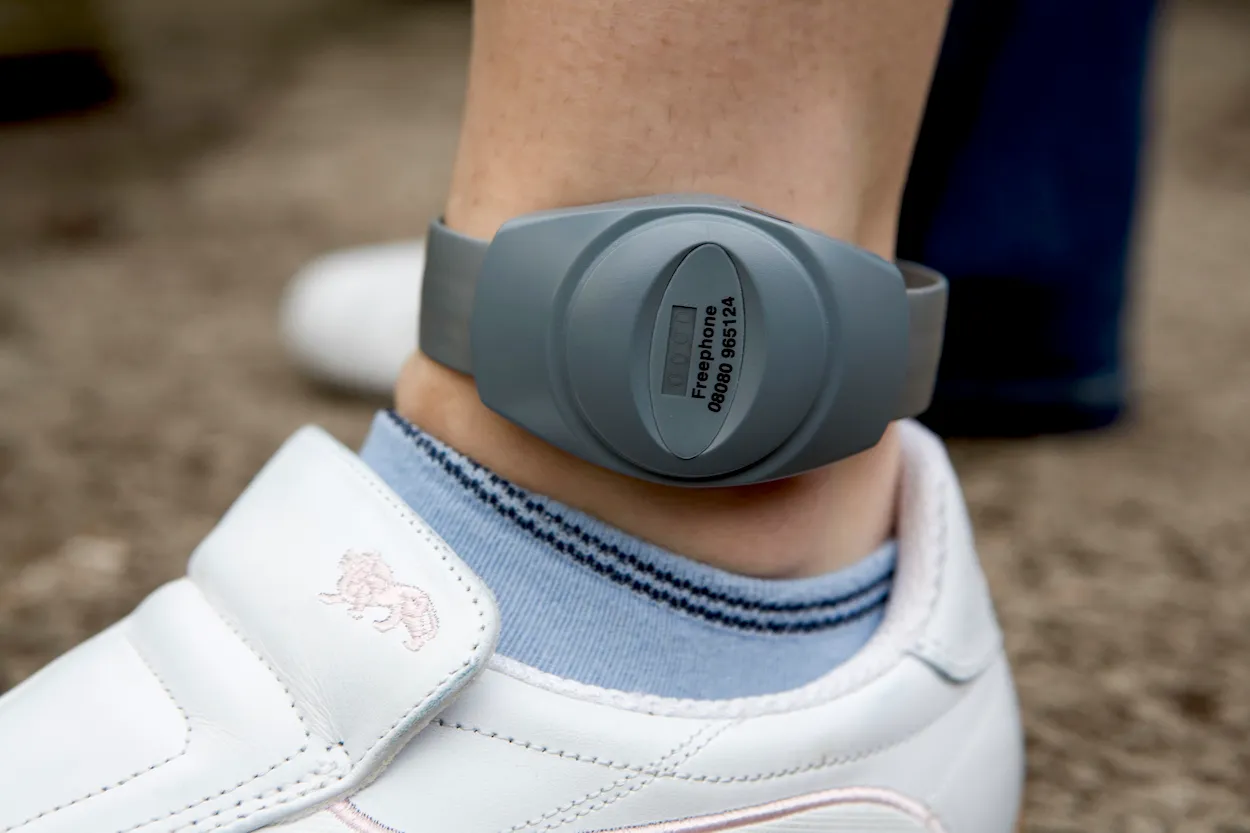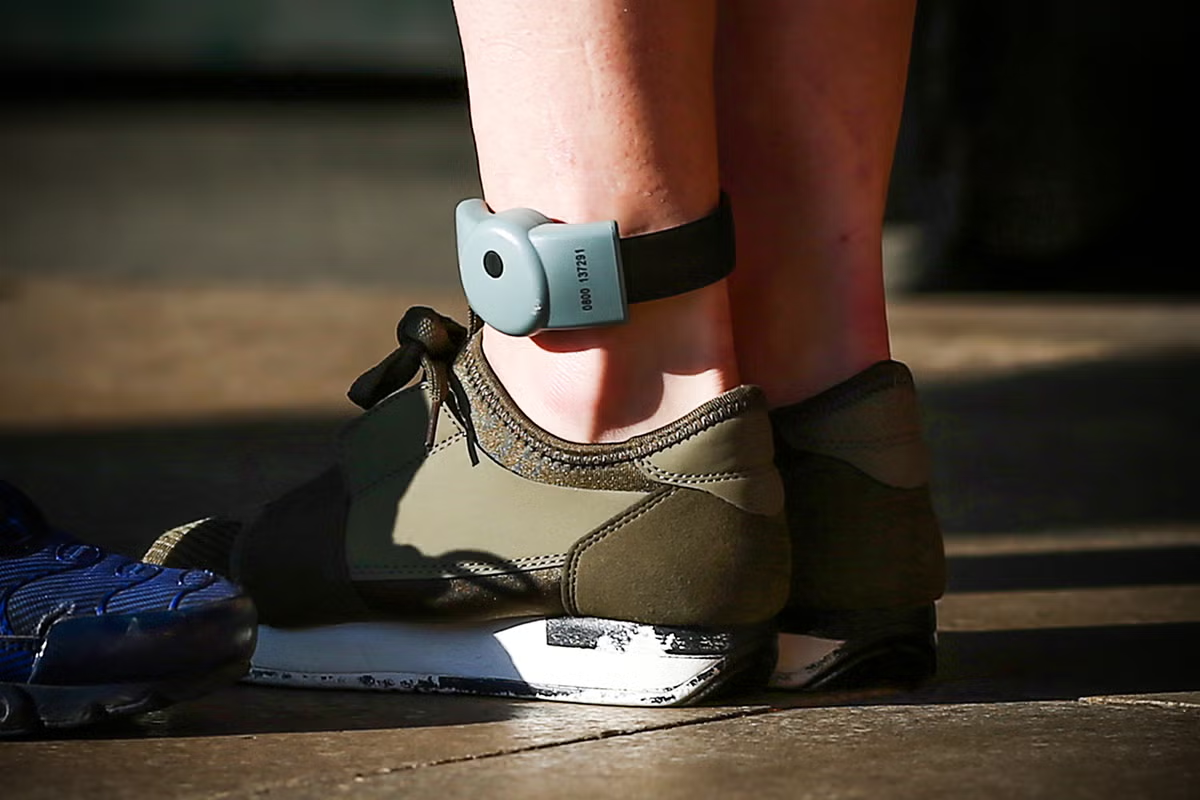
Labour's soft justice programme has been left in tatters after watchdogs warned the public are being put at risk by major problems with electronic tagging.One in seven criminals ordered to take part in electronic monitoring schemes never even get a tag fitted. Labour is introducing controversial measures to slash the number of criminals who are sent to jail, placing a huge emphasis on community punishments backed up by tagging.But the National Audit Office (NAO) highlighted concerns over whether tagging can be 'safely scaled up' to replace jail sentences.The Ministry of Justice (MoJ) is spending 175million to expand tagging operations run by the HM Prisons and Probation Service (HMPPS) over the next three years.But the NAO report said: 'HMPPS is continuing to scale the service while key elements are not yet working effectively, leading the service to operate beyond its stated risk appetite and tolerance levels.'This increases the risk of poor performance and threats to public protection escalating as demand grows.'The watchdog found nearly 9,000 criminals – amounting to a quarter of those ordered to wear a tag by the courts or after being released from jail – had not been fitted with the devices at the end of March. One in seven criminals ordered to take part in electronic monitoring schemes never even get a tag fitted (file photo)Last night the MoJ published updated figures which said the figure was actually about 5,450 - or one in seven of the 37,600 subject to tagging orders at the time.The NAO report revealed HMPPS 'does not have an accurate understanding' of how many offenders should be wearing a tag but are not.It said: 'Of particular concern is the likely significant number of unmonitored individuals.'Auditors found MoJ officials 'cannot reliably identify' whether untagged criminals commit new crimes, or how long they are unmonitored.There were 'significant unmonitored time periods of high‑risk offenders', the report went on.In a further serious glitch in the system, the auditors found tagging operator Serco's contract allows it up to 53 hours to report a breach by an offender to probation teams or police.It also found staff are overwhelmed by 'between 530,000 and three million alerts a year' of potential breaches of electronic monitoring orders.Details of only '10 per cent to 50 per cent' of those breaches results in details being sent to probation officers and other officials, of which nearly half result in 'no further action'.The report added: 'Police and probation officers often lack information or capacity to respond quickly to breaches.'On visits, the NAO observed that both serious and minor breaches were often treated in the same way.'The wider system is inefficient, with many errors in tagging orders and a low success rate for tagging people, causing delays in getting individuals tagged.'There is also no shared understanding of what a more responsive electronic monitoring system should look like or how it should be measured.'For example, Serco's contract does not require it to provide officials with details of an individual's breach until 29 to 53 hours after it occurs.'The report raised serious questions over Labour's increasing reliance on tagging instead of jail.It said: 'In September 2025, the MoJ estimated that up to 22,000 additional people will need to be tagged per year from 2027.'Key elements of the system are not yet working effectively – for example, significant understaffing persists, including an estimated shortfall of around 2,200 probation staff as of March 2026.'There have been concerns about whether the system can scale up safely.'In March prisons minister Lord Timpson claimed Labour's sentencing reforms included the 'biggest expansion of tagging in British history' which meant that 'the most dangerous offenders will now be watched more closely than ever before'.NAO chief Gareth Davies said: 'Electronic monitoring is central to managing pressures on prisons, but it is not working effectively, creating risks to public protection.'Improvements are required to ensure that those who should be monitored are monitored and that breaches are responded to effectively.'The MoJ and HMPPS should address the inefficiencies and risks identified in our report before expanding electronic monitoring.'Sir Geoffrey Clifton-Brown, chairman of the Commons' Public Accounts Committee which oversees the NAO's work, said: 'Electronic monitoring is fundamental to the government's strategy to ease pressure on prisons, yet today's NAO report shows that there are serious questions about whether this system can deliver.'Most concerningly of all, the government does not know for certain how many people who should be tagged are being left unmonitored, nor does it have the information or capacity to respond quickly to breaches, resulting in unknown risks to public safety.'The number of people being monitored has more than doubled since 2021 to 28,700 by March 2026, and the government estimates a further 22,000 people per year will need to be tagged from 2027, yet the system is already strained, inefficient and not operating as intended.
Thousands of 'tagged' criminals not fitted with the electronic devices
Thousands of criminals placed on electronic monitoring schemes never even get a tag fitted in the Ministry of Justice's chaotic, under-performing system, it has emerged.
1,002 words~5 min read