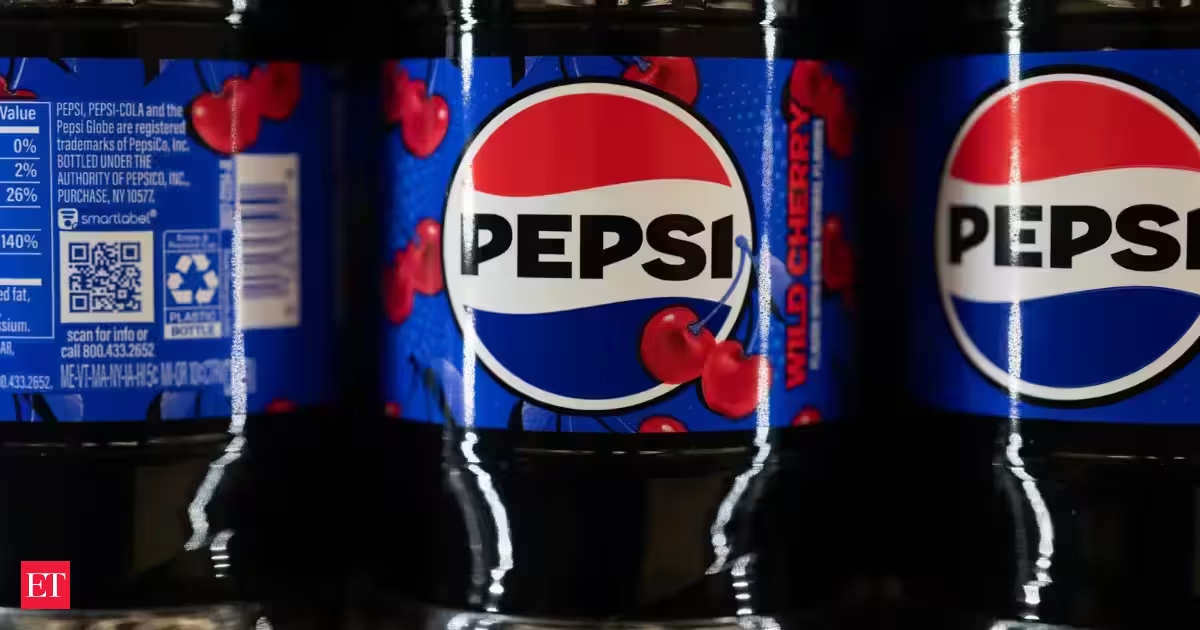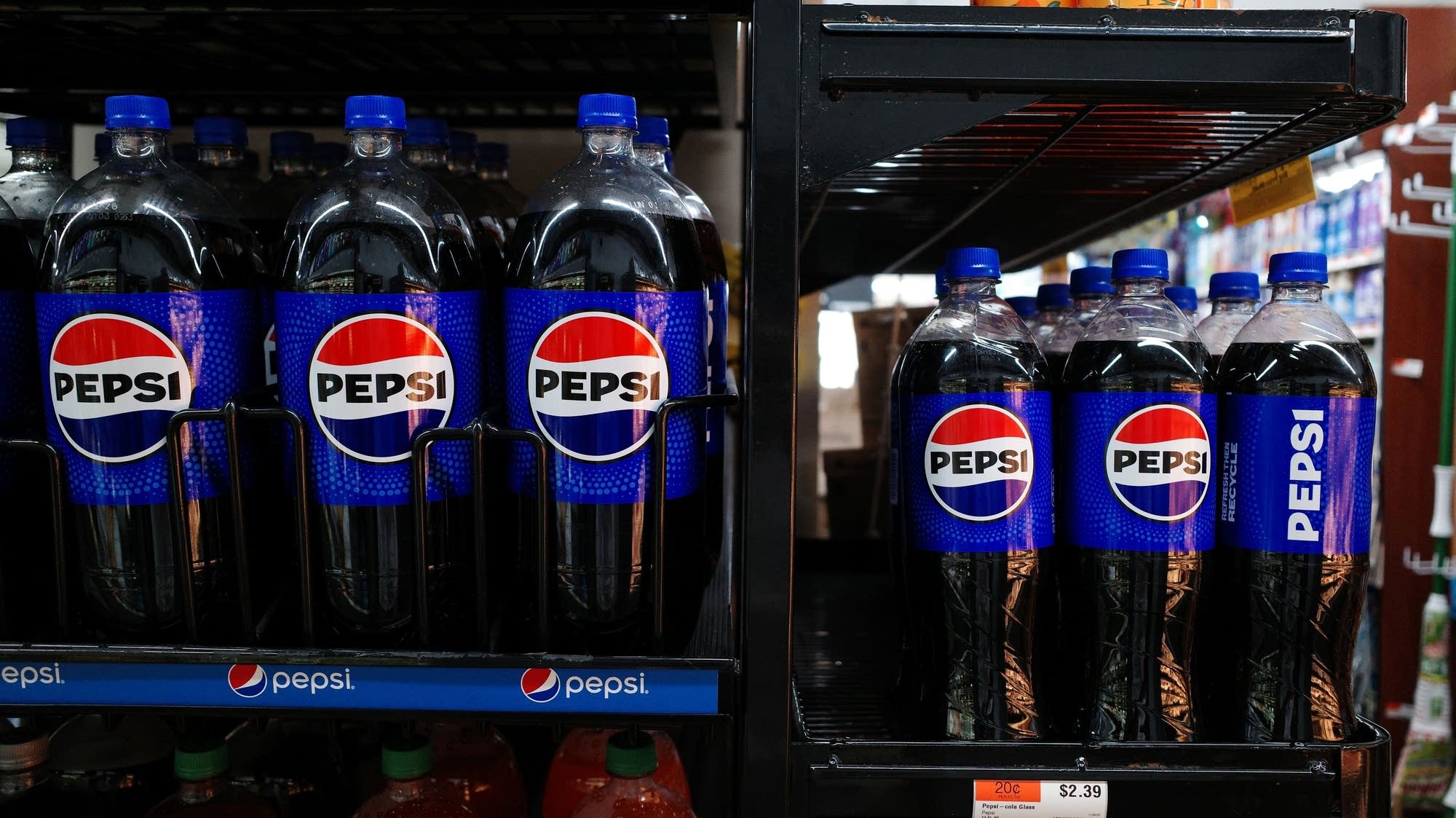
Thursday is the start of quarterly earnings season, and one of the first companies out of the gate is PepsiCo. The maker of Doritos and Gatorade — and, of course, Pepsi — reported that its net revenue was up 6.4% from the same time a year ago. There was, however, one noticeable weak spot: North America. The company said that sales of food and beverages in the U.S. were “tempered” as consumers tighten their budgets in response to rising prices. Pepsi said its sales in the U.S. were particularly weak this spring at places where people impulsively buy snacks and drinks — think convenience stores and gas stations. “Gas prices are so salient, we're all standing next to our cars staring at that digital display,” said Tal Gross, a professor at Boston University who studies household finance. As the U.S. went to war in the Middle East this spring and gas prices rose, people stared at those numbers ticking up at gas stations, and some decided not to buy a soda or bag of chips. Psychologists call this “mental accounting.”“If you're … typically used to spending $40 at the gas station, if now you have to spend $50, you kind of think about that as one account,” Gross said.And if gas prices are higher than usual, people’s brains tell them that they’ve hit their limit.“And so … you're not willing to spend money on Pepsi products, because it somehow is linked to what you're spending on gas,” Gross said.Consumers are resisting the temptation of other gas station treats, too, including energy drinks and beer, according to Filippo Falorni, director of equity research at Citibank.“Especially at the low income levels,” Falorni said. “Consumers at the higher end are doing a lot better, but consumers at the low end are really struggling.”But Falorni said he expects consumers to go back to their old habits. “Whenever you have shocks like this,” he said, “usually, you get a pretty big response initially, and then consumers just kind of adjust.”Eventually, we stop being disciplined and go back to our regular chip-eating ways.
PepsiCo had a great quarter — except in North America
Blame war in the Middle East for particularly weak sales at gas stations and convenience stores.
347 words~2 min read