Commentary
What used to be a meandering journey is now an immediate arrival at your destination, says this neuroscience researcher for the New York Times.
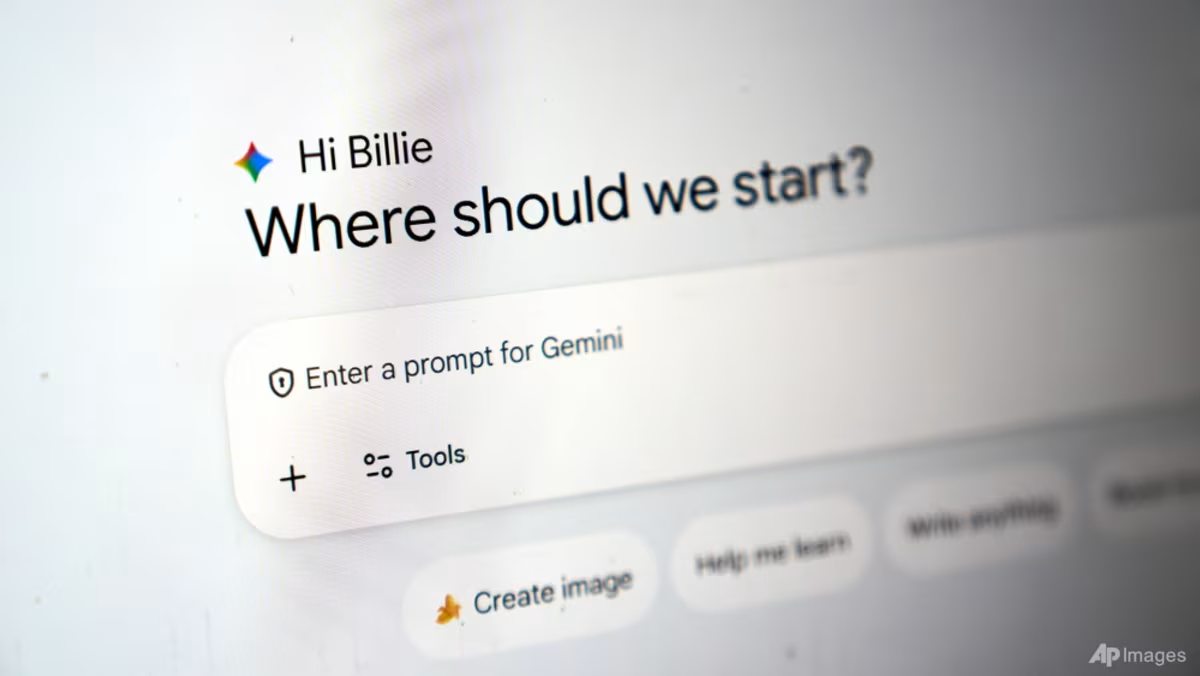
File photo of AI tool Google Gemini. (AP Photo/Damian Dovarganes)
10 Jul 2026 05:58AM
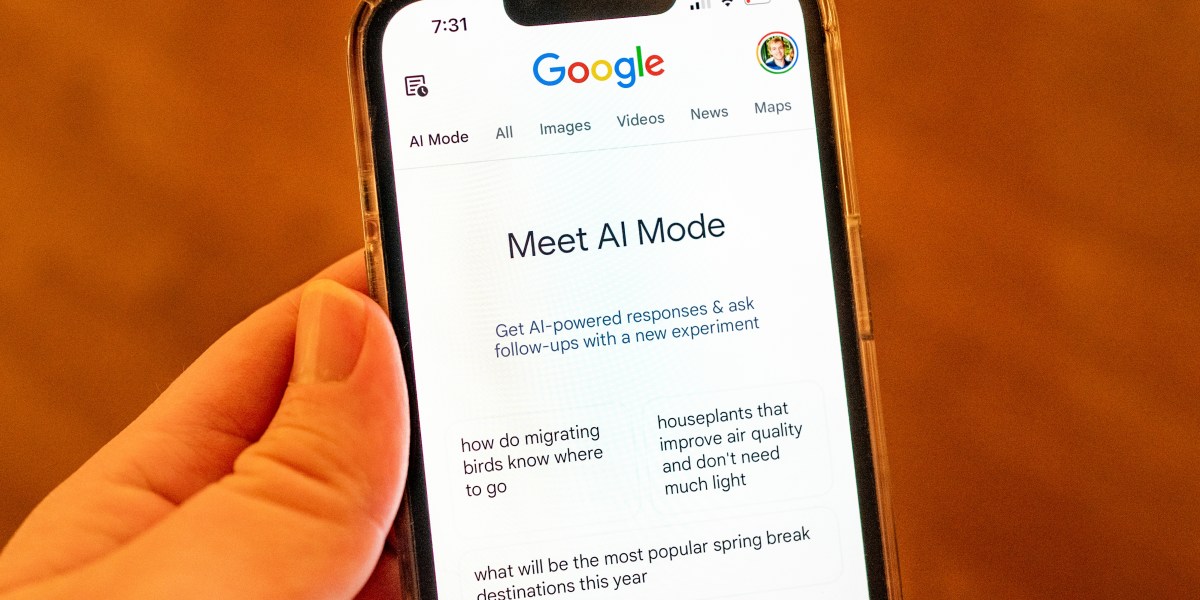
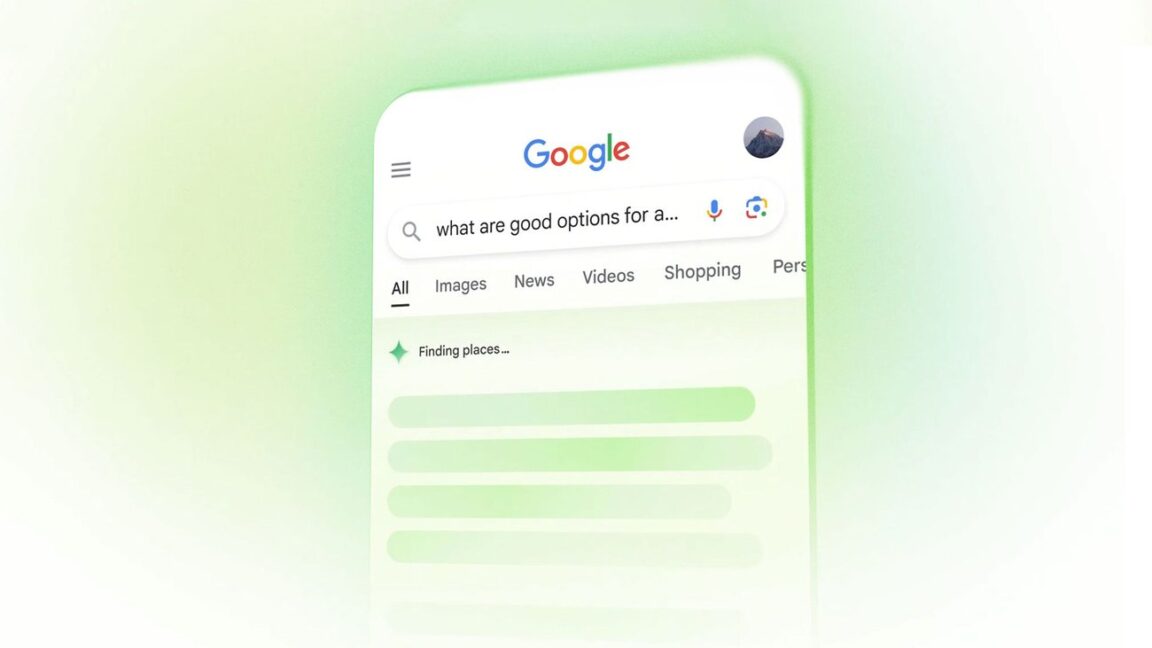
LONDON: More than 60 per cent of Google searches in the United States now end without the user clicking on a link. We type a question, read an artificial intelligence-generated summary of the results and leave with our answer.Google is hardly alone. Claude, ChatGPT and upstart competitors like Perplexity do roughly the same thing: They take a question and swiftly return an answer, compressing what used to be a meandering journey through the internet into an immediate arrival at your destination. The explorative phase of searches - clicking through links, stumbling onto unexpected pages, following a reference that leads to somewhere unplanned - is disappearing.For anyone who publishes on the internet, this is a troubling development, since it lowers website traffic and makes it hard to protect and profit from your intellectual property. But you might think it is good news for internet users. Could there be anything wrong with getting a reliable answer more quickly?There is. By shortening the time between asking a question and getting an answer, these tools are actually undermining curiosity - and paradoxically threatening our ability to understand the world.