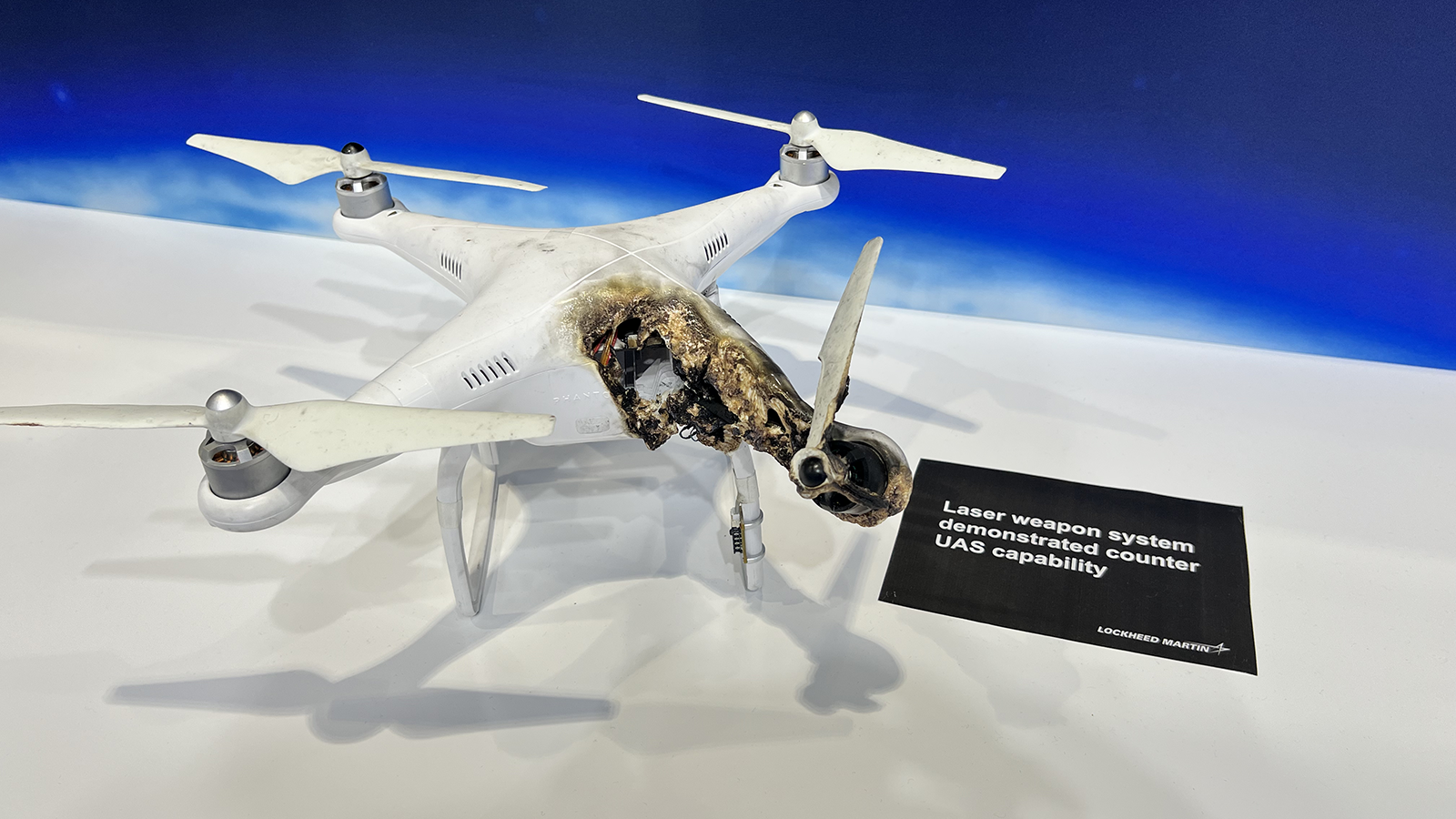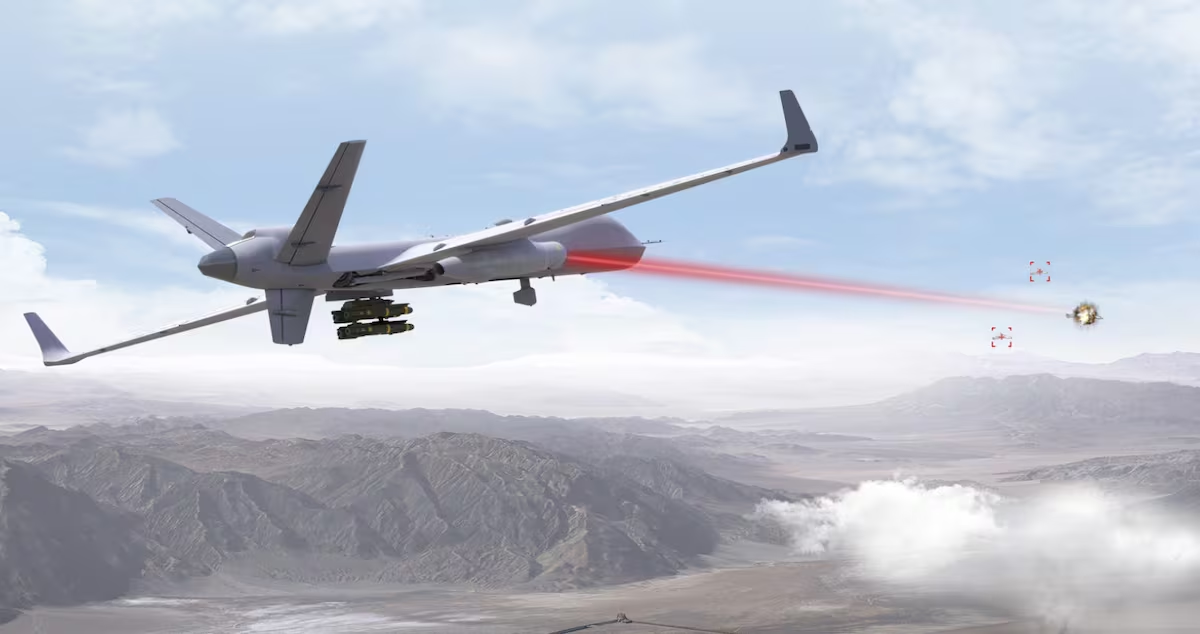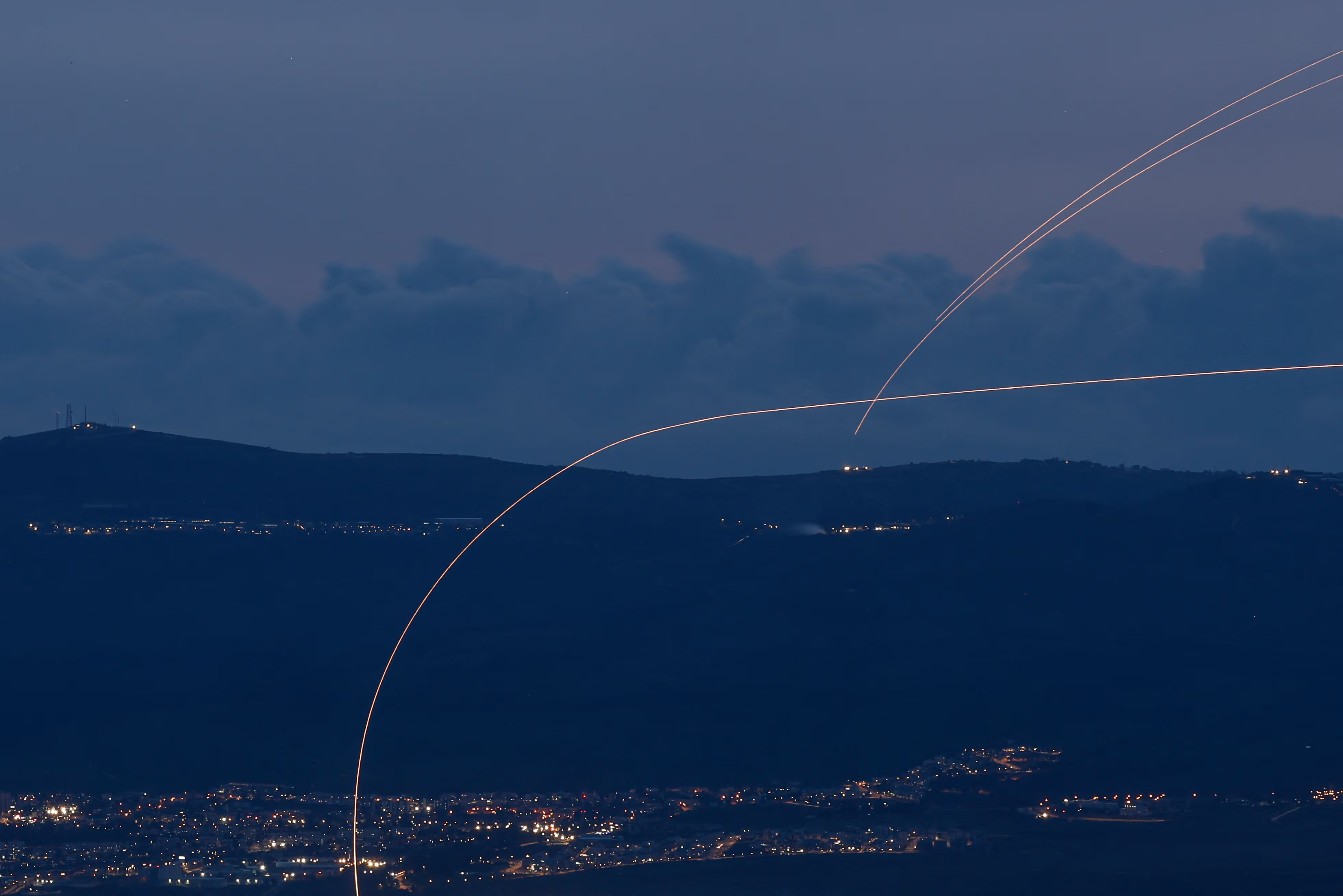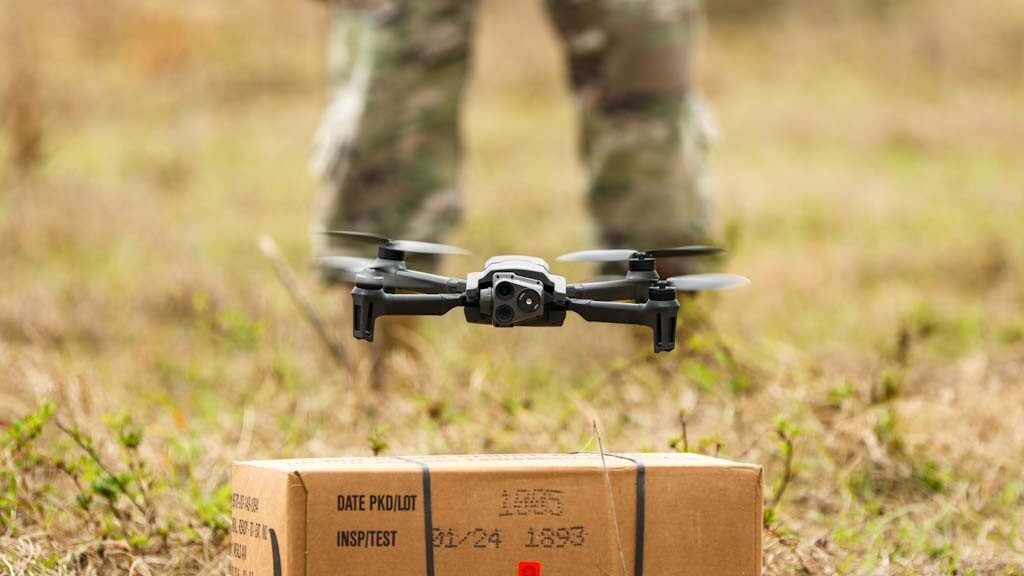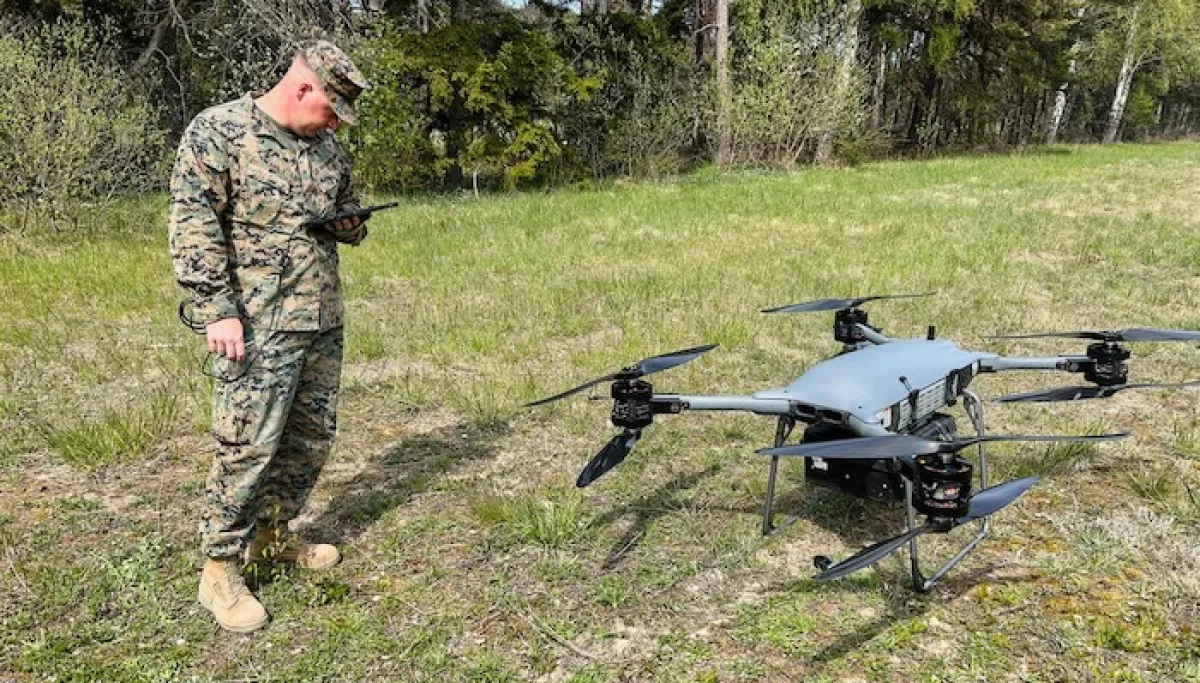
The War Department is continuing to develop its drone and counter-drone capabilities, most recently announcing two agreements on Thursday for directed energy weapons that could be used to target drone swarms, among other aerial threats.The Office of the Undersecretary of War for Research and Engineering agreed to the two Joint Laser Weapon System Other Transaction Authority agreements with nLIGHT Defense and Lockheed Martin Aculight. The deal has an initial value of $86 million and a total program estimated ceiling of $847 million.The initial Joint Laser Weapon System prototypes will provide approximately 150 kilowatts of power to address “urgent operational demands,” but later iterations will be scaled to reach the 300-500 kW threshold needed to stop cruise missiles.
“We must actively defend the homeland against emerging threats,” Emil Michael, undersecretary of war for research and engineering, said in a statement. “We are partnering with industry to rapidly deliver deep magazine directed energy capabilities to the Joint Force that can be seamlessly deployed across multiple domains.”Pentagon officials are looking to develop containerized high-energy laser weapons that can provide military leaders with “scalable, cost-effective intercept solutions for asymmetric and high-tier adversary threats,” a department press release said.Pentagon officials have frequently highlighted the need for cheaper and reusable counter-drone technology, as the threats that have played out overseas threaten the United States domestically. Directed energy is considered a good option to intercept drones because it takes much less time for a directed-energy laser to intercept an incoming projectile, is much cheaper on a per-intercept cost, and has exceptional magazine depth.Scaled directed energy is one of the six critical technology areas as outlined by Michael.Back in March, the Federal Aviation Administration and the War Department successfully tested a high-energy laser counter-drone system at White Sands Missile Range in New Mexico that demonstrated it can be used without harming civilian aircraft. During the test, the LOCUST laser, which is made by AV, demonstrated the ability to hit both stationary and airborne targets; it showed its automated safety shutoff capabilities if the prefire checklist is not met; and it also showed “no adverse impact to civilian aircraft during controlled evaluation scenarios,” the company said in a press release in May.Cheaper than Reaper