Obscurity isn't a defense. If your company has any Internet-facing vulnerability, you're at risk from multiple threats.
July 9, 2026
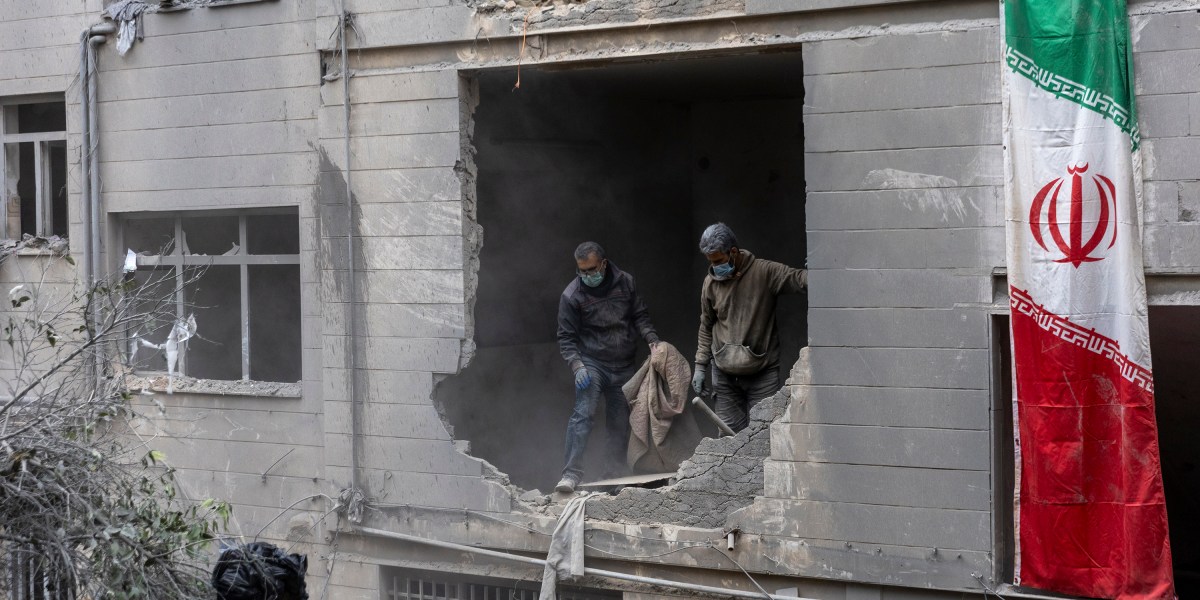
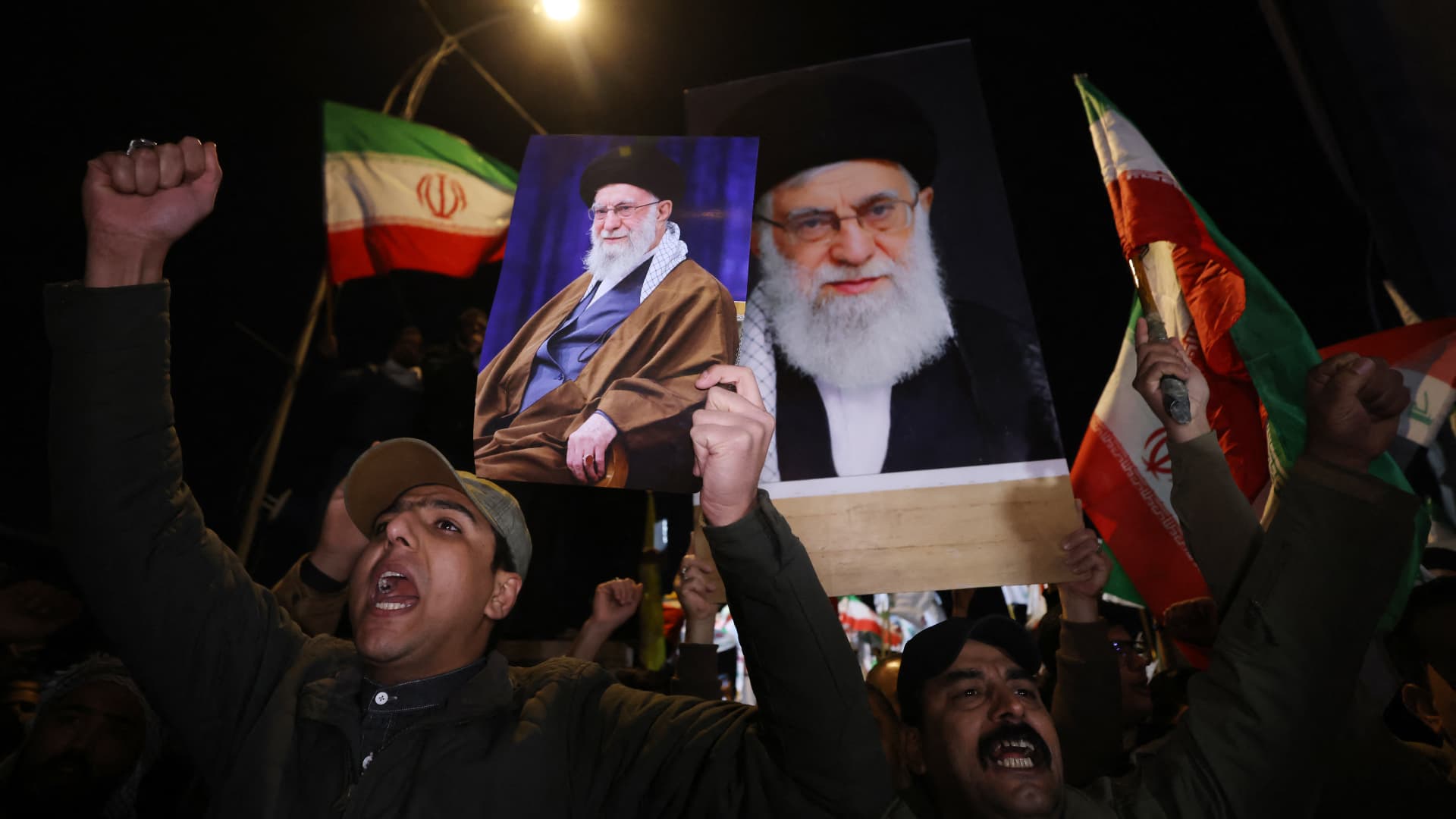
For many CISOs, the headlines detailing Iranian-linked strikes on water utilities and power grids trigger a dangerous sense of immunity: "I'm not a utility; I'm not a target." There is a comforting, yet flawed, assumption that these operations are merely geopolitical theater confined to the high-stakes arena of critical infrastructure. But in the modern threat landscape, obscurity is not a defense, and "non-critical" status is not a shield. If your organization has a digital heartbeat and an Internet-facing vulnerability, you're already at risk from multiple potential threats, whether you realize it or not.
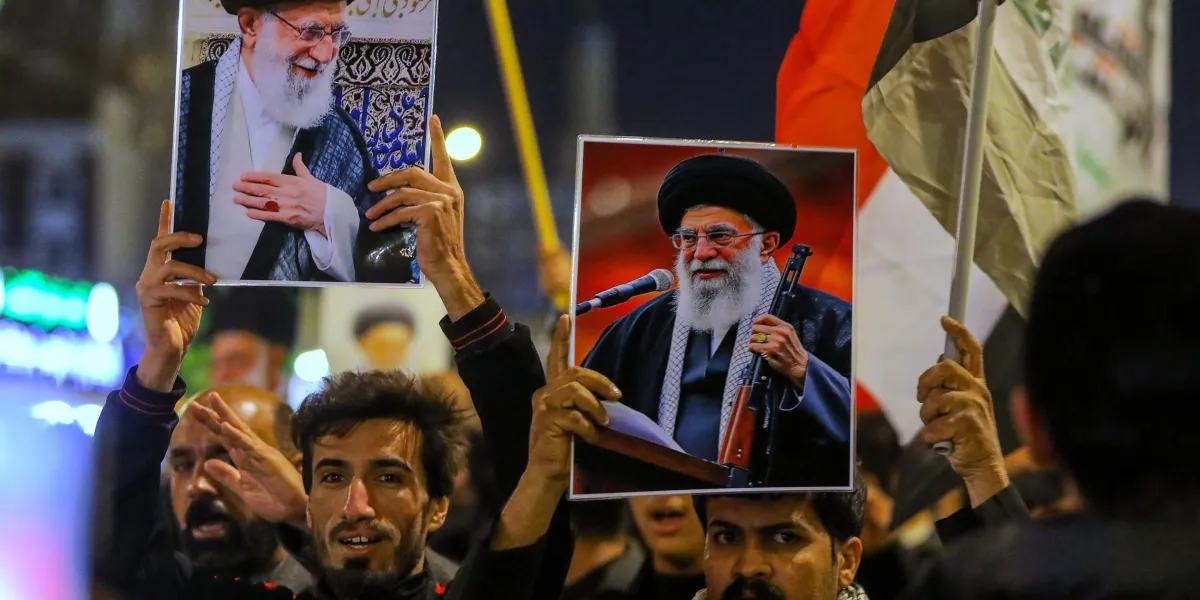
The groups behind recent attacks, including Handala, Ababil of Minab, and others operating within Iran's cyber-influence ecosystem, cloak themselves in the mask of cyber activism, or "hacktivism." They are largely opportunistic. They aren't specifically hunting targets; they are on "Shodan Safaris" hunting easily exploited vulnerabilities or insecure systems. A law firm or logistics hub with an exposed programmable logic controller or an unpatched VPN is an easy, appealing target.