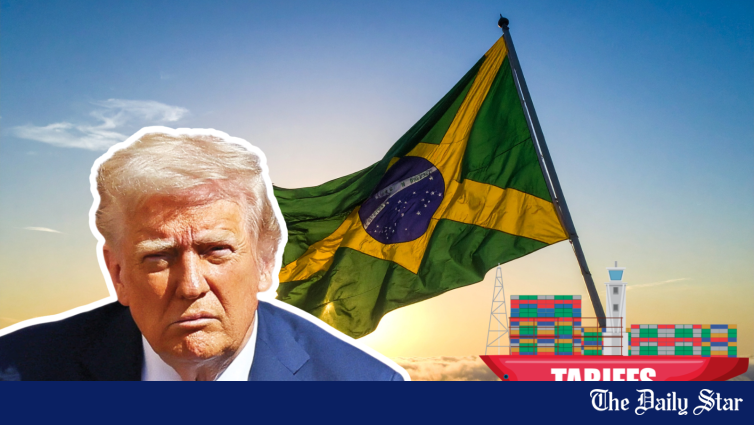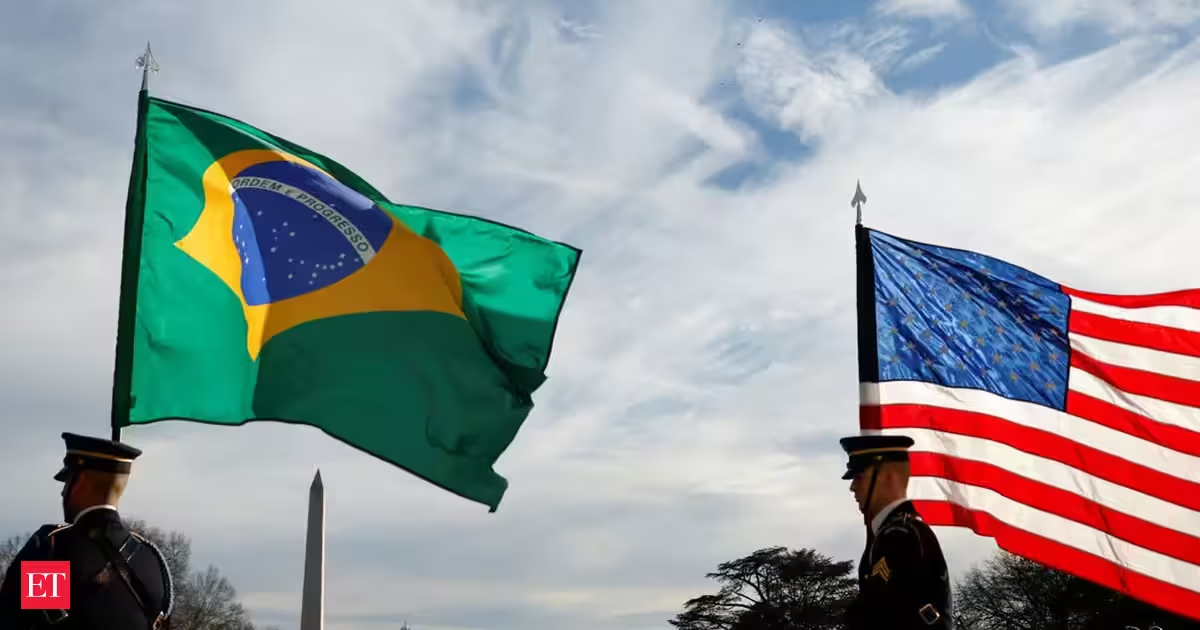
WASHINGTON—In June, the Office of the US Trade Representative unveiled preliminary findings of an ongoing Section 301 investigation, proposing a new 25 percent tariff on various Brazilian products.
This is only the latest development in what has been a very up-and-down year for US-Brazil trade (as our trade dashboard shows). It began with an initial series of tariffs applied throughout 2025, followed by the US Supreme Court’s February 2026 decision that limited the Trump administration’s use of the International Emergency Economic Powers Act to implement tariffs. Soon after, the administration imposed a global 10 percent tariff under Section 122, and now, Section 301 tariffs are taking shape.
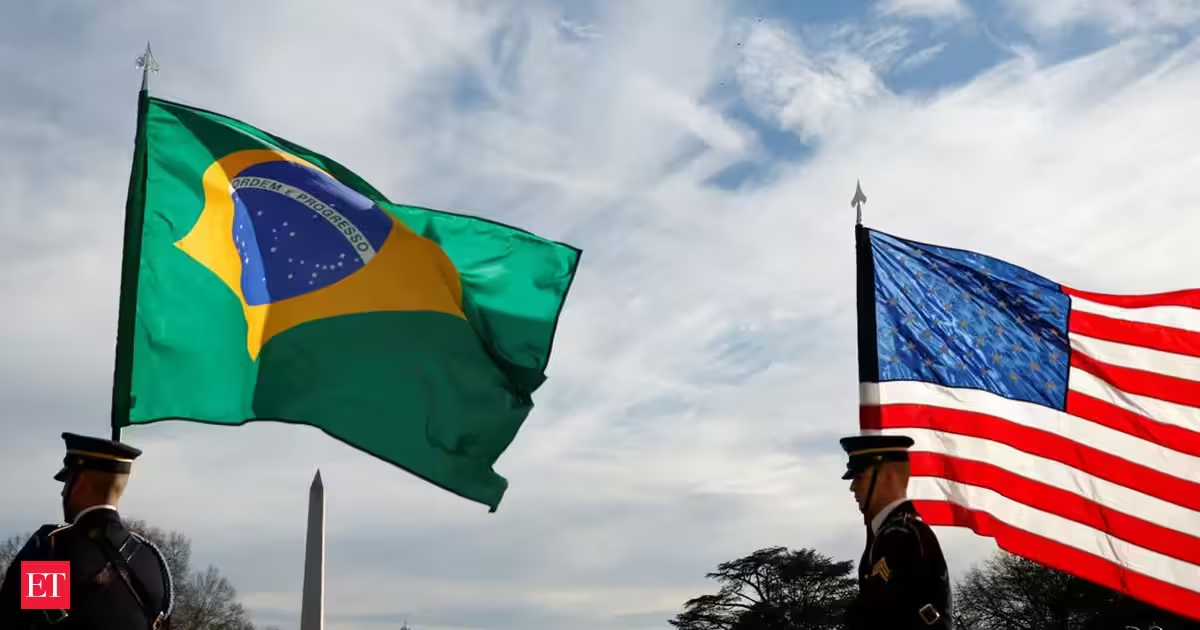
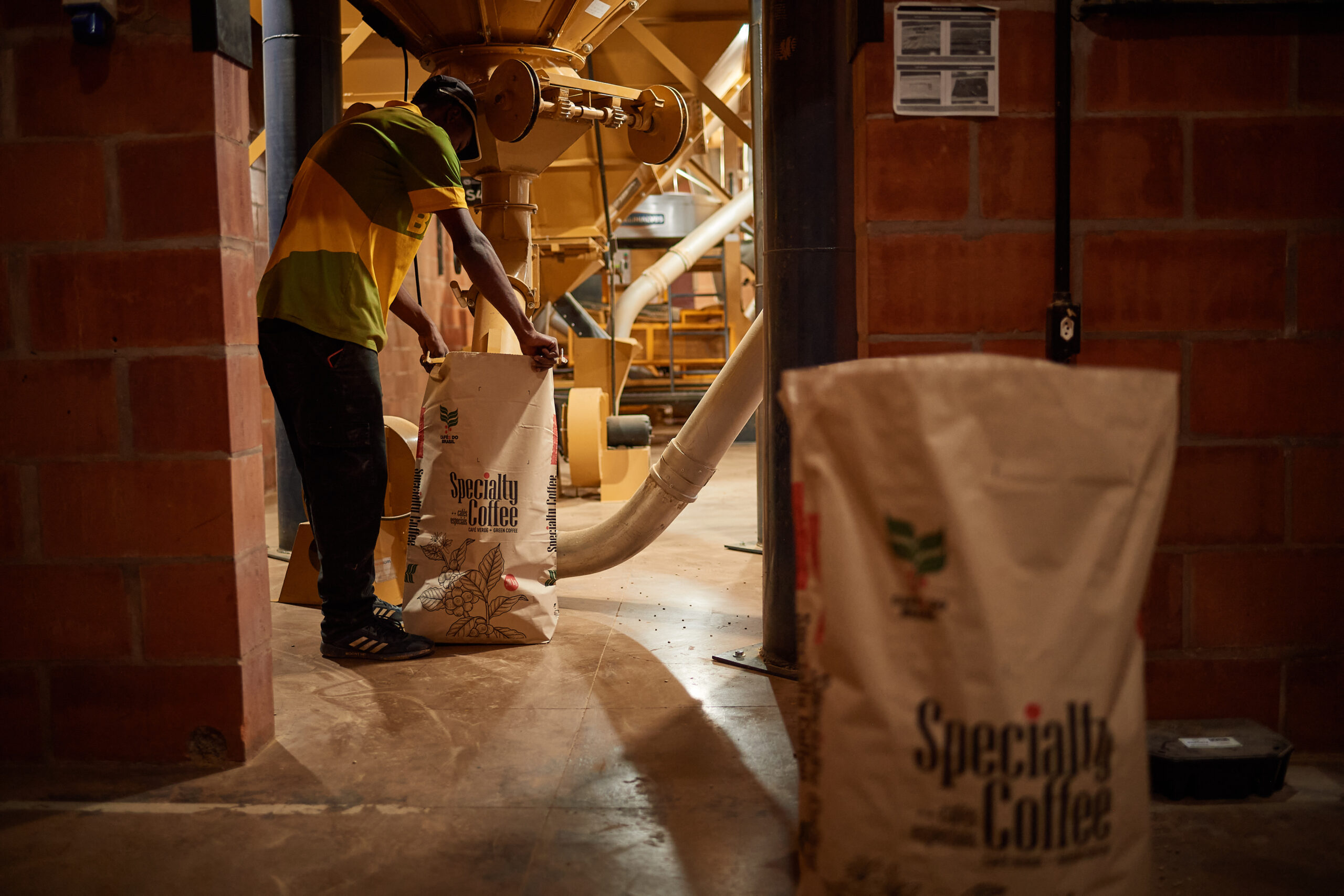
Tariffs applied throughout the year have changed the trajectory of trade, commerce, and relations more broadly between the two countries. Yet, the two economies remain deeply intertwined, particularly in key sectors such as agriculture, metals and manufacturing, and aerospace. Here’s how the new proposed tariffs might further alter that relationship.
A new round of tariffs
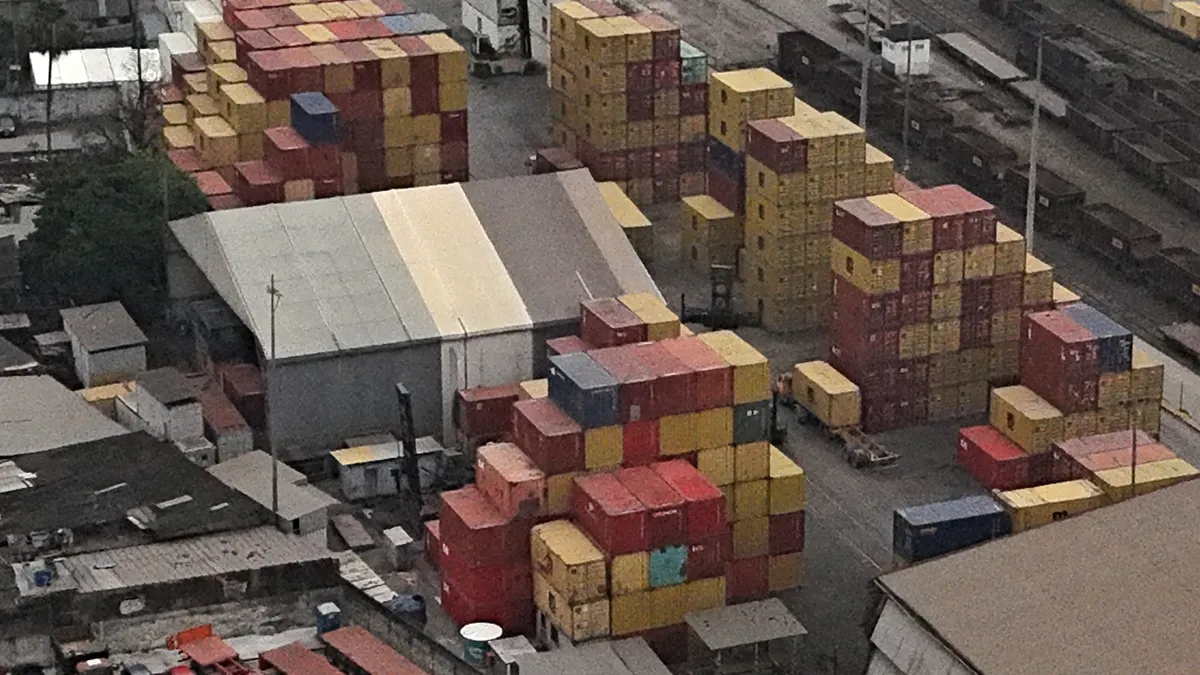
Tariff pressure on Brazil has risen over many months. But Washington isn’t applying that pressure equally across the board, since it is treating products from Brazil in different ways. The proportion of Brazilian exports subject to US tariffs has shifted since Liberation Day, the day in April 2025 when Trump announced a sweeping list of tariffs. Today, around half of all Brazil’s exports are exempt (if applying today’s tariff codes to Brazil’s 2025 exports).