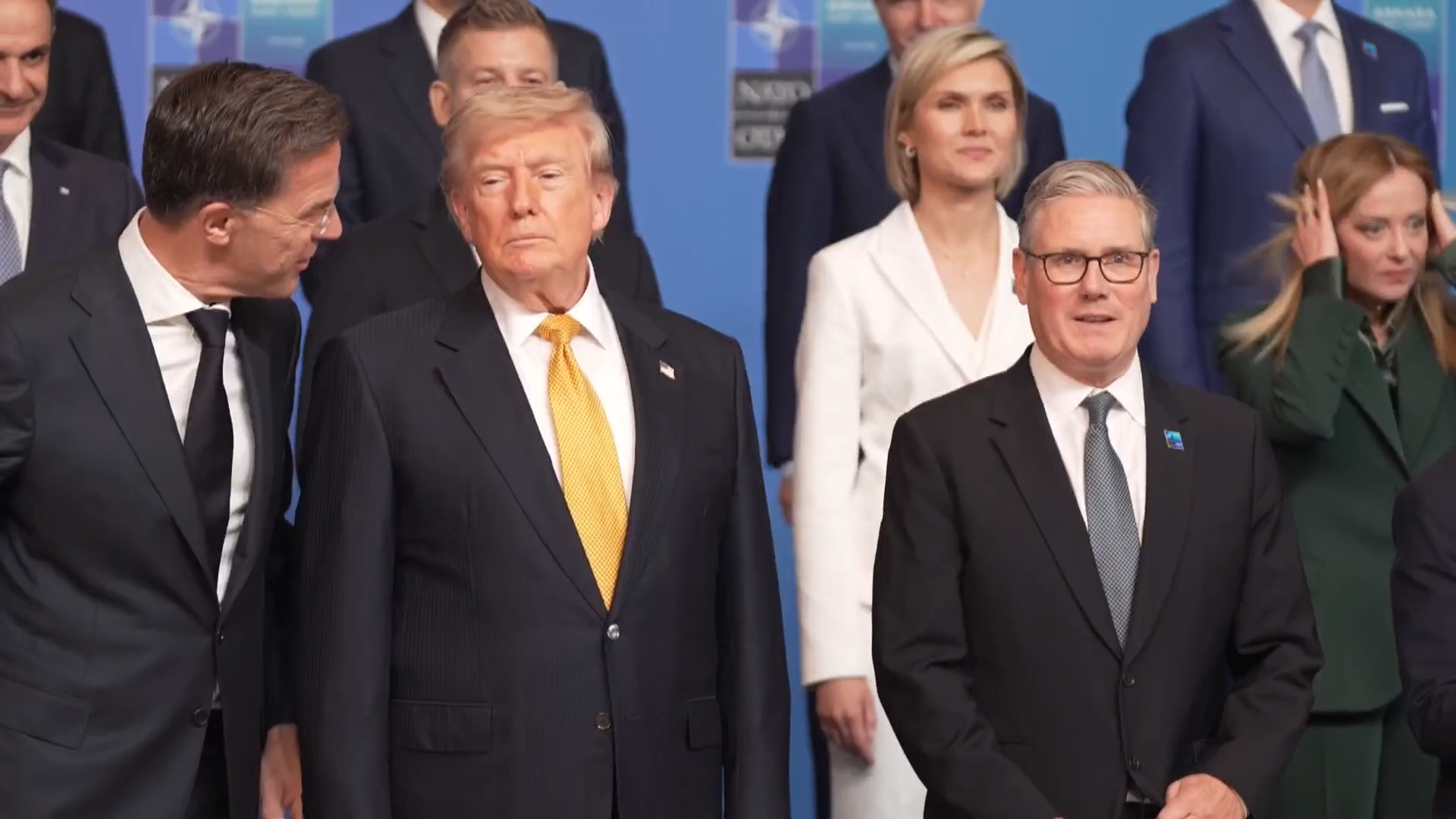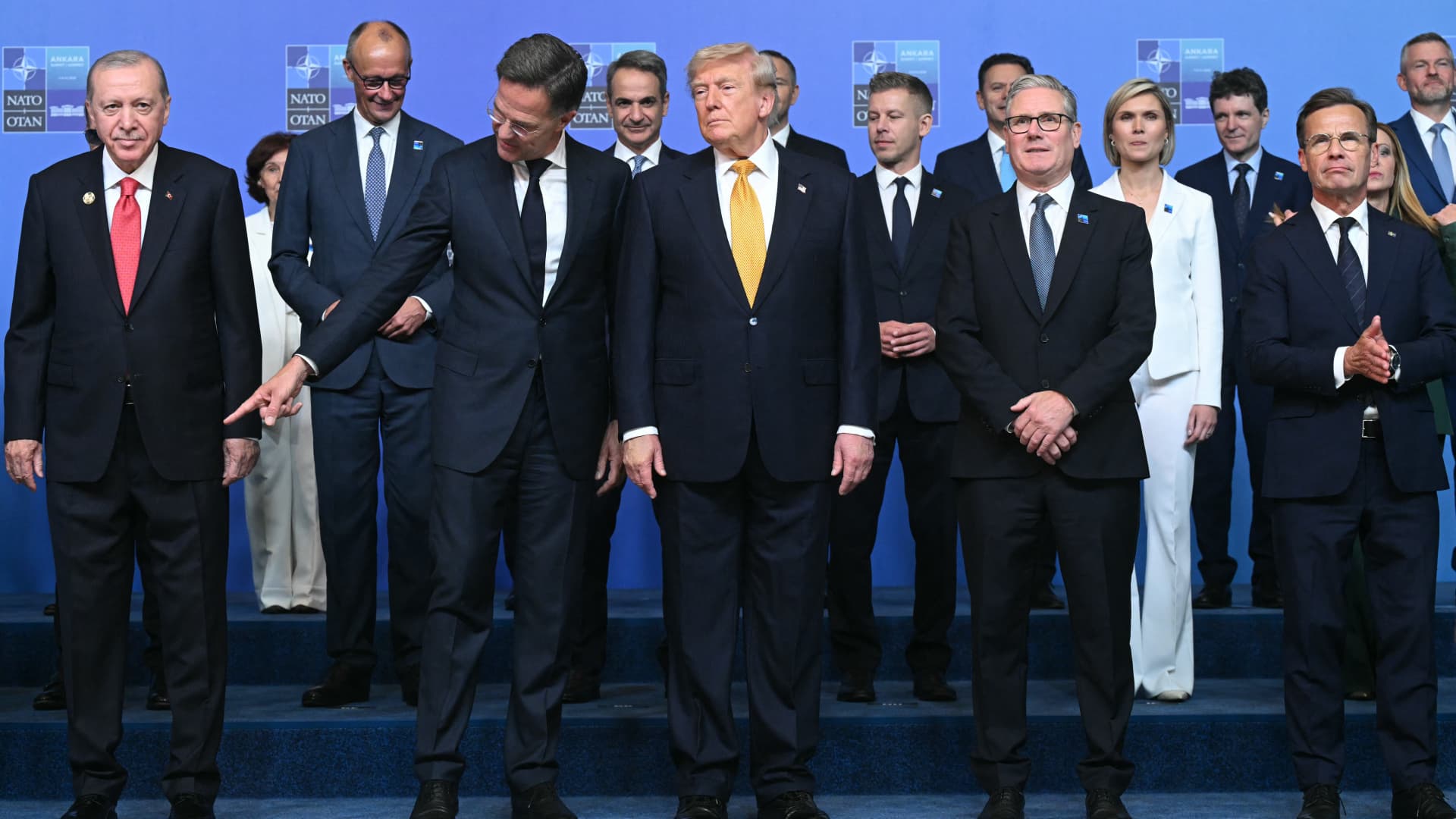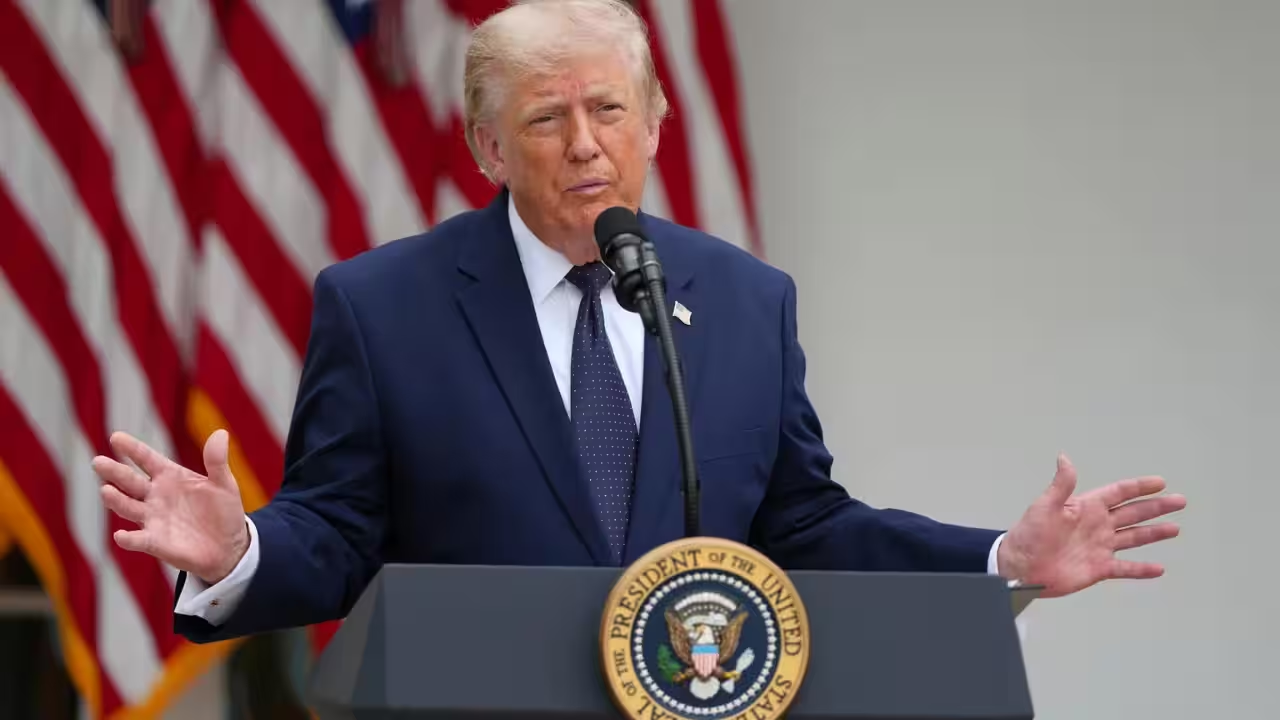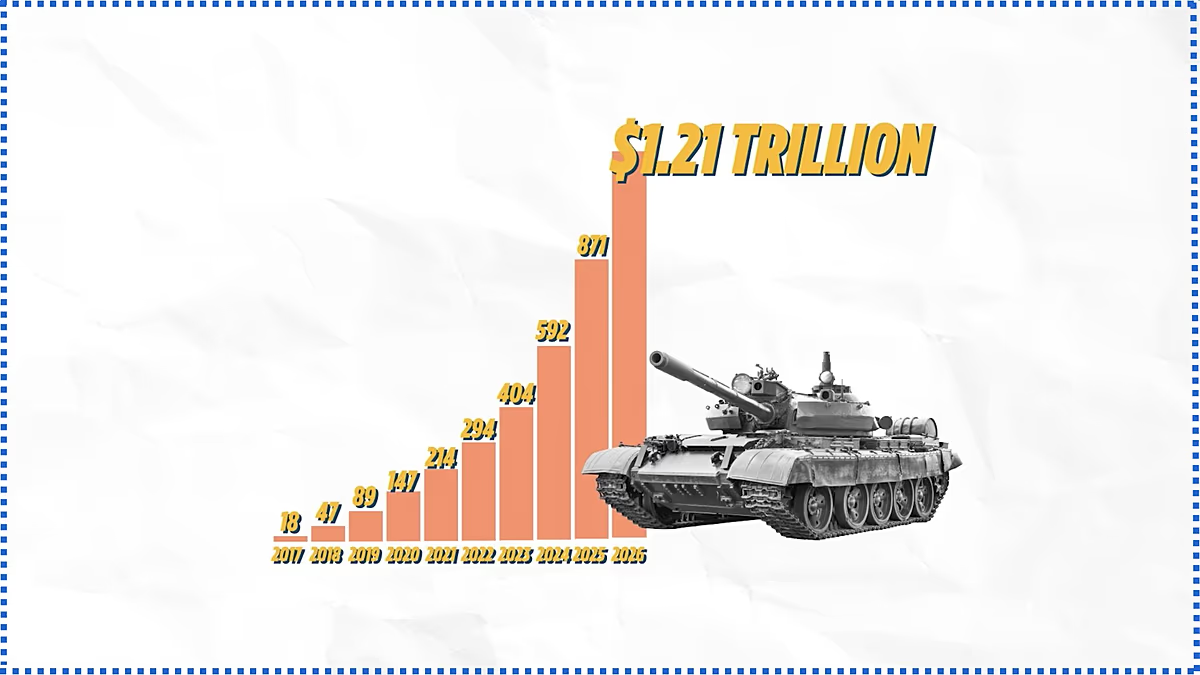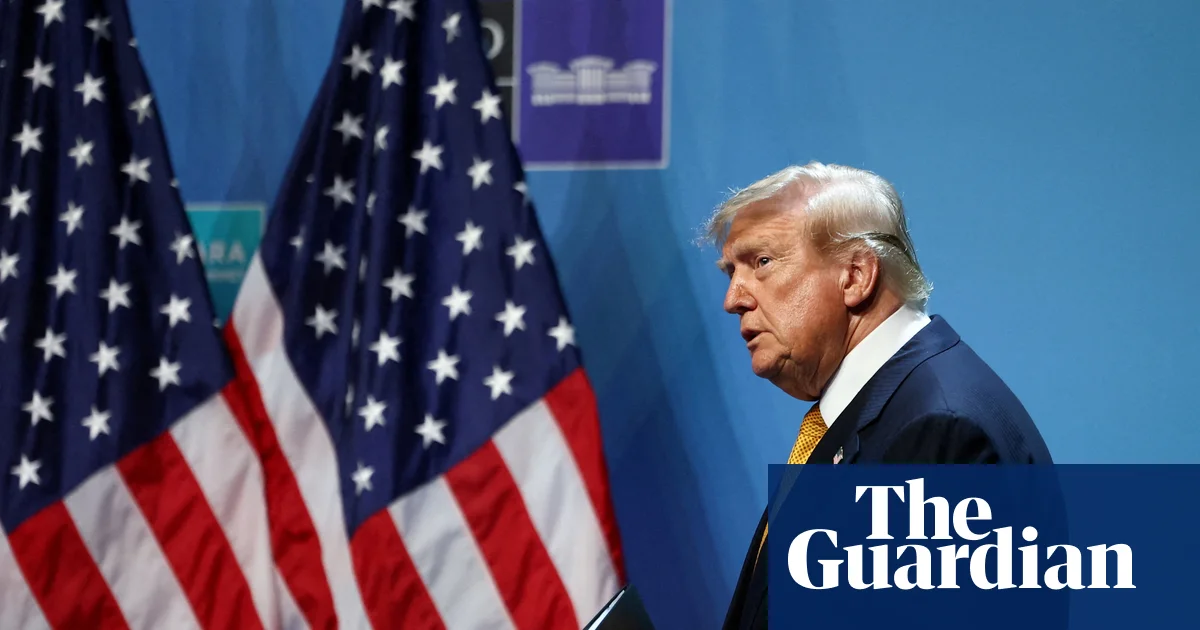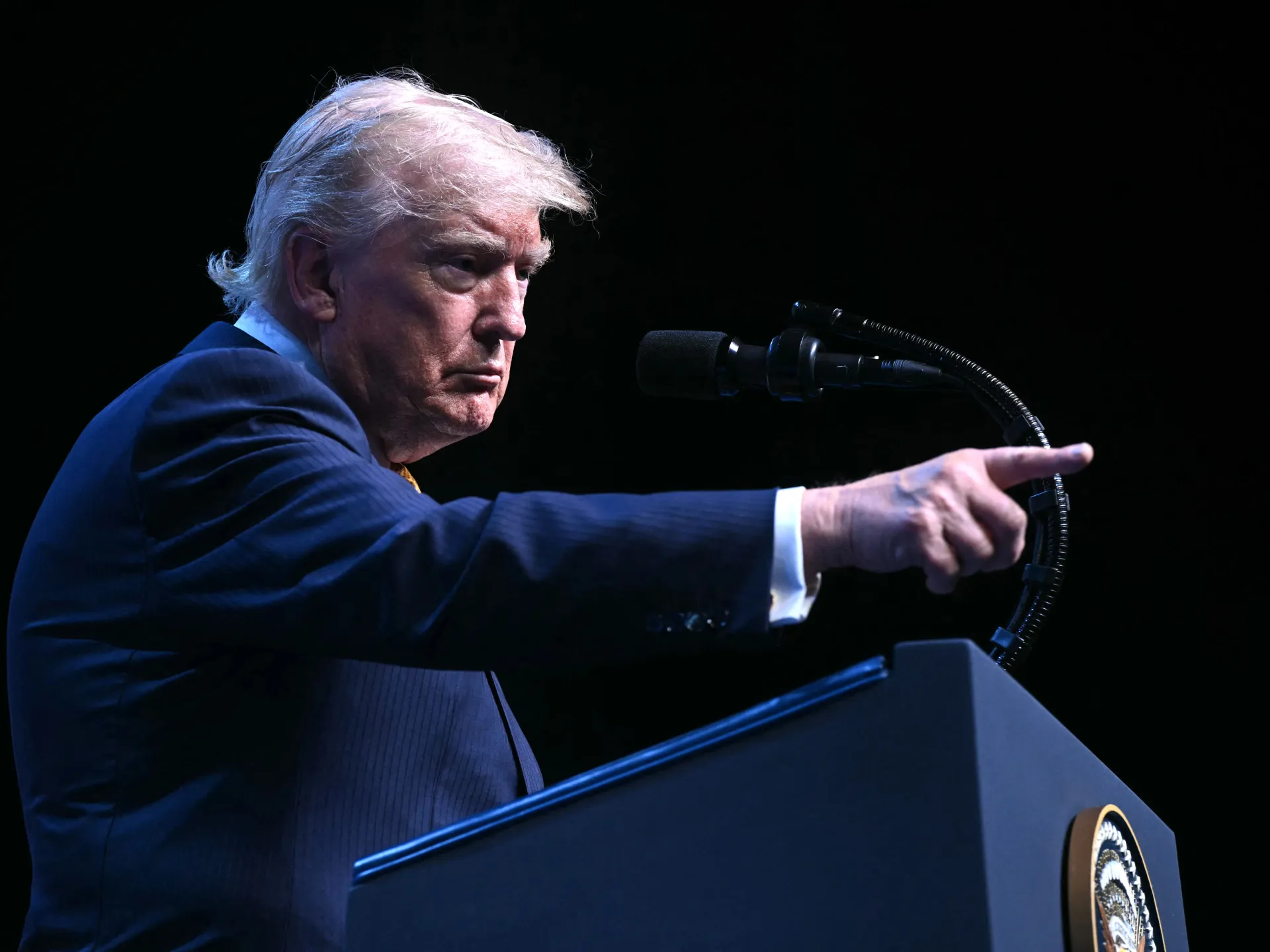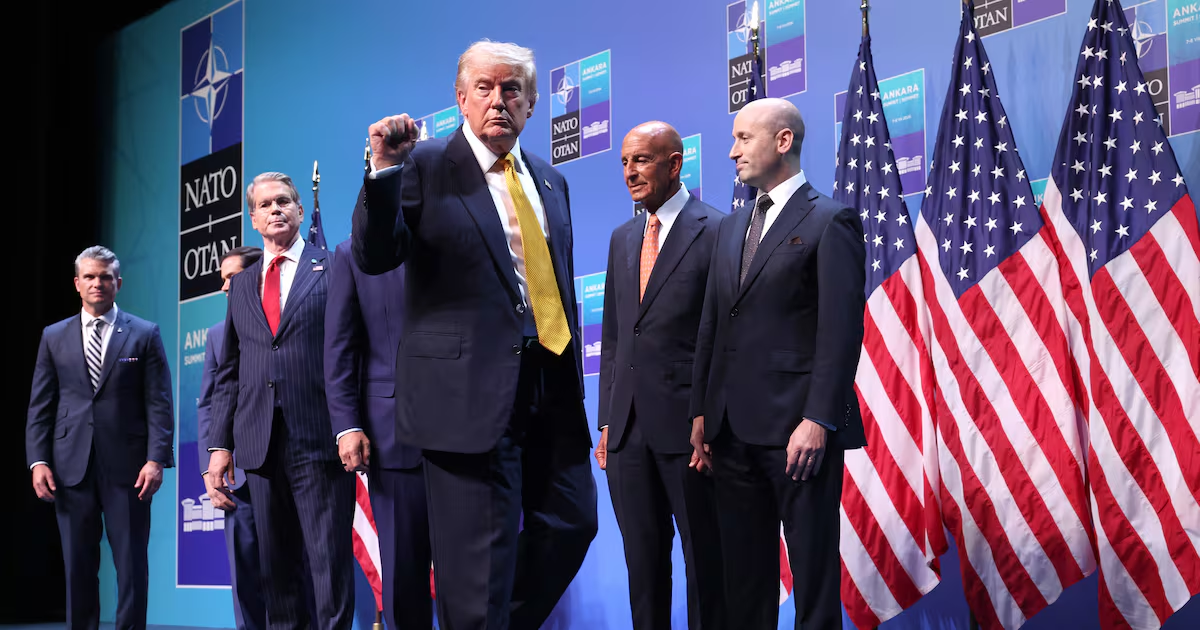
Nato’s summit in Istanbul was dominated rhetorically by President Donald Trump’s capricious and contradictory remarks on US allies and by his ambiguous accounts of the latest breakdown in the Iran war ceasefire agreement. These confusions should not disguise the greater unity of purpose among US allies also on display. Trump’s longer-term objective of forcing the 30 European Nato members to spend more on defence is succeeding as they, together with Canada, increase this figure on average by 20 per cent this year and a further 11 next year.They are showing more self-confidence to define their own priorities and interests distinct from those of the United States. This is part of the wider fragmentation of interests and values underway in transatlantic relations. The other 31 Nato members are now responsible for 43 per cent of its defence spending compared to 30 per cent in 2016. That is still well short of their commitment to spend five per cent of their GDPs on arms by 2035; and the figure varies from the highest in Poland and the Baltic states, through Germany’s dramatically increased defence budget, more gradual increases in France and the UK, with much smaller amounts in Spain, Italy and other southern members.Together with current sharp reductions in US arms supplies and troop commitments to European Nato forces, these changes have raised fears that the US might withdraw altogether from the alliance. The Istanbul summit outcome signals how unlikely that is, given the continuing mutual benefits Nato has on both sides of the Atlantic, ranging from military solidarity through the protection of overall economic and political interests. The summit reflected the difficulties encountered in this significant strategic reconfiguration.That includes contrasting views on the real threat Russia represents to European states as the Ukraine war continues. German and other large increases in military spending are predicated on a fearful view of existing and future Russian aggression threatening Nato and European Union states. An alternative view sees the political and diplomatic benefits of reaching an agreement to end the Ukraine war and avoid dangerous escalation. That prospect of a more peaceful and stable continent would also allow alternative pathways for industrial retooling in major states to increase competitiveness, notably by giving greater priority to decarbonisation, stronger capital markets and more reliable energy flows.European leaders becoming more autonomous from the United States in security and more self-confident politically and diplomatically should be able to debate such alternative futures with greater purpose. That would help repair the loss of public confidence in domestic politics that currently energises radical right-wing forces in many European states.
The Irish Times view on the Nato summit: the alliance reconfigures
Other members are defining their own priorities distinct from those of the US
429 words~2 min read