ThePowerPlant/Shutterstock
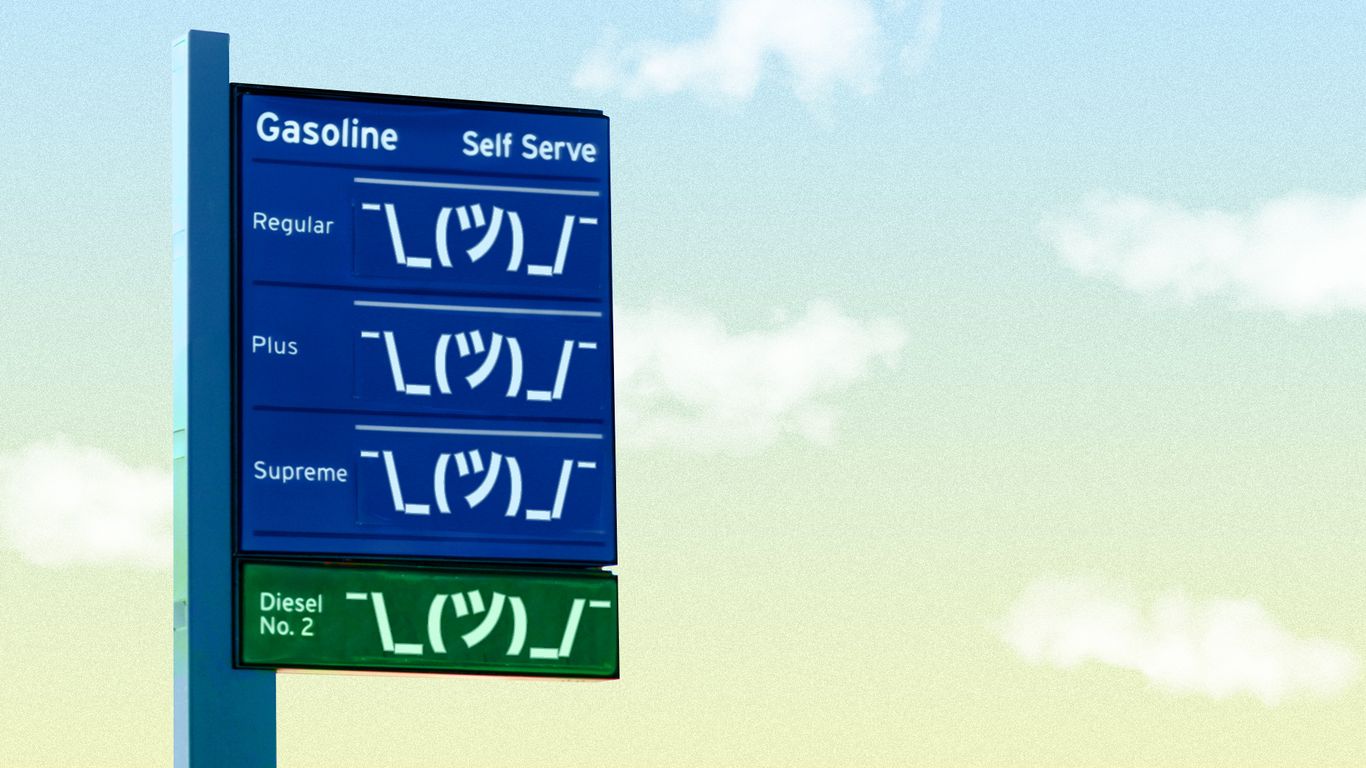
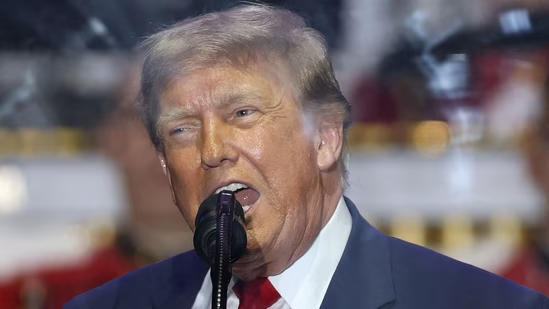
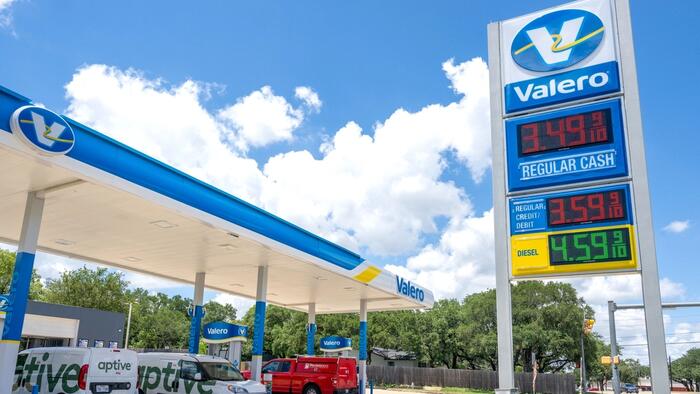
US President Donald Trump famously told Ukraine’s President Volodymyr Zelenskiy, “You have no cards,” when the two met to discuss the ongoing war in Ukraine in February 2025. Today, Zelenskiy could say the same to Trump as the president fights to bring down US gasoline prices. Ukraine’s president could, but will not, take credit for the high US gasoline prices because he found an ace to play against the Russian aggressors: drones, and turned his weapon of choice on Russia’s refining industry. His country’s attacks have cut Russian gasoline, jet fuel and diesel production, creating domestic shortages and reducing export volumes. In response, US refiners have boosted their jet fuel and diesel output while cutting gasoline production. US consumers are paying the price.Shortages in most markets, but especially petroleum, occur most often when governments interfere with the logistical system in which raw materials move from producer to processor to distributor to retail marketer. Petroleum product shortages caused by such interventions have occurred in the US and other countries.The Trump administration’s recent demand for $2.50 per gallon gasoline could create another such problem, given the tight global diesel and jet fuel markets resulting from the war in Iran and Ukraine’s destruction of Russian oil infrastructure. Gasoline margins must stay high to maintain production. If desired, the Trump administration could quickly reduce gasoline prices by $0.25/gallon by suspending the Renewable Fuel Standard program. Absent such an adjustment, the president has no cards to play.Global Market DynamicsOn Jul. 4, TotalEnergies CEO Patrick Pouyanne addressed the market situation, telling listeners at a conference in France that “gasoline and diesel are still trading at levels as if crude oil were at $95-$100 a barrel.” He then added this observation: “Middle Eastern producers have built up such large inventories that they are now desperate to sell their oil. At the same time, there are difficulties getting tankers through the Strait of Hormuz because many shipowners are still unwilling to take the risk. As a result, producers are heavily discounting their crude, and oil prices are collapsing.”Pouyanne focused on the loss of Middle Eastern jet fuel and diesel shipments due to the war with Iran. The conflict prompted refiners there to cut production, creating temporary shortages of the fuels. Refiners in the US and Europe stepped in to fill the gap after diesel rose to record levels. Jet fuel margins went even higher. Refining margins may fall in the coming days as product flows rise, especially given increased crude movements.However, Ukraine’s increasingly successful drone attacks on Russian refineries are more than offsetting the recovery of Persian Gulf refiners. The Financial Times reported that Ukrainian drones have hit Russian refining infrastructure at least 194 times in 2026. The country’s success in this has been attributed to technological breakthroughs that have increased the production and sophistication of the weapons. Russia’s energy infrastructure has been and remains its primary target.Russian consumers are feeling the impact. Diesel prices are up more than 40%. Russian farmers lack the fuel needed to harvest winter wheat, according to Bloomberg. Russia has now banned diesel exports as of this week. Refiners Prefer Diesel and Jet FuelTo take advantage of the lost Russian supply, US refiners are boosting diesel and jet production and cutting gasoline output. It is currently far more profitable to produce diesel than gasoline due to global market conditions.Not surprisingly, US refiners are doing everything possible to maximize their jet fuel and diesel output, with high domestic crude output and diversification away from Mideast crude feedstock enabling them to boost jet fuel yields to unprecedented levels and help fill the supply gap for aviation fuel in Europe and Asia. By April, nationwide jet yields hit a record 12.5%, while gasoline yields sank to their lowest level since April 2020, at 43.5%. Higher jet yields propelled the surge in exports.At the end of June, data from the US Energy Information Administration showed that weekly domestic gasoline production of 10 million barrels per day accounted for 57% of the combined gasoline, diesel and jet fuel output. This share has slumped as low as 50%.Why $2.50 Gasoline Doesn’t Add UpToday, refiners earn $46 per barrel when selling gasoline to US consumers. That margin jumps to $56 for exports because they are exempt from the Renewable Fuel Standard (ethanol) tax that adds more than 20¢/gallon to gasoline prices.According to my calculations, the Gulf Coast spot gasoline price must decline by 48% to achieve a national retail price of $2.50/gallon. This would take spot gasoline prices to $66/bbl and probably turn the gasoline refining margin (crack) negative. If the Trump administration were to succeed in depressing gasoline prices, this would, however, also likely decrease gasoline supply.Indeed, US gasoline production could fall by more than 1 million b/d should refiners respond to President Trump’s call for $2.50/gallon gasoline.The US president’s command on Truth Social: “gasoline retailers must get their prices down, IMMEDIATELY!" will only accelerate the decrease in gasoline production. Price-gouging investigations by the Justice Department will not help either.A loss in gasoline production, should it occur, would create a supply-and-demand market imbalance, especially if refiners redirected their gasoline to more profitable export markets. Shortages would appear in some regions, as in past instances of government market interventions, given current low stock levels.To be clear, the market situation makes Trump’s goal of $2.50/gallon gasoline unachievable without a drastic decline in gasoline refining margins. That is unlikely. Given the record margins for diesel and jet fuel, it will take strong gasoline margins to motivate refiners to produce gasoline.Should this scenario play out, Zelenskiy may get the last laugh. He might even get to tell the president, “Donald, it is you who has no cards.”Philip Verleger is an economist who has written about energy markets for over 40 years. A graduate of MIT, he has served two presidents, taught at Yale and helped develop energy commodity markets since 1980. Kim Pederson is the editorial director of PKVerleger. The views expressed in this article are those of the author.