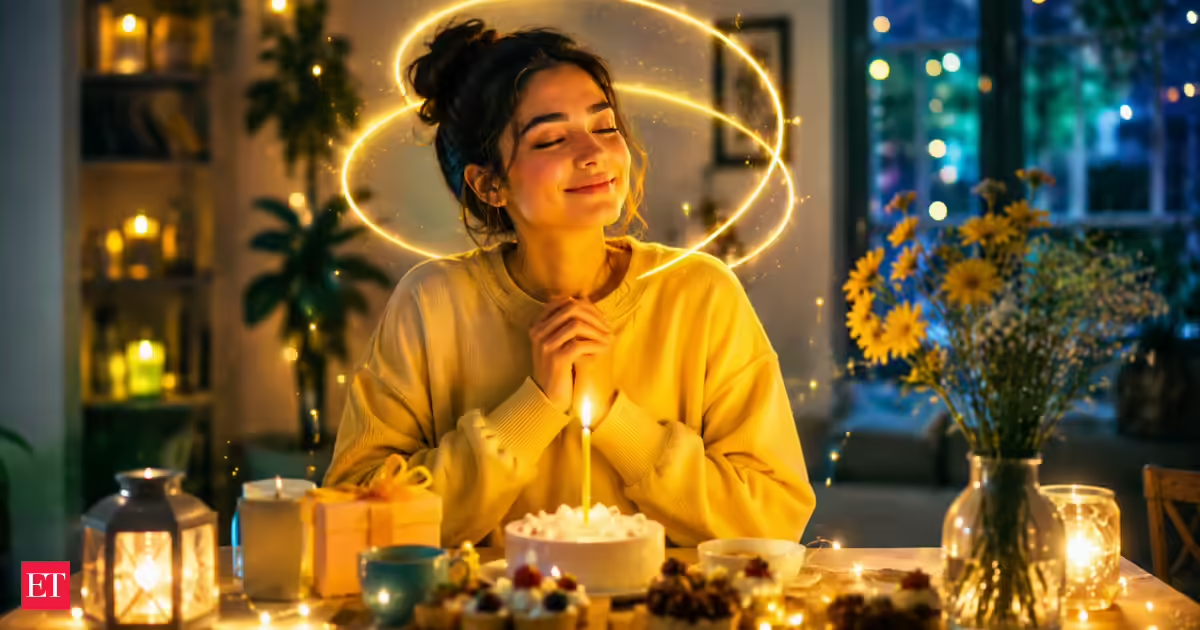
Birthdays are often portrayed as big social events. Social media is filled with surprise parties, group dinners, balloons, cakes, and dozens of birthday wishes. Because of these images, many people assume that spending a birthday alone must be disappointing. Psychology suggests that isn't always true.Some people intentionally choose to spend their birthday by themselves. They may travel alone, enjoy a favorite meal, visit a peaceful place, watch a movie, read a book, or simply reflect on the past year. Others celebrate quietly because large gatherings feel emotionally draining rather than enjoyable.Of course, not everyone who spends a birthday alone does so by choice. Some people experience loneliness, social isolation, or difficult life circumstances. Psychology encourages us to distinguish between chosen solitude and unwanted loneliness because they are not the same experience.Several well-established psychological theories help explain why some individuals genuinely enjoy celebrating alone.Autonomy is a basic psychological needOne of the strongest explanations comes from Self-Determination Theory, developed by psychologists Edward Deci and Richard Ryan. The theory proposes that people thrive when three psychological needs are met: autonomy, competence, and relatedness.You Might Also Like:For some individuals, choosing how to spend their birthday creates a strong sense of autonomy. Instead of attending events to satisfy social expectations, they design the day around activities they truly enjoy.Imagine someone spending their birthday hiking, visiting a museum, or relaxing at home with their favorite book. The happiness comes from making a personal choice rather than following tradition.Solitude can support emotional well-beingPsychologists distinguish between Solitude and Loneliness. Loneliness is the painful feeling of lacking meaningful social connection. Solitude, on the other hand, is the intentional choice to spend time alone.Research suggests that healthy solitude can improve creativity, emotional regulation, and self-awareness. For many people, birthdays become an opportunity to pause, reflect, and recharge before beginning another year of life.You Might Also Like:Introverts often recharge differentlyAccording to research on the Big Five Personality Traits, people who score higher on Introversion often regain energy through quiet environments rather than large social gatherings.That doesn't mean introverts dislike people. Many enjoy close relationships while preferring smaller, more meaningful interactions.An introverted person may choose dinner with one close friend, or no gathering at all, over a crowded birthday party. Their celebration reflects personality rather than sadness.Self-reflection increases personal growthAnother explanation comes from Self-Reflection Theory. Birthdays naturally encourage people to think about where they have been and where they want to go.Someone celebrating alone may spend time reviewing personal achievements, learning from setbacks, or setting goals for the coming year. Psychologists have found that thoughtful self-reflection can strengthen self-awareness and support long-term psychological growth.Mindfulness helps people enjoy the presentAnother helpful concept is Mindfulness. Mindfulness involves paying attention to the present moment without excessive judgment.Rather than worrying about whether others remember their birthday, mindful individuals often focus on enjoying simple experiences, a peaceful breakfast, a walk in nature, or watching the sunset. Research has linked mindfulness with greater emotional well-being and reduced stress.Social comparison can reduce birthday satisfactionPsychologist Leon Festinger's Social Comparison Theory also helps explain birthday experiences. Social media often encourages people to compare their celebrations with those of others.Someone who sees extravagant birthday parties online may wrongly assume their own quiet celebration is less meaningful. However, psychology suggests satisfaction depends more on whether the day matches personal values than on how impressive it appears to others.Celebrating alone doesn't always mean someone is thrivingIt's important not to romanticize solitude. Some people spend birthdays alone because they feel isolated, have lost loved ones, or lack supportive relationships.For them, the experience may be emotionally painful. Psychology reminds us that the meaning of celebrating alone depends largely on whether the solitude is chosen or imposed. The same behavior can reflect either emotional well-being or emotional distress, depending on the person's circumstances.FAQsIs celebrating your birthday alone unhealthy?Not necessarily. If the choice is voluntary, many people find solitude relaxing, meaningful, and emotionally restorative.What's the difference between solitude and loneliness?Solitude is a chosen experience of being alone, while loneliness is the distress that comes from feeling socially disconnected.
Psychology says people who celebrate their birthdays alone aren't isolated, they may simply be choosing solitude over loud parties
Some people intentionally choose to spend their birthdays on their own. They might take a solo trip, enjoy a favorite meal, visit a quiet place, watch a movie, read a book, or simply set aside time to reflect on the year that has passed. For them, solitude is not necessarily about being alone, it can be an opportunity for rest, reflection, and personal meaning.
670 words~3 min read