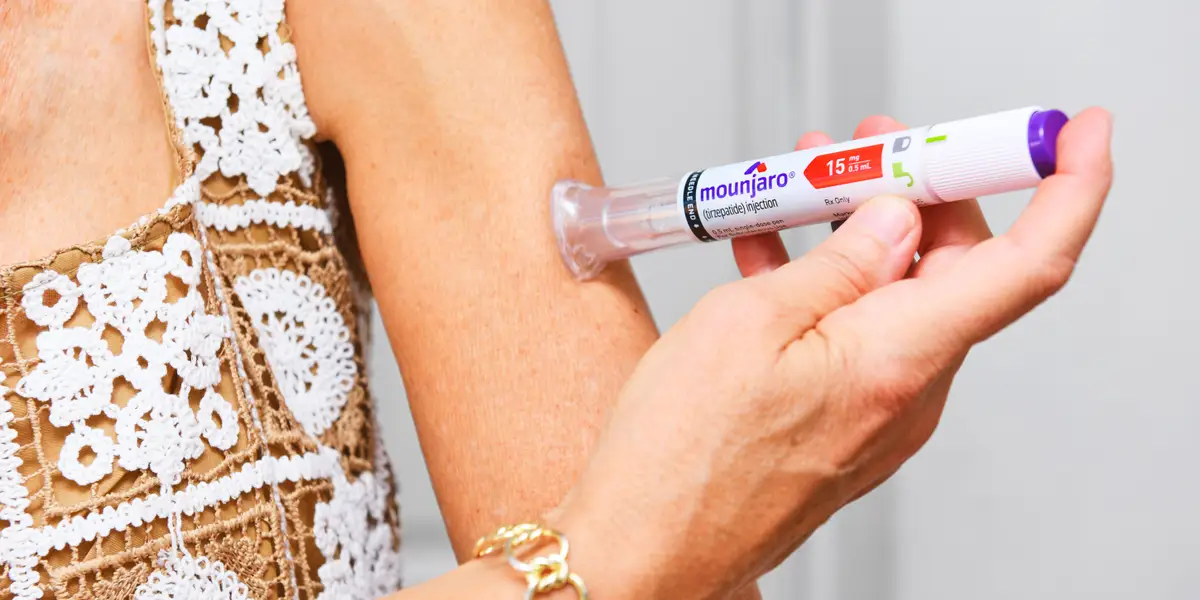
Beyond their stunning success in weight loss, drugs like Ozempic and Wegovy have been hailed by some users as having made their lives happier and improving their mental health.But new research from the University of Chicago, that followed thousands of users for more than two years, has found little evidence behind these claims.Patients’ perceived improvements to their marriage or careers largely disappeared over time, the observational paper, which has yet to be peer-reviewed, found.Still, that does not mean the drugs have no positive impact beyond physical health. The researchers believe it may just be more subtle than can be measured.“We measured outcomes like whether someone became employed or unemployed, whether they got married or divorced, and standard indicators of mental health,” Harris School of Public Policy economist Robert Kaestner said in a statement. “Those are important measures, but they don’t necessarily capture changes in self-esteem, relationship quality, or other day-to-day experiences.”A couple get married in West Palm Beach, Florida, in February 2017. While many weight loss drug users report benefits to their wellbeing while on the drugs, new research says they don’t see improvements to marriage, mental health or employment long-term (Getty)The researchers also analyzed national Medical Expenditure Panel Survey data gathered over the course of more than a decade, including nearly 8,000 observations from adult diabetes patients regarding symptoms of depression, marital status, and employment.The 2012 to 2023 survey includes more than 354,000 people but the team said more work is needed to understand broader social effects of the drugs. “This is still a very new area of research,” Kaestner said.The University of Chicago findings clash with another recent observational paper that found GLP-1 use is tied to better dating and job prospects for women who were already employed. More Americans than ever are taking the drugs, a national poll conducted by the analytics group Gallup found this week. Some 15 percent of 5,065 adults survey said they had taken the drugs at some point and 11 percent said they were currently on a drug. That’s up from 3 percent from those who said they were taking an obesity drug in 2024.A nurse injects a woman with the drug Mounjaro at a hospital in northern France in June. While the drugs offer a myriad of health benefits, they also can come with nasty side effects (AFP via Getty Images)Many users have reported feeling more confident in their skin after taking the drugs, which work by mimicking a hormone that suppresses appetite.“This medicine changed my life for the positive in all aspects of my social life, in my personal life and just how I show up for myself. It’s allowed me to be more confident in the spaces that I walk in,” Los Angeles content creator Alexus Murphy, who is on Zepbound, previously told CNN.While long-term effects of the drugs are still being studied, the shots and pills have been shown to benefit the heart and liver, and may also reduce the risk of dementia and cancer.However, the drugs also have a high fail rate due to side effects that include extreme nausea or vomiting and even blindness.
New study finds weight-loss drugs linked to unhappiness despite many health benefits
‘This is still a very new area of research,’ one economist cautioned
518 words~2 min read