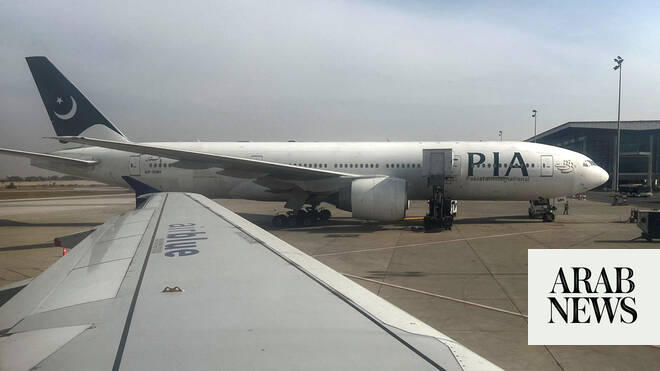
A CONTROVERSY is raging on both mainstream and social media over PIA’s recent privatisation. Unless this debate is addressed rationally, future privatisation transactions may also be at risk. Past experience offers a cautionary lesson: the Supreme Court’s decision to annul the privatisation of Pakistan Steel Mills did not revive the enterprise; instead, it led to its closure in 2015 and significantly slowed the overall privatisation process.
The popular binary often advanced — either retain enterprises under government ownership or privatise them — is flawed. Decisions regarding state-owned enterprises should be guided by pragmatic considerations rather than ideological preferences. Pakistan has 85 commercial SOEs for diverse purposes across power, oil and gas; transport and communications; manufacturing, mining and engineering; finance; industrial estate development and management; and wholesale and retail trade. Of these, 51 are currently profitable. The argument that profitable SOEs should never be divested is as untenable as the view that all 34 lossmaking entities must be privatised. Neither ownership per se nor current financial performance should solely determine policy.
The basic principle for deciding whether an economic activity should be undertaken by the government — through its departments or through an SOE — rests on two questions: a) does the activity fall within the government’s public policy framework? b) Can it be adequately performed by the private sector?