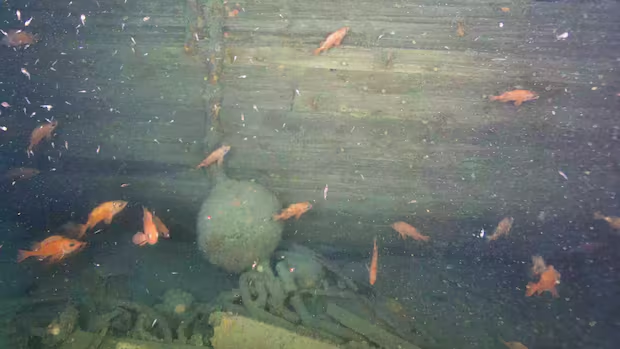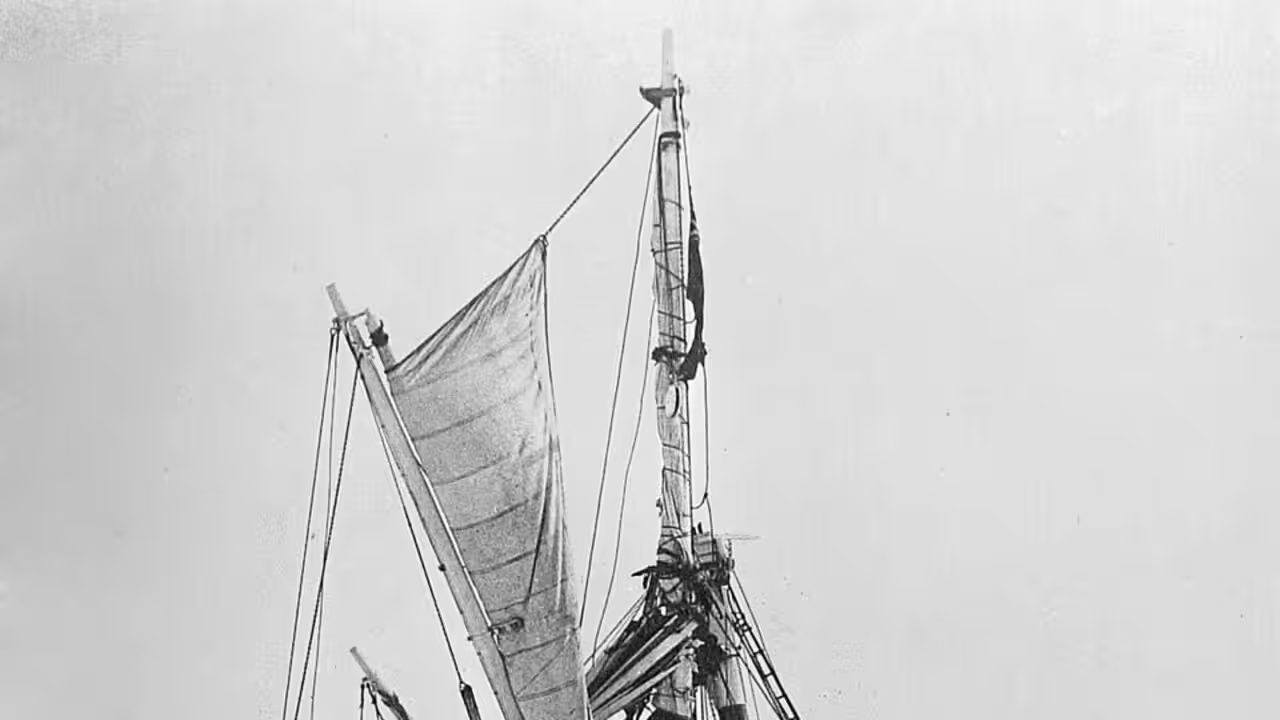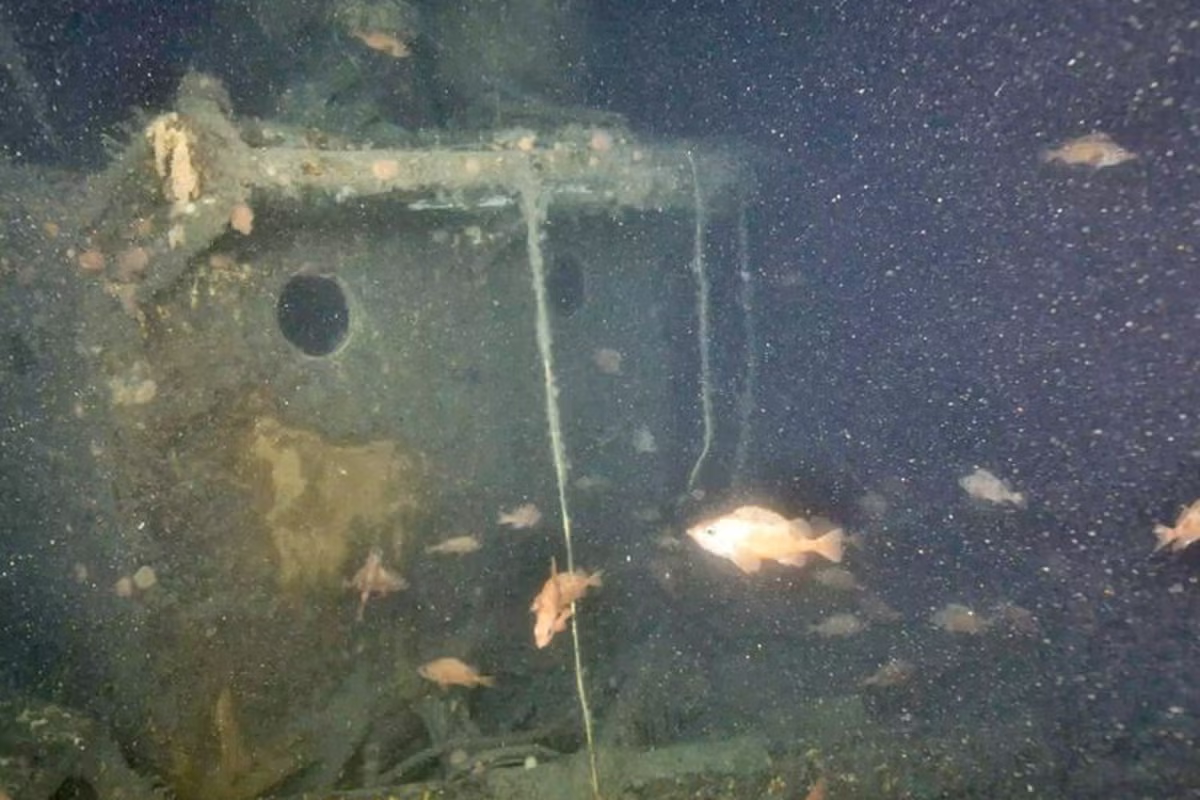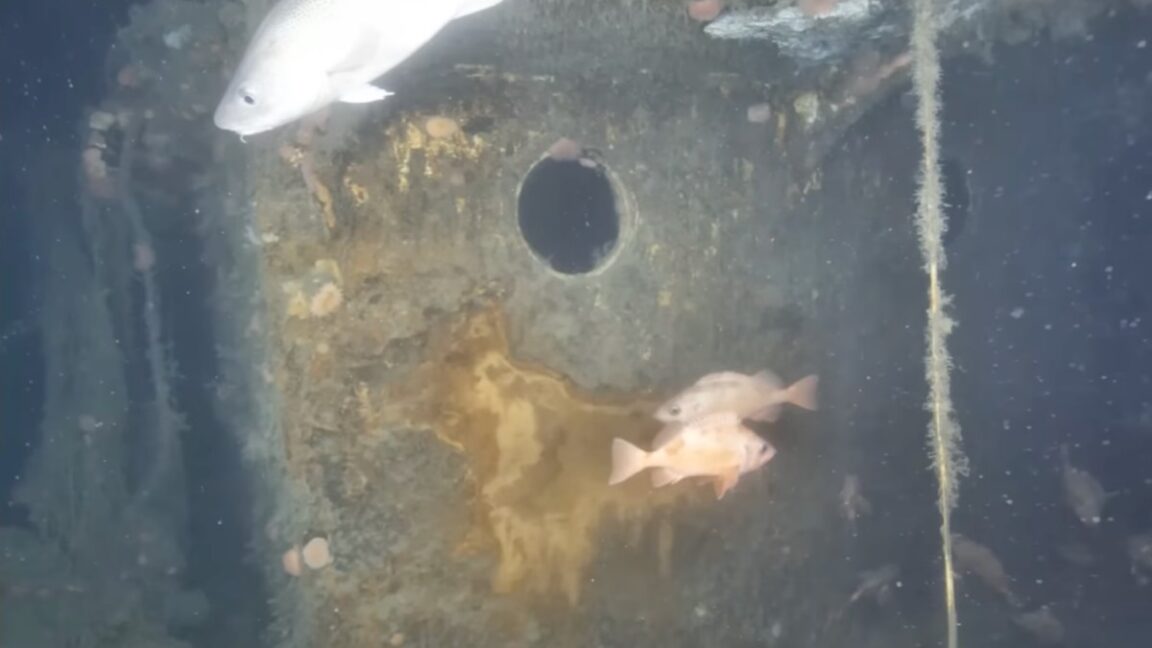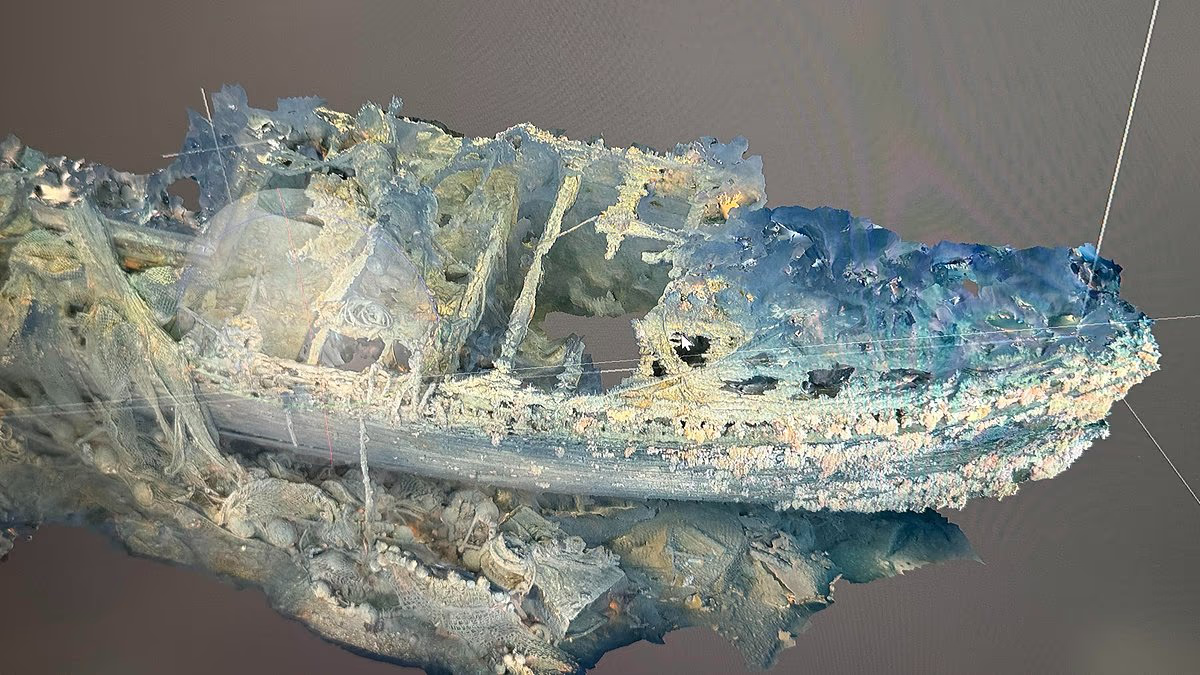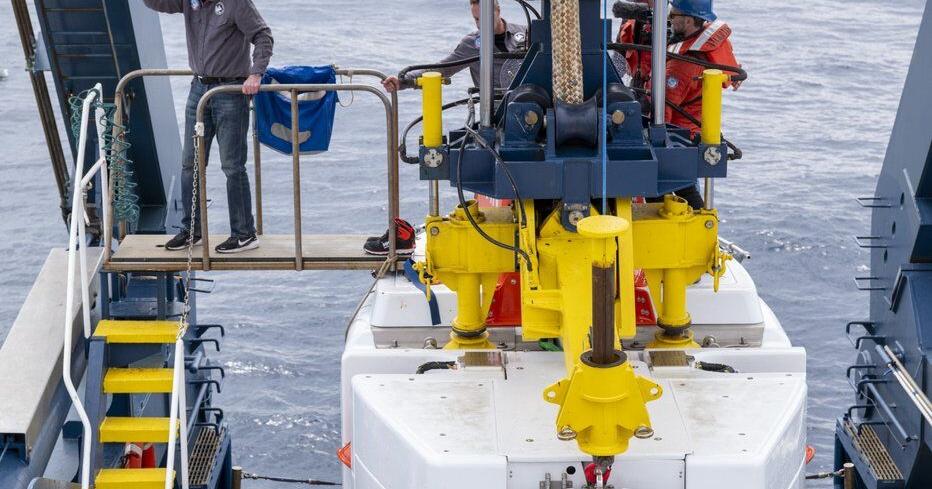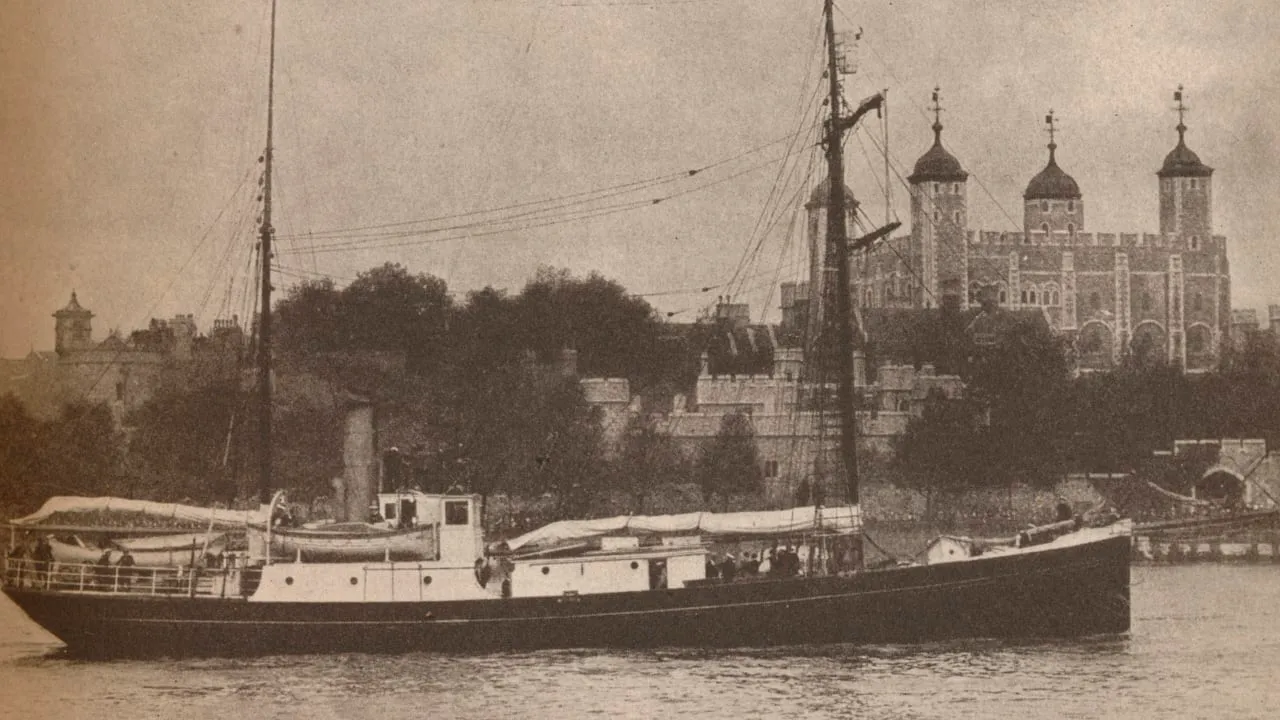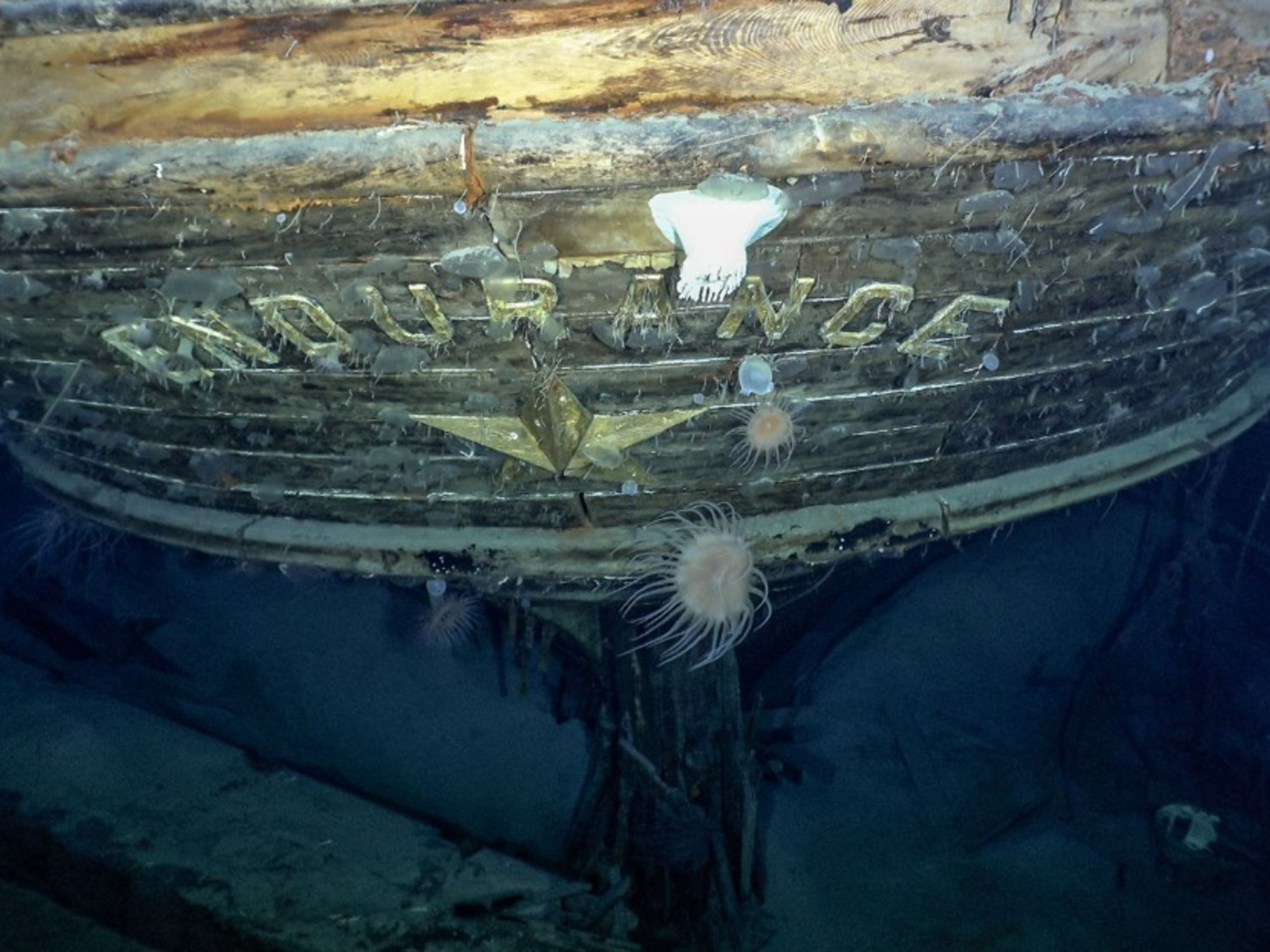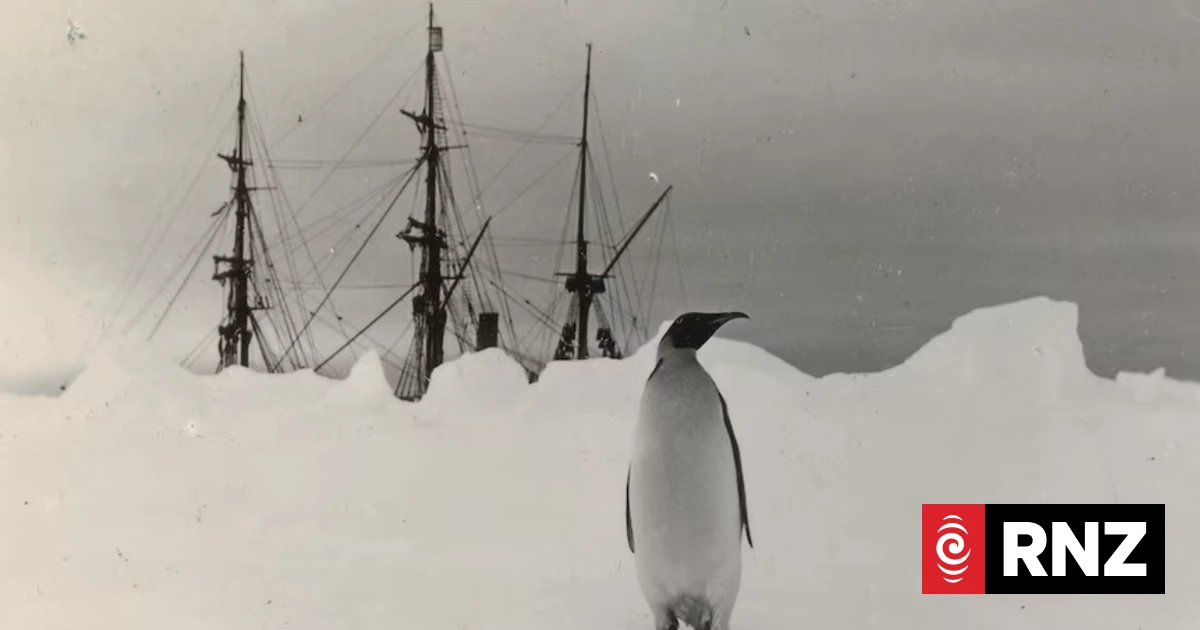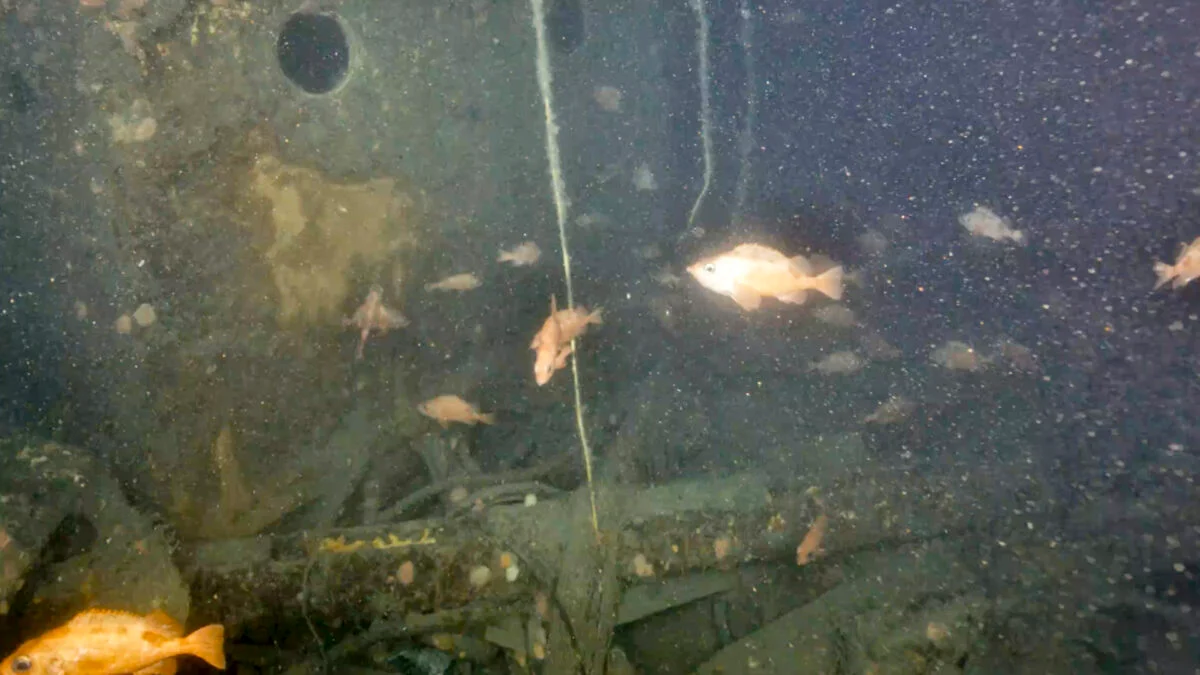
In 1921, legendary explorer Ernest Shackleton embarked on what would become his final polar expedition. Unfortunately, Shackleton died on the ship, Quest, before entering Arctic waters. After a few side quests, Quest sank off the coast of northeastern Canada, where it would stay trapped underwater, hidden from sight since 1962—until now. A “once-in-a-generation” expedition led by the Royal Canadian Geographical Society (RCGS) has successfully discovered and photographed the wreck of Quest. Remote vehicles operated by the Woods Hole Oceanographic Institution (WHOI) found the ship about 1,280 feet (390 meters) below the Labrador Sea. The wreck site has “become a stunning oasis of life on an otherwise barren seafloor,” but after more than 80 years, the ship is recognizably the same vessel that witnessed Shackleton’s final days, reported Canadian Geographic, a magazine affiliated with the RCGS. “Quest was not a large ship, but it looked huge to me,” John Geiger, RCGS CEO and the leader of the expedition, told Canadian Geographic. “It’s a very moving experience to think that Shackleton was striding around that deck.”
An unsatiated thirst Sir Ernest Shackleton was a central figure in the Heroic Age of Antarctic Exploration near the end of the 19th century. During this time, explorers around the world dared to traverse the freezing seas to conquer the Antarctic continent. Shackleton wasn’t able to become the first person to reach the South Pole (that was Norwegian explorer Roald Amundsen), but Shackleton’s multiple journeys of the southern seas paved the way for Antarctic expeditions and science.