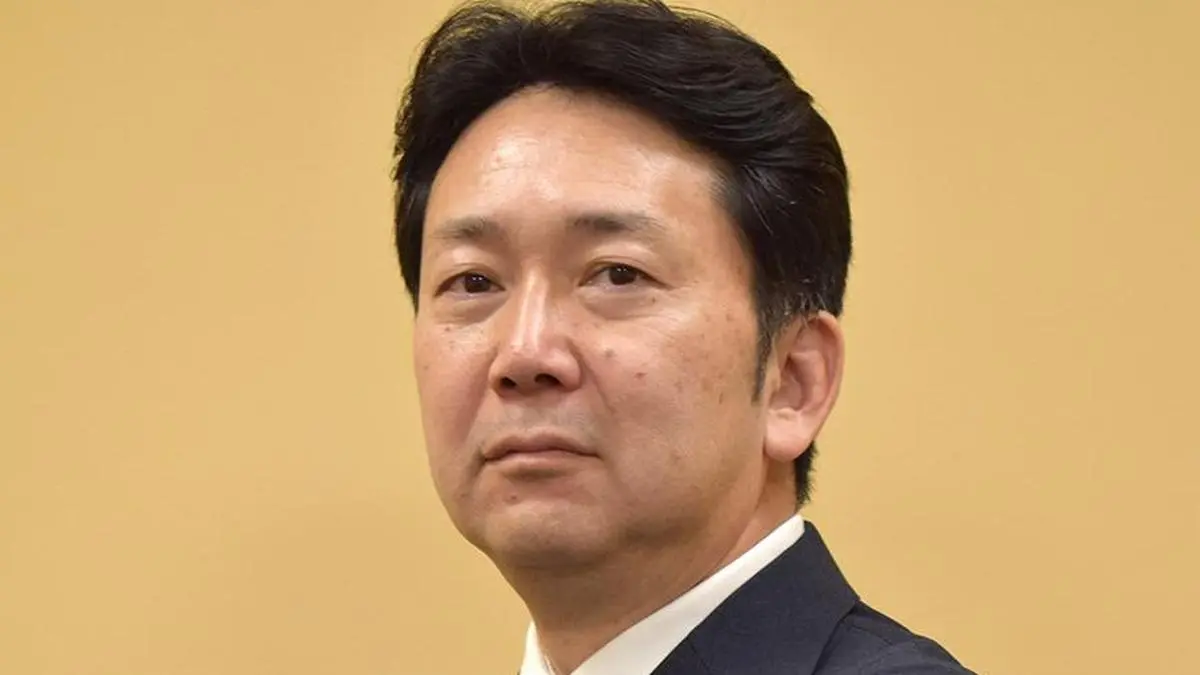
(file photo)Tsutsumu Otani, President & CEO, Honda Motorcycle & Scooter India
Electrification in premium motorcycles is still at an early stage globally and for India too, customer usage patterns, charging convenience, riding range, and price-value balance are important factors, a top official at Honda Motorcycle & Scooter India (HMSI) has said.“Honda will continue to evaluate the right solutions for Indian customers while leveraging its global technology capabilities...Customer preference will continue to play an important role as mobility choices evolve. We believe long-term growth and sustainability will be driven by a multi-pathway approach, including internal combustion engine (ICE), electric vehicles (EVs), and alternate fuel technology,” Tsutsumu Otani, President and Chief Executive Officer, HMSI, told businessline.He said it was customer who has to decide which powertrain provides more benefit or convenience – whether ICE, EVs or even flex fuel also now – and Honda will continue investment in all categories, accordingly.HMSI launched two electric scooters last year -- Activa E and QC1 – but the company is far behind its competitors such as Hero MotoCorp’s Vida, TVS Motor Company, Bajaj Auto, and Ather Energy.As per industry data, the company sold only 318 units of the Activa E, and 2,773 units of the QC1 in the financial year 2025-26 (FY26), where as TVS sold 3,67,501 units of its iQube, Bajaj sold 3,02,674 units of the Chetak, Ather sold 1,98,577 units of the Rizta and Vida sold 1,48,478 units of the Vida range of scooters.Steady progressTalking about flex-fuel and ethanol blended vehicles, Otani said India is making steady progress on ethanol blending and related infrastructure, but at the same time, wider customer adoption will depend on the continued development of fuel availability, regulations, and market readiness.“We already have global experience in flex-fuel technologies, and we are carefully aligning our readiness with developments in infrastructure, regulations, and market conditions in India,” he said declining to comment on any timeline for the products.Asked about current industry trends on urban and rural markets, he said both growing in demand and the difference was that in the urban areas, the requirement is for high-specification models and not only for commuting, but for some added value.“For example, in Bengaluru, because of very heavy traffic jams, car owners want to buy a motorcycle or scooter for short trips or commuting, but those car owners want premium/ additional value,” Otani noted.Published on July 9, 2026