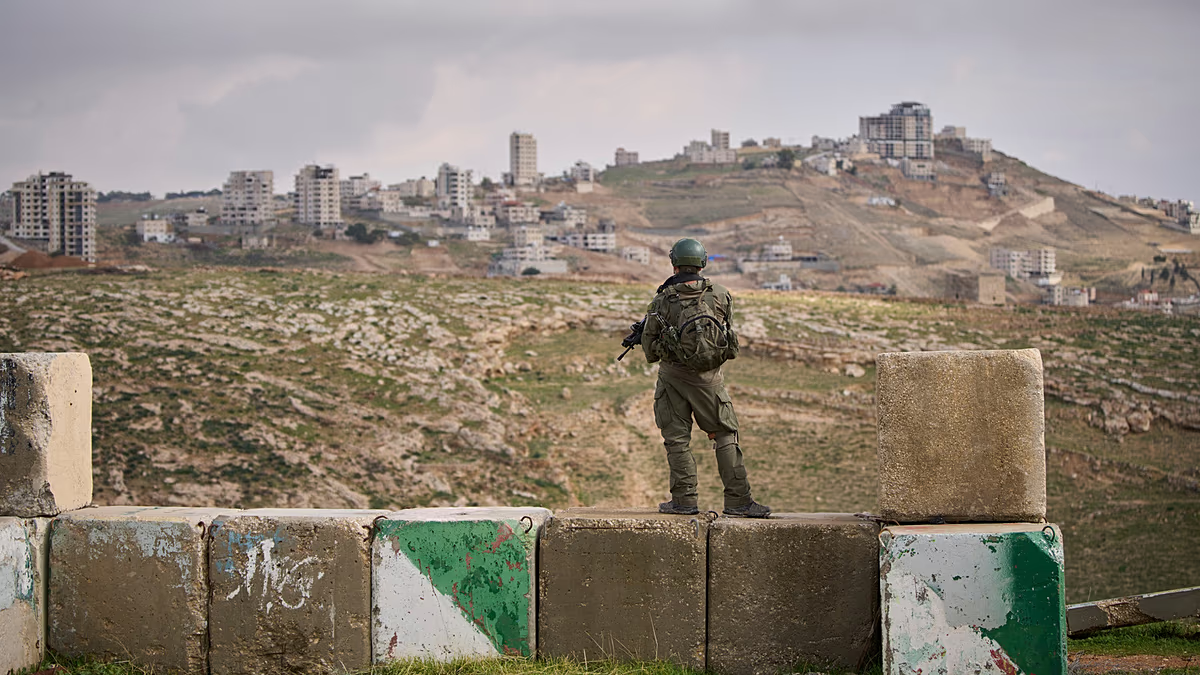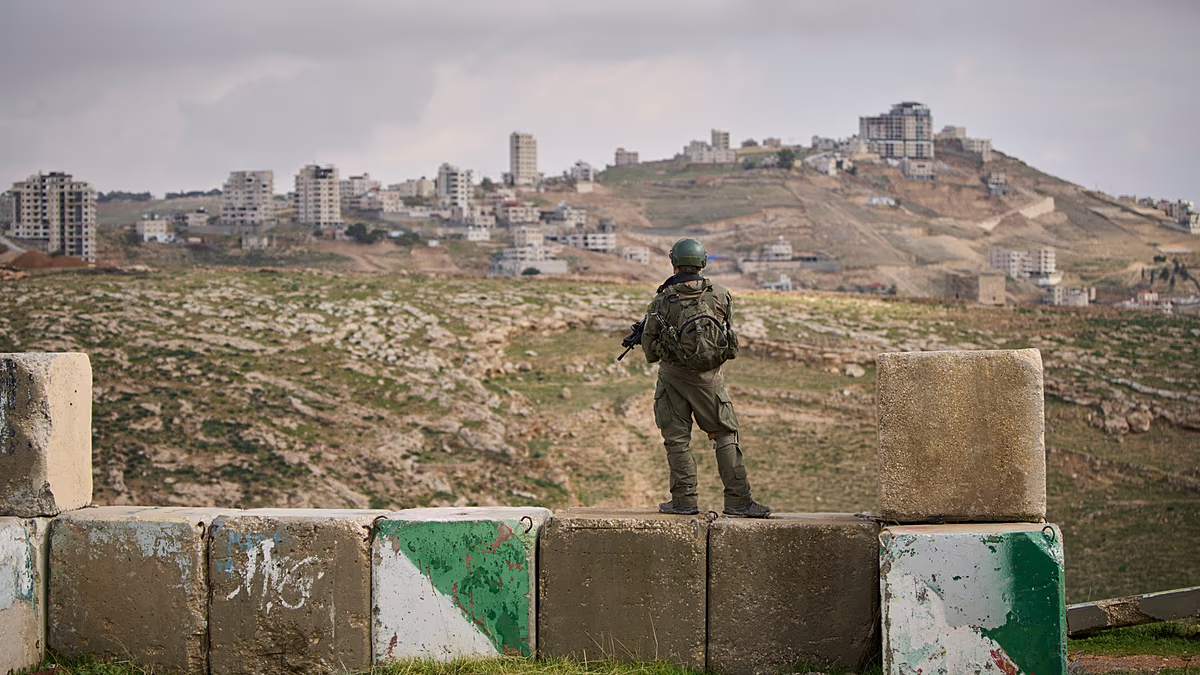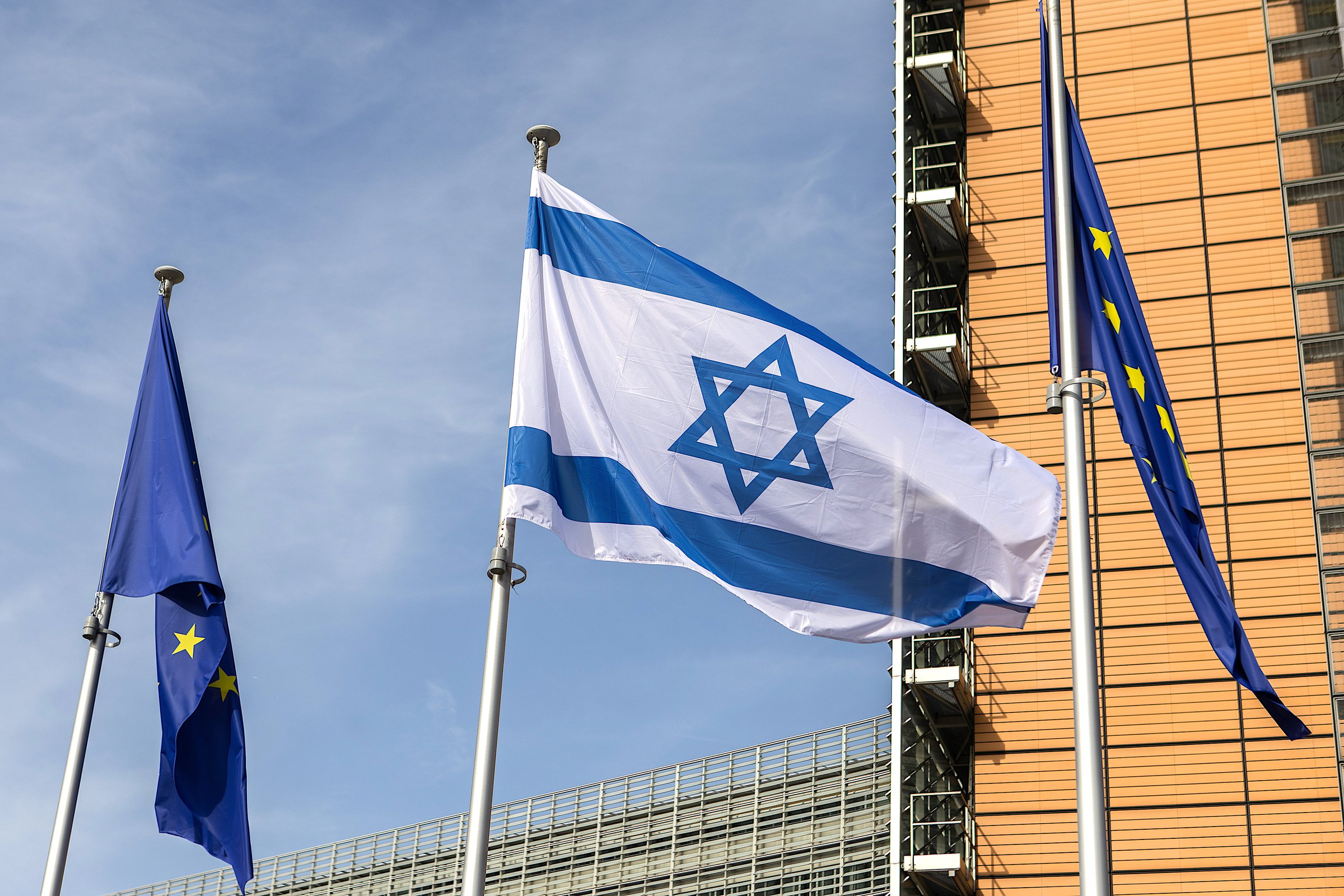
The European Union could introduce a “partial or total” ban on trade coming from illegal Israeli settlements, or levy prohibitively high tariffs on imports, according to a confidential paper circulated to national governments. The European Commission, the union’s powerful executive arm, has presented options to governments detailing how the EU could penalise Israel for the continuing expansion of settlements in the West Bank and other occupied Palestinian lands. The internal paper, seen by The Irish Times, said options included an EU-wide ban on trade coming from illegal settlements, to levy steep tariffs on any goods sold into the European market, or set up a licensing system controlling and restricting imports. The commission paper cautioned that EU action against Israeli settlements could end up “further exacerbating political extremist positions in Israel,” and create “hostility” towards Israel, or a “surge” in anti-Semitism. Foreign ministers had pressed the EU executive to draw up a series of possible options to curb trade coming from settlements in occupied Palestinian territories and will discuss the paper in a meeting in Brussels on Monday. The EU could “introduce a partial or total prohibition on the import, transit, marketing, and distribution of any goods originating from the illegal settlements,” the paper said. The commission’s options paper said the EU could use tariffs as another way to cut off trade with Israeli settlements. “These tariffs could be set at prohibitively high levels, rendering the import of settlement goods economically unviable and effectively excluding them from the EU market,” noted the internal document. The Republic, the Netherlands, and Belgium have separately pursued national legislation to ban trade coming from occupied Palestinian territories. Brussels officials said the EU could alternatively introduce an “import licensing system” for goods originating in the illegal settlements, meaning companies would have to apply for a licence to export products into the EU market. It is a long-standing EU position not to recognise Israel’s sovereignty over territories it occupied since 1967 in the West Bank, East Jerusalem, Gaza and the Golan Heights. Goods produced in Israeli settlements do not benefit from the terms of an EU-Israel free trade deal and instead are charged tariffs when imported into European countries. The EU is Israel’s largest trading partner and accounts for 31 per cent of the country’s total trade in goods. The amount of exports from illegal settlements in occupied territories is small, with some estimates suggesting they account for 0.5 per cent of total trade from Israel to the EU market. The commission’s paper said it was likely there would be ways businesses in Israeli settlements could circumvent any trade ban or restrictions, by masking products sold to the EU as exports coming from Israel. The paper said the EU could rely on trade policy to effect a ban or tariffs, which would need to be supported by a weighted majority of the 27 national governments, or as a foreign policy sanction, which requires unanimous agreement. It is highly likely the Czech and Hungarian governments, two staunch defenders of Israel, would block any proposal that needs the support of all 27 member states. However, the commission’s paper appeared to question whether the EU could rely on trade powers to effect a ban or restrictions on imports from occupied territories. The proposals “would appear to seek to promote a change of conduct of the Israeli government”, the document said. The relatively small amount of trade coming from settlements meant the proposals were not likely to be seen as an attempt at “economic regulation”, but “the pursuit of a foreign-policy objective, namely increasing the costs for Israel of expanding illegal settlements”, the paper said.
Proposed EU options to sanction Israeli settlements include ‘partial or total’ trade ban
Confidential paper tabled by European Commission sets out possibilities for cutting trade coming from occupied Palestinian territories
604 words~3 min read