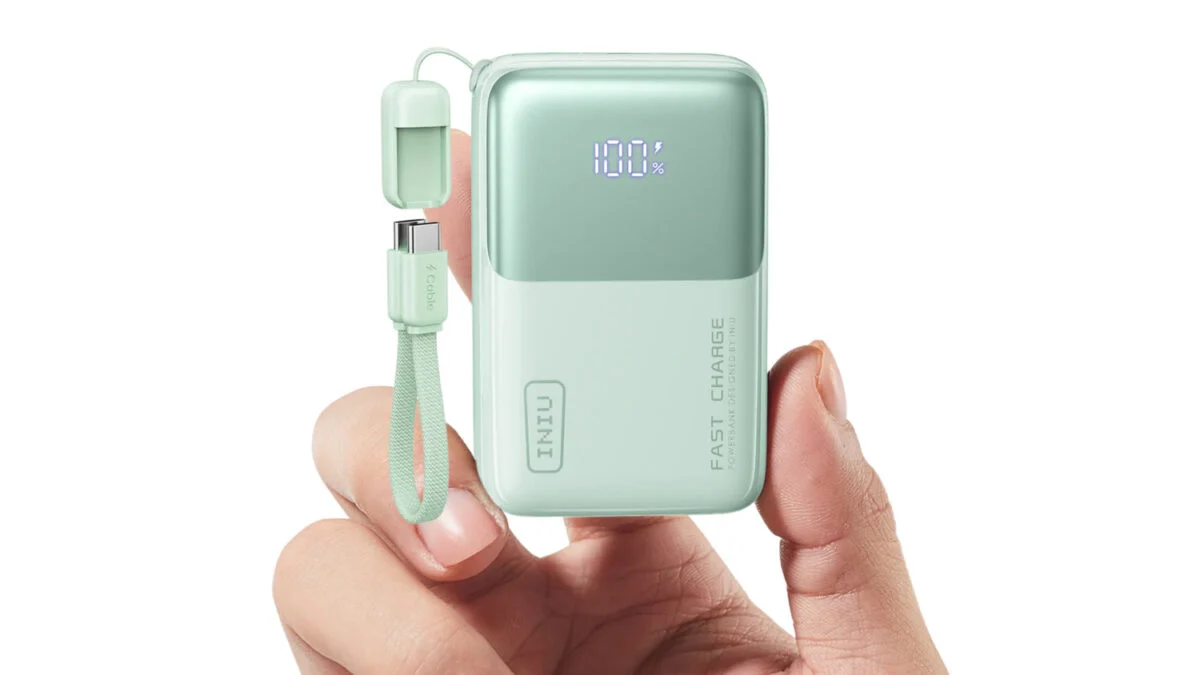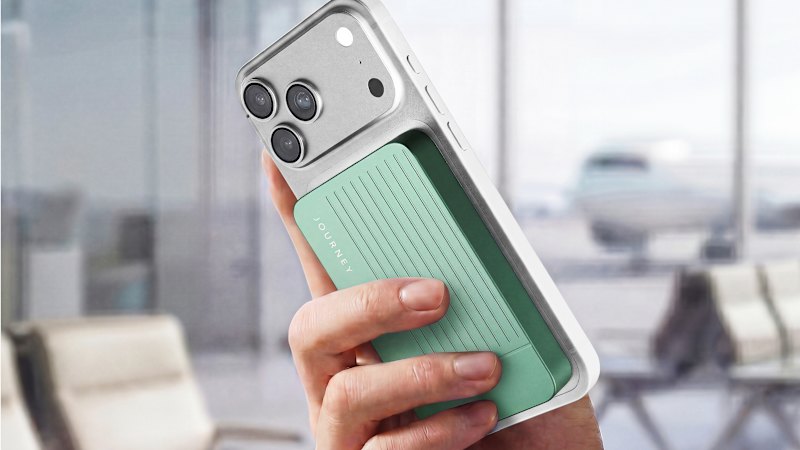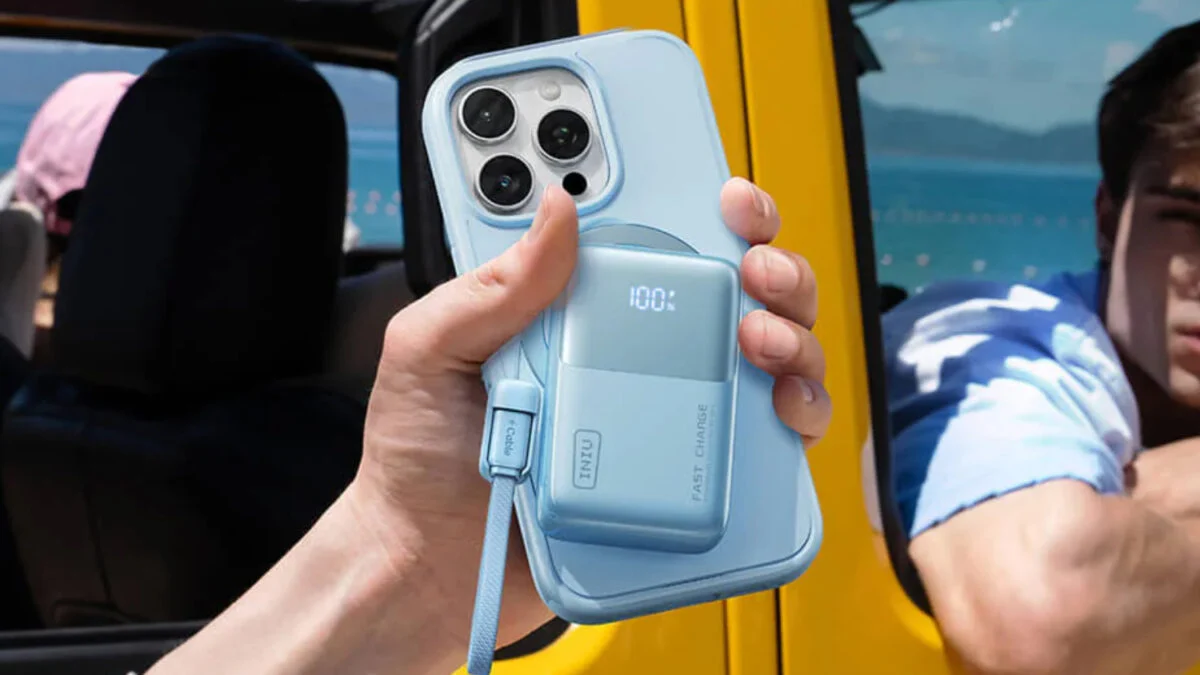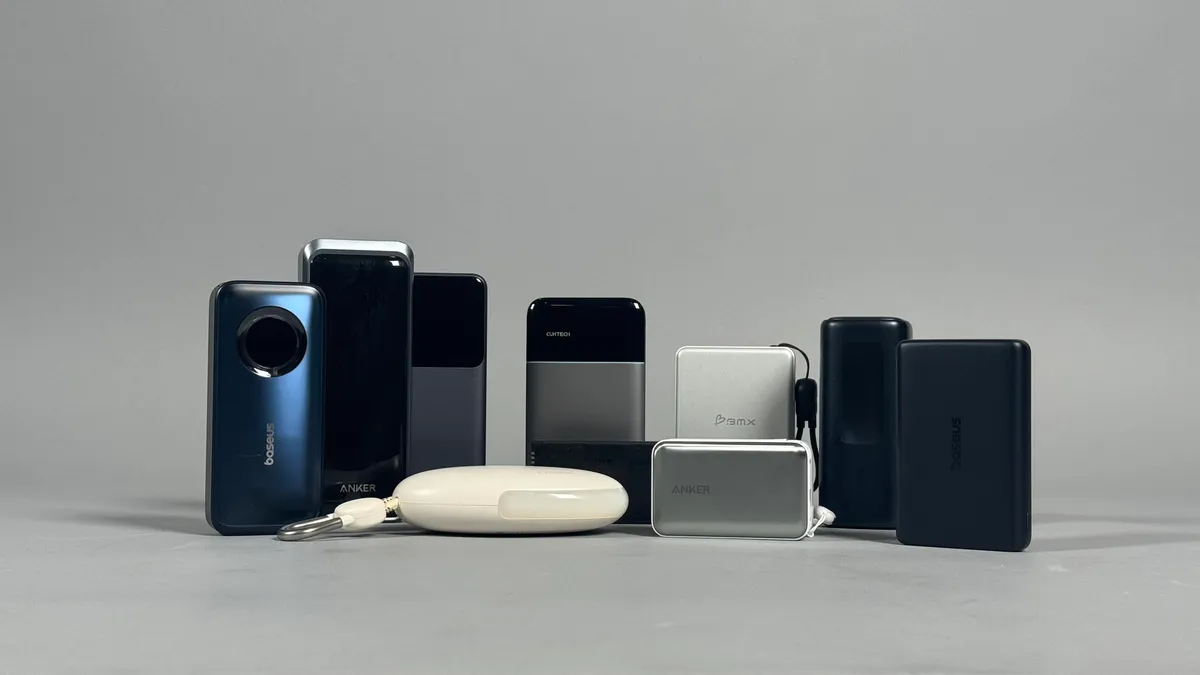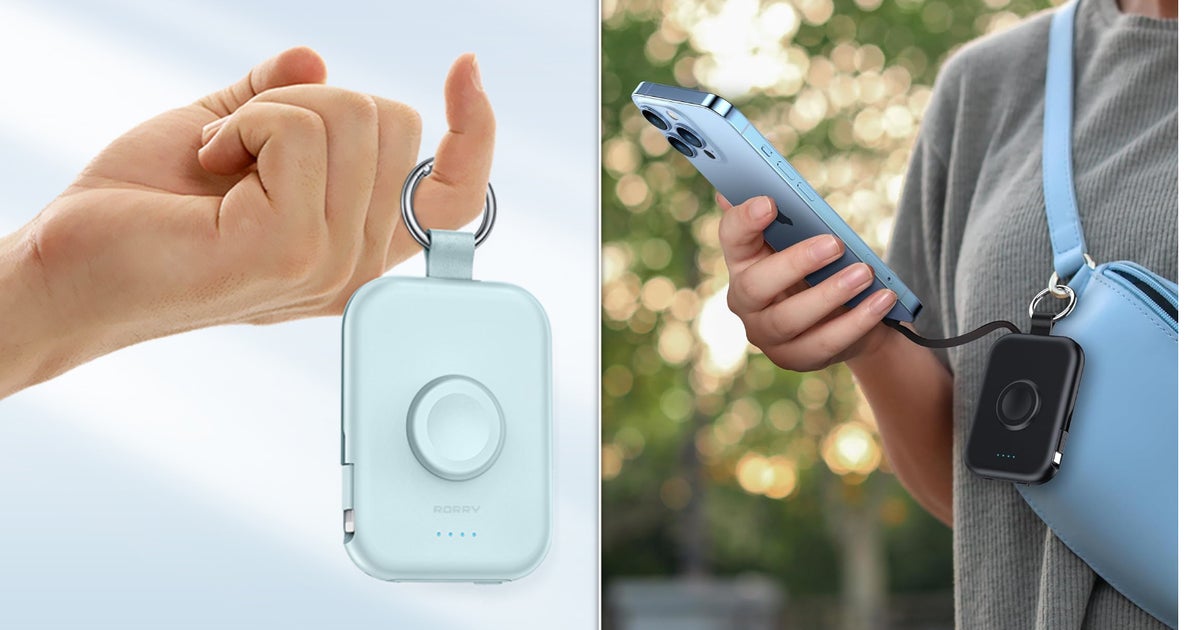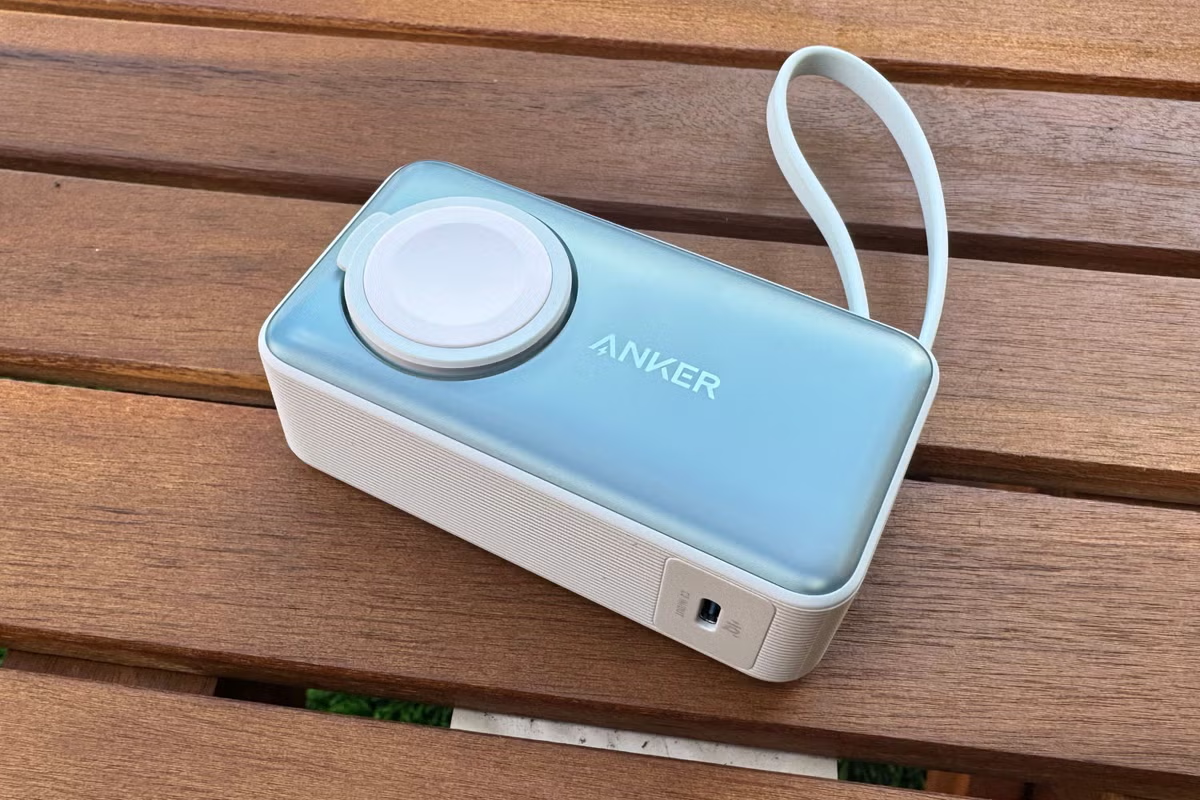
Your questions about power banks answeredWhat is the best power bank? If you want something cheaper and lighter, Iniu’s P41-E2 is a another more affordable option. It’s not quite as smart, but the price is hard to beat. The Iniu pocket rocket P50 adds a display if you want a bit more control, but either way, both Iniu models are great for everyday use. If you’re an iPhone user and want a MagSafe-compatible model, I also love the Iniu magnetic charging power bank.I’ve tested plenty of power banks over the years, and my standards are pretty high. Each one in this round-up was judged on how quickly and reliably it charged everything from dead phones to tablets to laptops. I timed how long they took to reach 50 per cent and full charge, and tracked how many complete recharges they could deliver before needing to be plugged in themselves.I’ve stuffed them into my coat pockets on dog walks and while playing Pokemon Go (a game that’s a notoriously good power bank test), taken them on hikes across Europe where I’ve had zero access to plug sockets, crammed them into plane seat-back pockets, and jammed them into all kinds of rucksacks and backpacks. Don’t try this at home, but one even survived being dropped down the toilet. When testing power banks, I considered everything from value for money to how cumbersome the pack itself was to hold and carry. To ensure a fair test, I used the chargers on multiple brands and types of smart devices and, as listed below, gave them a 360-degree assessment. Here’s everything I took into consideration:Charging speed: I measured how quickly each power bank recharged a range of devices, including phones, tablets and laptops.Capacity: I looked at both the milliampere-hour (mAh) and watt-hour (Wh) ratings to get an accurate picture of how much energy each bank actually stores, and to check whether it’s airline compliant. But more important than that, I paid close attention to the wattage (W) — because this is what decides how quickly a bank can charge your devices, and whether it can handle larger kit like laptops as well as phones. Knowing both the max output and input is critical in determining whether it can fast-charge both your devices and the power bank itself.PPS support: This is a crucial spec for Samsung Galaxy and Google Pixel owners. If you have a Galaxy Ultra or Pixel XL phone, you’ll need to look for a power bank that supports Programmable Power Supply, or you won’t get the fastest charging speeds. Portability: Power banks need to be portable. You can’t be lugging an entire power station around in your backpack, so I assessed the pocket-friendliness, weight and suitability for travel.Build and durability: Power banks get scuffed up against keys, phones, and headphone cases, so bonus points to those that had particularly durable design and could survive an accidental drop or rubbing up against the other devices in my bag. Extra features: Things like built-in cables, digital displays, multiple ports, pass-through charging and fast-charging really make a difference when it comes to picking a power bank.Can you take a power bank on a flight?Absolutely; I always bring a power bank with me when I travel. You can take a power bank in your hand luggage, but it has to be under 100Wh (watt hours). Most 10,000mAh and 20,000mAh power banks are well within the limit and perfectly fine to travel with. Just remember that you’re not allowed to pack them in your checked luggage. Every power bank I’ve chosen for this review is safe to fly with. Should I buy a 20,000mAh or a 10,000mAh power bank?Personally, I prefer 20,000mAh power banks. They last longer, charge more devices and often come with higher maximum outputs. If I’m heading out for the day or going away for the weekend, I’d rather carry one larger power bank than worry about charging up a smaller one halfway through. The trade-off is the bulk, but it’s usually not much more than the bulk of a 10,000mAh power bank.That said, 10,000mAh power banks are good if you want something really compact. They’ll usually give you around one to two full phone charges, depending on your device, and they’re easier to slip into a pocket, so they’re great for taking on a commute or night out. However, if you’re choosing between the two, I’d go with a 20,000mAh every time. What is the best size power bank for travel?For most people, 20,000mAh is the sweet spot. It gives you plenty of power without being too bulky, and it’s still small enough to take on a flight. If you’re going ultralight or don’t mind having just one or two charges each time, 10,000mAh will do the job. Anything above 25,000mAh starts getting heavy and overkill unless you’re packing for seriously long-haul trips. Any 5,000mAh power banks or less are just too small – you’ll barely get anything from them, and they’ll probably charge your phone really slowly.How many watts do I need for fast charging?Wattage makes a big difference if you want fast charging. For iPhone users, look for a power bank that can deliver at least 20W of power over USB‑C, which is what the iPhone 8 through to the latest iPhone 16 require in order to fast charge. Samsung Galaxy and Google Pixel phones are a bit more demanding: 25W to 30W is ideal for fast charging most models, though newer Galaxy Ultra phones can go even higher.Samsung Galaxy users need a little more. The Galaxy S25 and S25 FE support up to 25W fast charging, while the S25+ and S25 Ultra can charge at up to 45W, but only if the power bank supports PPS (Programmable Power Supply) and you’re using a 5A USB‑C cable. Not every power bank supports PPS, but all but one on this list do. The only one here that doesn’t support Samsung’s PPS is the Anker MagGo power bank, which is designed for Apple devices anyway.Google Pixel users should also keep an eye on PPS support. The Pixel 9 and 10 can fast-charge at 30W, and the Pixel 9 Pro XL and Pixel 10 Pro XL can charge at up to 37W and 39W, but only when paired with a PPS-capable charger that can deliver enough power.Why you can trust IndyBest reviewsIndyBest is The Independent’s reviews section, where experts examine products to see if they actually live up to their marketing claims. Alex Lee is a senior tech critic at The Independent. He’s been reviewing gadgets since 2017, with a particular interest in battery tech, new charging formats and fast-charging innovations. Always curious about what’s next in power delivery, he’s been testing and reviewing the best power banks for IndyBest since 2021.Looking for a new handset, too? Read our tests of the best mobile phones
9 best power banks for charging on the go, tested on iPhone, Android and more
Stay powered up on the go with these top-rated power banks
1,140 words~5 min read