An interview in a Sunday newspaper with the development minister, Vasso Papandreou, in 1998 bore the title “Fighting the scourge of casinos.” It was in the third year of Costas Simitis’ first term as prime minister, and the issue of casino licensing was becoming a serious headache for the governing PASOK party.
Although licenses were granted for different parts of Greece, public opinion was focused on a plan to grant a license for the first casino within the metropolitan Athens area, which was to be located in Flisvos, an area in the southern seaside suburb of Paleo Faliro. The license was eventually revoked, even though it had been given the green light in Parliament by both PASOK and New Democracy, the main opposition party at the time.
For more than half a century, the operation of casinos within residential areas in the capital had been a taboo for Greek society, but also for the country’s political establishment, which believed that an easy-to-reach casino would constitute an unnecessary temptation for Athenians vulnerable to gambling.
Changing sentiment
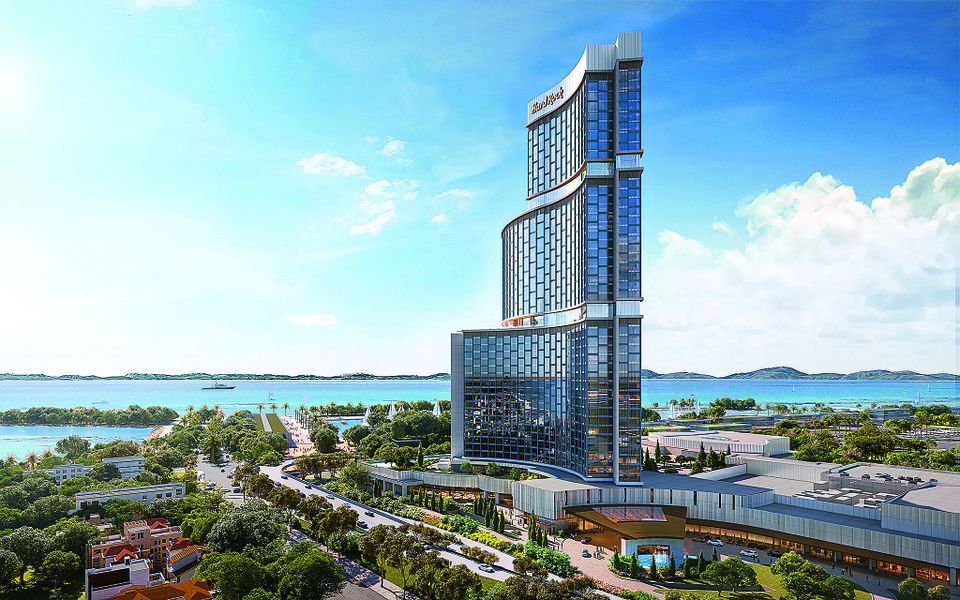
The shift in sentiment came in 2017, paradoxically during the coalition government of leftist SYRIZA and its right-wing partner Independent Greeks (ANEL), when a legislative amendment made it possible for the Regency Casino Mont Parnes to be relocated from Mount Parnitha into the city. The aim was to address the increasingly difficult traffic problem on the road to the casino and the unfair competition that would inevitably emerge once a new casino opened at the massive residential, business and leisure complex being developed on the site of the former international airport at Elliniko, a suburb on the capital’s southern coast.