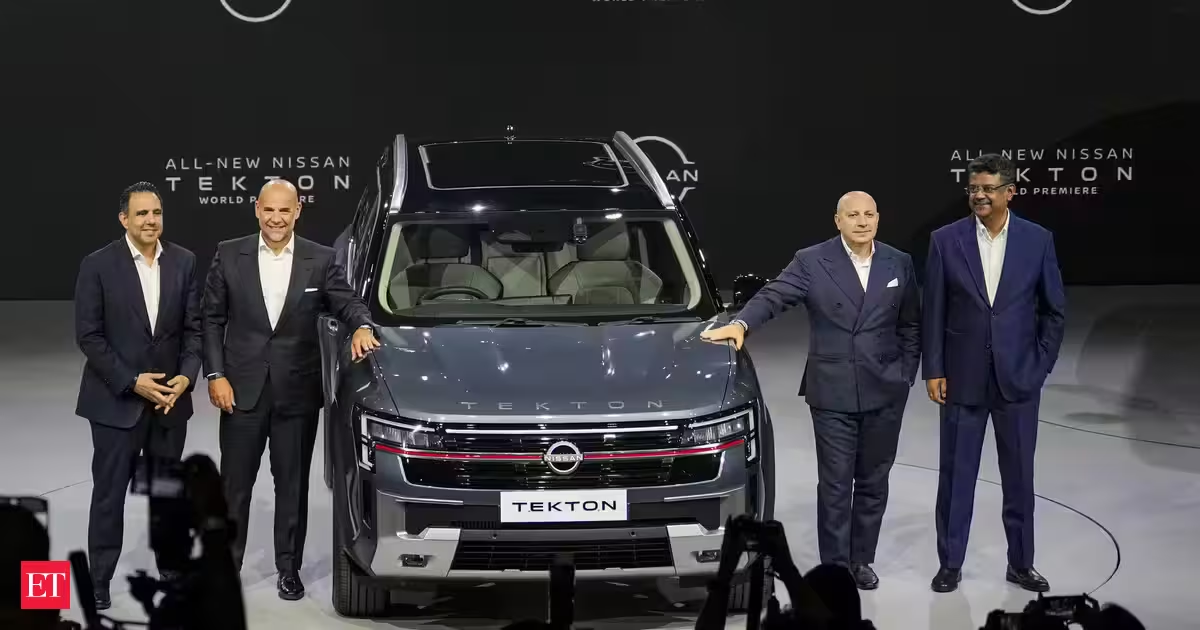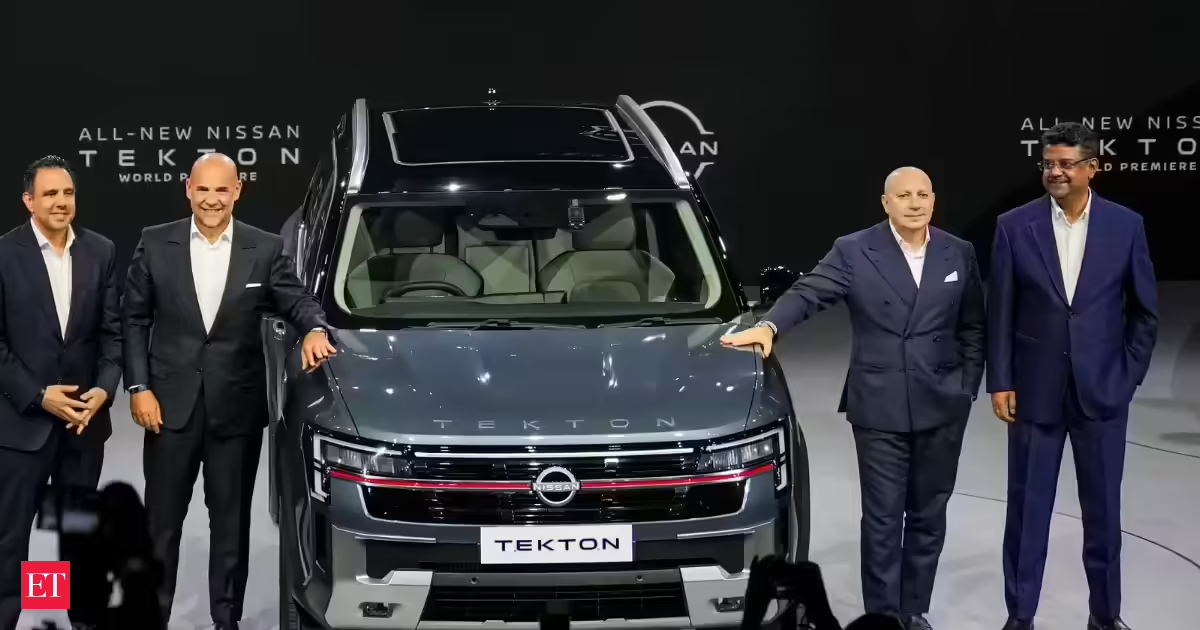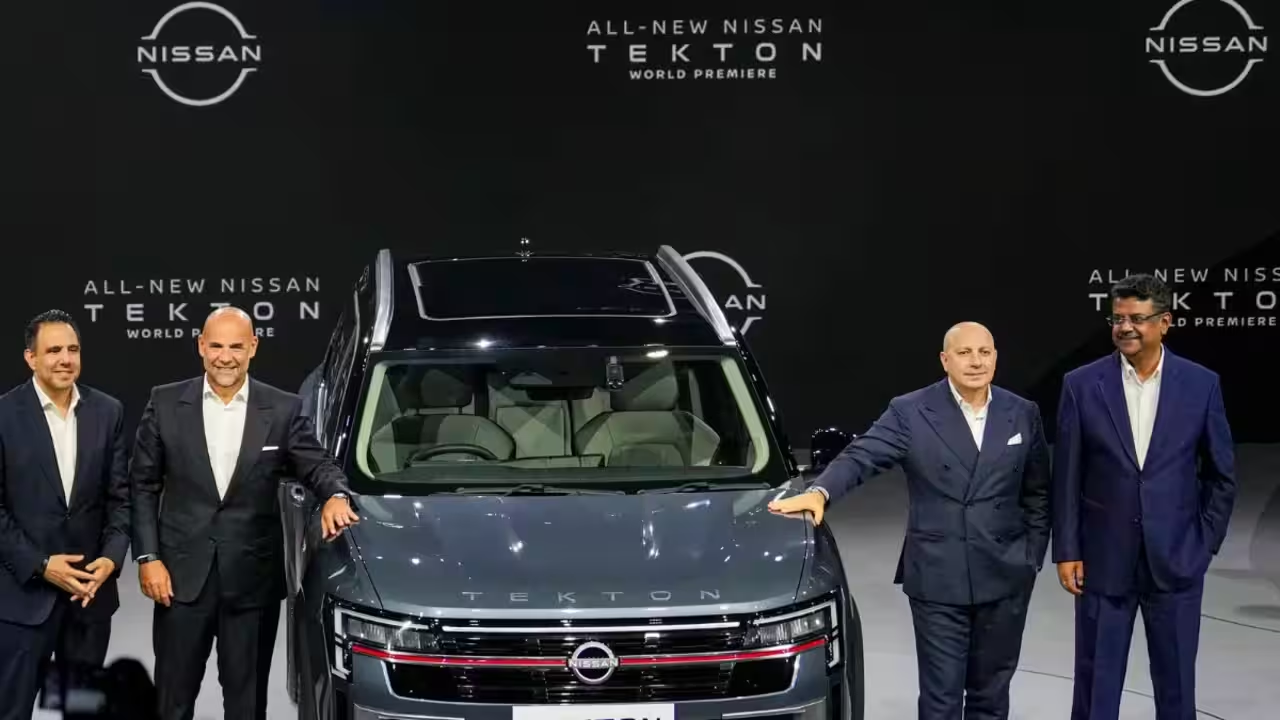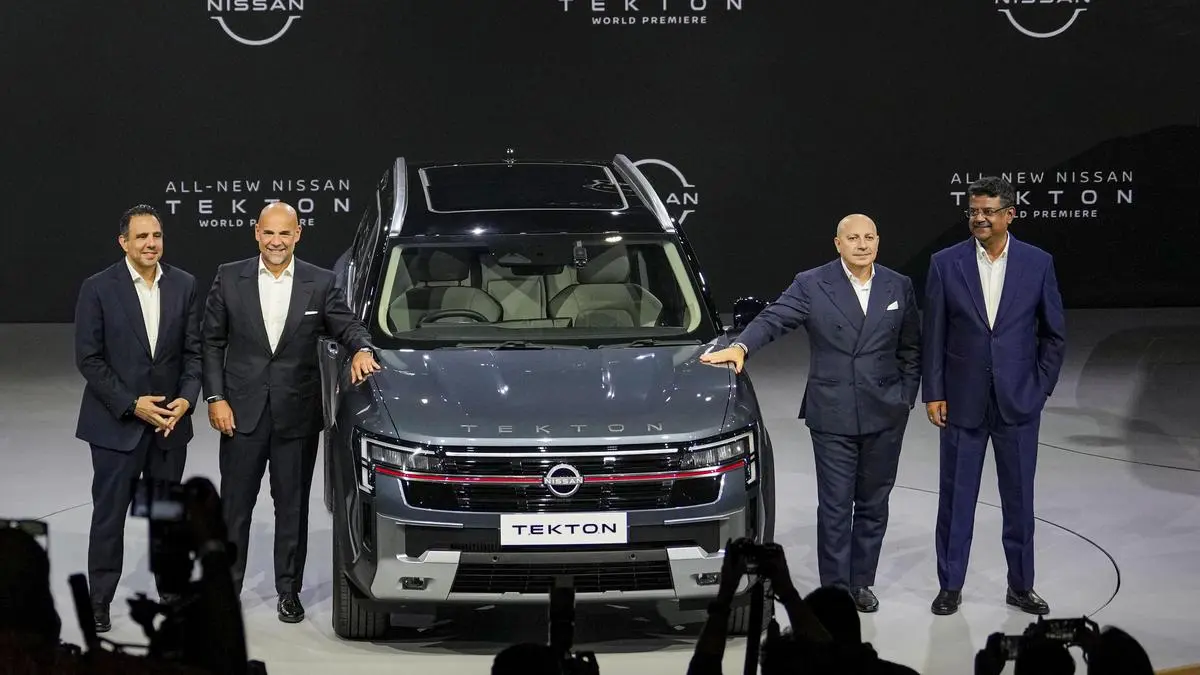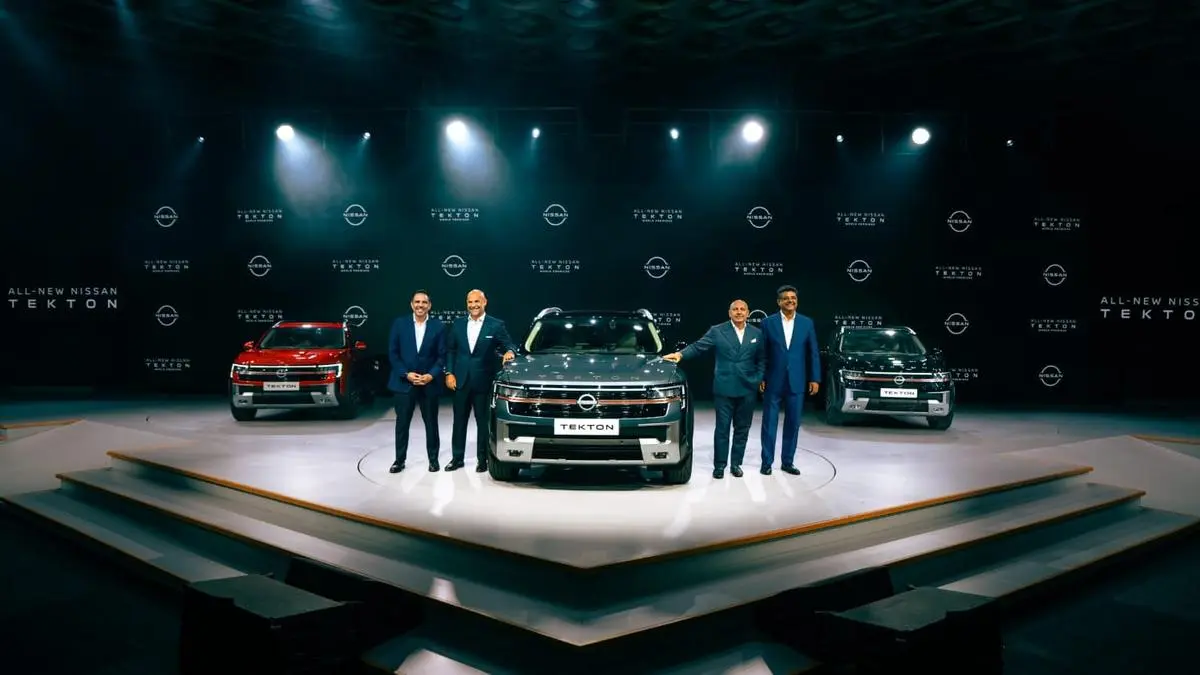
L-R Thierry Sabbagh Divisional Vice President and President, Middle East, Saudi Arabia (KSA), Commonwealth of Independent States (CIS), and India - Nissan and INFINITI, Guillaume Cartier Chief Performance Officer, Massimiliano Messina, Chairperson for Nissan’s Africa, Middle East, India, Europe and Oceania (AMIEO) region and Mr. Saurabh Vatsa, Managing Director Nissan Motor India Pvt Ltd.
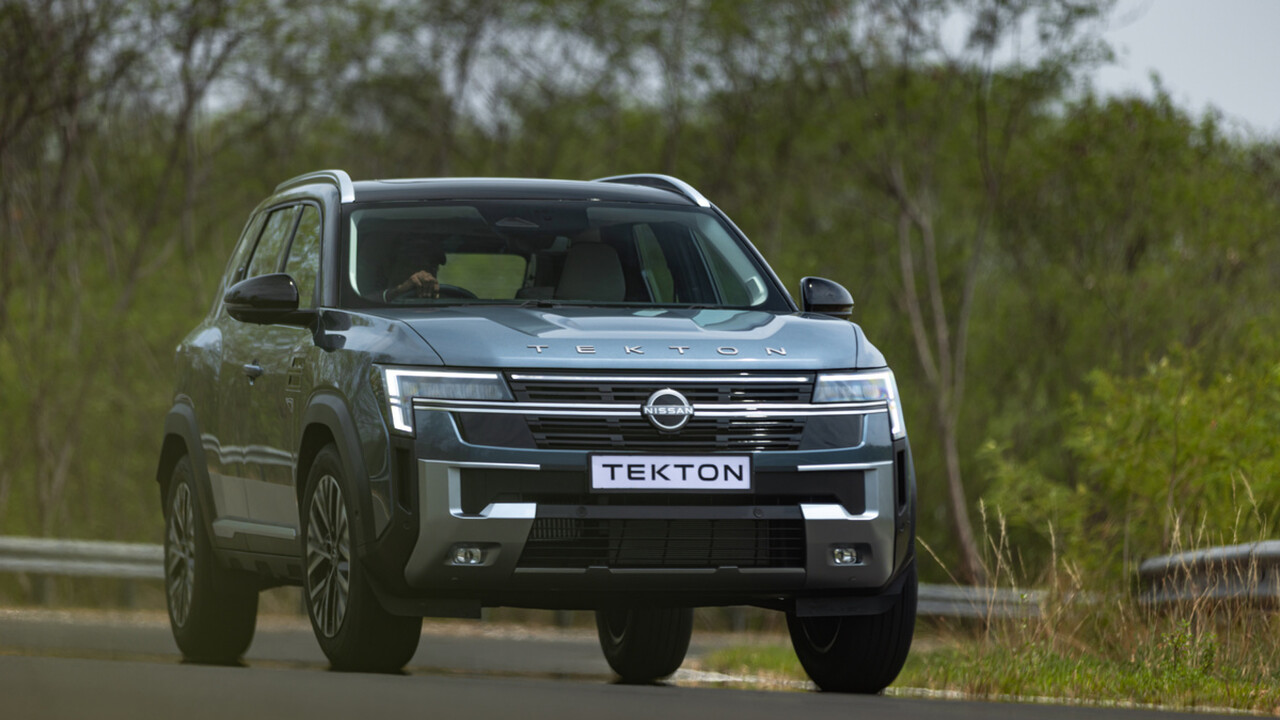
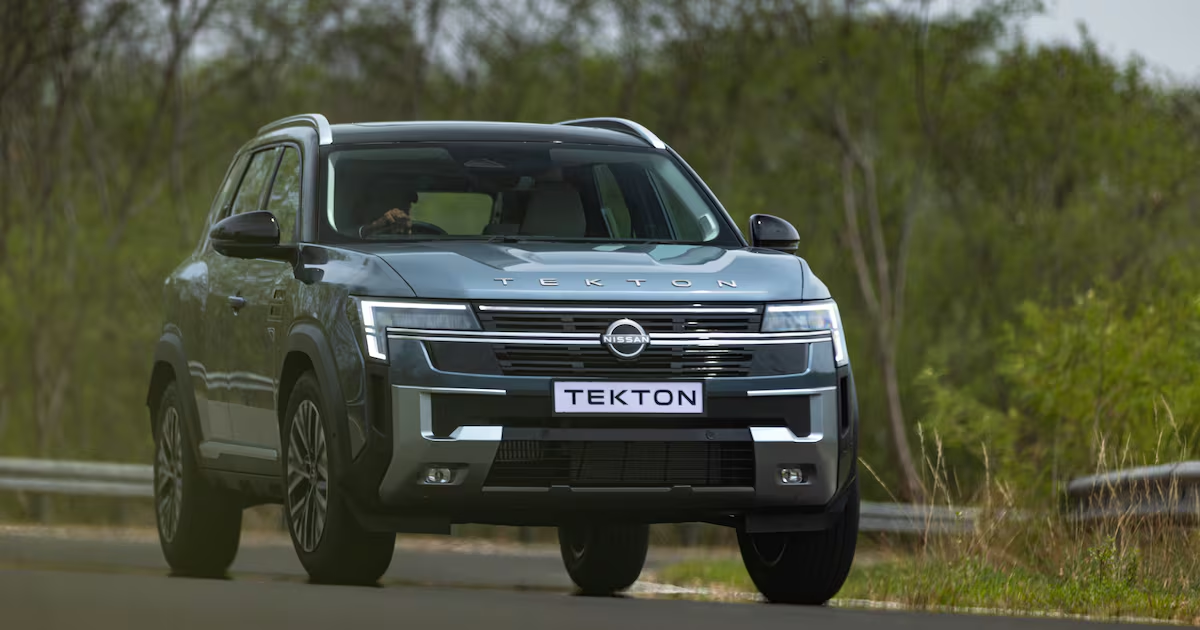
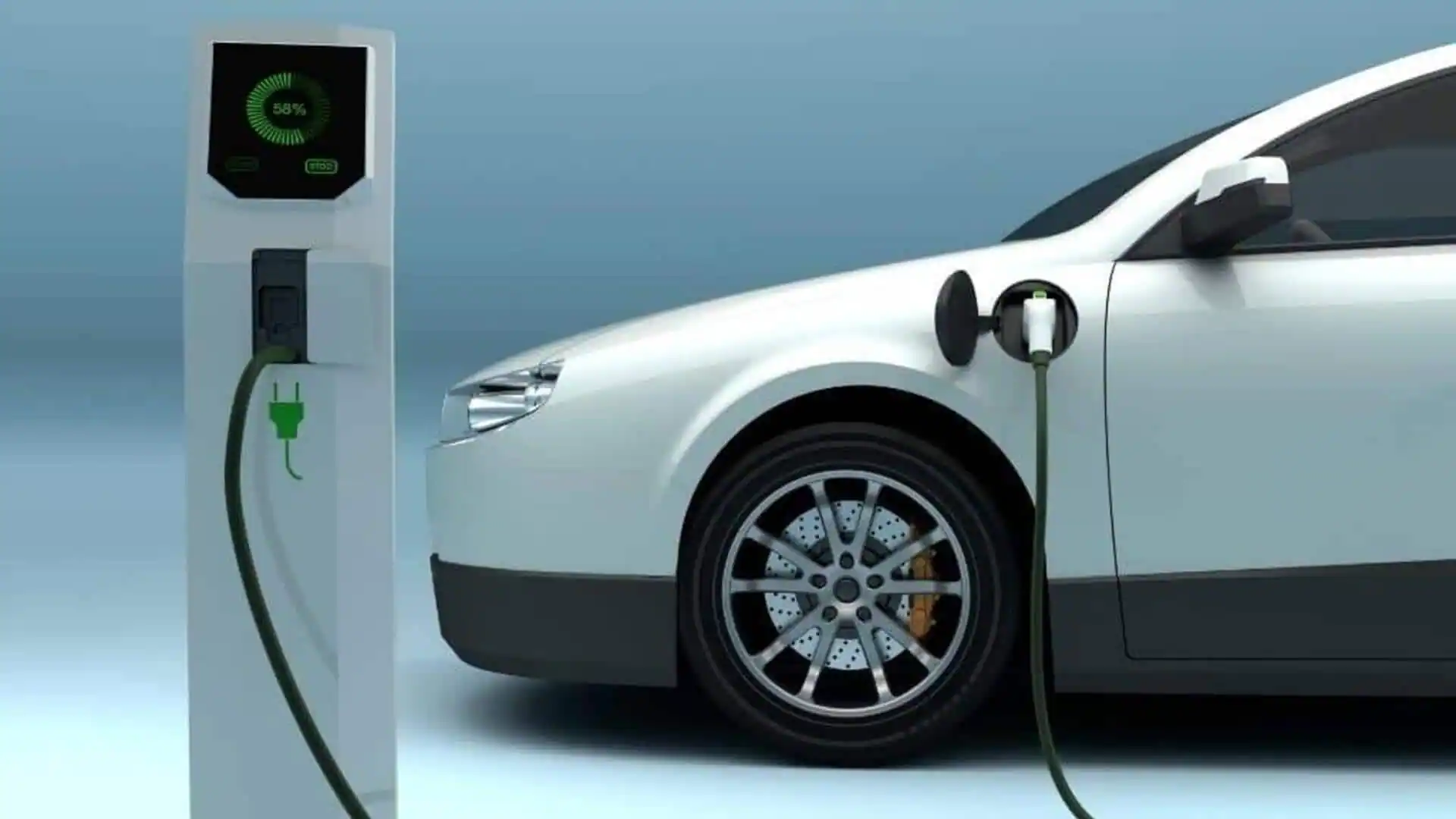
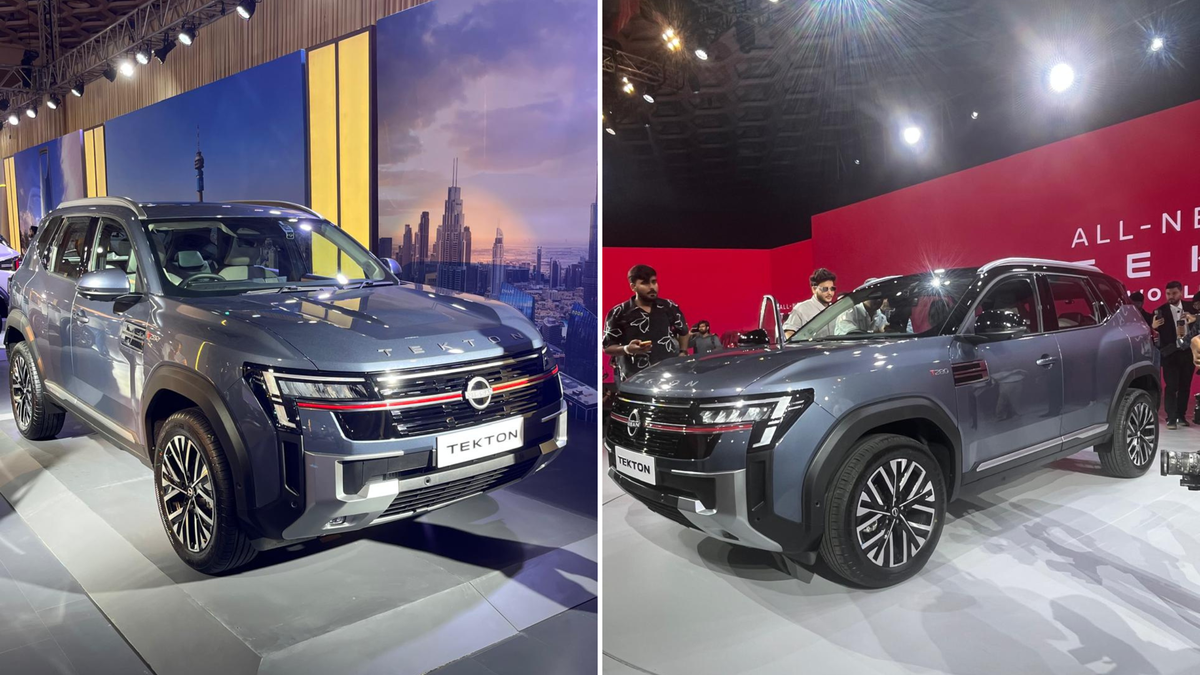
Nissan plans to launch electric vehicles in India by 2028, with the Japanese automaker evaluating local manufacturing, imports and partnerships as it prepares for the next phase of its India strategy.Senior executives Guillaume Cartier, Chief Performance Officer, Nissan, and Massimiliano Messina, Chairperson for Nissan’s Africa, Middle East, India, Europe and Oceania (AMIEO) region and Managing Director Nissan Motor India, Saurabh Vatsa told reporters the company is assessing multiple pathways for its India EV program while project-level technology discussions with Honda continue globally following the collapse of merger talks, although no agreement has been finalised.The comments offer the clearest indication of Nissan taking strong steps for its India electrification roadmap as the company balances continued investment in internal combustion vehicles with preparations for an electric future amid tightening of CAFE 3 regulations.Multiple pathways under evaluationNissan management said the company is evaluating whether to manufacture EVs locally, develop them through partnerships or introduce imported models, with the final decision depending on customer demand, government policy, charging infrastructure and commercial viability.“We can partner, we can manufacture and we can bring one,” Nissan management said while outlining the options under evaluation for the India programme.While the company did not directly link its timeline to regulation, the planned 2028 rollout broadly coincides with the industry’s transition towards tighter CAFE III fuel-efficiency norms, which are expected to reshape product planning across the passenger vehicle industry.ICE first, EV nextNissan management said the company will continue prioritising internal combustion vehicles in India in the near term, noting that around 93% of the country’s passenger vehicle market continues to be powered by conventional engines.The automaker plans to expand its domestic portfolio from one locally manufactured model to four by the end of the financial year, rebuilding scale before accelerating its electrification plans.“We don’t believe we have to come because of regulation. It is more about looking at the EV that customers are willing to have,” Nissan management said.Global technology collaborationResponding to questions on Honda, Nissan management confirmed that project-level discussions remain active after the two companies abandoned plans for a broader corporate merger earlier this year.Executives said India forms part of those discussions but stressed that nothing has been finalised.Globally, Honda and Nissan are pursuing project-based collaboration covering software-defined vehicles, electronic control units (ECUs) and next-generation EV technologies as they seek to reduce development costs and accelerate software development.While Nissan did not directly link those discussions to its India EV program, the company said partnerships remain one of the options under evaluation.India at the centre of Nissan’s strategyNissan management reiterated that India will remain central to the company’s long-term plans as both a domestic growth market and a global manufacturing hub.The discussions came after the global premiere of the all-new Tekton SUV, which will be manufactured at Nissan’s Chennai plant under the company’s “One Car, One World” philosophy for both domestic sales and exports to markets including the Middle East and Africa. The company said localisation will continue to increase as India’s supplier ecosystem matures, while battery sourcing remains one of the key areas under evaluation before its long-term EV strategy is finalised.PerspectiveIndustry experts say Nissan’s decision to target 2028 for its India EV program could give the Renault-Nissan Alliance sufficient time to localise a cost-competitive electric vehicle architecture alongside its next-generation internal combustion models being developed for India.One possible option is the Alliance’s AmpR Small platform, which shares around 50% of its components with the CMF-B architecture underpinning the Nissan Tekton and the upcoming Renault Duster. Such commonality could allow Nissan to leverage common supplier networks, body shop infrastructure and stamping facilities at its Chennai plant, reducing incremental investment for EV production.Experts say the platform’s modular design and compatibility with lower-cost lithium iron phosphate (LFP) batteries could improve affordability while allowing multiple body styles to be built from a common engineering base. Nissan has not disclosed the platform for its planned India EV, but the Alliance’s investment in CMF-B localisation could provide a commercially attractive pathway for future electrification.Published on July 9, 2026