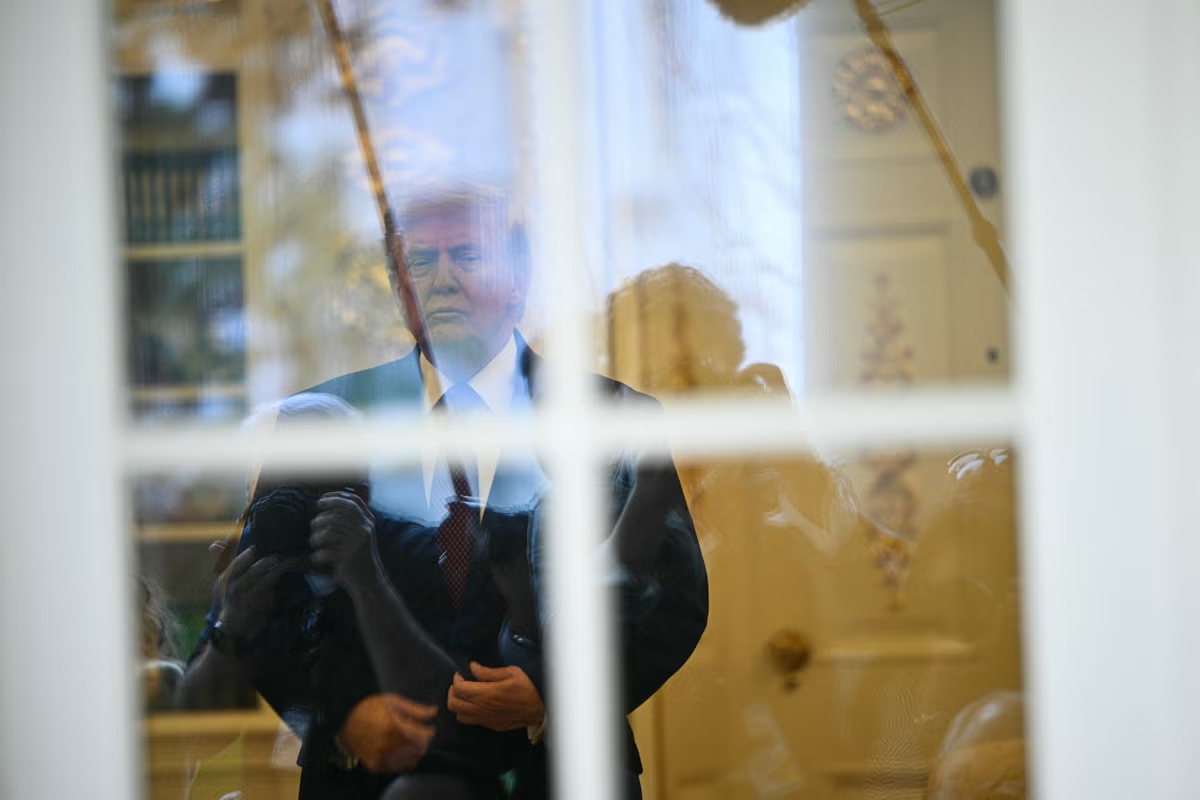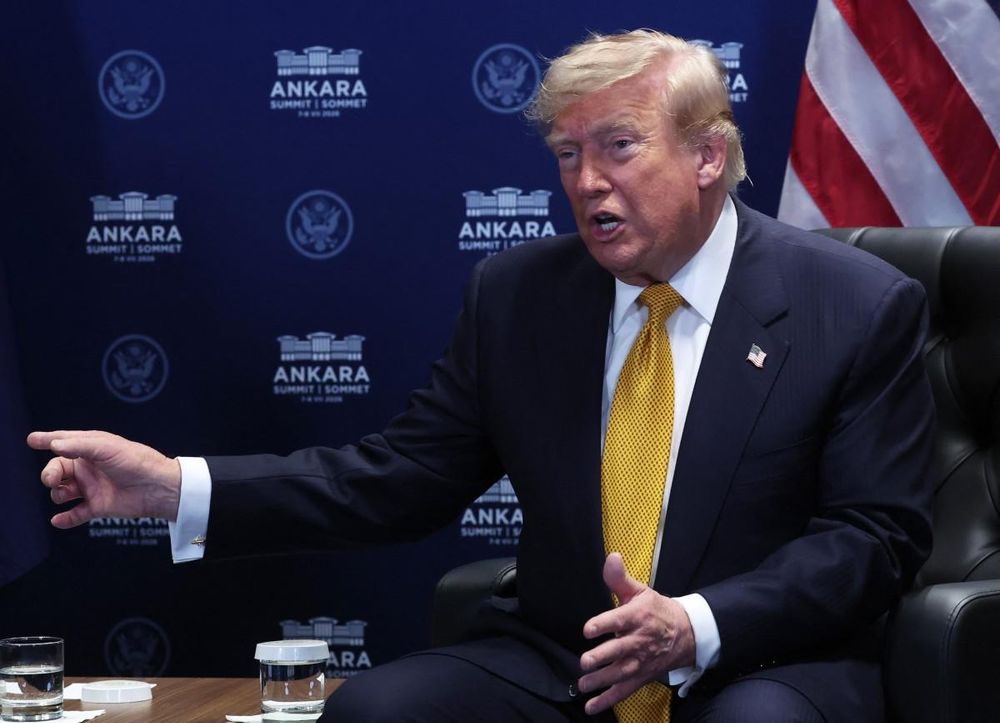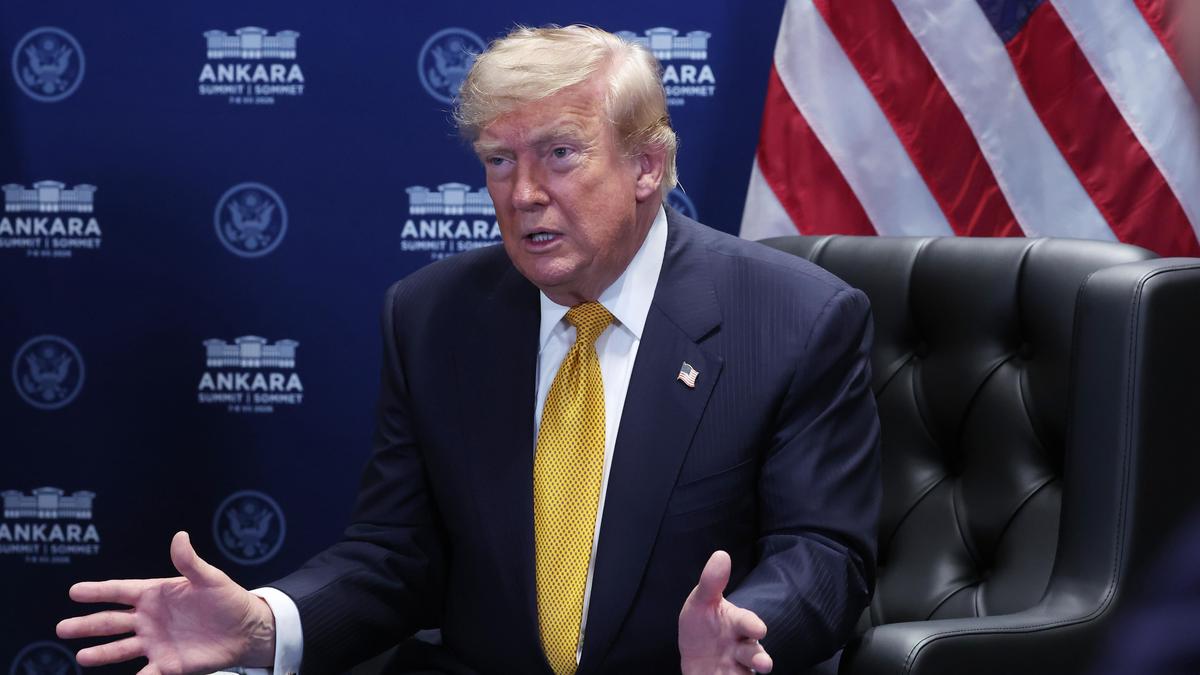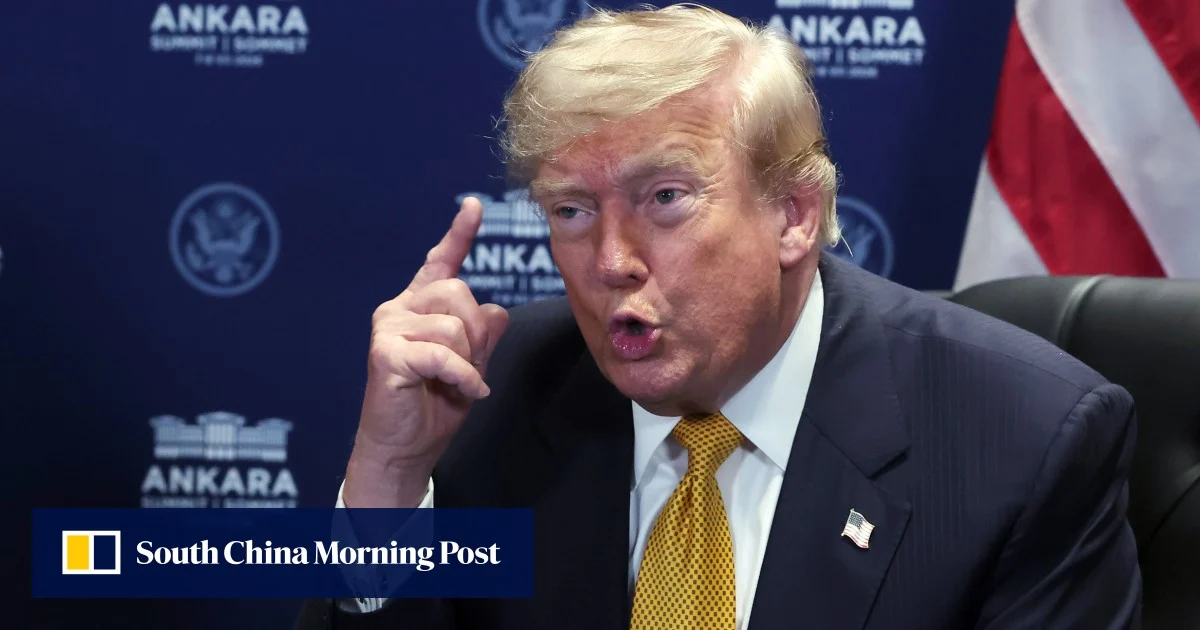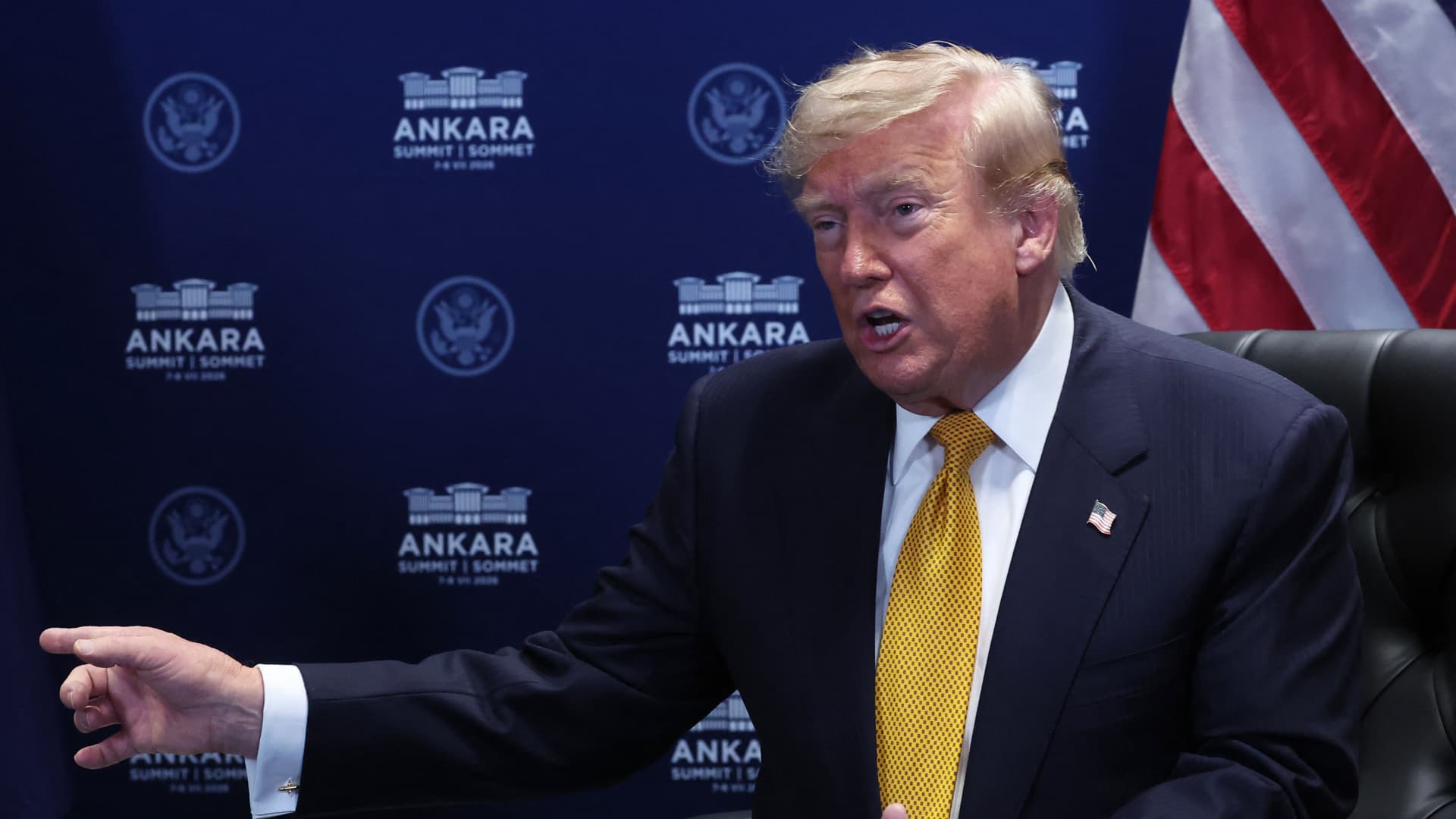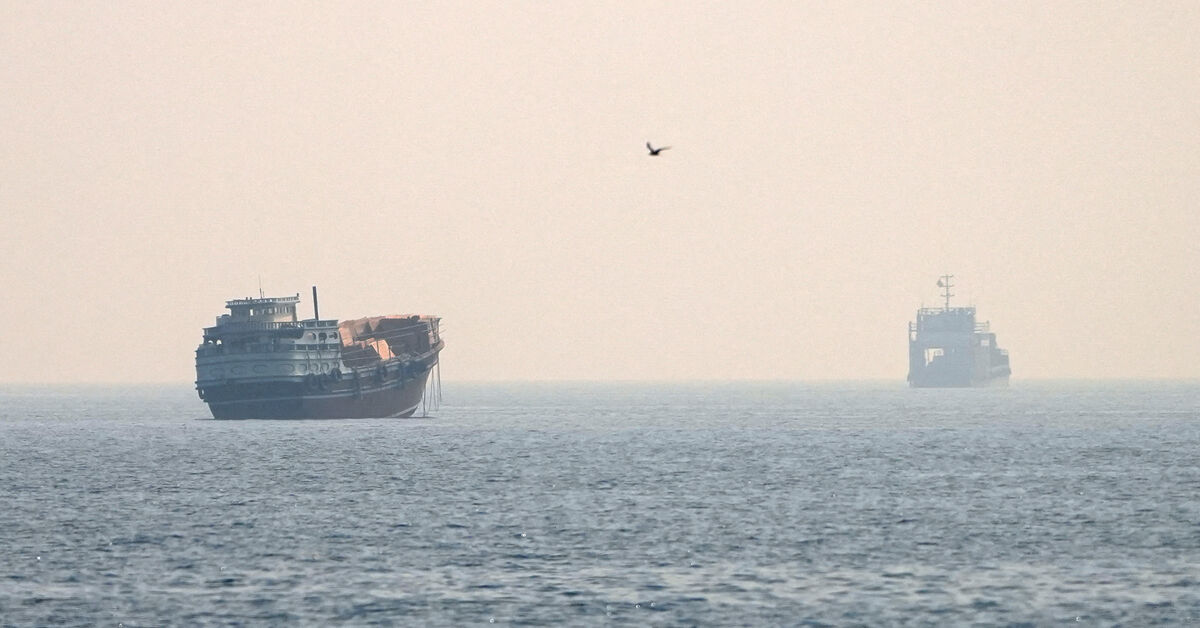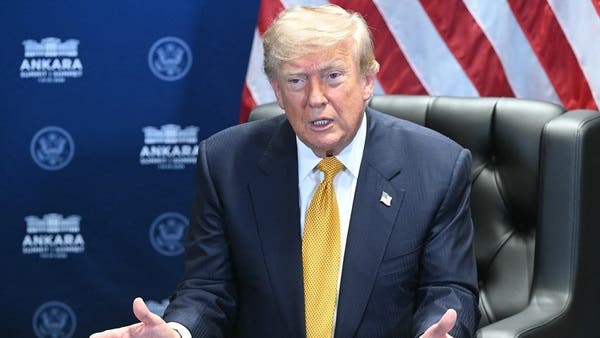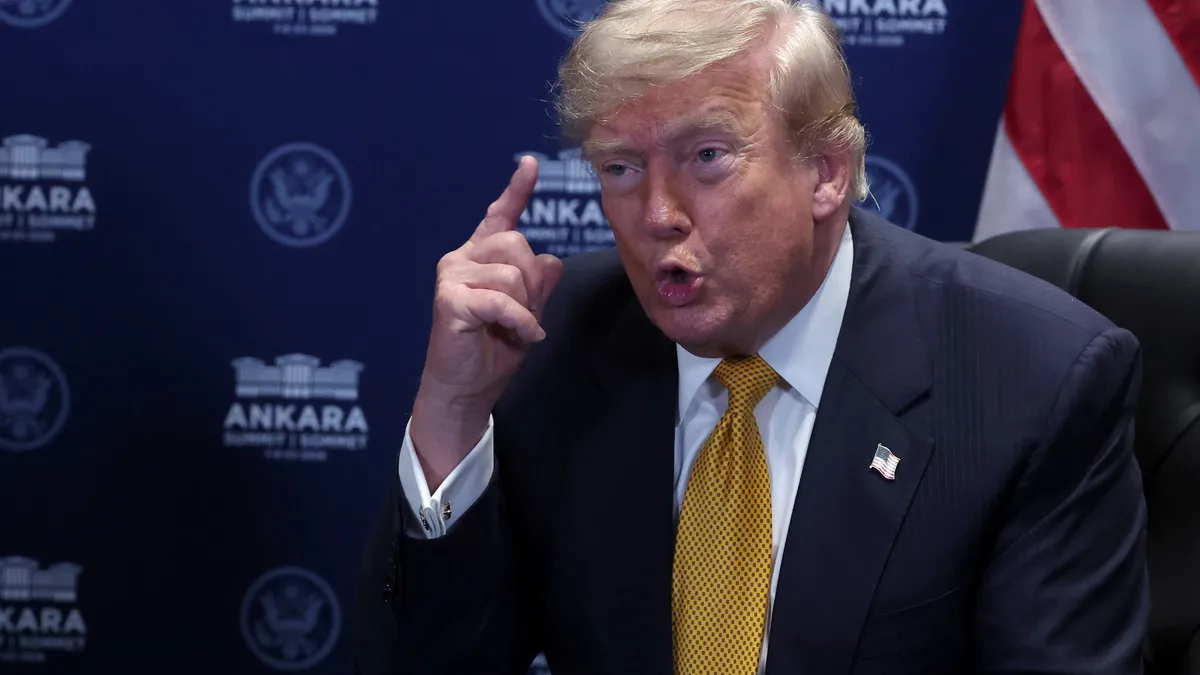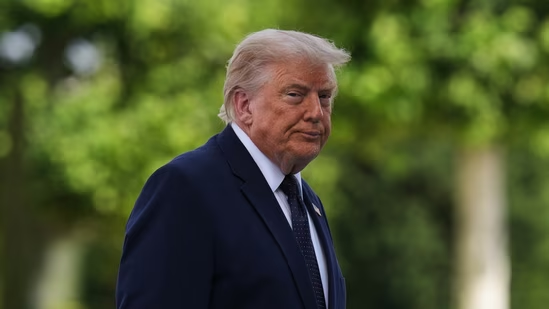
WASHINGTON—President Trump was preparing to leave the White House for Turkey on Monday evening when his top national security aides walked into the Oval Office with reports of new Iranian attacks.President Donald Trump on Tuesday, July 7, 2026. (AP Photo/Francisco Seco) (AP Photo/Francisco Seco)Secretary of State Marco Rubio and Defense Secretary Pete Hegseth told him Iran had fired antiship cruise missiles and one-way attack drones at vessels seeking to cross the Strait of Hormuz through a southern route, according to people familiar with the discussion. Three ships had been struck within hours of each other, including a liquefied natural gas tanker, they told the president.Angered by the strikes, Trump pressed them on whether they believed Iran was serious about reaching a final deal. In the end, after discussing it with his senior aides, the president decided they were not.The surprise attacks triggered a fierce response from Trump that stripped away some of the accord’s remaining incentives, leaving little of the peace framework he had signed at the Versailles palace in France two weeks ago to much applause. The president revoked Iran’s oil-selling license, ordered several rounds of strikes on Iranian targets in and around the strait on Tuesday and Wednesday, and threatened to hit civilian infrastructure in the country, including desalination plants that supply drinking water.An Iranian diplomat said Wednesday the U.S. had violated the peace deal by setting up a shipping lane that wasn’t coordinated with Tehran, contending that it justified the Islamic Republic’s decision to fire at traffic.The sudden breakdown left the ceasefire framework in limbo, with foreign leaders trying to determine whether Trump’s declaration signals a return to all-out war or another violent detour back to negotiations. As Gulf allies brace for more retaliation, energy markets steeled themselves for another economic hit, and traffic through the strait is once again stalling.“To me, I think it’s over,” Trump said of the ceasefire at the NATO summit in Ankara. “I don’t want to deal with them…They’re liars, they’re cheats, they’re sick people.”On Wednesday evening, after Hegseth hinted that the U.S. would hit Iran “even more, and even deeper,” the U.S. military announced it had launched a second day of strikes designed to “further degrade their ability to threaten freedom of navigation in the Strait of Hormuz.” A U.S. official said Iran had chosen “the path of violence” and would face the consequences.The events marked a sharp turning point for Trump, who had spent weeks presenting the memorandum he signed with Iran in mid-June as proof that his pressure campaign had succeeded.The timing of Iran’s attacks angered Trump, who had previously said he had given Iran “a week off” from negotiations for the funeral of Ayatollah Ali Khamenei, the Iranian supreme leader killed in a U.S. strike in February. “Instead of that, they start shooting rockets at ships,” he said in Ankara.“The deal is very simple,” Vice President JD Vance said in Milwaukee on Wednesday. “If they shoot at ships, we’re going to knock the hell out of them.”Oil prices jumped more than 6% after Trump’s comments declaring the ceasefire was over, underscoring how renewed fighting around the strait could quickly produce the kind of economic shock he has sought to avoid since the war began in February.The confrontation exposed the flaws in the loosely worded interim peace accord, which promises free passage through the strait but leaves unclear who will control, coordinate and police the route.The agreement began to unravel on Sunday when ships approaching the southern route received a warning from Iranian operators through a radio transmission. “This route is not safe, you are [in] danger,” the message said, according to a recording shared with the Journal. “Our missiles and drones are ready to fire at you.”Soon after, Iranian forces fired missiles at three commercial ships, including a Qatari tanker that caught fire in its engine room and had to evacuate its crew.The U.S. military had been working for weeks to preserve one of the agreement’s central goals: guiding commercial ships through the Strait of Hormuz, through which 20% of the world’s oil flowed before the conflict.The Navy had been secretly helping ships transit the strait’s southern route, which hugs the coastline of Oman, officials said. More than 125 ships have crossed the Strait this way, U.S. Navy officials say. The navigation effort has largely happened at night, with ships turning off their automatic identification systems while a U.S. destroyer stays in live radio contact with the bridge and the shipowner’s operations center.The U.S. aid to commercial ships angered Tehran, which has been urging vessels to use the northern route, off Iran’s southern coast, warning that the southern route was mined.Iran also has been launching drones from its coast against commercial vessels trying to transit the southern route for weeks, officials said. Four European-owned supertankers that tried to transit through the center of the strait on Tuesday were warned by the IRGC that they would be attacked and turned back.While Trump hasn’t ordered the naval blockade to be reimposed, U.S. officials say warships remain in position in case he decides to do so. “We may put it back,” Trump said on Wednesday.Trump’s comments about the ceasefire being over marked “a dangerous escalation,” said Sen. Jeanne Shaheen, the top Democrat on the Senate Foreign Relations Committee who was in Ankara for the NATO summit.“The potential collapse of this MOU is a clear illustration that the president entered into this war with no plan, no endgame and no ability to broker a lasting agreement,” she said.Write to Vera Bergengruen at vera.bergengruen@wsj.com, Alexander Ward at alex.ward@wsj.com, Lara Seligman at lara.seligman@wsj.com and Costas Paris at costas.paris@wsj.com
Inside Trump’s Oval Office Decision to Ditch the Iran Ceasefire
‘I think it’s over,’ Trump said of the U.S. ceasefire with Iran two weeks after signing the interim peace plan. | World News
934 words~4 min read