Photo credit: Gina Ferazzi / Los Angeles Times via Getty Images
When Renew Home split off from Google in 2023, many in the energy sector saw it as a sign that distributed capacity was inching closer to reality.
According to CEO Ben Brown, the idea at Renew Home’s inception was that traditional demand response programs were hard to scale, because they generally required customers to compromise on things like their favored indoor temperature to get a utility bill discount. For residential flexibility to work more broadly, programs would have to both maintain comfort and convenience while offering rewards, he explained.
Over the last three years, Renew Home has focused on providing that balance via its energy management platform, growing its coverage to 8 million devices, most of them smart thermostats. But now, as load growth looms over the energy sector and data center developers run into a capacity crunch, the company has entered a new phase of expansion: capitalizing on the potential for residential ratepayers to benefit from the artificial intelligence boom, Brown said.
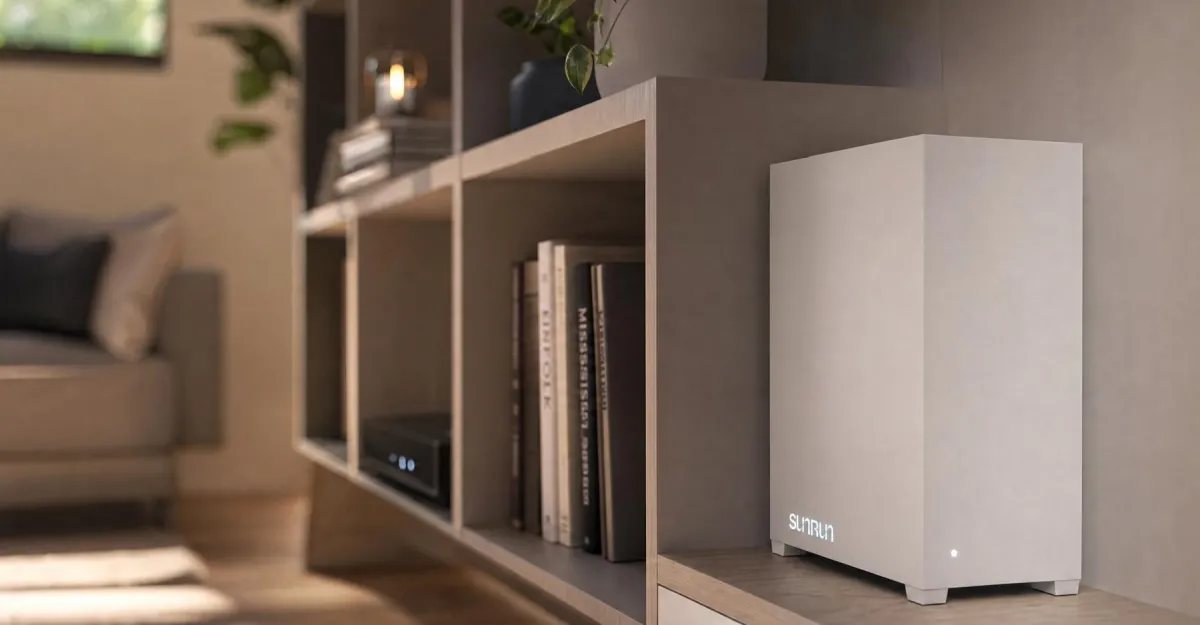
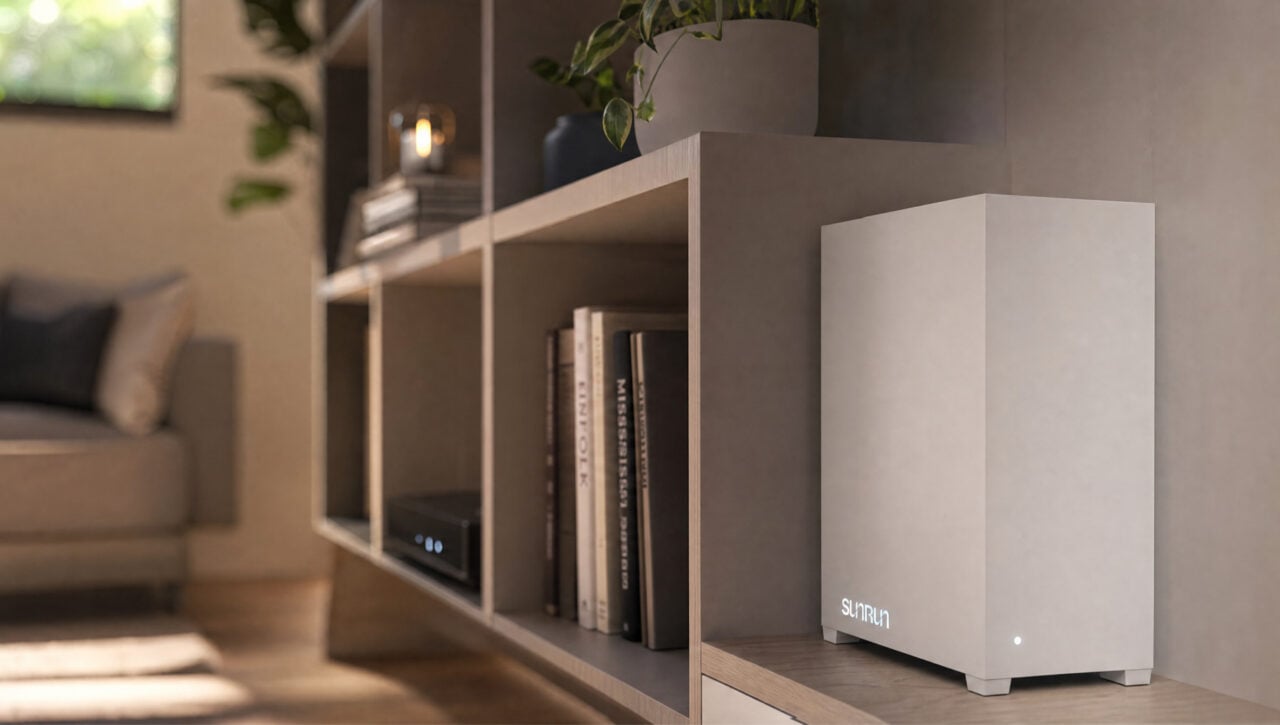
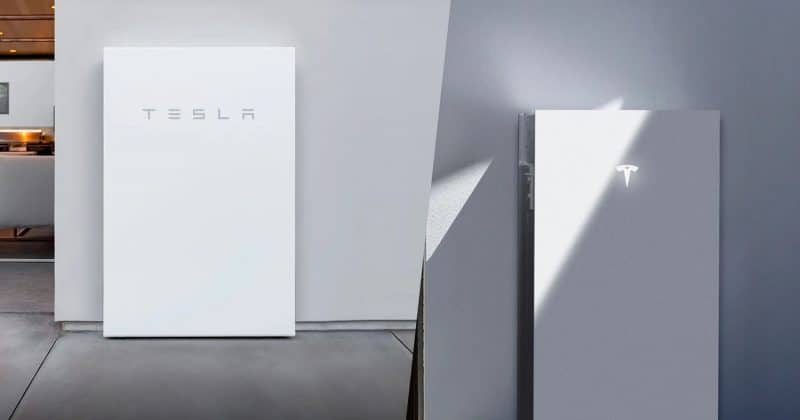
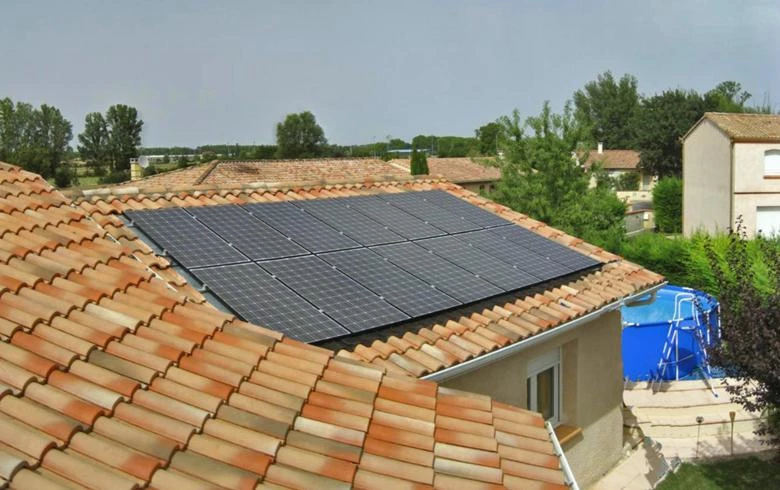
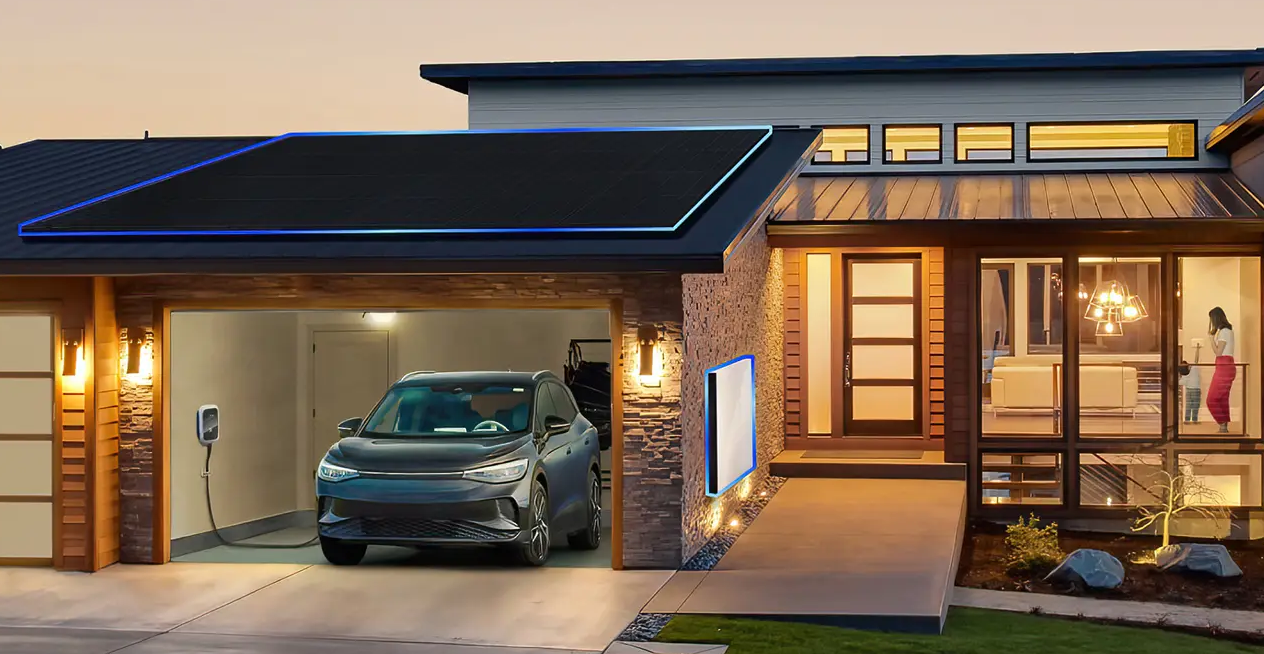
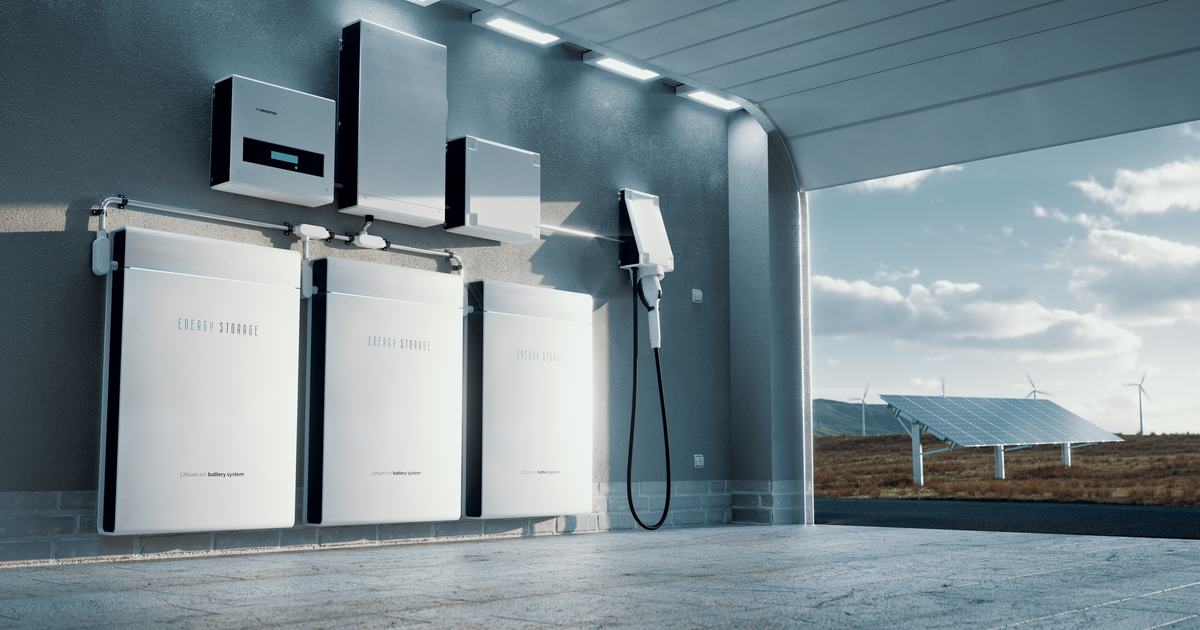
That’s the thesis behind a partnership among Renew Home, Tesla, and Sunrun — three of the largest residential virtual power plant players in the U.S. — which announced late last month that they had a combined 16 gigawatts of capacity available to sell to data centers. The goal was to “change the conversation” about the scale of flexible capacity already available, he explained.