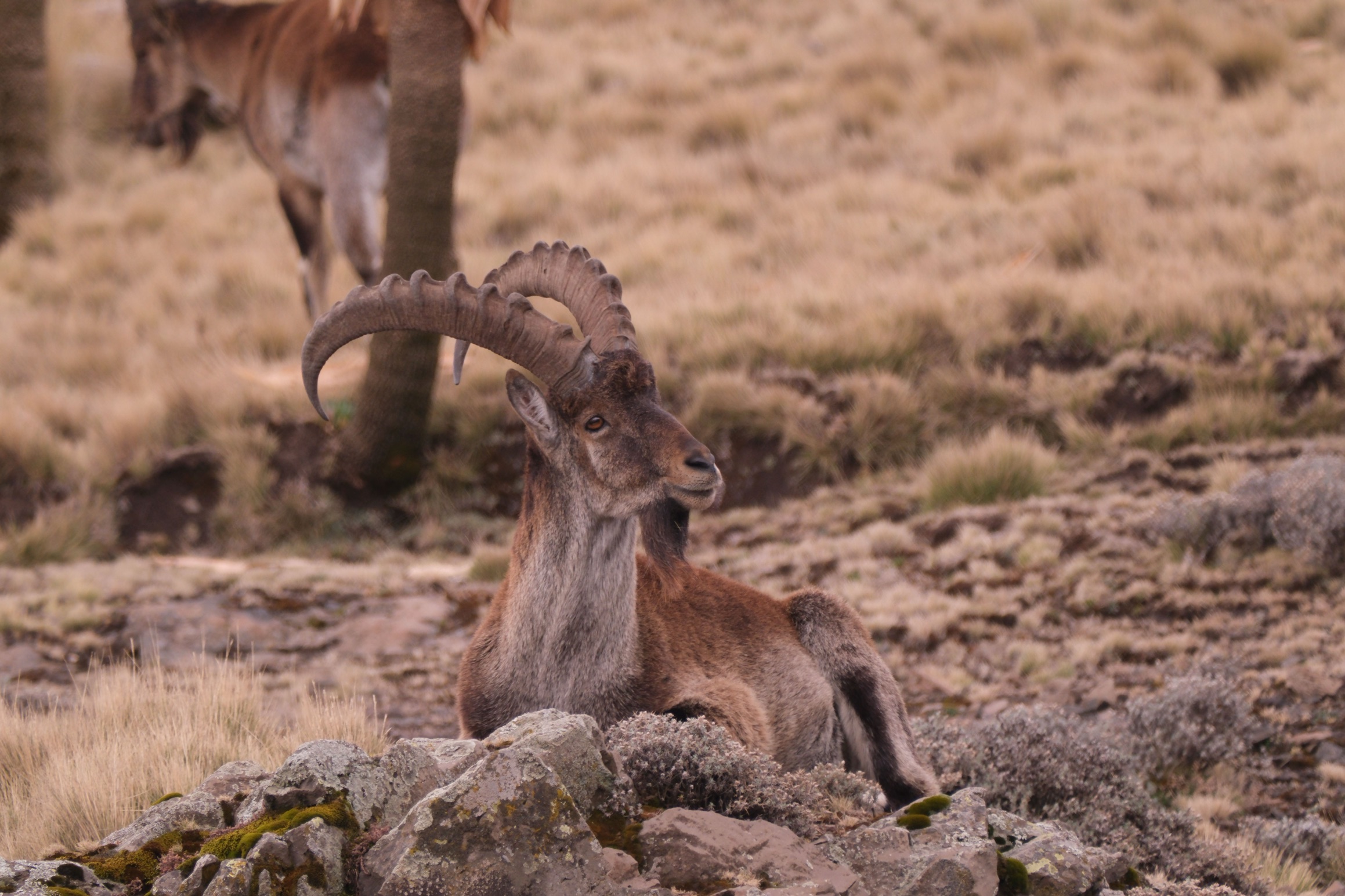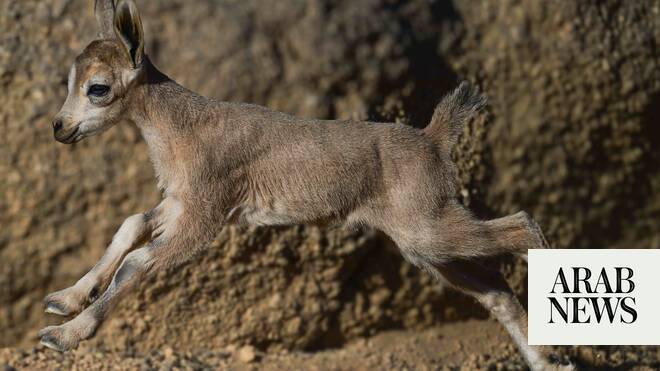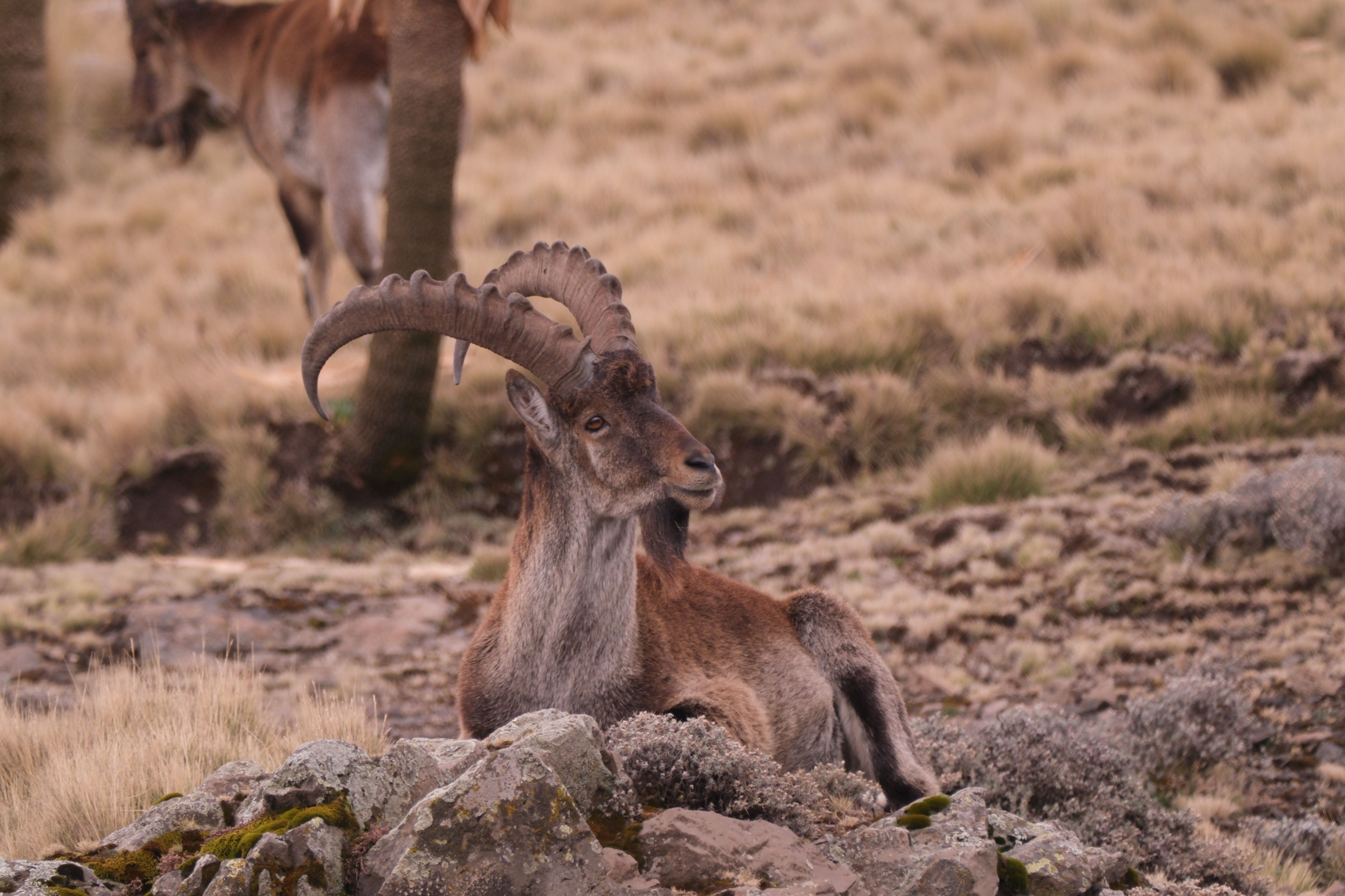
The Walia ibex, a rare species of wild goat found only in northern Ethiopia, is once again considered critically endangered, after recent population estimates showed a sustained decline below a key threshold.
The iconic species, largely confined to the remote, steep cliffs of Simien Mountains National Park, was previous listed as vulnerable on the Red List of the IUCN, the global wildlife conservation authority.
The conservation status of the Walia ibex (Capra walie) has oscillated over the years. In 1986, it was listed as endangered, then reclassified as critically endangered in 1996, before being moved back to endangered in 2008.
Between 2009 and 2012, surveys found the Walia ibex population had increased from 680 individuals to 850. Based on this trend, researchers estimated that by 2020 there would be more than 975 individuals. Concluding that the species was doing better, they reclassified the ibex as vulnerable.
The 2020 assessment noted that in 2019, only 619 ibex had been counted, but concluded that this single record didn’t change the overall increasing trend.