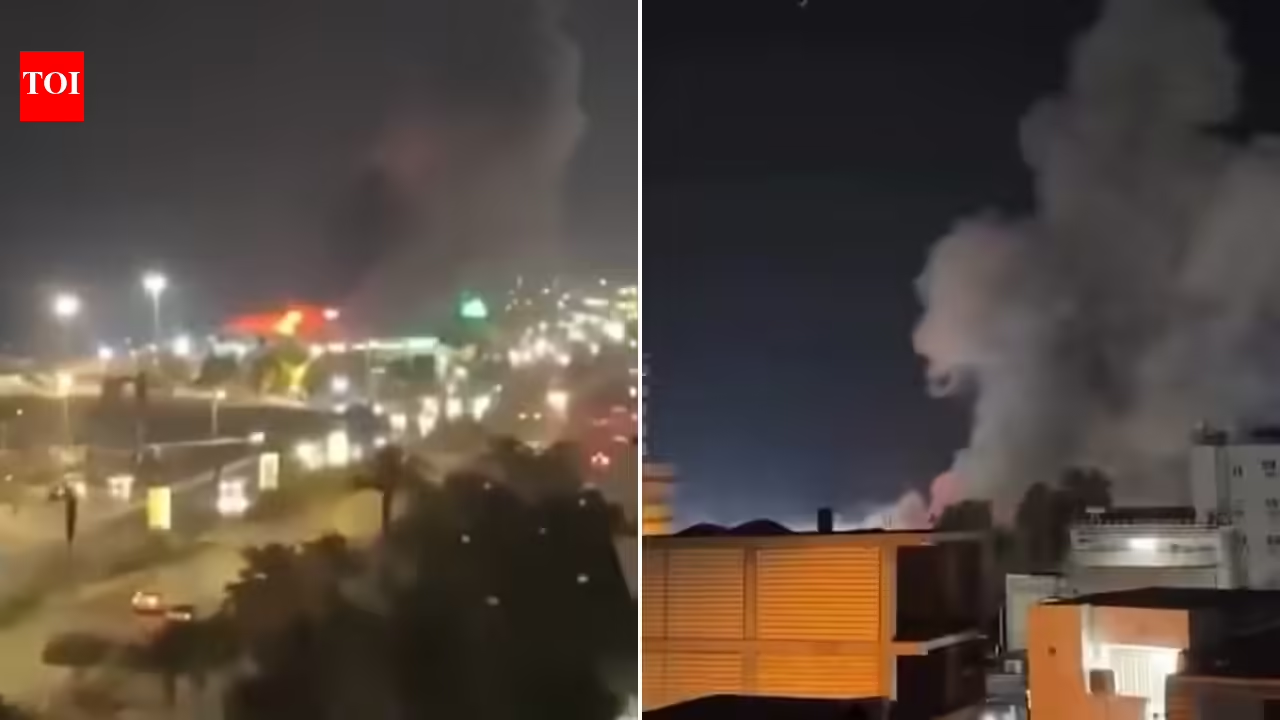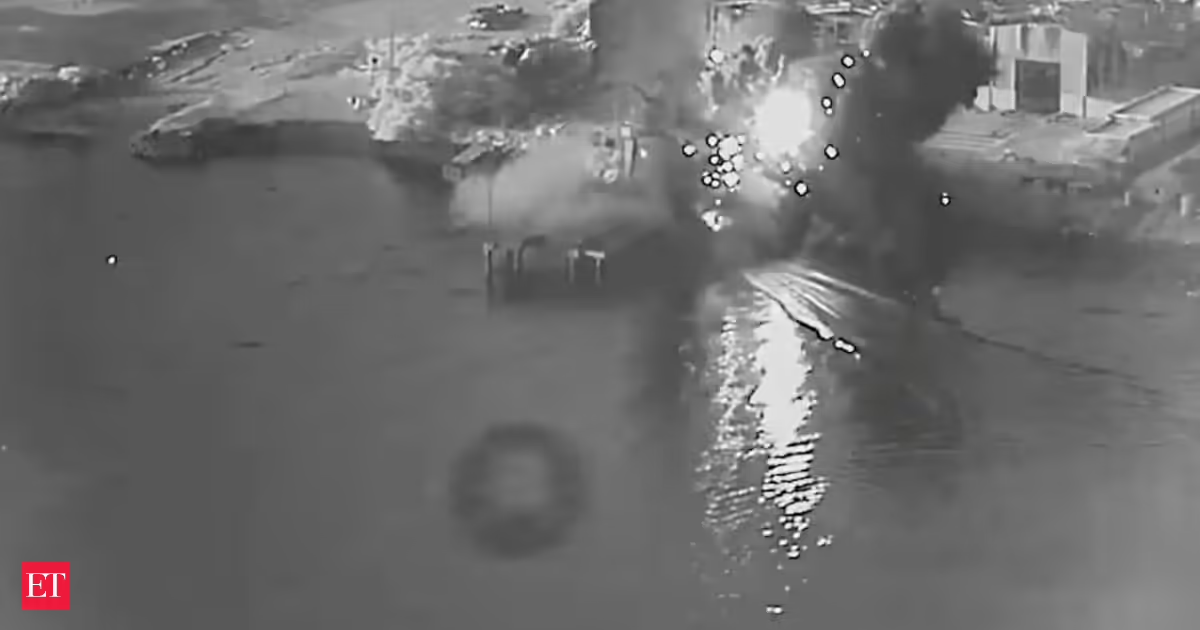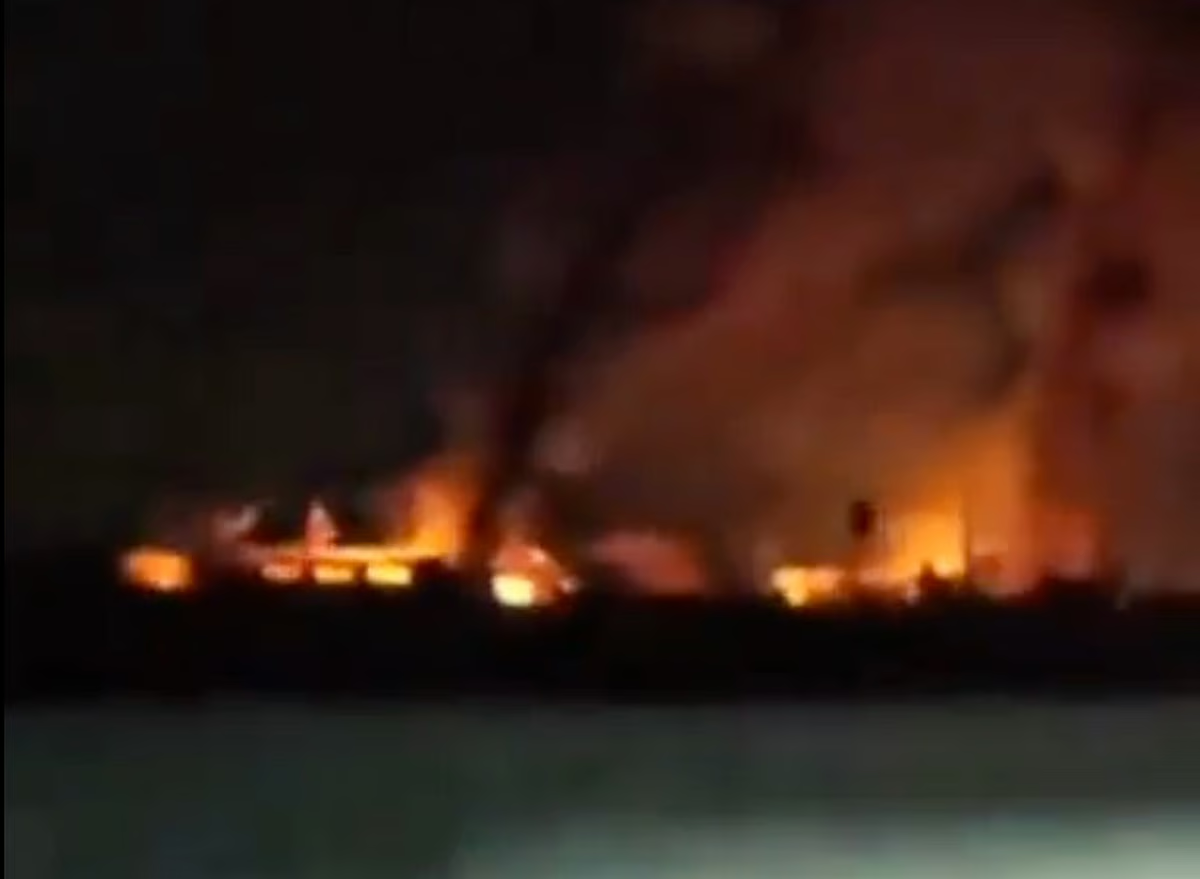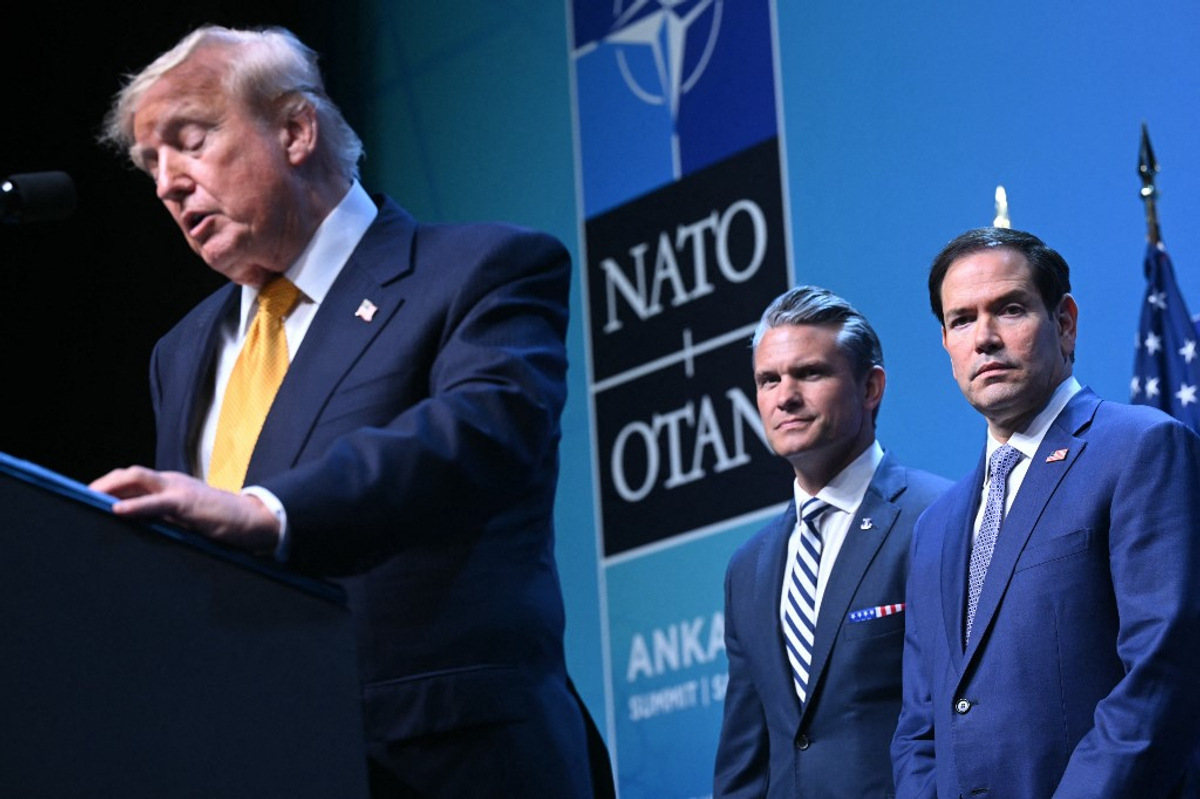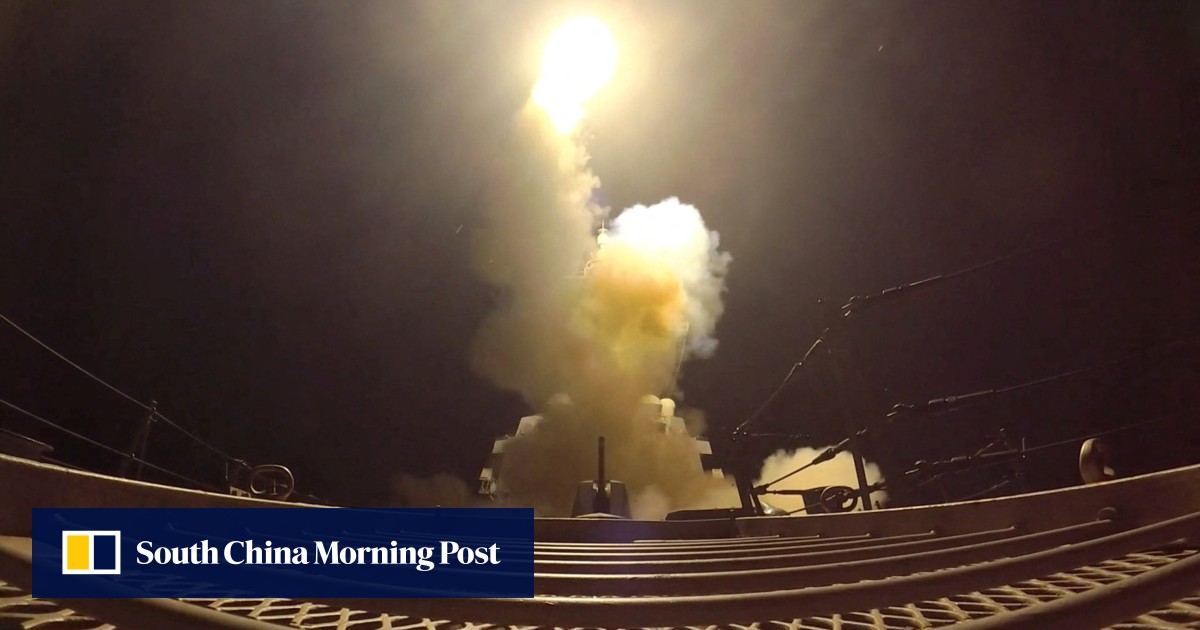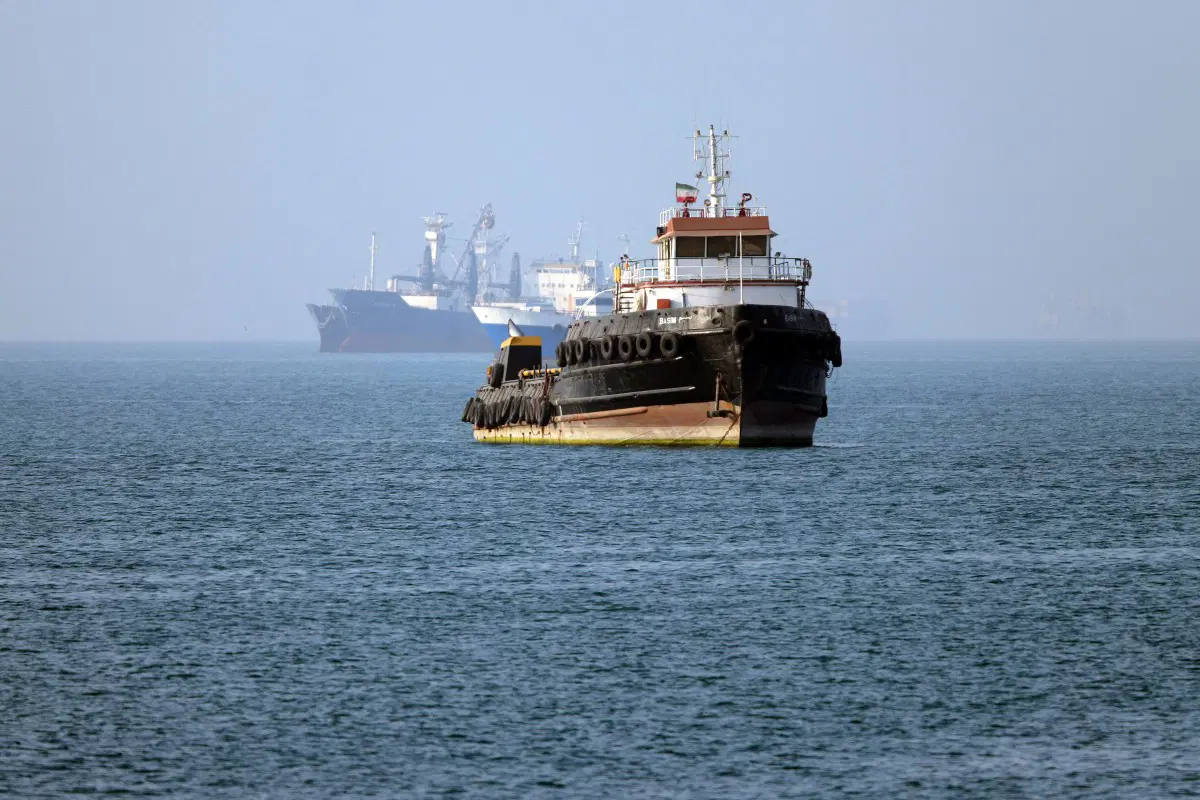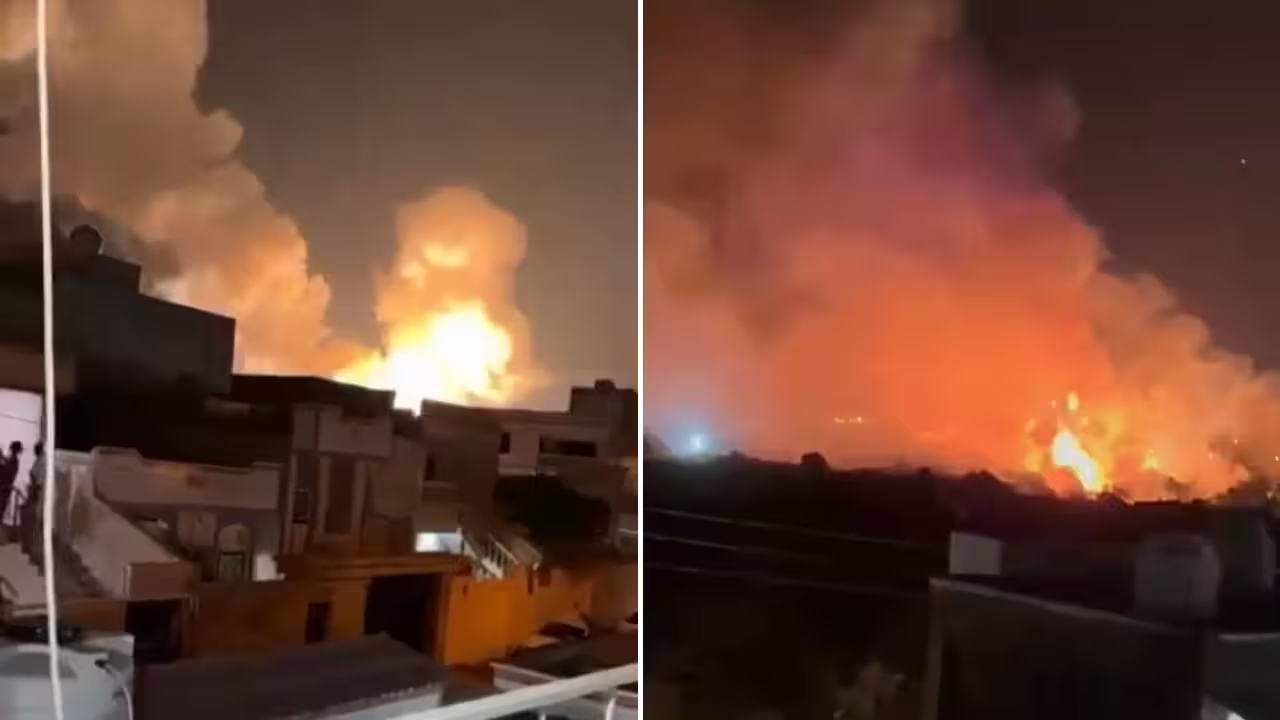
For the first time in months, US strikes appeared to focus not only on military installations but also on transport infrastructure.The Middle East edged closer to a renewed regional conflict on Thursday after the United States launched a fresh wave of strikes across Iran, targeting around 90 military and infrastructure sites, including railway bridges that Tehran says are part of a key trade corridor linking the country with China and Russia.Among the most significant targets was a railway bridge in Golestan province on the China-Turkmenistan-Iran rail route, which Iranian media said has become increasingly important for freight movement from both China and Russia amid disruptions to maritime shipping. The strikes also hit bridges on the railway line leading to Mashhad, where Iran was preparing to bury Supreme Leader Ali Khamenei.The latest escalation came just hours after US President Donald Trump declared that the fragile memorandum of understanding aimed at ending hostilities with Iran was "over", blaming Tehran for attacks on commercial shipping in the Strait of Hormuz. Iran denounced the strikes as a "grave war crime" and accused Washington of violating the ceasefire agreement, while fresh missile and drone attacks triggered air raid sirens across several Gulf countries, raising fears that the conflict could once again engulf the region.US targets strategic railway corridorFor the first time in months, US strikes appeared to focus not only on military installations but also on transport infrastructure.Iranian state media reported that cruise missiles struck a railway bridge in Aqqala county in Golestan province, describing it as a strategic section of the China-Turkmenistan-Iran rail corridor. According to IRGC-affiliated Fars News, Russia has increasingly relied on the route for freight transport since last year, while Chinese rail traffic has reportedly tripled following disruptions to maritime trade.The Revolutionary Guard also said two railway bridges on the route to Mashhad were hit. The attacks came just hours before Khamenei's burial in the northeastern city, adding symbolic significance to the strikes.US Central Command later released footage showing overnight operations against approximately 90 targets, including missile launchers, air defence systems, drone facilities, naval assets and military logistics infrastructure. Washington said the objective was to further degrade Iran's ability to threaten freedom of navigation in the Strait of Hormuz.Iran accuses US of violating ceasefireIran's Foreign Ministry condemned the attacks as a "grave war crime", accusing Washington of breaching the memorandum of understanding intended to halt the conflict.The ministry said US forces struck several locations in Iran's southern coastal provinces as well as railway bridges leading to Mashhad over the past two days. It argued the attacks violated both the UN Charter and the first provisions of the ceasefire agreement.President Masoud Pezeshkian also rejected calls from critics to respond to Trump's personal attacks with similar rhetoric."We will not learn this kind of policy from someone whose hands are stained with the blood of children," Pezeshkian said, referring to a previous US strike that Iran says killed more than 100 children. "We firmly defend our rights."Trump, speaking after the NATO summit in Ankara, had described Iranian leaders as "liars", "scum" and "vicious, violent, sick people", while insisting that any further attacks on shipping would trigger an even stronger US response.Gulf states on alert as conflict spreadsThe renewed fighting quickly spilled beyond Iran.Air raid sirens sounded multiple times in Bahrain, home to the US Navy's Fifth Fleet, while missiles and drones targeted Kuwait and Qatar. Jordan also activated nationwide air raid sirens, although authorities did not immediately identify the source of the threat.Kuwaiti officials said air defence systems intercepted three ballistic missiles, a cruise missile and 10 drones, with debris injuring one person. Bahrain said it successfully intercepted incoming projectiles, while no immediate damage was reported in Qatar.Meanwhile, Iraq said it was continuing diplomatic efforts to reduce tensions between Tehran and Washington. Prime Minister Ali al-Zaidi said Baghdad hoped to foster "a state of rapprochement" between the two sides while expanding political and economic cooperation with the United States.Explosions reported near BushehrSeveral explosions were reported across Iran's southern Bushehr province, home to the country's only operational nuclear power plant.Provincial officials confirmed that projectiles struck areas around Bushehr but denied reports that the nuclear facility itself had been hit. Authorities also rejected claims that Kharg Island, which handles roughly 90 per cent of Iran's crude oil exports, had been attacked.Videos circulating online showed fires burning at military bunkers near Bushehr following the US strikes.Iran's Health Ministry said the latest wave of American attacks over the past two days had killed at least 14 people and injured 78 others, most of them members of the armed forces. Additional casualties were reported in Khuzestan province and at an airport in Iranshahr.
US-Iran trade intense fire; Hormuz shipping grinds to 'near halt' as Middle East caught in spiral again: Key points
The Middle East edged closer to a renewed regional conflict on Thursday after the United States launched a fresh wave of strikes across Iran, targeting around 90 military and infrastructure sites, including railway bridges that Tehran says are part of a key trade corridor linking the country with China and Russia.
774 words~4 min read