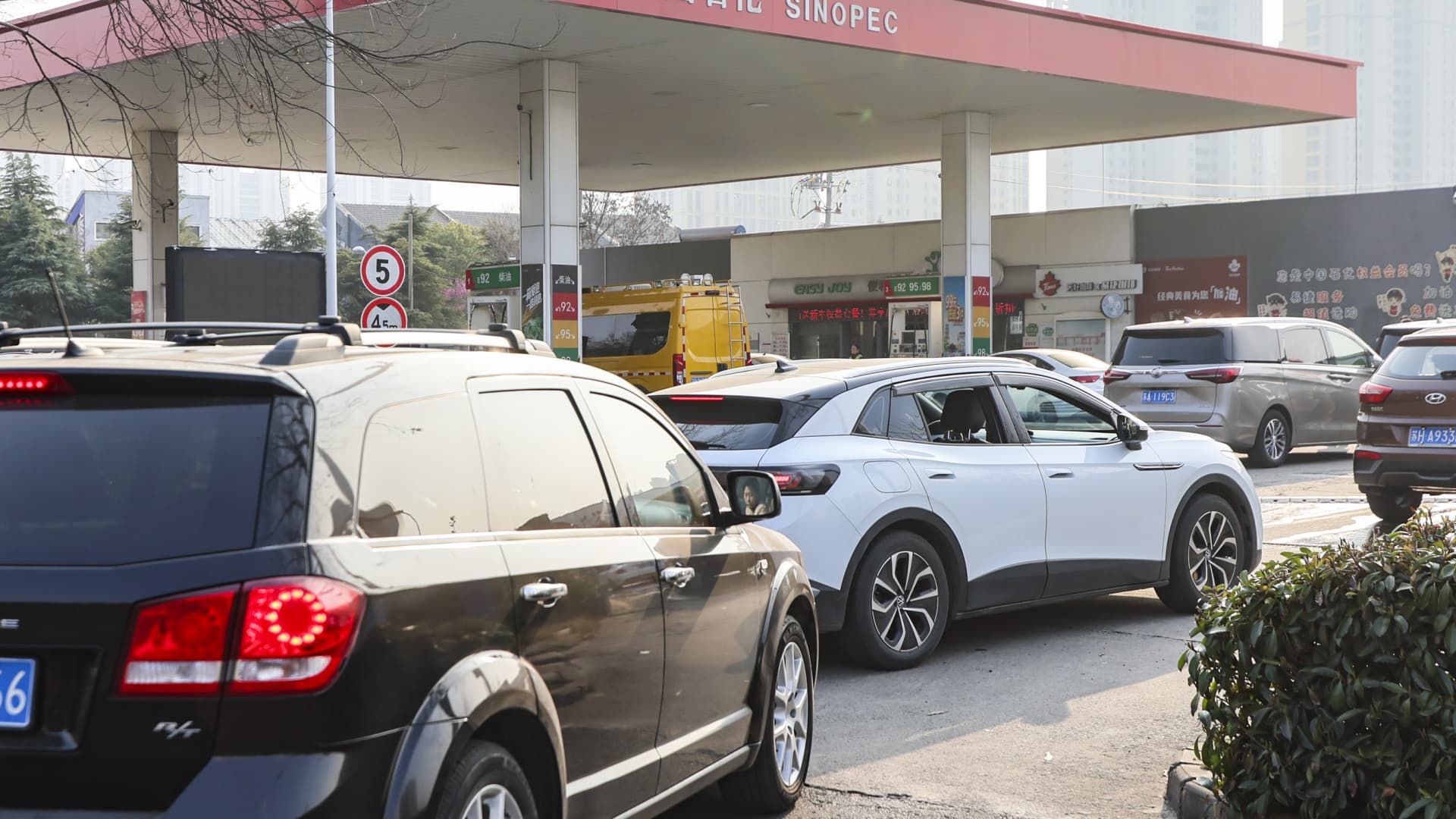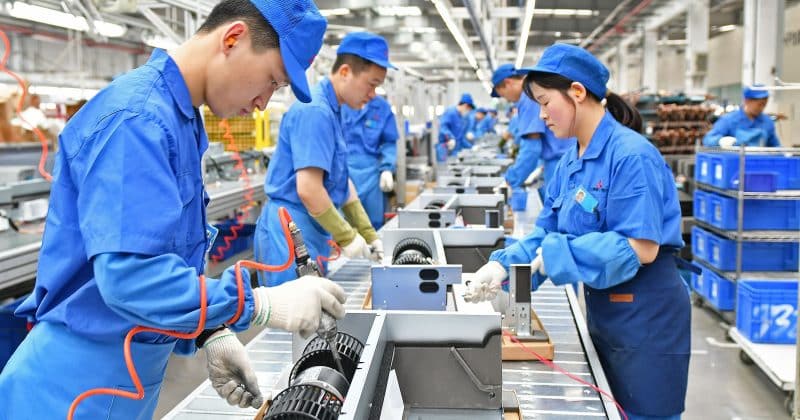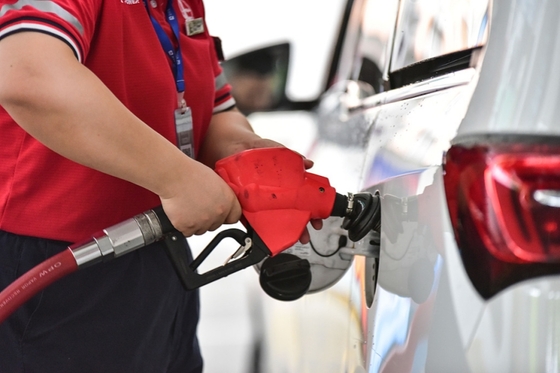
1. Oil prices historically disrupt the global economy by fueling inflation fears amid Middle East tensions, but China's link is nuanced beyond direct impacts.[para. 1]2. A 10% oil price rise boosts China's CPI by 0.15pp and PPI by 0.3-0.4pp, effects that are modest; indirect channels like commodities, policy, and sector asymmetries matter more.[para. 2]3. Oil creates a commodity "seesaw": dampens industrial metals demand via slower growth but boosts coal for chemicals, redistributing rather than raising costs uniformly.[para. 3]4. Beijing cushions shocks via moderated domestic fuel price adjustments, limiting pass-through to businesses and consumers.[para. 4]5. Oil hits upstream sectors like mining hardest, but export-driven midstream manufacturing relies more on metals, muting broad inflationary or growth impacts.[para. 5]6. Key question: China's inflation recovery sustainability without oil; producer prices suggest yes, with long cycles (16+ months) and current upswing early since late 2025.[para. 6][para. 7]7. Monetary indicators and deposits signal improving producer prices.[para. 8]8. Midstream manufacturing excels: tighter supply-demand, better pricing, faster cost pass-through (months vs. year).[para. 9][para. 10]9. Structural boosts include exports in machinery/electronics, AI/renewables demand, policy for upgrades/trade-ins; supply reforms curb excess capacity.[para. 10][para. 11]10. High oil prices aid China by squeezing global rivals, boosting its market share; geopolitics spurs demand for its energy/defense equipment.[para. 12]11. Consumer inflation focuses on durables (autos/electronics shifting to cost-driven amid fading subsidies, rising inputs) and services (normalizing from lows).[para. 13][para. 14][para. 15]12. "Good" inflation (with profits) vs. "bad" (cost-push); China's cycle healthy, with manufacturing prices/margins rising together.[para. 16][para. 17]13. Midstream captures more profits vs. past upstream dominance; upstream mixed, downstream tied to consumption.[para. 18]14. Investors: shift from resources to supply-demand strong sectors.[para. 19]15. Outlook: moderate inflation rise; PPI positive, CPI subdued; high-oil scenario contained by services/tech/manufacturing stability.[para. 20][para. 21]16. Economy evolves beyond heavy industry/property to steady growth, less volatile.[para. 22]17. Ignore oil noise; focus on industrial balance, service normalization, sector profits as transition markers.[para. 23][para. 24]18. Policymakers/investors must prioritize structural growth forces.[para. 25](Zhang Yu, Huachuang Securities; views not Caixin's).[para. 26][para. 27](Word count: 498)AI generated, for reference only
Commentary: China’s Inflation Story Lies Beyond Oil Prices
Oil price swings may dominate headlines, but China’s inflation trajectory is increasingly shaped by industrial resilience, policy intervention and shifting sector dynamics
332 words~2 min read