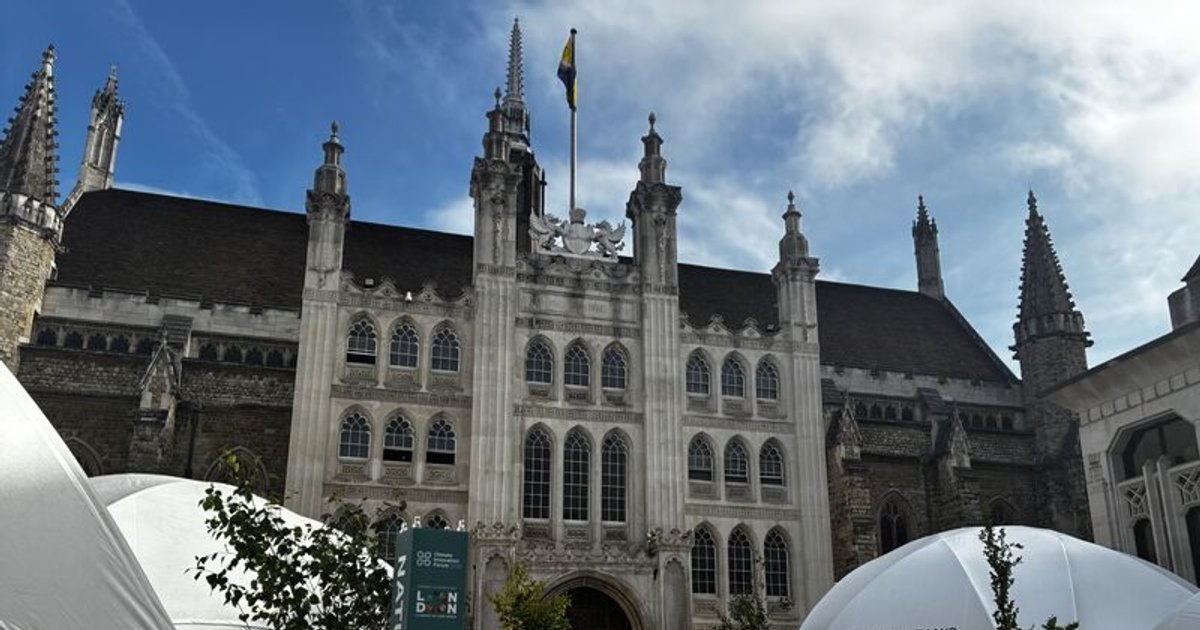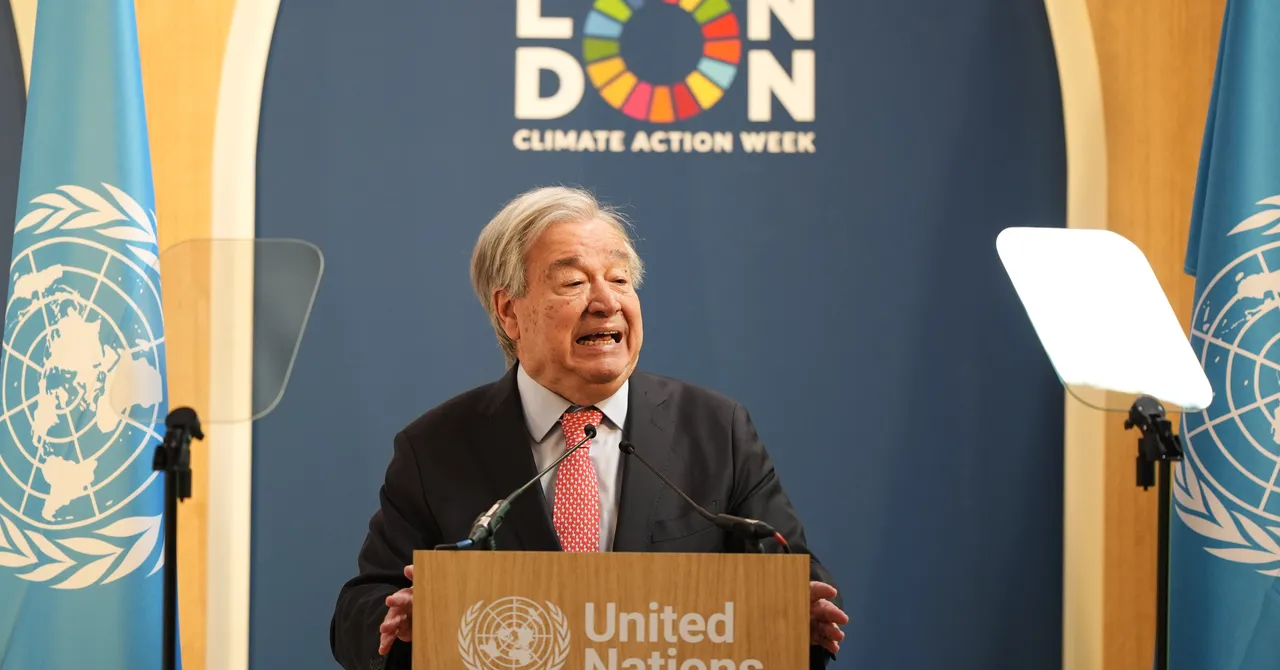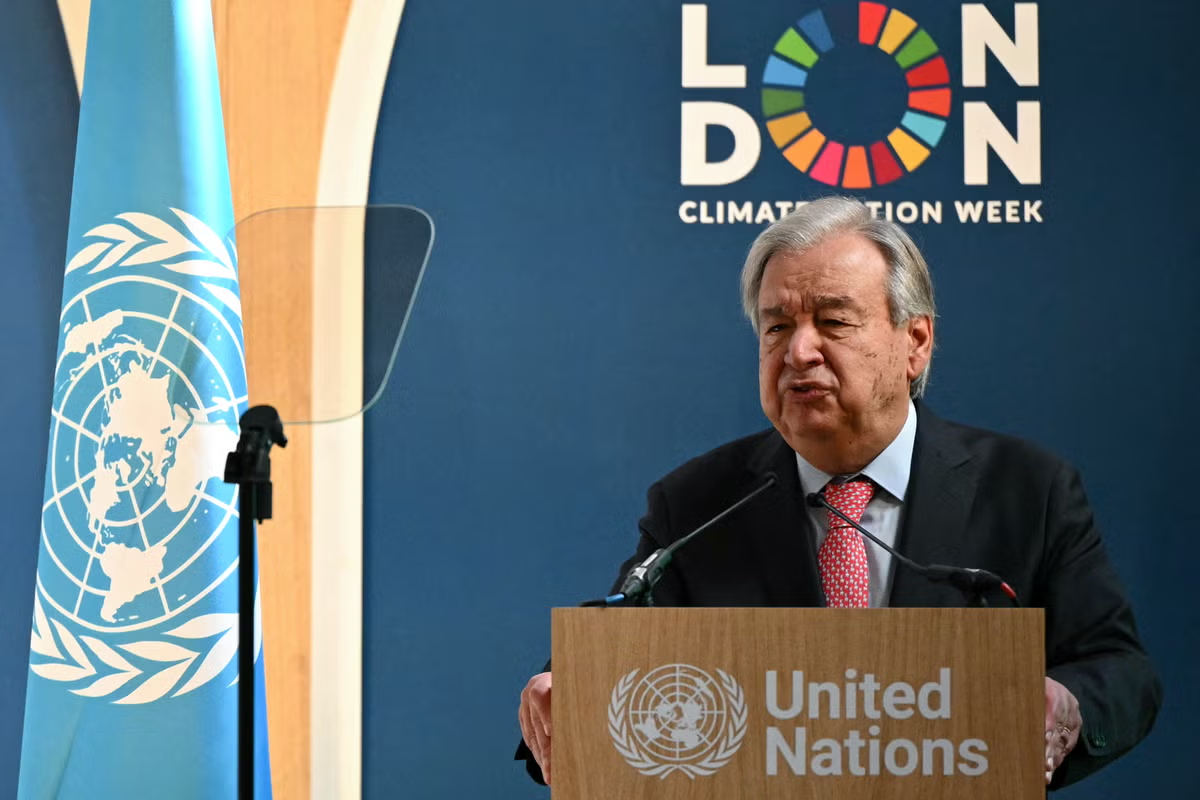
With a record-breaking heatwave gripping the UK in late June, the “action” in London Climate Action Week 2026 needed no explanation. Much like the temperatures outside, the conversations inside intensified, and the soaring mercury served as a live stress test for the very subjects under discussion: infrastructure, public health, business continuity, and the resilience of the systems everyone depends on.
Under the official banner of Climate Cooperation in a Fractured World, delegates spread across the city and the tone was noticeably different from previous years. Fewer pledges, more blueprints. Less “what should we aim for,” more “who is going to finance and build it.”
Sustainability is a driver of growth
If there was a single reframing that ran through the week, it was this: sustainability is not a cost of growth, it is a driver of it.
That shift was visible in how decarbonization was discussed. Conversations that once centered on targets now centered on operations: Scope 3 emissions, value-chain engagement, procurement and logistics decisions, energy demand reduction. Practitioners repeatedly pointed to an “execution gap”—the distance between climate strategies on paper and projects that are actually permitted, financed, and built—and to the unglamorous work of unblocking infrastructure and untangling supply-chain bottlenecks as the real frontier.