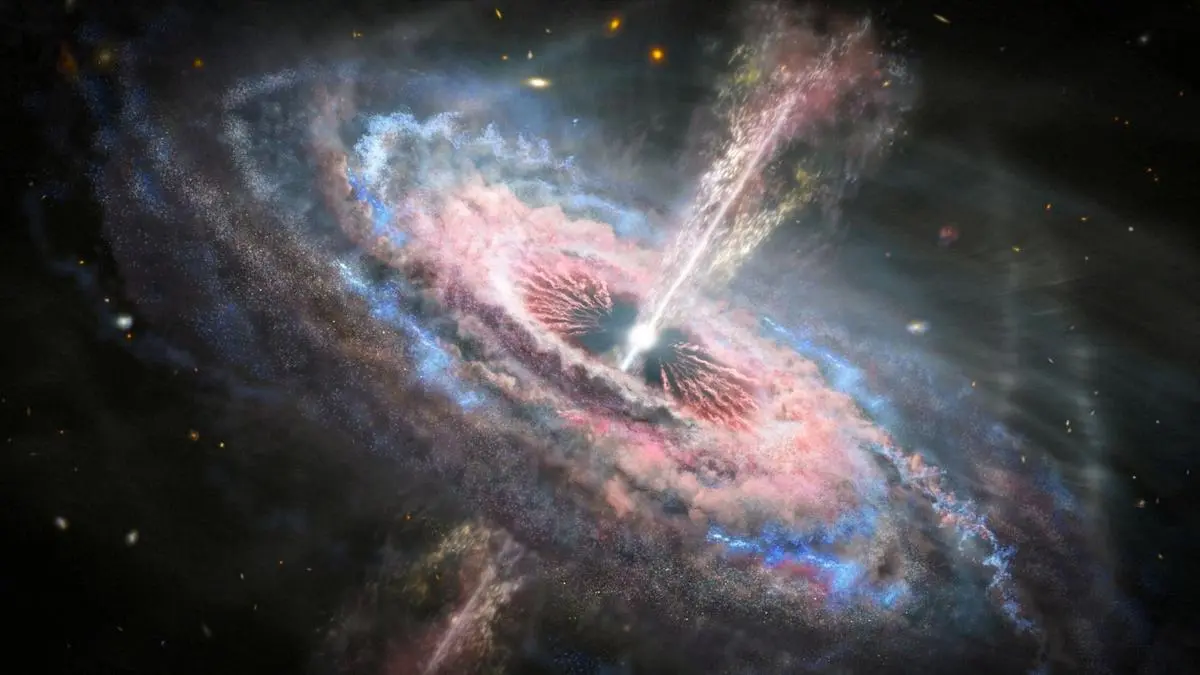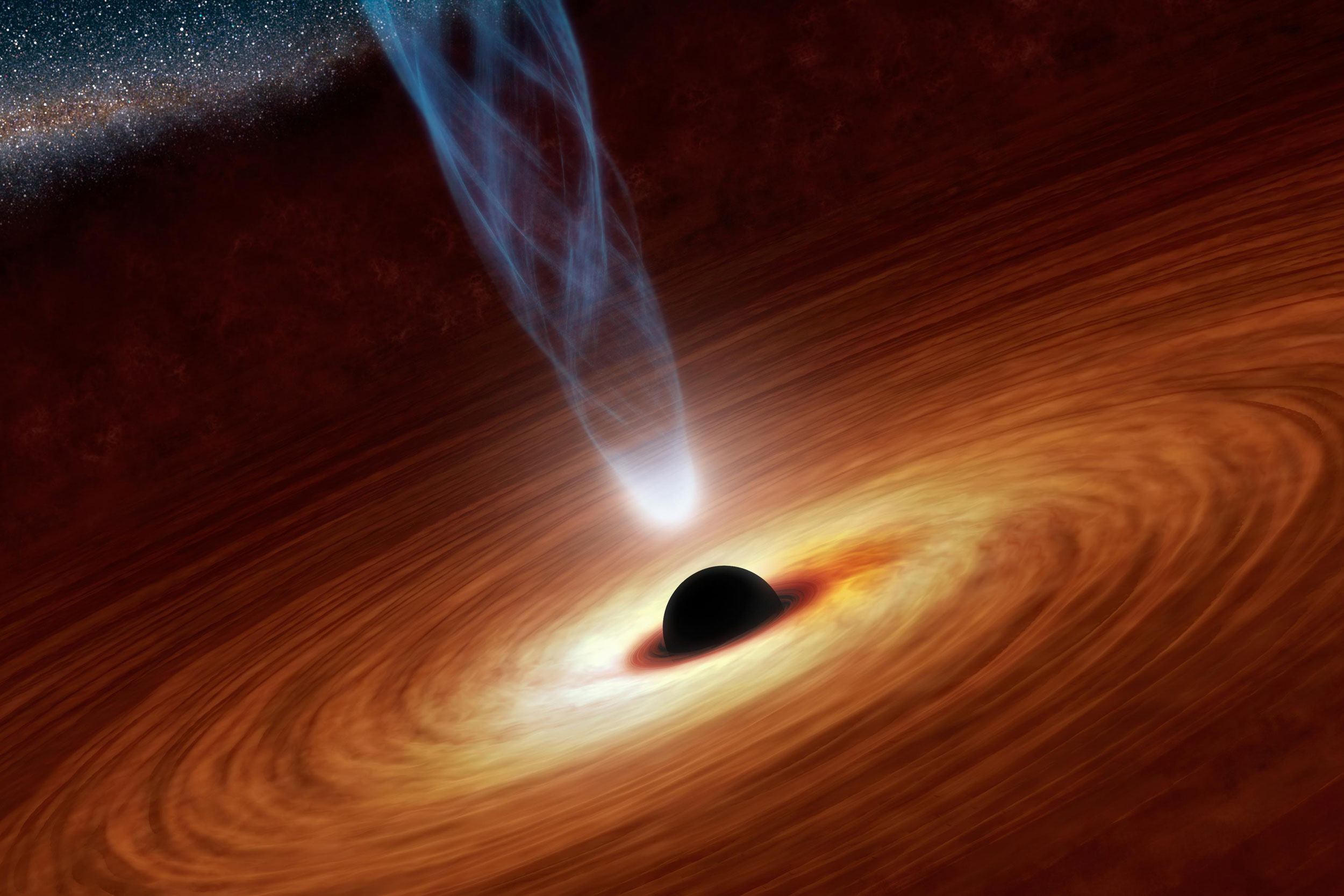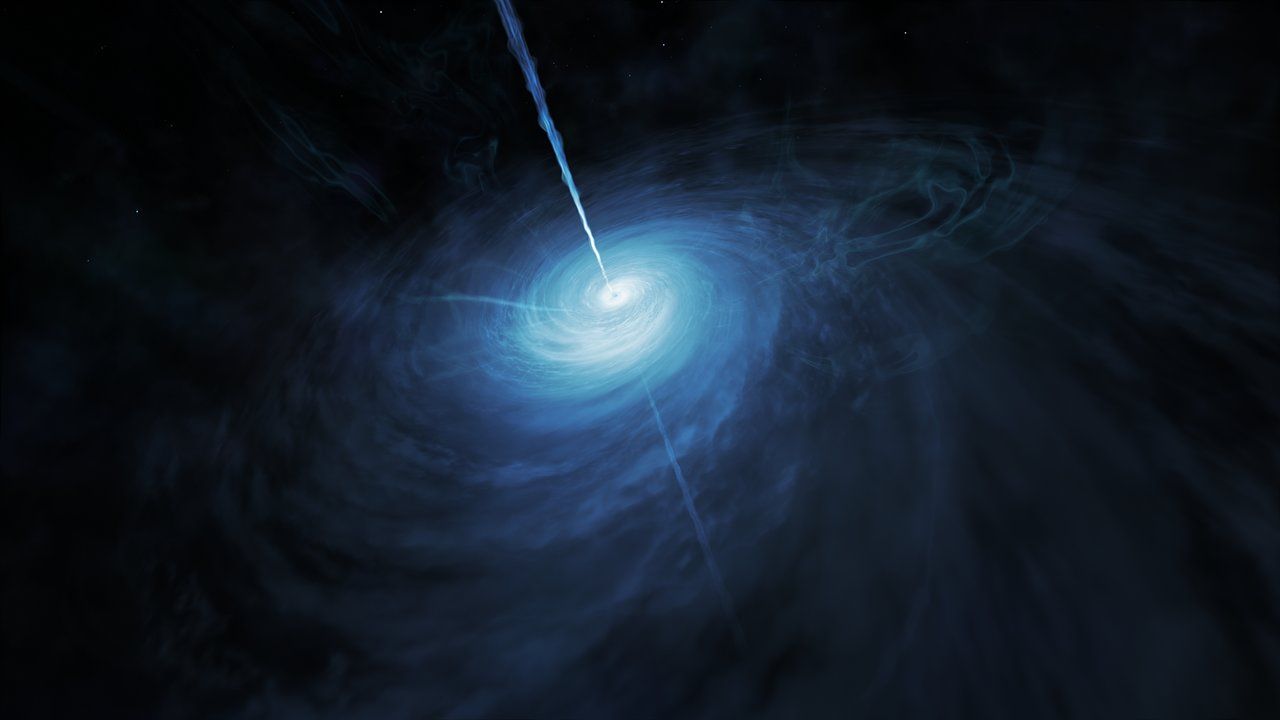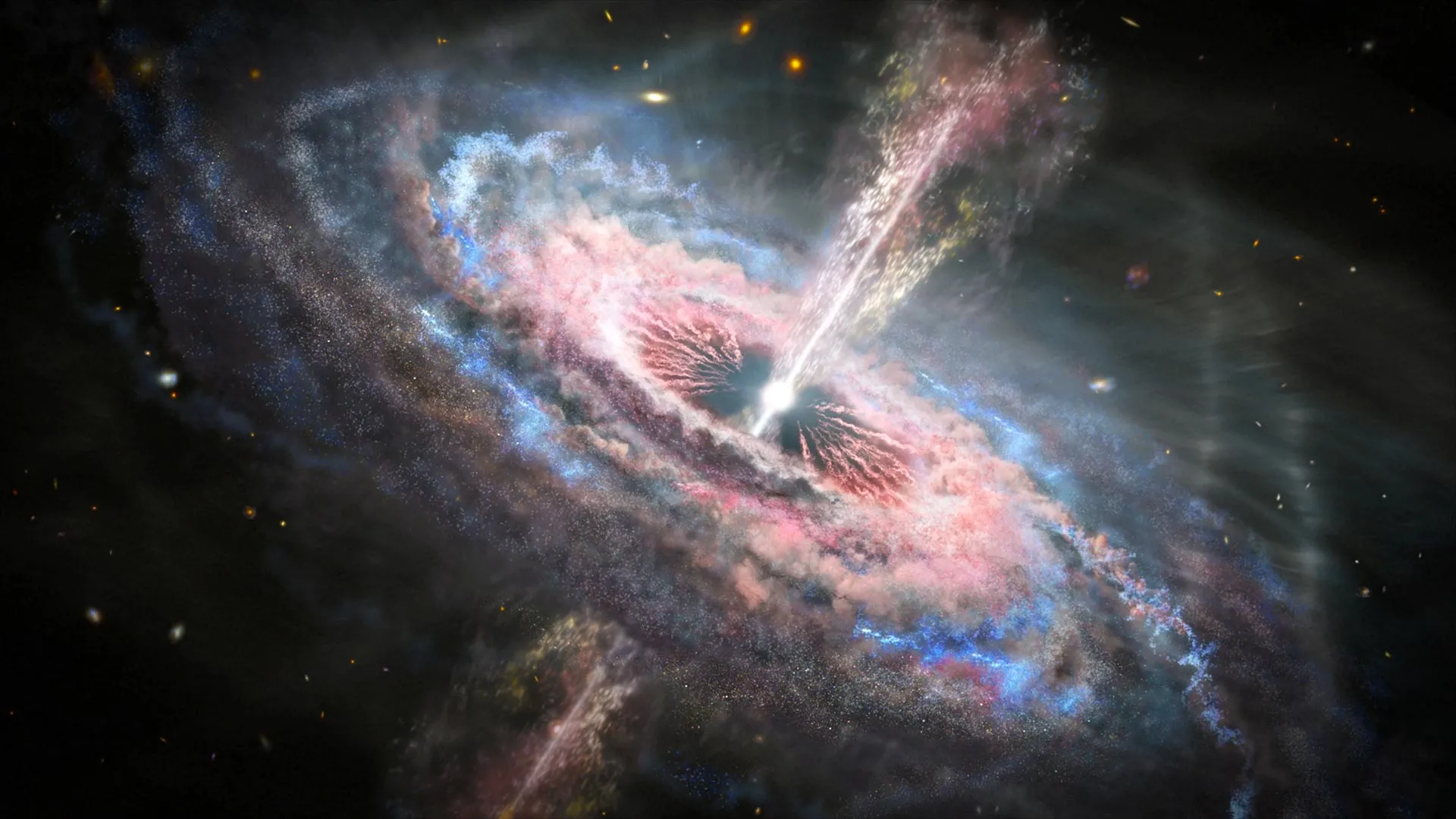
Quasars rank among the brightest and most powerful objects in the universe. They are fueled by supermassive black holes that consume surrounding material at the centers of galaxies, producing so much energy that they can be seen across billions of light years.
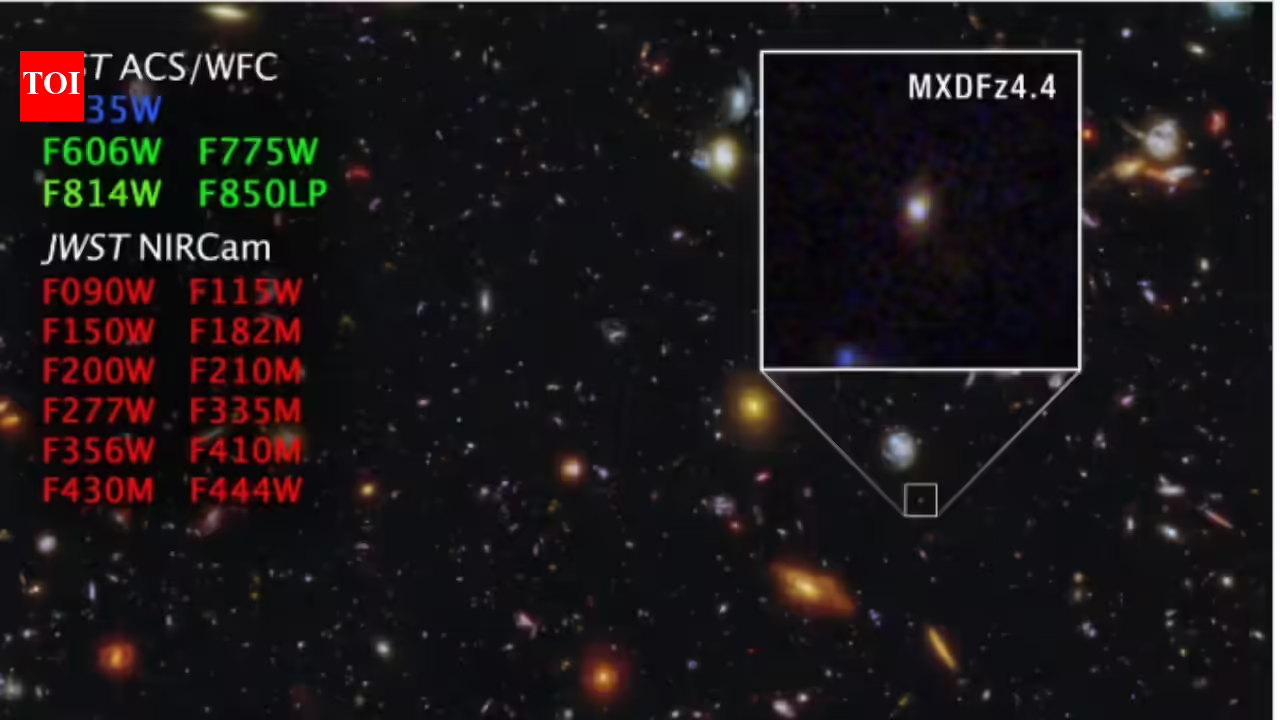
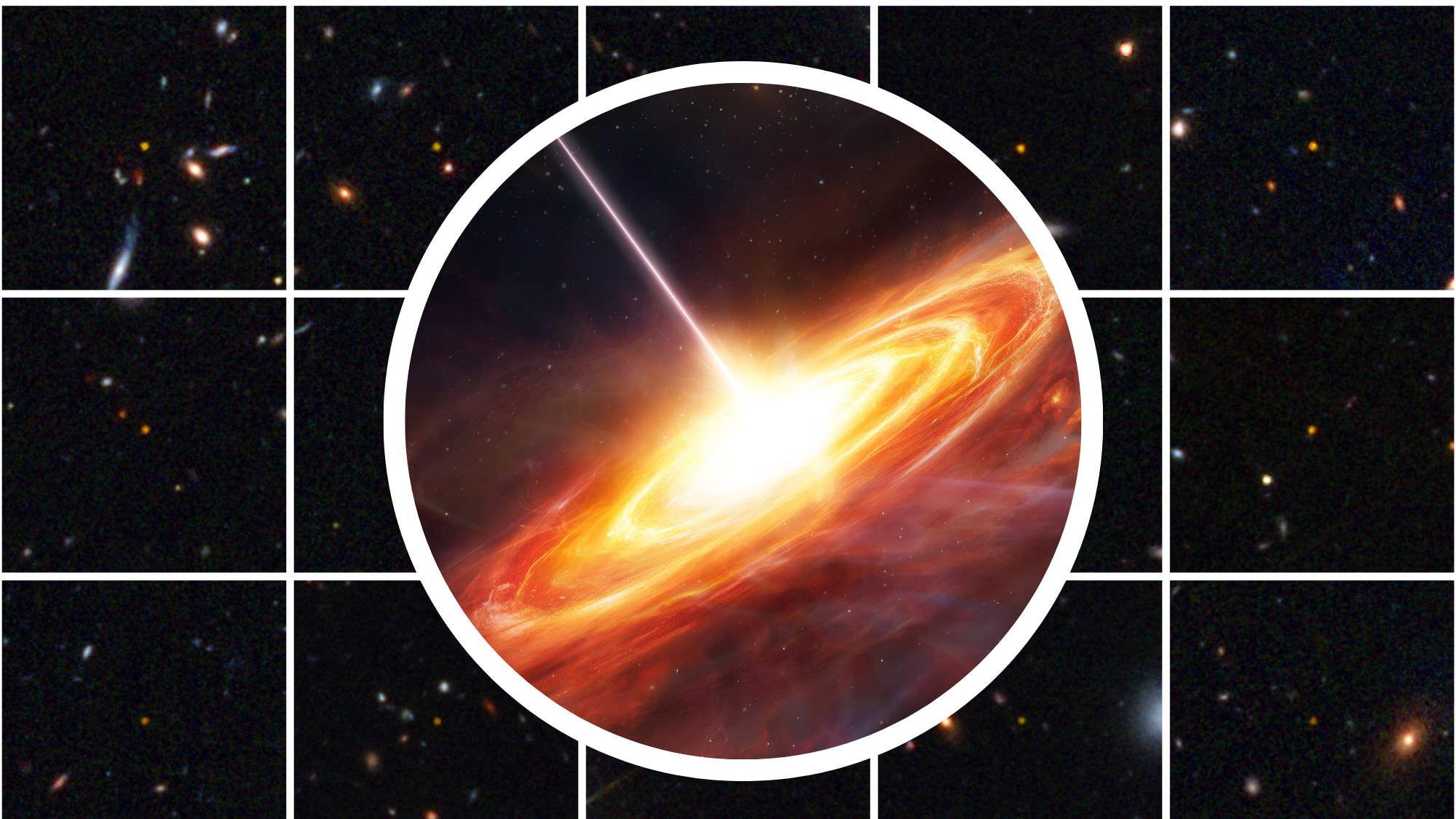
Now, an international team of researchers has identified 31 of the oldest quasars ever discovered, including the two earliest known examples. These extraordinary objects were already shining with the light of roughly a trillion suns when the universe was only about 670 million years old. The discovery, published in Astronomy & Astrophysics, offers an unprecedented glimpse into one of the earliest chapters of cosmic history.
"These objects provide the best clues for understanding how supermassive black holes form," said co-author Joseph Hennawi, a physics professor with joint appointments at UC Santa Barbara and Leiden University. "These monsters -- weighing billions of times the mass of our sun -- somehow already existed when the universe was in its infancy. We don't yet have a good understanding of how they grew so massive, so fast."
Why Ancient Quasars Are So Difficult to Find
For decades, astronomers have searched for the universe's earliest quasars because they preserve valuable information about how the first galaxies and supermassive black holes came into existence.