By
July 9, 2026 / 6:00 AM EDT
/ CBS News
Add CBS News on Google
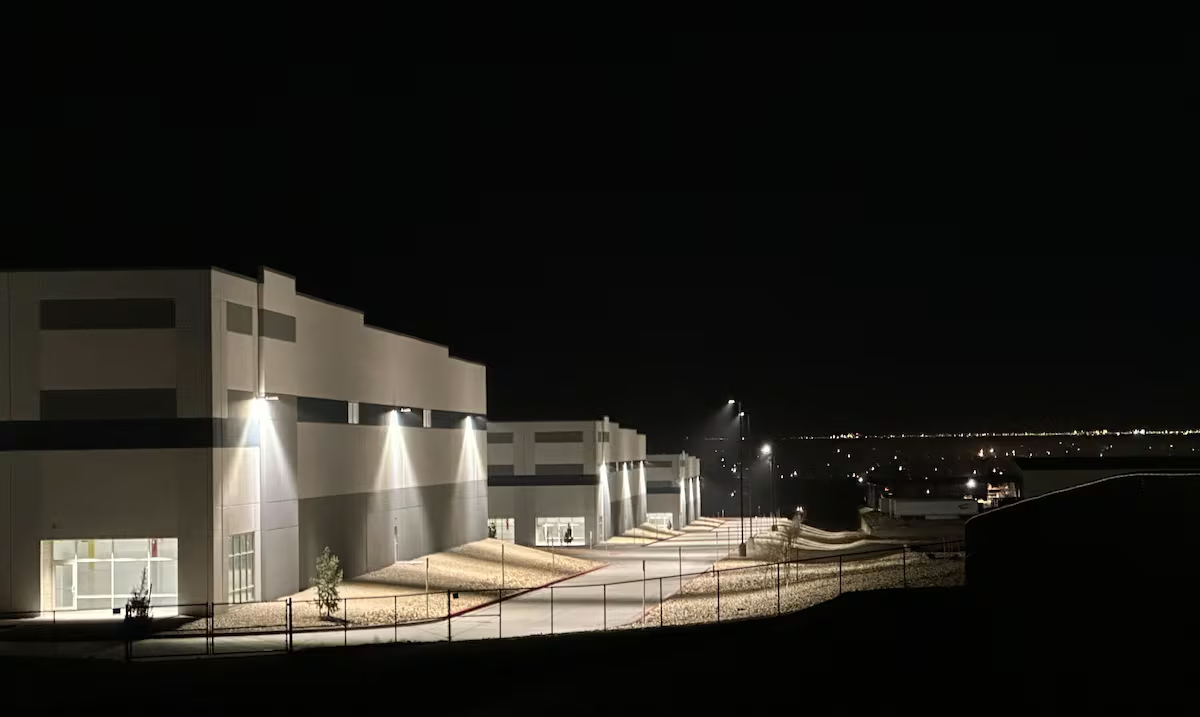
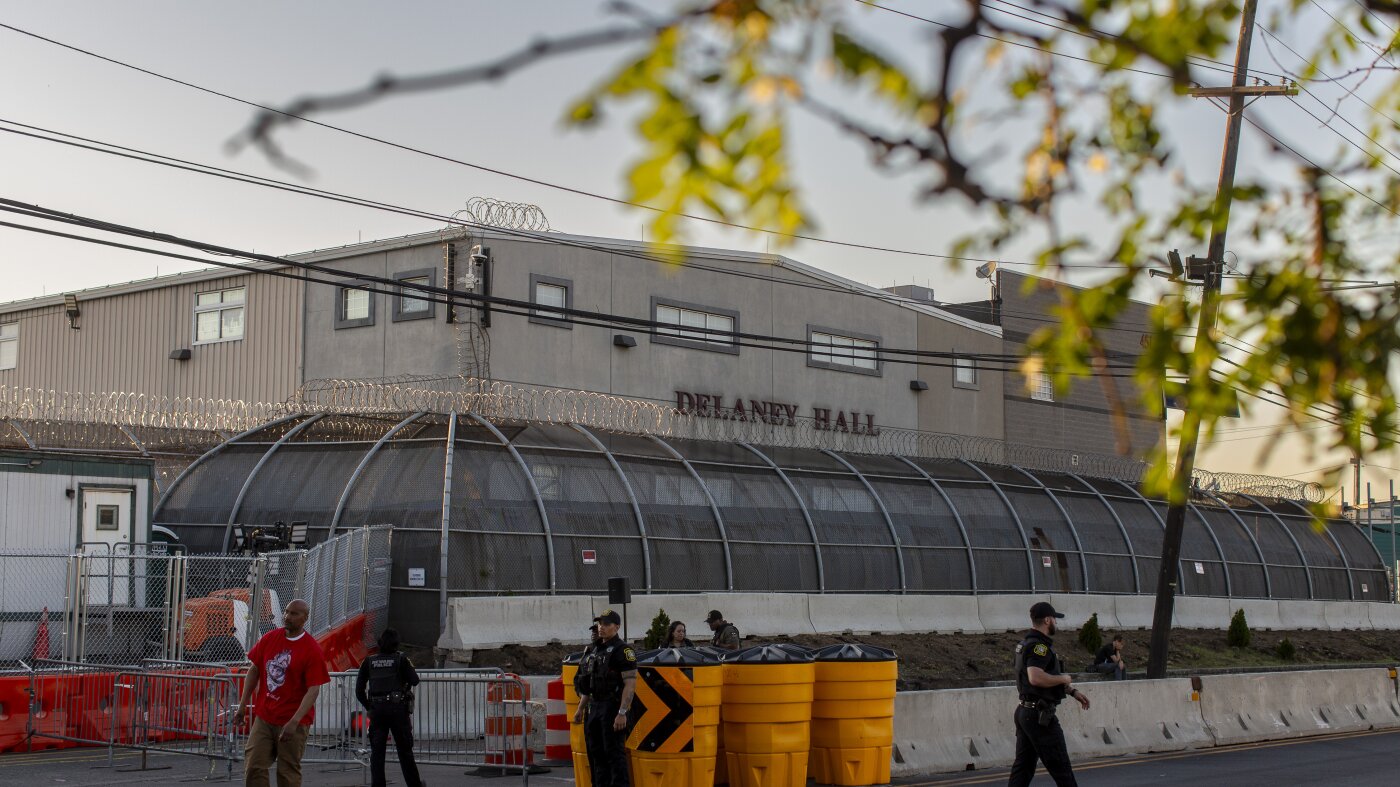
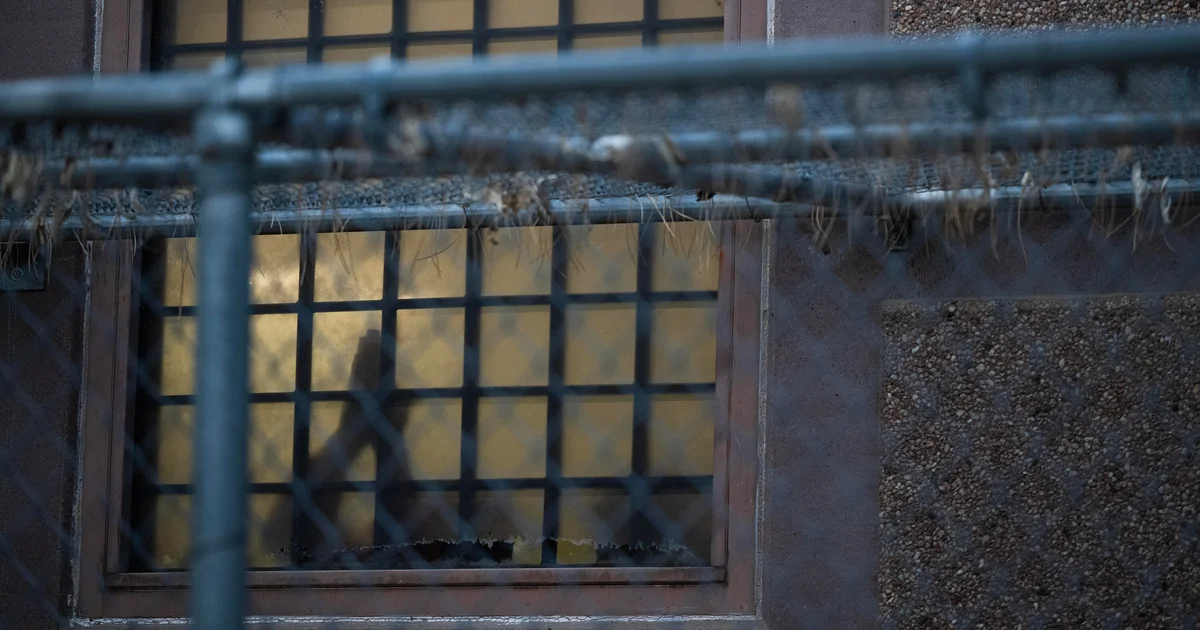
Fifteen of the 45 immigration detention facilities holding 500 or more people hadn't been inspected in over 12 months as of late June, while five had no inspection on record, a CBS News analysis of inspection reports found. This follows a shift in Immigration and Customs Enforcement's policies from inspecting most of its facilities twice a year to once a year or once every two years. It's a move immigration custody experts said weakens an oversight mechanism that was already flawed."A lot of facilities have deficiencies and it takes frequent reassessments to ensure that those deficiencies are being addressed," said Dr. Annette Decker, an assistant professor at UCLA's medical school who has studied health outcomes among immigration detainees and co-authored a 2024 paper calling for inspection reforms. "It's concerning if now they're doing this less frequently, because that's a pretty big time gap between evaluations to just ensure that healthcare and other conditions are being met," Decker told CBS News.Concern about conditions in detention has mounted as the Trump administration's deportation crackdown has pushed the detention population to heights. Deaths in ICE custody were at their highest rate since 2020 last year. In May, concerns about spoiled food and poor medical care sparked a hunger strike inside New Jersey's Delaney Hall and weeks of protests outside the facility. And last month, a government review found dangerous conditions at ICE's largest facility, Camp East Montana in El Paso. Since 2019, ICE's inspections identified at least one deficiency in nearly 90% of inspections they carried out, ranging from staff failing to perform suicide checks often enough to not storing food at adequate temperatures or properly filing incident reports, CBS News' analysis found.A Department of Homeland Security spokesperson defended the changes in inspection policy, telling CBS News that the "frequency of inspections is based on facility type, detention capacity, and operational function," and added that "ICE maintains a robust, multi-layered compliance program designed to promote compliance with ICE's contractually obligated detention standards."