1952Article continues after advertisement
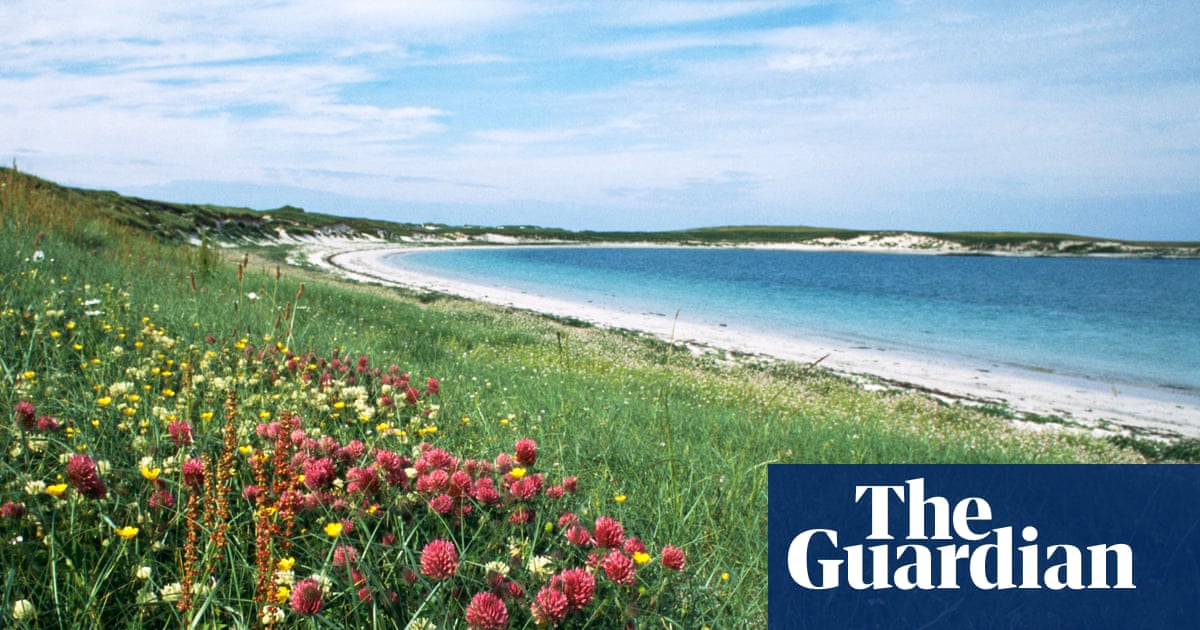
Clay Lockhart’s cries echoed for half a mile up the rain-drowned coastline, carried on the late January storm that tore across the Outer Hebrides—an isolated, windswept stretch of archipelagos in western Scotland. The rain had come quick, driven by a snell, cold wind that cut through old, rattling windowpanes and down to bone. In Saltwell—a small shoreline community along St. Magnus Bay—the residents shuttered windows, called in their children, and herded livestock indoors as they had always done when a western gale lashed against their sturdy homes.
But Clay Lockhart flung open his oak front door and strode out into the storm, a body slumped and weighted in his arms: golden hair spilling from a pallid skull, arms swaying like wet dishrags.
Neighbors farther up the coastline saw his silhouette in the flashes of moonlight between storm clouds, and they made note of the white dressing gown that the body in his arms still wore—now stained with blood from the waist down.
He carried her out to the cliff’s edge of his property, overlooking the brutal sea, and he began to dig. It would be an hour until the work was done, when he finally knelt down—knees in the graying mud, hair slopped with sea-rain—and placed her carefully in the earth, just as he’d done with his parents a decade earlier. He strode back to the house to retrieve the two smaller bodies. They were merely stones, tiny as garden squash, not yet ripe. He placed them beside his wife, nested against her ribs, then began the gut-hard work of shoveling wet dirt back into the three-wide grave.