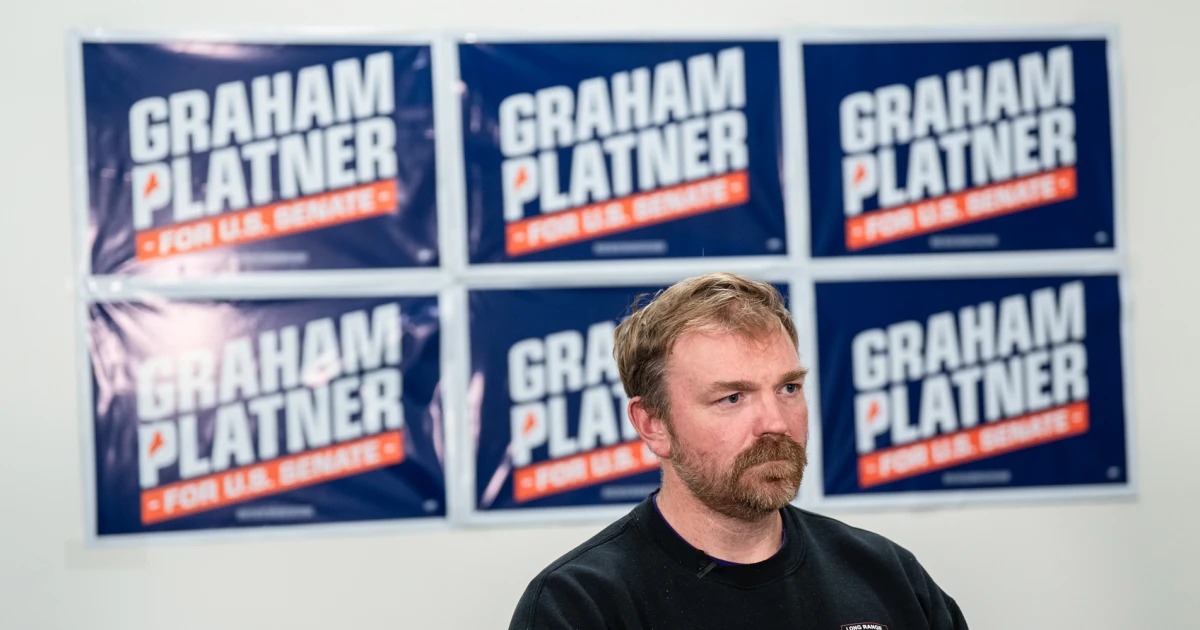
I spend a good part of my professional life as an expert witness, which means courts pay me to tell the difference between evidence and narrative. Judges want dates, corroboration, and contemporaneous accounts. What they do not want is a story that changes shape depending on who benefits from believing it. That is the standard I bring to Graham Platner, the Maine Senate candidate whose party spent a year deciding his conduct toward women was a footnote right up until it wasn’t.Jenny Racicot says Platner let himself into her home uninvited in late 2021, drunk, and forced himself on her after she told him no. She has a date, a location, and, per Politico, text messages and people she confided in at the time, including her therapist and an ex-boyfriend. Platner denies it, calling the account “troubling, serious and false.”Compare that to Supreme Court Justice Brett Kavanaugh, when Christine Blasey Ford could not name a date, a location, or a corroborating witness, and the people she did name said it never happened. Compare it to Tara Reade, who gave a specific year, a specific Senate hallway, and named her mother, her brother, and a friend she told at the time. Reade got a cable-news shrug. Racicot got a chorus of senators pulling endorsements within a day. The difference was not the evidence. It was the letter next to the accused man’s name.
Platner accusation: Believe all women — except when they vote the wrong way
Graham Platner is a Maine Senate candidate whose party spent a year deciding his conduct toward women was a footnote right up until it wasn't.
772 words~4 min read