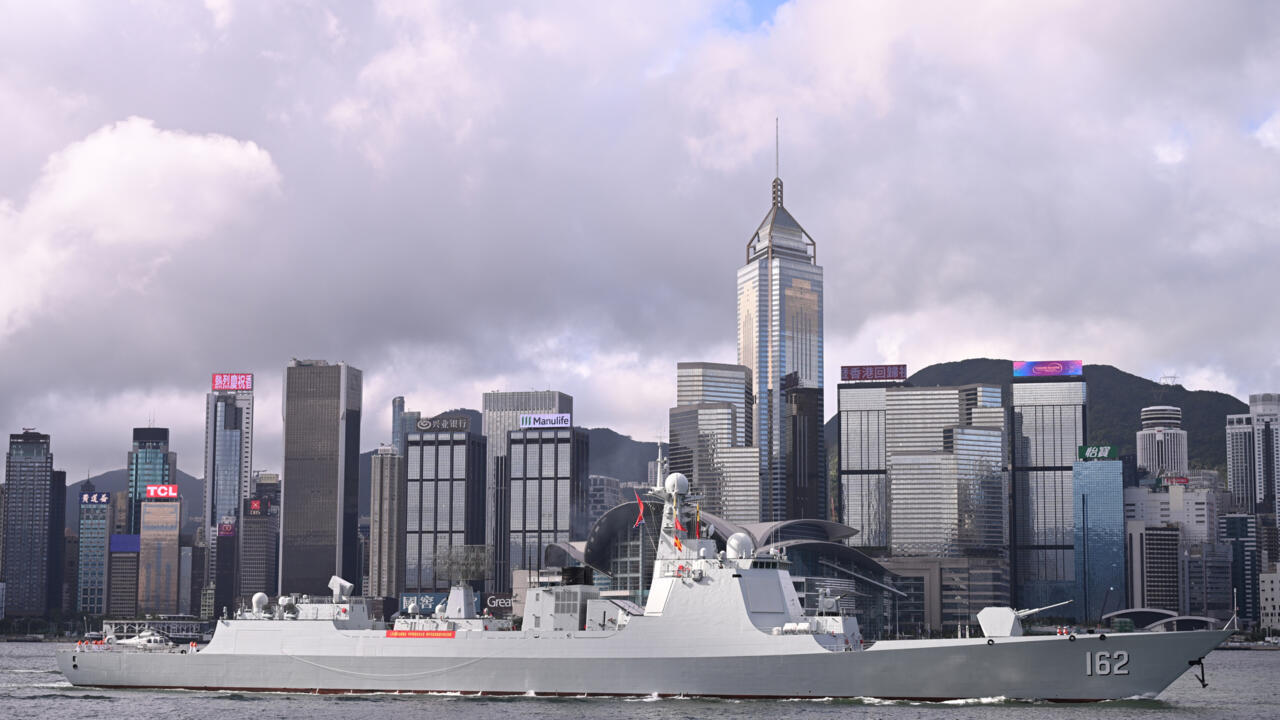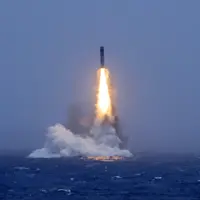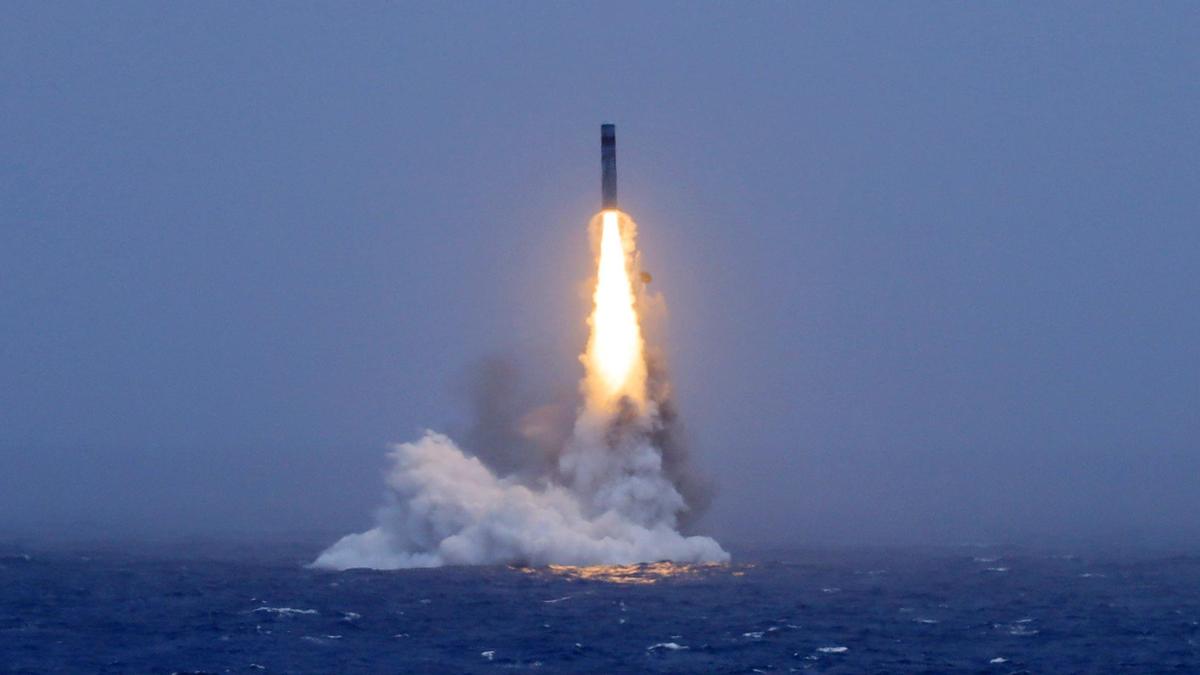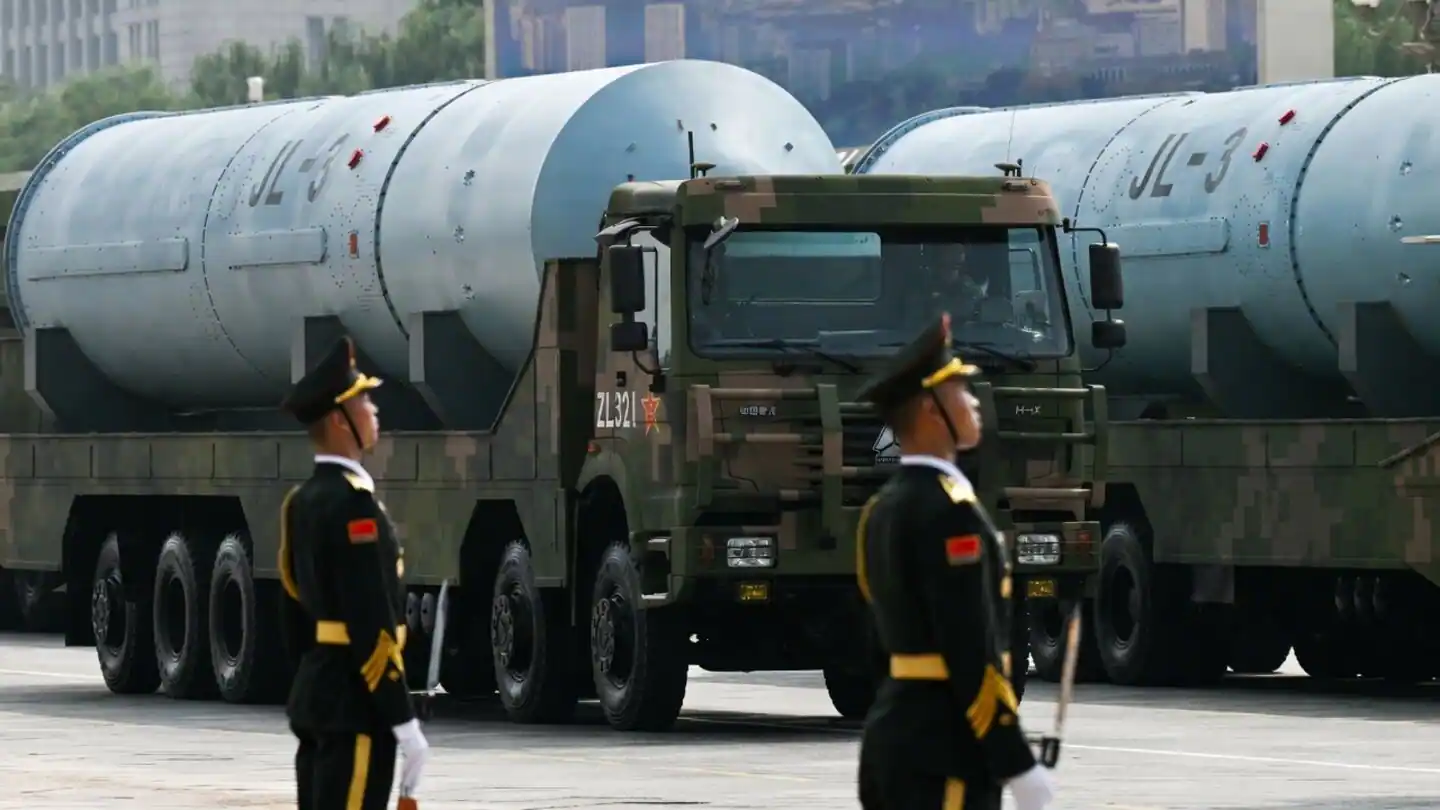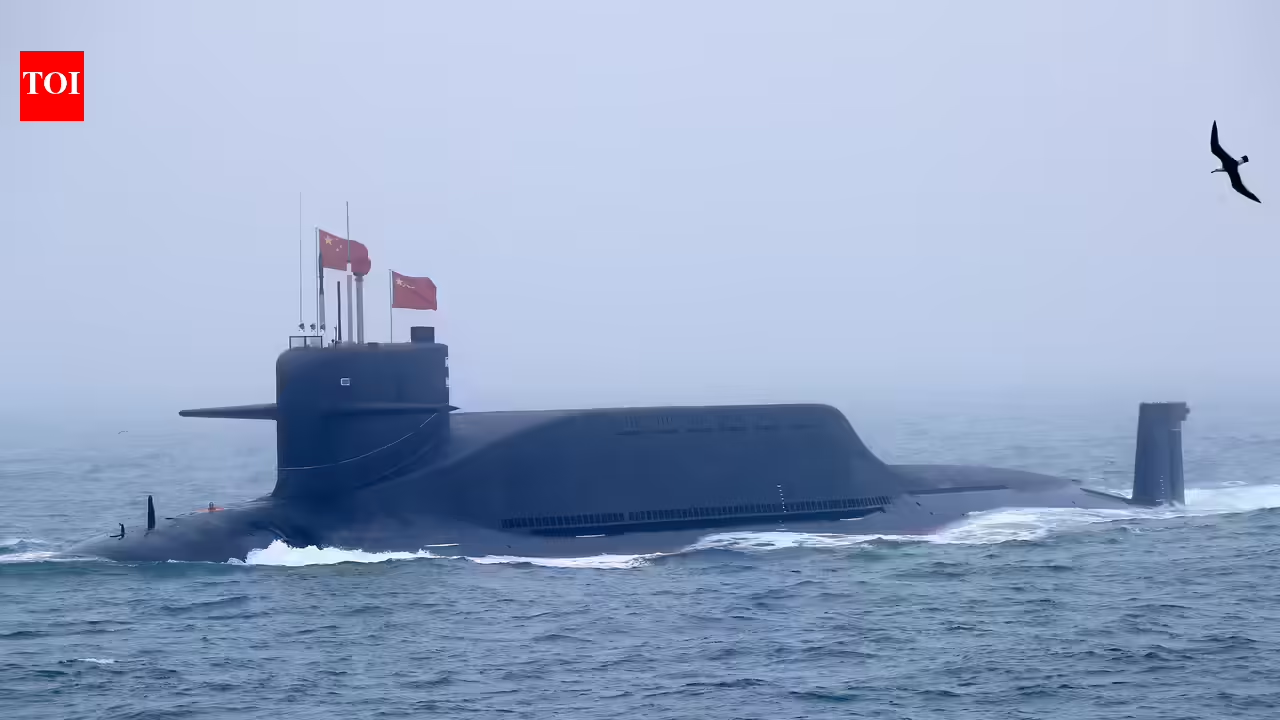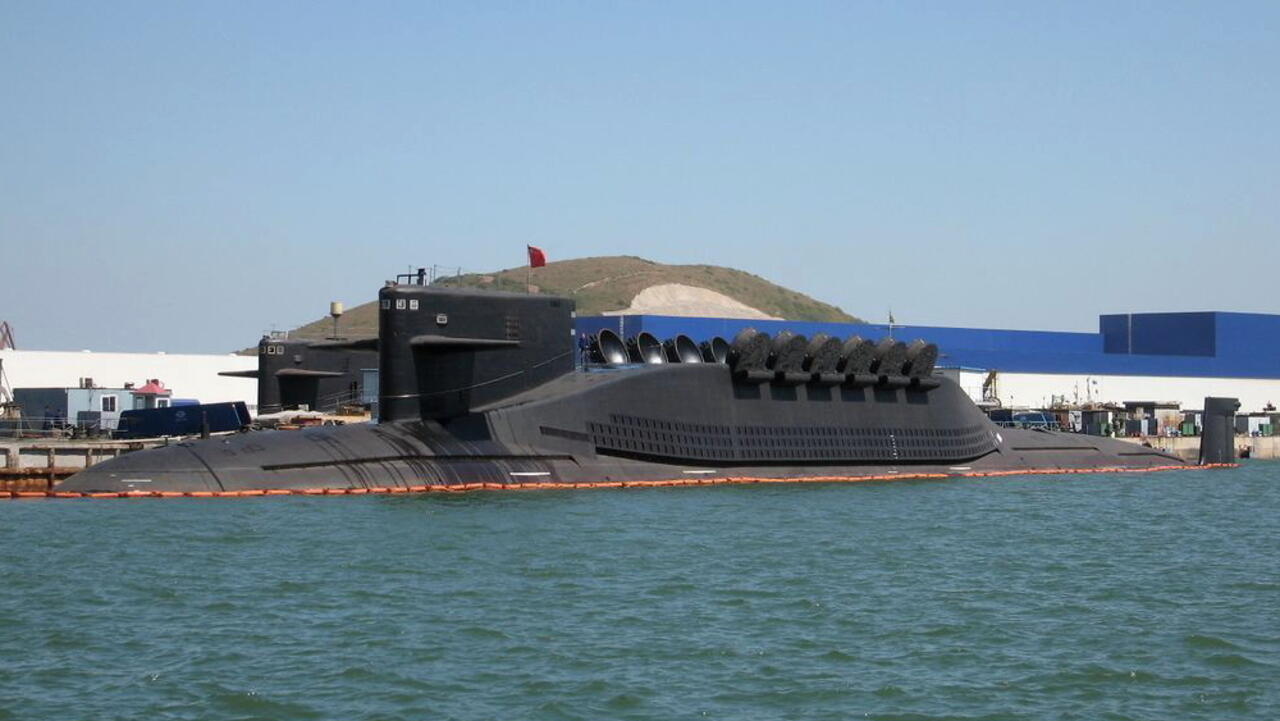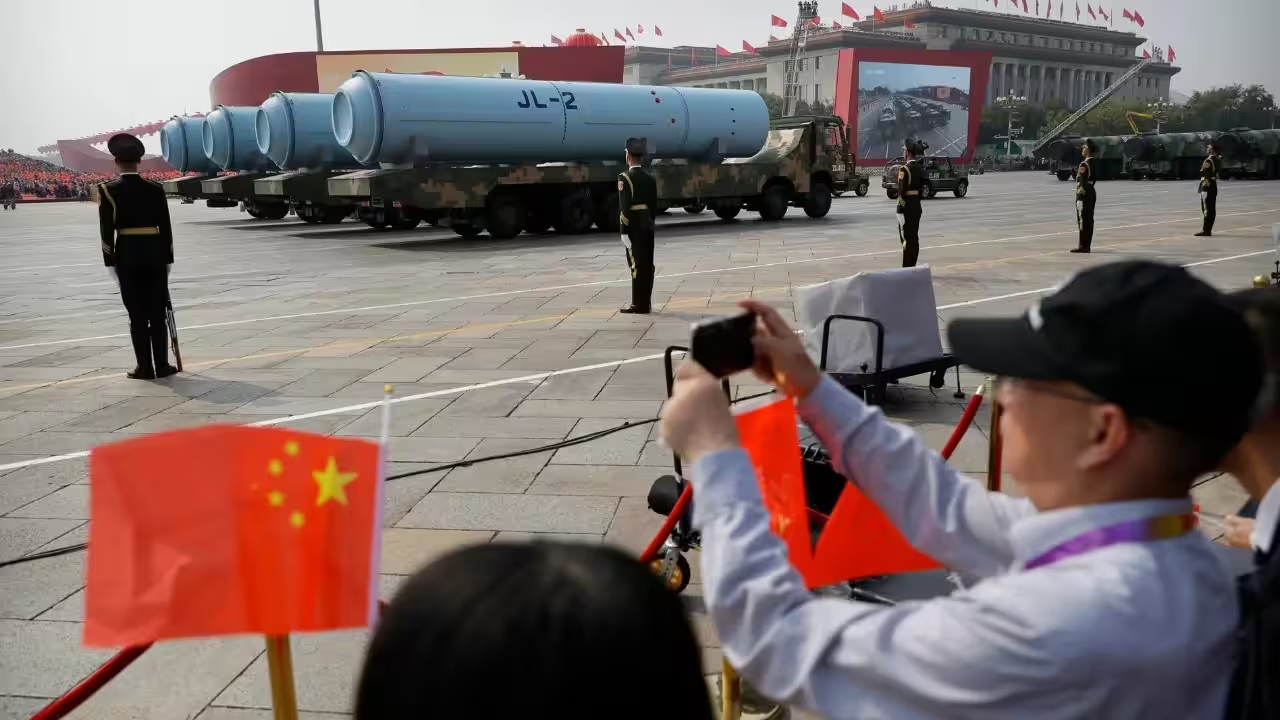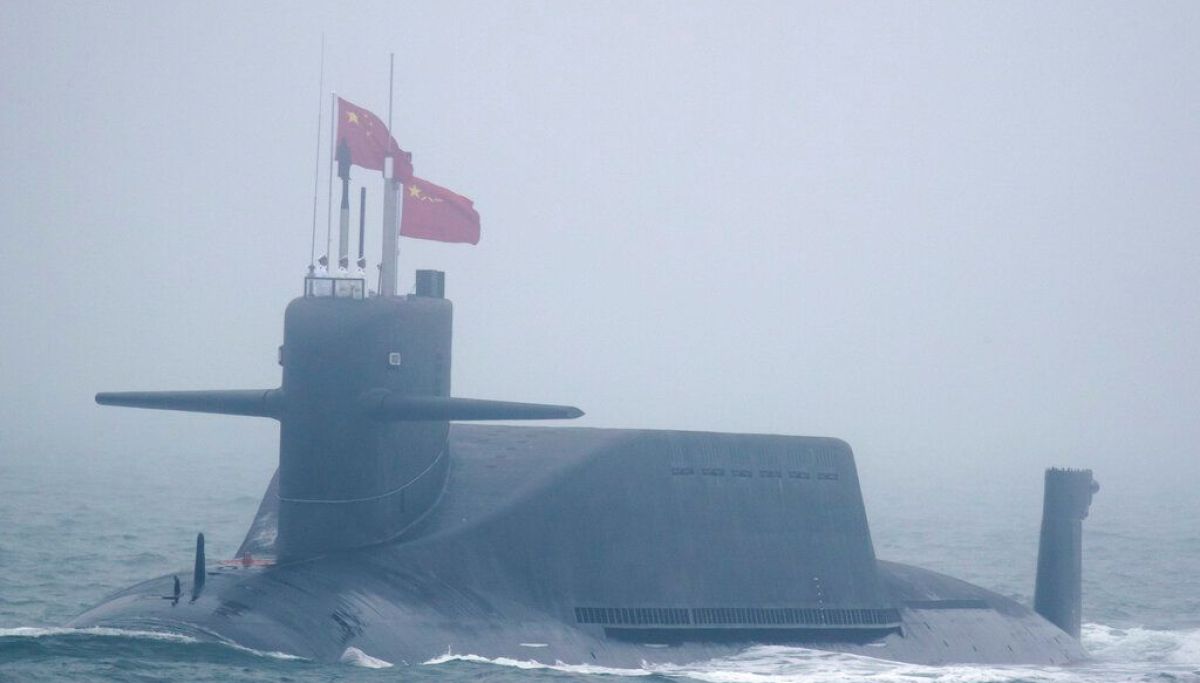
In Focus delivers deeper coverage of the political, cultural, and ideological issues shaping America. Published daily by senior writers and experts, these in-depth pieces go beyond the headlines to give readers the full picture. You can find our full list of In Focus pieces here.China’s People’s Liberation Army tested a submarine-launched ballistic missile on Monday, emphasizing its ability to threaten the United States with the world’s most lethal weapons. Flying more than 4,300 miles, the missile soared high past Taiwan, Japan, and the U.S. territory of Guam, a key Pacific Ocean military bastion. Its dummy warhead, designed to simulate a nuclear warhead, then splashed down in waters north of the Solomon Islands.China’s first objective here was to bolster its military’s nuclear attack potential. This test is the tip of the iceberg in that regard.
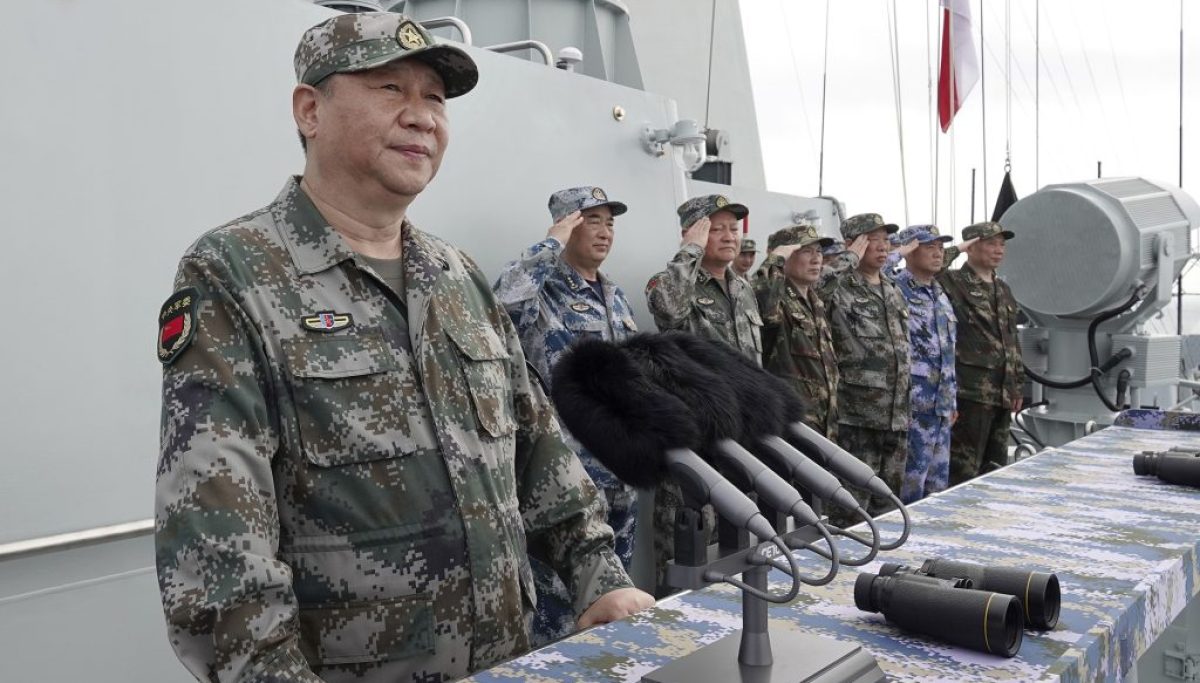
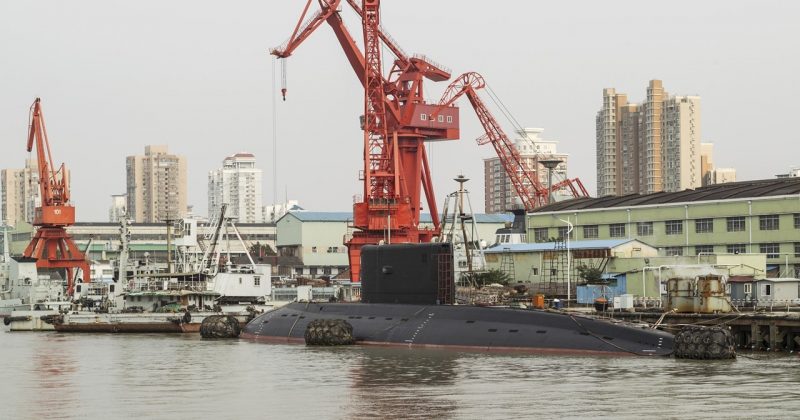
In recent years, China has conducted secret underground nuclear weapons tests while increasing its nuclear warhead stockpiles. The country will possess 1,000 warheads by 2030. The PLA is also dramatically expanding and diversifying its ground, air, space (with new satellites/weapons), and submarine-based nuclear assets. This has made China increasingly confident in its ability to survive an adversary’s first strike and launch a counterstrike.Russia plays a key role here. As the Washington Examiner has previously reported, Russia is sharing its deep expertise in anti-submarine warfare with China (relevant to hunting for American ballistic missile submarines). This technical cooperation has increased across the military technology spectrum. And in return for crucial Chinese economic and indirect military support for its war on Ukraine, Russia has also tolerated China’s systemic espionage. The efficacy of Chinese hackers will very likely have boosted Beijing’s nuclear program.This isn’t to say that the U.S. should panic. While China is advancing, its submarines remain easier to surveil than their American counterparts. Albeit to a lesser degree, the same is true of nuclear weapons-capable aircraft.And contrary to inaccurate movies such as “A House of Dynamite,” the U.S. military retains high redundancy across nuclear concerns of command-and-control, enemy interdiction, and strike operations. In short, the U.S. holds the deterrence advantage over the other nuclear powers, including Russia. President Donald Trump has also repeatedly adopted a more forceful response to foreign nuclear threats than did Joe Biden or Barack Obama.Still, under the ruling Communist Party and its Chairman Xi Jinping, China’s threat is leaping forward. Enduring purges of top PLA ranks have afforded Xi extraordinary unilateral control over his armed forces. Chinese nuclear efforts reflect Xi’s ambition to win any future showdown with America. That can’t be allowed to happen.The defense of Taiwan, Japan, and the Philippines provides the foundation stone for American prosperity and security in the 21st century. If China is able to militarily dominate the Pacific, it will use that control to enforce the political and economic submission of Pacific nations and, eventually, the world. Considering China’s rampant unfair trade activities and disregard for intellectual property as of today, this future world would be one in which Americans were significantly poorer and less free.(Getty Images)