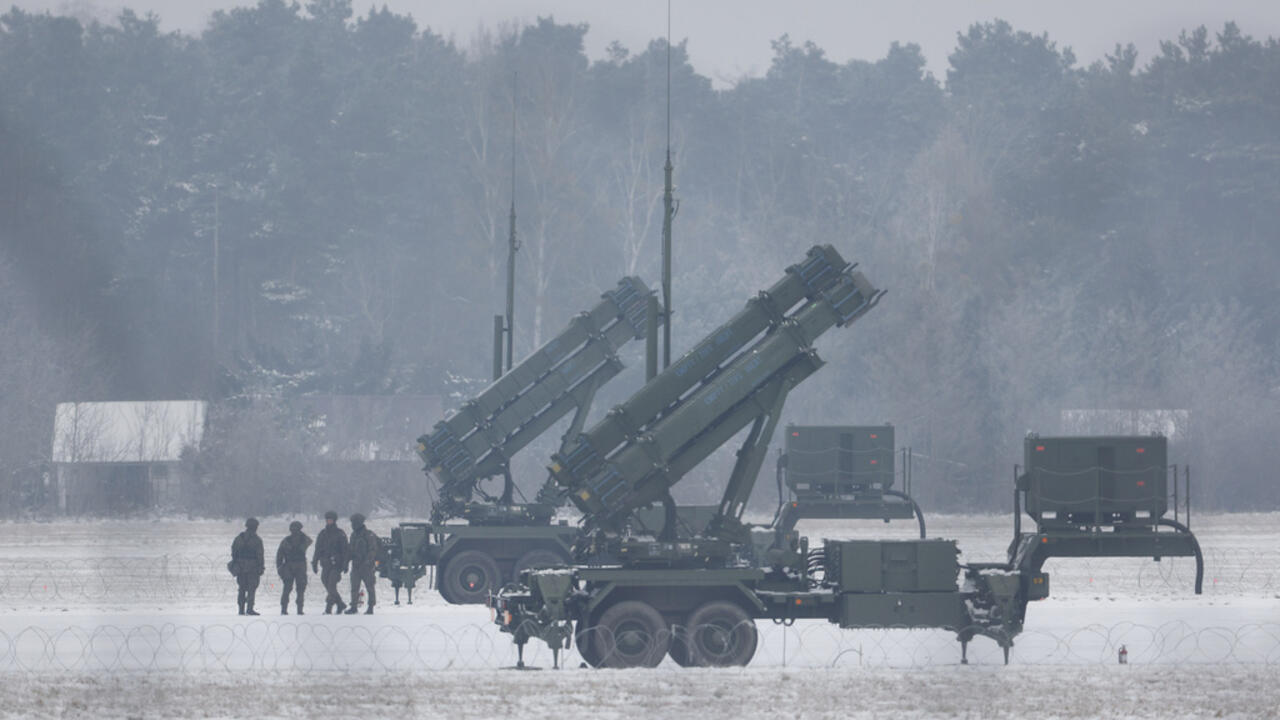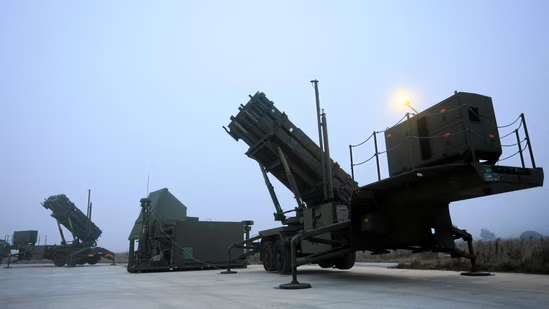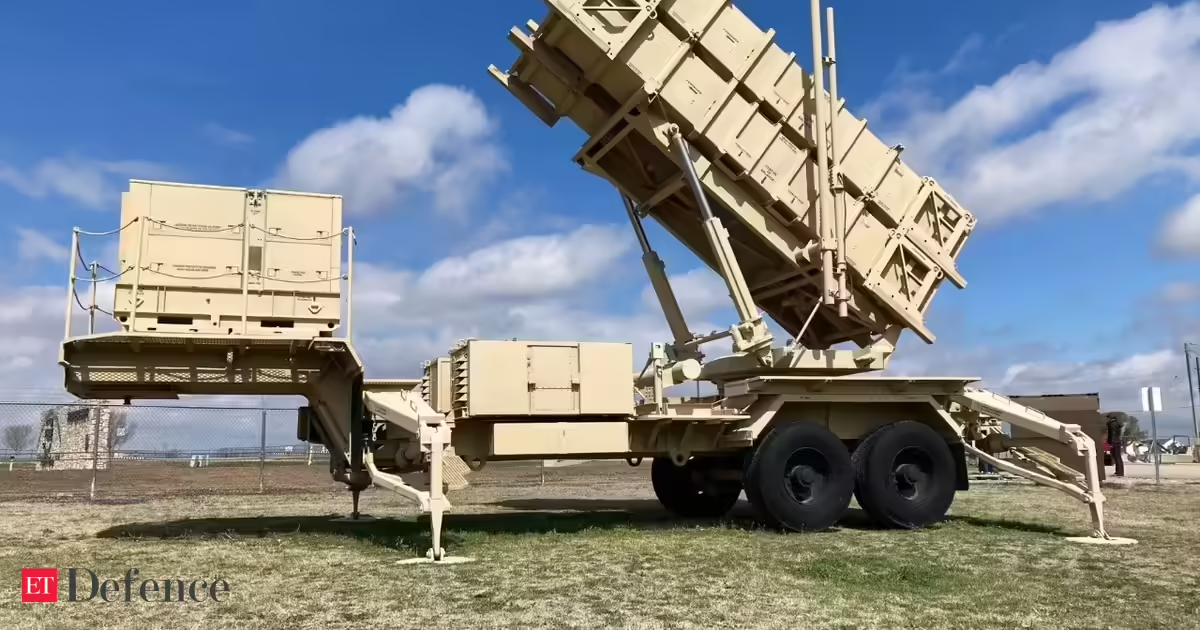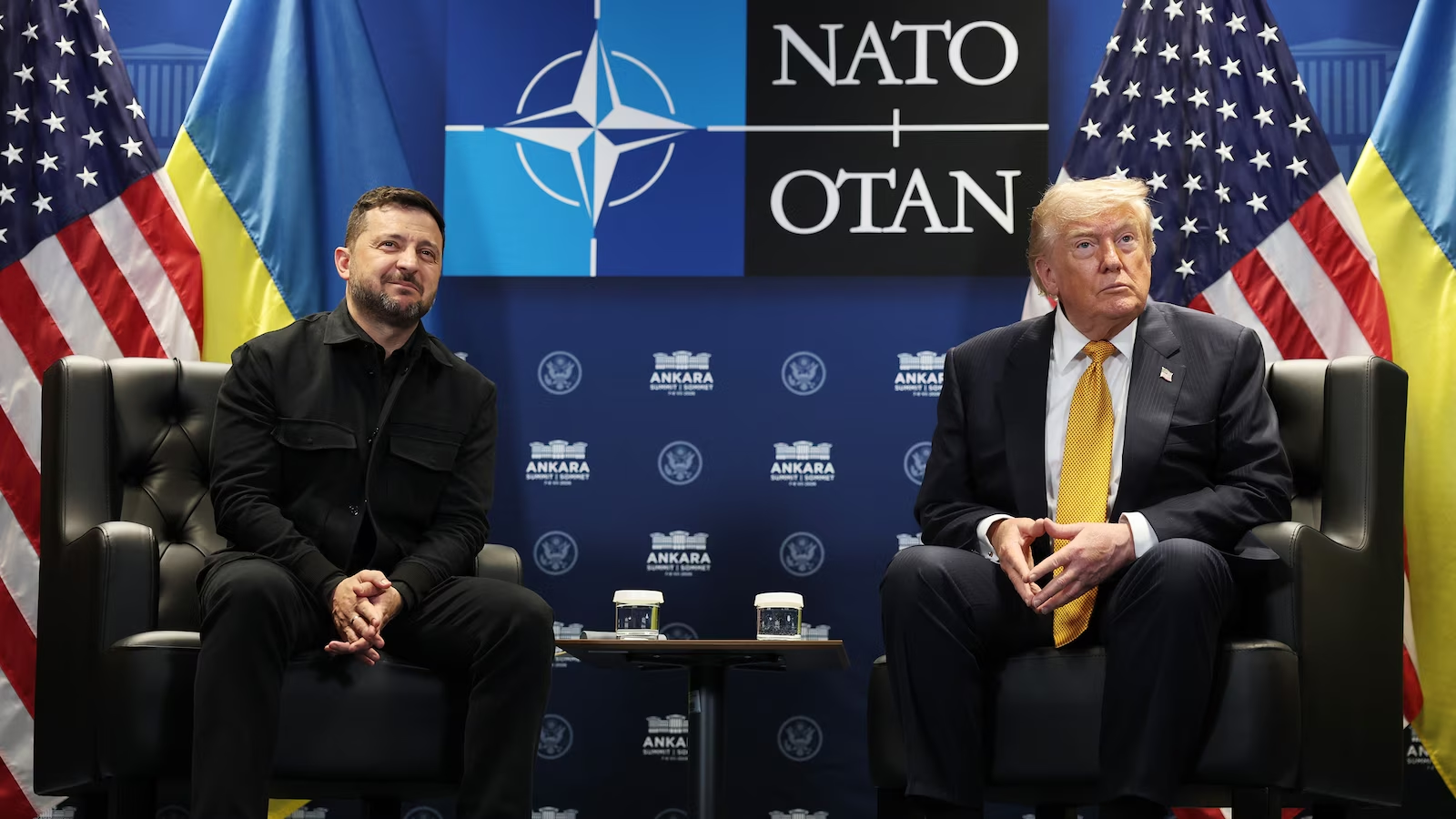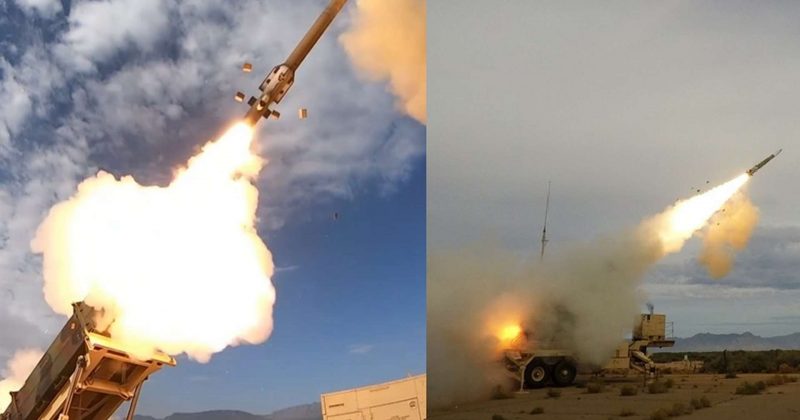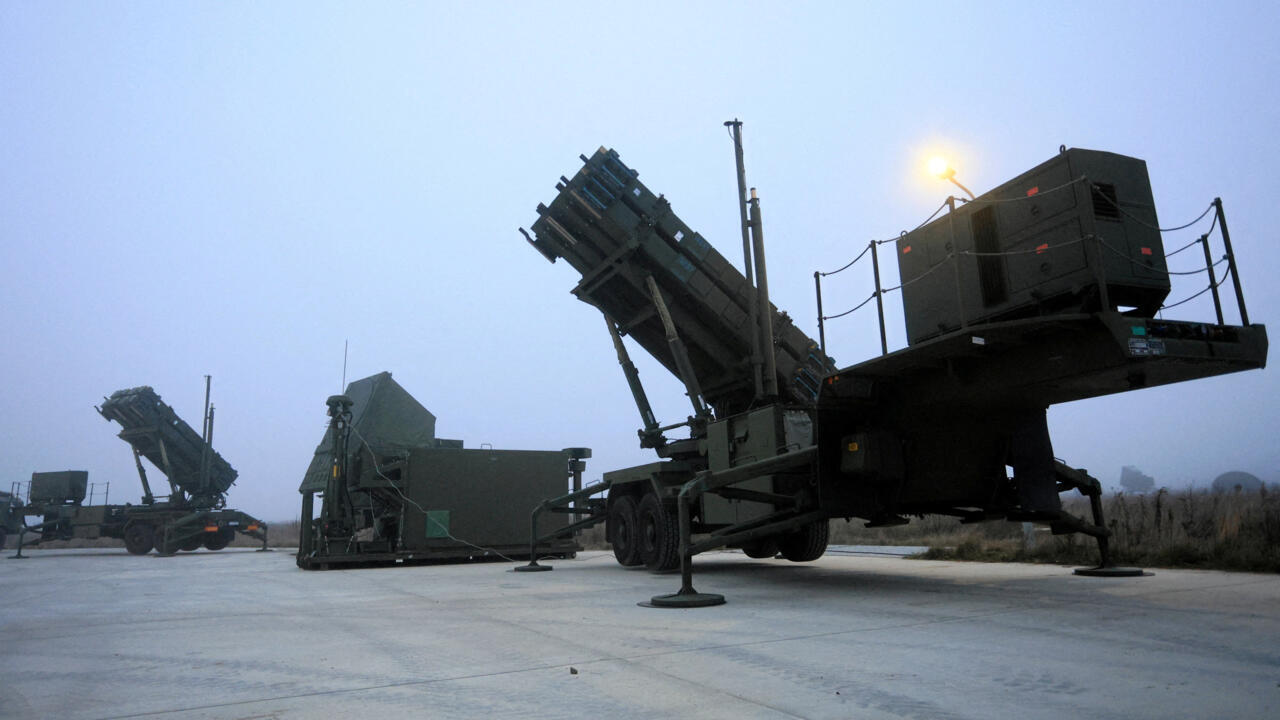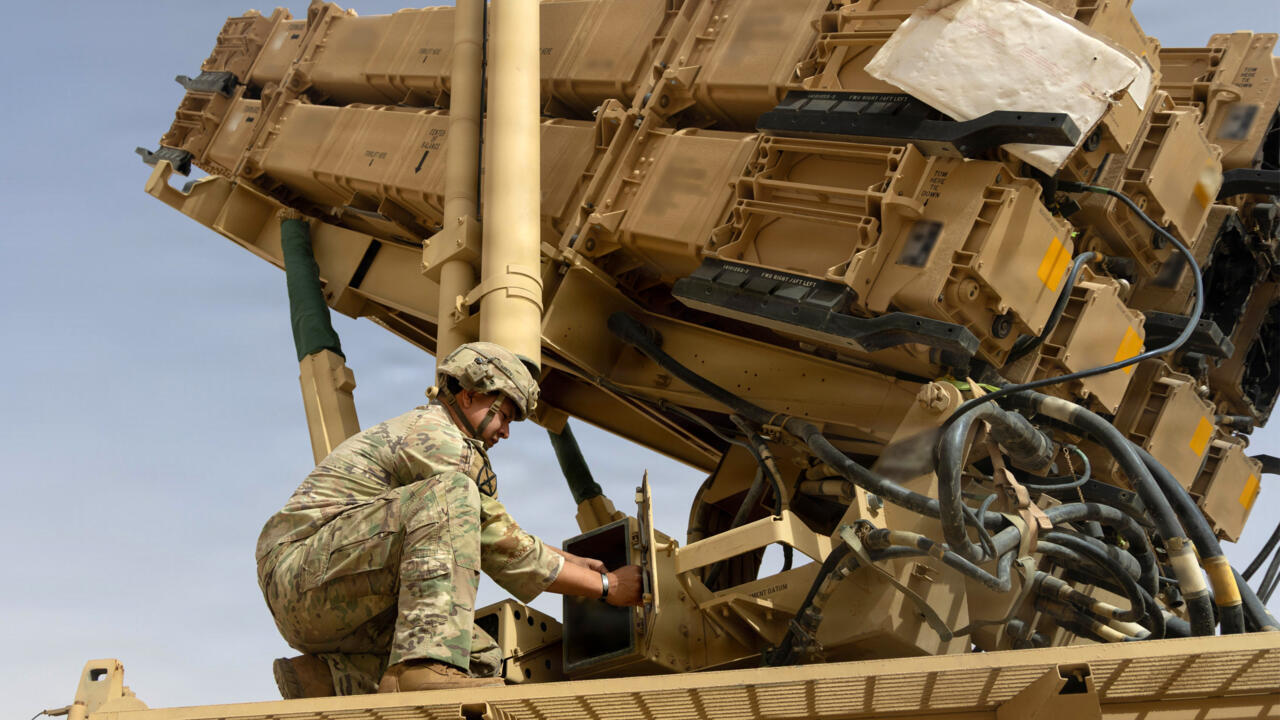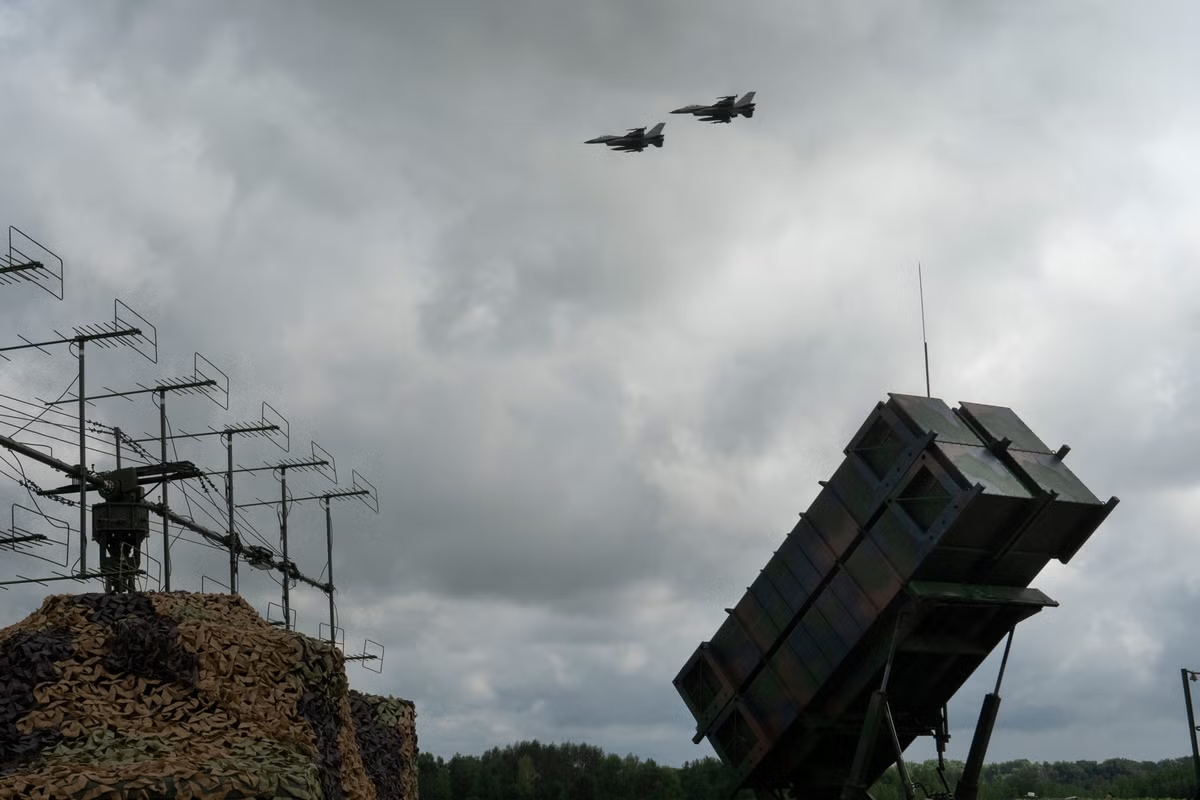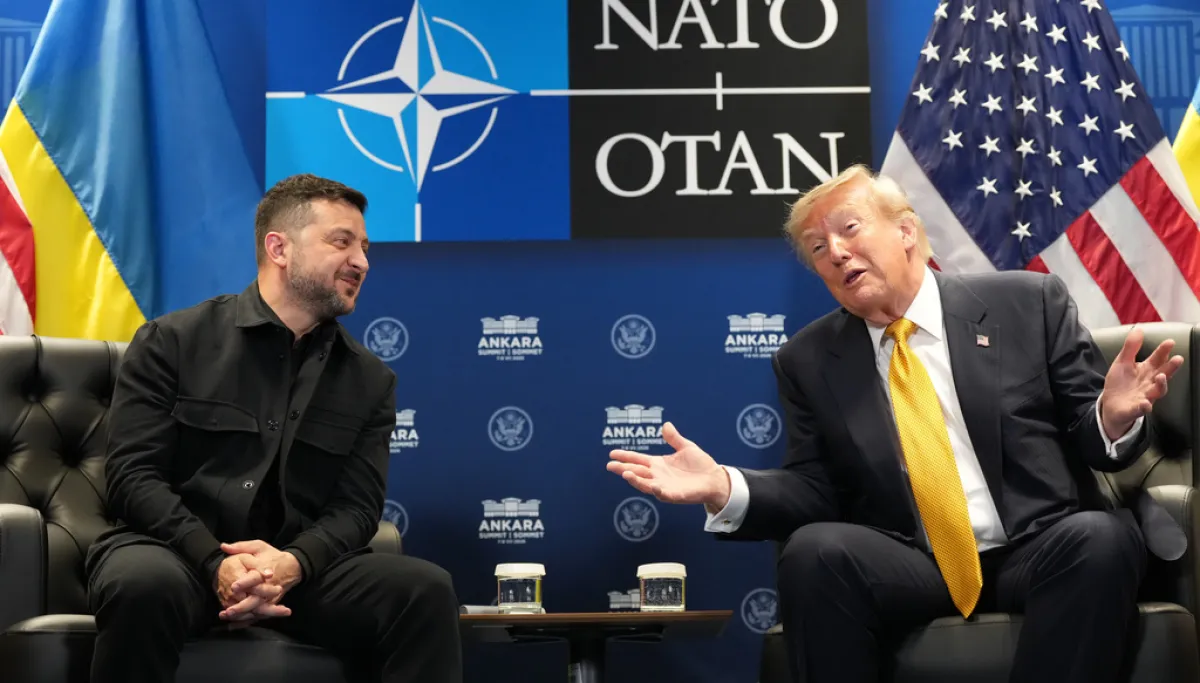
President Donald Trump’s big announcement on Wednesday at the NATO summit that he will approve a license for Ukraine to produce its own Patriot missile interceptors is a significant long-term agreement, but not one that will help the country immediately.The Patriot missile defense system is a highly effective, expensive mobile surface-to-air missile and air defense system designed to intercept ballistic missiles, cruise missiles, advanced aircraft, and other threats. Each interceptor missile alone costs a couple of million dollars, highlighting how expensive the system can be during wartime and why the United States is trying not to reduce its own stockpiles further by giving them to Ukraine.“A little birdie told me this about the fact that we’ll give them the right to make Patriots, we’ll show them how to do it,” the president, seated next to Zelensky, told reporters at the top of their bilateral meeting in Ankara, Turkey, on Wednesday. “It’s very complex, actually, but you’ll figure out the complexity quickly, and we’re talking about that.”
There are still a number of unknowns about the deal, including whether Ukraine will be manufacturing the Pac-3 missile, the newest Patriot interceptor, or an older version, and where exactly the manufacturing will take place. Trump even acknowledged, while making the announcement, that he hadn’t informed Lockheed Martin, which produces the air defense system, about his decision ahead of time, though he said, “they’ll be thrilled.”Zelensky has asked for additional air defense systems and interceptors from his western allies for years as his country gets pummeled by Russia’s air campaign. The Ukrainians’ ability to produce counter-drone systems at scale has significantly helped their defensive capabilities, but they rely on allies for the systems and interceptors required to stop more exquisite systems, primarily ballistic missiles.In the lead-up to the NATO summit in Turkey, Russia carried out a major aerial attack on Monday, which included firing approximately 350 drones and more than 60 missiles, according to Zelensky, who noted that the country’s air force was able to stop more than 90% of the incoming drones and cruise missiles. Ukrainian Air Force spokesman Colonel Yurii Ihnat said Ukraine was not able to stop any of the 29 ballistic missiles that were fired in the barrage that killed more than 20 people.The stark difference in Ukraine’s ability to stop drones and cruise missiles but not ballistic missiles has prompted Russia to use more ballistic missiles in its aerial barrages to inflict maximum damage.“That is the only explanation for the problem with ballistic missiles – insufficient number of interceptors. This is especially true for Patriots,” Zelensky said on Monday, before the NATO summit. “Russia is betting specifically on ballistic missiles, and those who want peace must bet on protection against ballistic missiles.”“We have long made the case that we are capable of producing such defensive weapons ourselves,” he added. “If Ukraine were granted U.S. licenses to produce Patriots, our own production would be sufficient both to protect Ukraine and to help partners in need. We are in contact with everyone around the world who can provide air defense missiles now.”The two sides also discussed a possible drone deal during Wednesday’s meeting, in which Ukraine would help the U.S. improve its offensive and defensive drone capabilities.TRUMP SAYS US WILL GRANT UKRAINE LICENSE TO PRODUCE PATRIOT MISSILESAfter Wednesday’s conversation, Ukrainian Ambassador to the U.S. Olha Stefanishyna said the conversations “sent several important strategic signals about Ukraine’s ongoing collaboration with our American partners,” and that “the readiness to cooperate on Patriot missile capabilities and move forward on drone deal reflects a shared understanding that our security cooperation is in the strategic interests on both countries.”The U.S. is also seeking to increase the industrial base’s production of several critical air defense systems, including the PAC-3. The Pentagon has announced several deals and increased the budget request from last year to compensate for the increases they want to see in manufacturing.