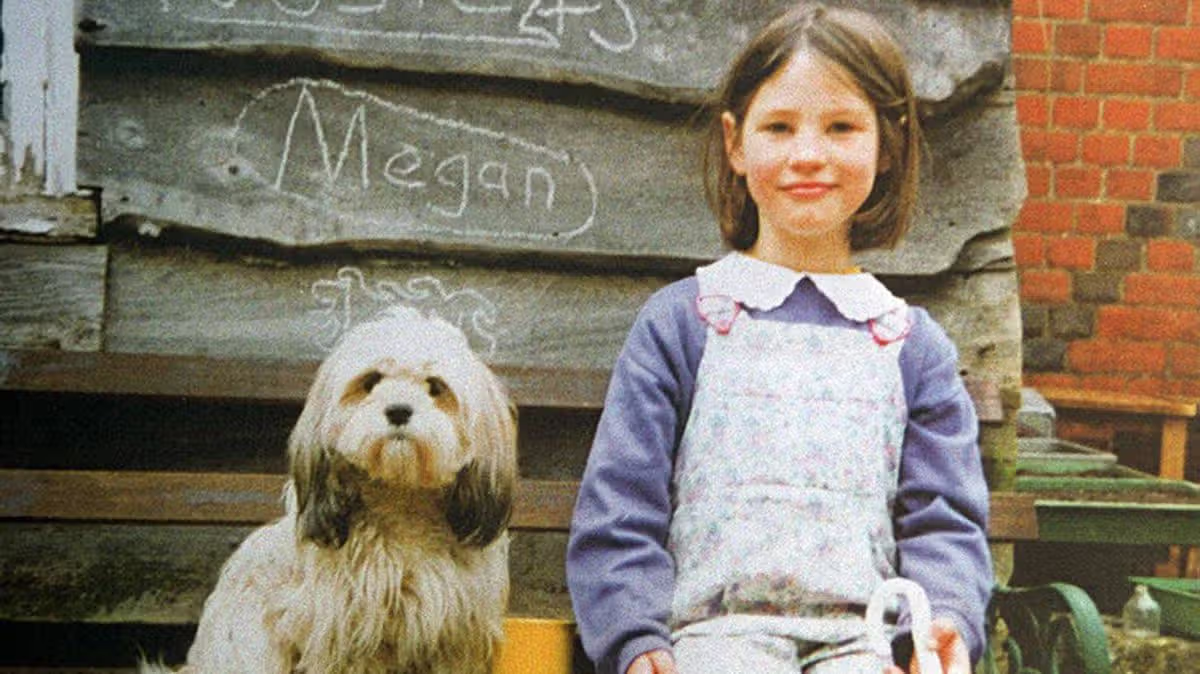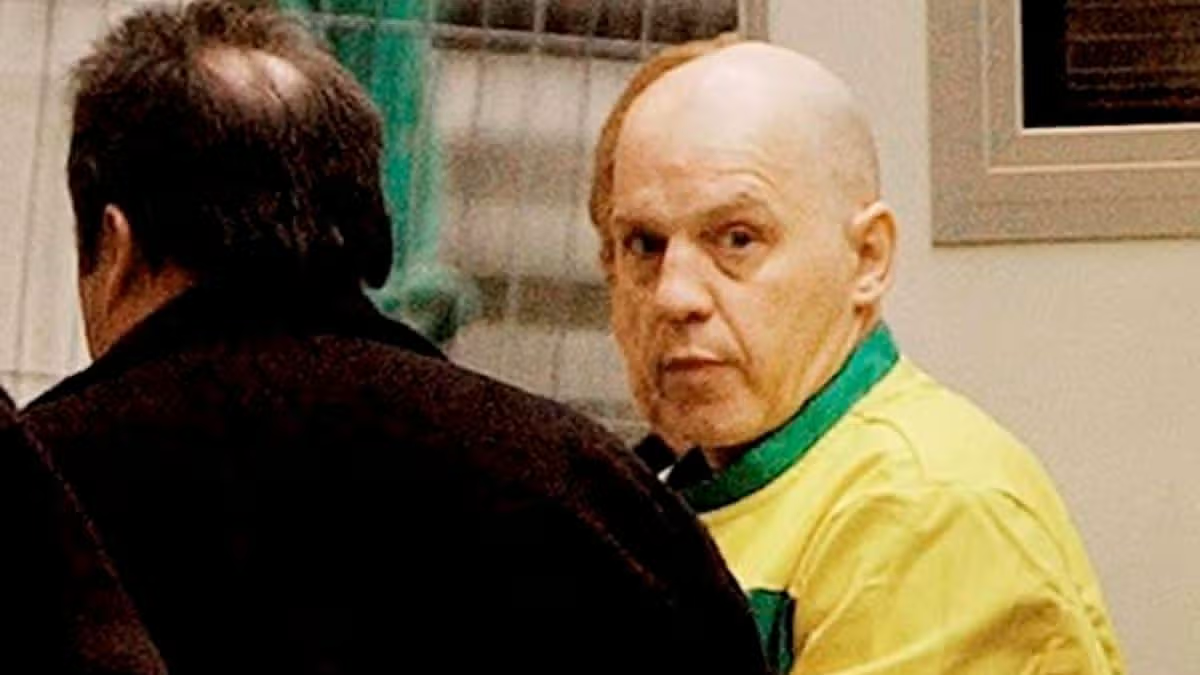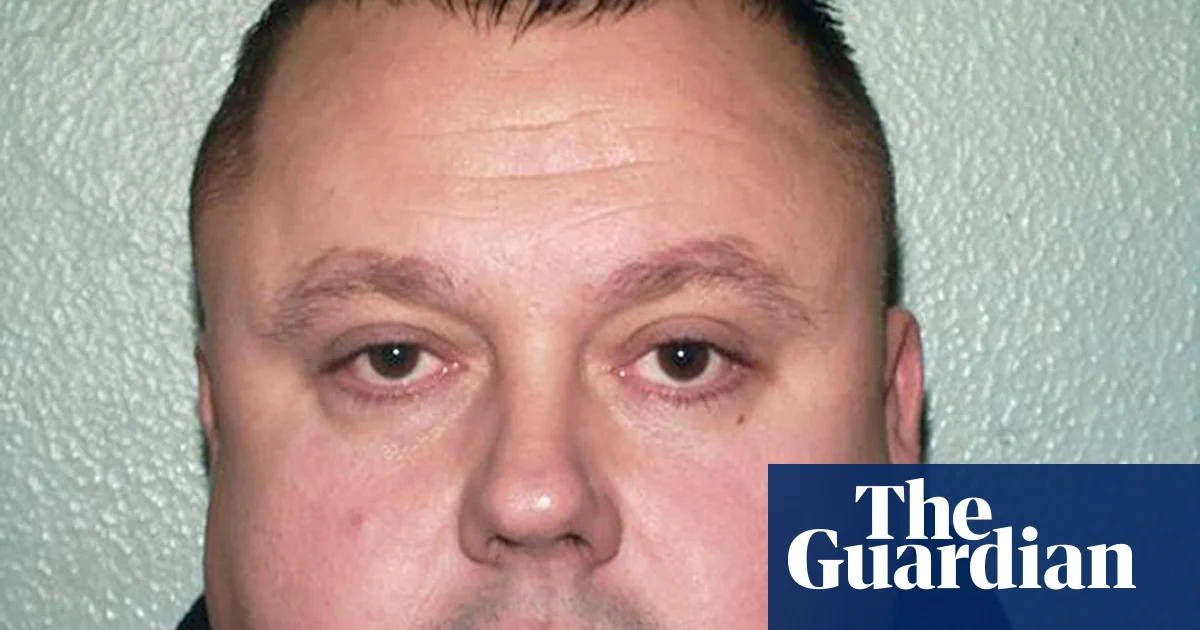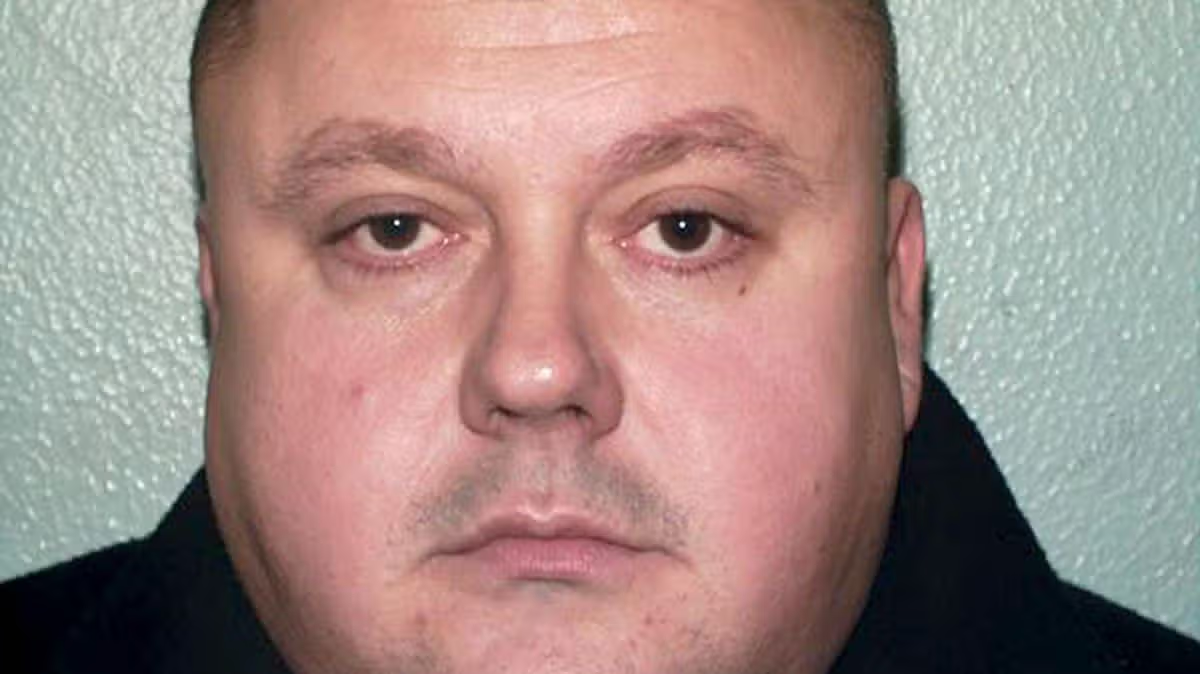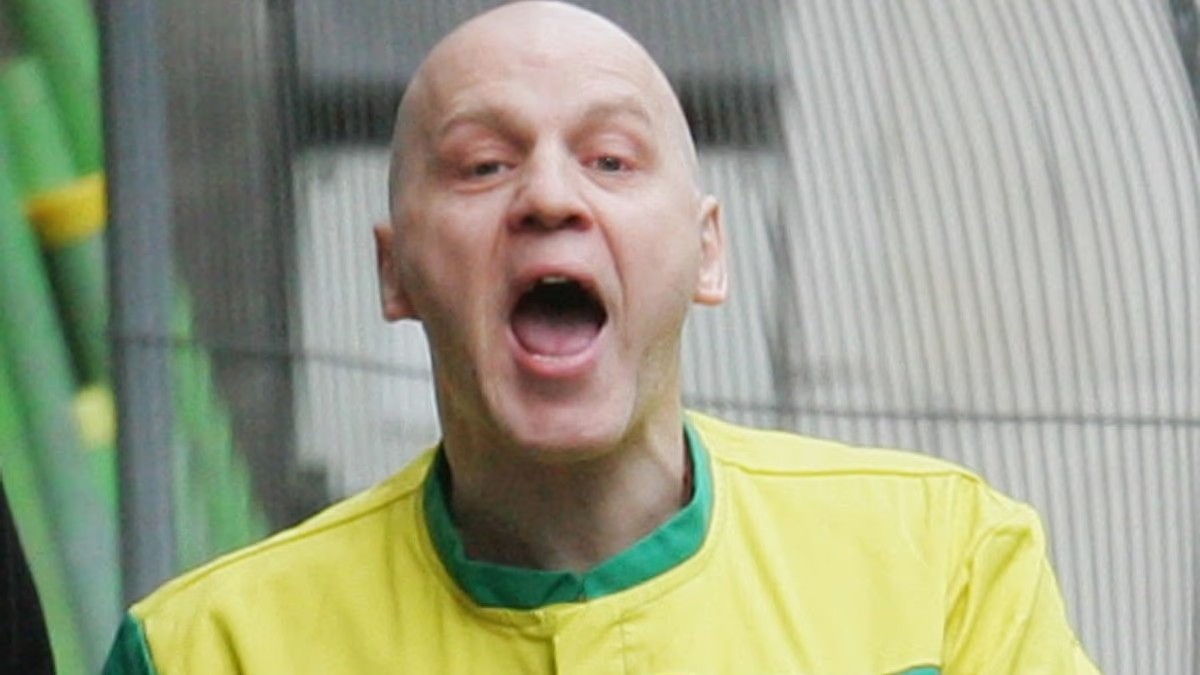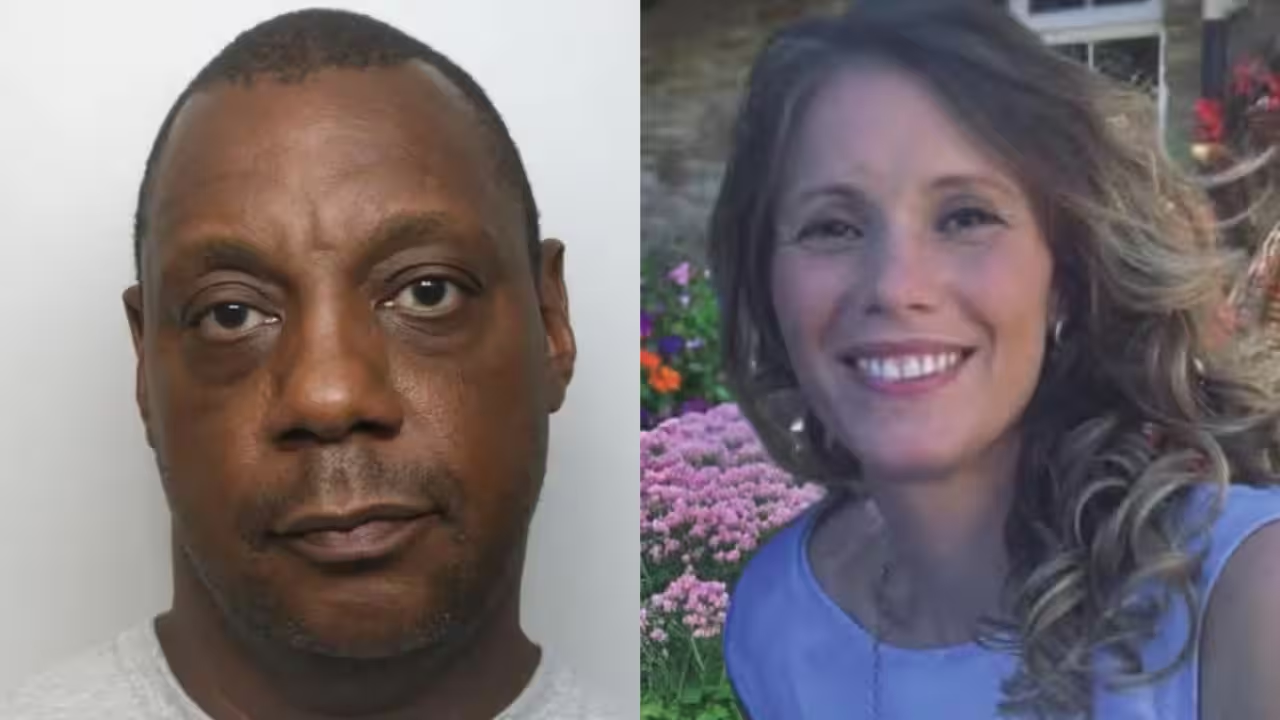
In a sparse cell inside HMP Frankland, Michael Stone is today expected to be handed a small collection tube by a miscarriage of justice investigator.The man serving life for the murders of Lin Russell and her daughter Megan is due to provide a DNA sample that could pave the way for him being cleared of the crime.The Criminal Cases Review Commission is investigating, by coincidence, on the 30th anniversary of one of the most shocking and brutal crimes of recent British history.The murdersOn July 9, 1996, six-year-old Megan, and her sister Josie, nine, had attended a swimming gala.Mum Lin, a 45-year-old geologist, and the family’s white terrier Lucy picked them up from their school in the Kent village of Goodnestone.They took a shortcut through cornfields and a small wood towards Nonington, where they lived in a cottage with the girls’ father Shaun.Survivor Josie says, at about 4.25pm, a man passed them in a car, got out and approached carrying a hammer.He forced them into a small clearing, tied them up and subjected them to a “sustained, severe, repeated and vicious assault”. Lucy, the terrier, was also beaten to death.MotiveLin and Megan were left lying on their backs, a few feet apart. Lucy’s body was next to Lin, her collar and lead still attached to a stick.Josie had been blindfolded and tied to a tree. No money or belongings were stolen. Nor did forensic experts find any evidence of a sexual motive.Shaun, an ecologist at the University of Kent in Canterbury, raised the alarm when he got home from work and found the house empty. Police officers found the shocking scene later that night.At first they thought Josie was dead too but an hour later she was seen to move and was rushed to hospital. Miraculously she survived nine hours after the attack took place.Emergency surgery saved her life but a large amount of damaged brain tissue was removed leaving her with some “intellectual impairment”, Stone’s trial heard later.For nine months after the attack Josie was unable to speak but, with therapy, her communication skills began to improve.As police started to make sense of the horrific crime, local farm labourer Anthony Rayfield came forward and told police he had seen a man walk up a bank backwards while facing the murder scene.He said: “The man, in my view, was obviously agitated and in a rush, peering around as if he didn’t want people to see what he was doing.”The man, who was about fifty yards away, then began jogging towards him in an “athletic manner”.Mr Rayfield described him as white, with short or thinning hair and aged between 35 and 43.The witness said he looked at the floor when the man began running as he “didn’t want him to see me looking at him as I was under the impression he was up to no good”. When he looked up again the man was running back to his car. The incident “bugged” him so much that he went back later to see what the man might have dropped and found a string bag in a hedgerow, which contained six pieces of torn blood-stained towel used to bind the Russells.Another witness, Nicola Burchill, was driving from work when a car she described as a beige Ford Escort type pulled out in front of her.She travelled behind it for several minutes. The driver constantly looked at her in his wing mirror and was in an agitated state. Miss Burchill was able to make up an E-fit of the driver. Isobel Cole described how she was returning from a shopping trip on the day of the crime and slowed as she passed a man on a country lane outside Chillenden.She told Stone’s trial: “He was just standing there. He had dark trousers and he had something in his right hand. As I got close I could see it was a hammer in his hand.“My husband is a carpenter and I could see it was a claw hammer. He was white – his skin was so white for the time of year, he looked sick.”Detectives at Kent Police had struggled to find any evidence to link a strong suspect to the crime. Extensive forensic work had failed to come up with any fingerprints, DNA or other clues that could move the investigation forward.On the first anniversary of the murders, Jill Dando fronted a BBC Crimewatch appeal that included a reconstruction of the attack.Forensic psychiatrist Dr Philip Sugarman contacted the programme to say an e-fit likeness of a driver seen in the area looking angry and agitated looked like Stone, a man he had treated.Stone had mental issues, a serious heroin addiction and multiple convictions over 16 years for ever escalating violence. He was known locally as Mad Mick the Hammer Man because he had been jailed for two years in 1981 for a robbery in which he attacked a man with a hammer.Between sentences for armed robbery, wounding, assault and burglary he had been assessed as “an extremely violent and dangerous individual”.Stone's former girlfriend Rachael Marcroft said he used to beat her repeatedly and was “scary and brutal” though she did not believe he had committed the murders.Essentially though the case against Stone rested on dubious “prison confession” evidence from three inmates who had been in jail with him while he was on remand.Damian Daley, Mark Jennings and Barry Thompson all told the jury that Stone had either confessed or incriminated himself in front of them.Drug dealer Daley said Stone had told him in Canterbury prison that he had smashed the victims’ heads like eggshells.Jennings claimed that Stone justified the murders by saying he had to eliminate every witness or run the risk of a long sentence.UnclearThe verdict came after three days of deliberations with a 10-2 majority Stone was convicted on all charges. He reacted by yelling out: “I didn’t do it, your honour. It wasn’t me.”The conviction was quashed a year later after Thompson, a perjurer and police informant, had retracted his evidence and Jennings was found to have taken money from a newspaper.Three Appeal Court judges ordered a re-trial. In 2001 a second jury convicted Stone, again by a 10-2 majority and he was jailed for life. But there are still doubts decades later.None of the witnesses who saw a man acting suspiciously picked him out in identity parades.He had no access to a car like the one driven by the killer.There was no forensic evidence and the motive for carrying out the attack remained unclear.At the retrial, the judge said: “The case stands or falls on the alleged confession of Damian Daley.”Daley, a self-confessed liar, had earlier told the court: “I like to get by in life. I am a crook, that’s what crooks do: They beg, borrow and steal to get by in life. But if you were to say to me now are you lying, I would say no, I’m not lying.”A CCRC spokesman said: “We are exploring all of the possibilities the application raises to determine whether Mr Stone may have suffered a miscarriage of justice. Our test for referring a case is that there is a real possibility that the Court of Appeal would overturn his conviction.”
DNA of man convicted of two murders will see if he's innocent — 30 years on
After Lin Russell and her six-year-old daughter Megan were bludgeoned to death on a quiet country lane in Kent we look at the evidence in the case and ask if Michael Stone is innocent
1,200 words~5 min read