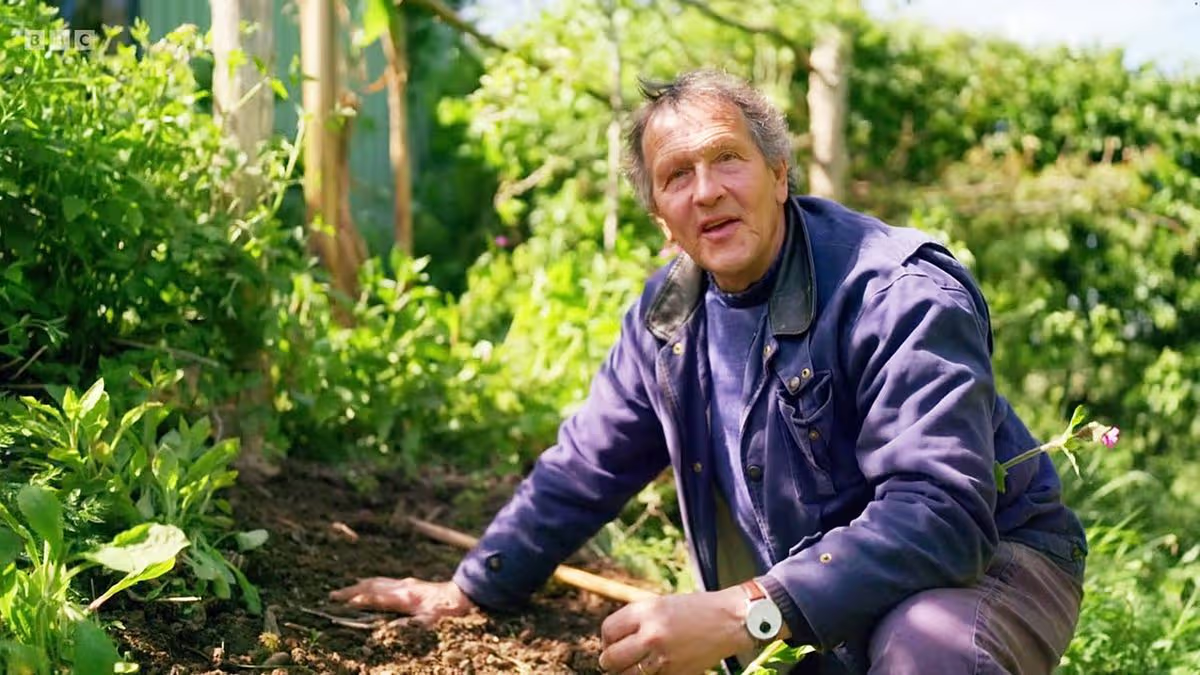
BBC Gardeners' World host and horticultural expert Monty Don is urging gardeners to act fast this July if they want to save this one specific crop.08:41, 09 Jul 2026Anyone living in the UK will tell you - when gardening advice comes from celebrated horticulturist and BBC Gardeners' World presenter Monty Don, it's absolutely worth paying attention to.Monty Don is Britain's most celebrated gardener, and his very own cottage garden - Longmeadow, nestled in the Herefordshire village of Ivington - is widely considered one of the nation's finest and most iconic.Among the many things Monty Don is renowned for is sharing practical gardening tips on his personal blog. The horticulture expert has long offered guidance and advice to fellow gardeners - and there's one particular warning for July that he's keen for green-fingered enthusiasts to take on board.With his birthday falling on 8 July, Monty Don has shared his July 'birthday gardening tradition' - and it revolves around a staple crop that gardeners absolutely love to cultivate.Describing July as "a month to relish", Monty says: "It is a time of plenty with meals eaten outside in the warm summer nights. But the light gently begins to draw in and from now on, the careless abandon of early summer has gone. Every day has become precious.", reports the Express.Monty Don's July warningPotatoes can face serious trouble in July, with potato blight being a particularly common problem during this period.Potato blight itself comes in two forms - early blight and late blight. Both varieties can swiftly cause damage to your plant as well as the potatoes developing beneath the soil.To stay on top of your potato crop and ensure it remains unaffected, it's crucial to look out for the "telltale signs" and take preventative action now to ward off the threat. With potatoes, it's well known that warm, humid conditions, particularly during summer months such as July, create ideal circumstances for potato blight to develop.Fortunately, Monty has offered urgent guidance on how to shield potatoes from this devastating disease and rescue them from blight.The horticulture expert shares: "One of my yearly rituals is to dig first early potatoes on July 8th, my birthday. The harvest varies hugely depending on when I planted them and the subsequent weather, but tradition demands I lift enough for a celebratory meal."I now only grow first earlies because the risk of blight is so great. Potato blight is a fungal disease that rots first the haulms and then, as it is washed into the soil by rain, the tubers making them unstorable if not inedible."Describing how potato blight can spread rapidly and extensively, the BBC Gardeners' World presenter shares: "The fungi develop very fast when the temperature is high and the air humid for 23 hours and these conditions are becoming increasingly common in July. The crop can be saved if the foliage is removed immediately after the tell-tale chocolate coloured circular areas of the leaves are noticed - they quickly spread and collapse."Monty adds: "Remove all foliage and compost it (the fungi do not survive the composting process) and make sure that there is a good soil covering over the tubers. Then wait for a dry day and harvest the crop."First and second early varieties are much less likely to be affected because they mature faster and are ready for harvesting earlier in the season."How to produce blight-resistant potatoesWhen it comes to minimising the risk of blight devastating your potato crop, it's wise to take preventative action from the very beginning at the sowing stage. Opting for blight-resistant varieties such as the Hungarian Sarpo range, Sarpo Mira, Cara and Setanta potatoes will help your crop withstand challenging conditions and significantly reduces the threat of blight.The latter three are particularly renowned for their outstanding resistance to viruses and late blight.Gardeners should also be implementing measures to reduce the chances of the disease attacking their crops. One method is to consistently choose an open planting location with proper airflow and provide adequate spacing between plants - better airflow helps the foliage dry quickly following rainfall, hindering the transmission of blight between plants.Crop rotation likewise helps prevent a build-up of disease spores in the soil, and ensures infected plants don't emerge from potato tubers that were missed during the previous year's harvest. Gardeners might also consider treating potato crops with a protective fungicide before any signs of blight appear.Article continues belowMonty Don recommends starting from June, especially during wet spells, and reapplying after several weeks to protect fresh growth.
Monty Don's July warning for gardeners for one specific crop
BBC Gardeners' World host and horticultural expert Monty Don is urging gardeners to act fast this July if they want to save this one specific crop.
749 words~3 min read