(Image credit: Future)
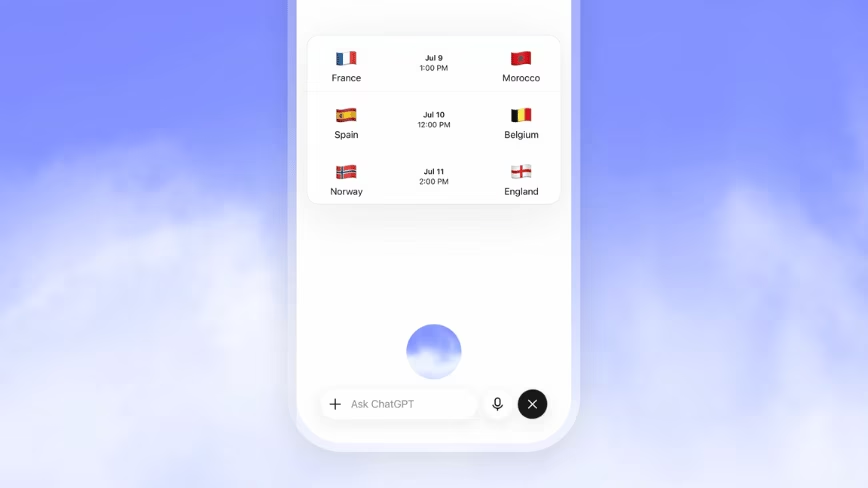
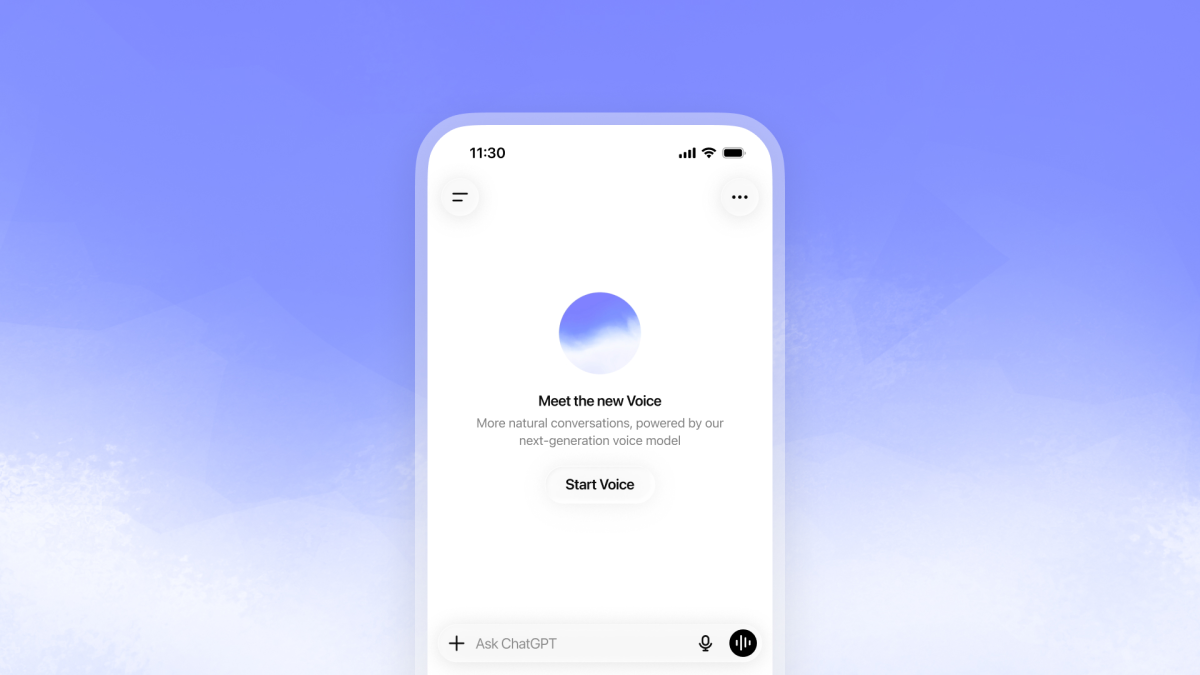
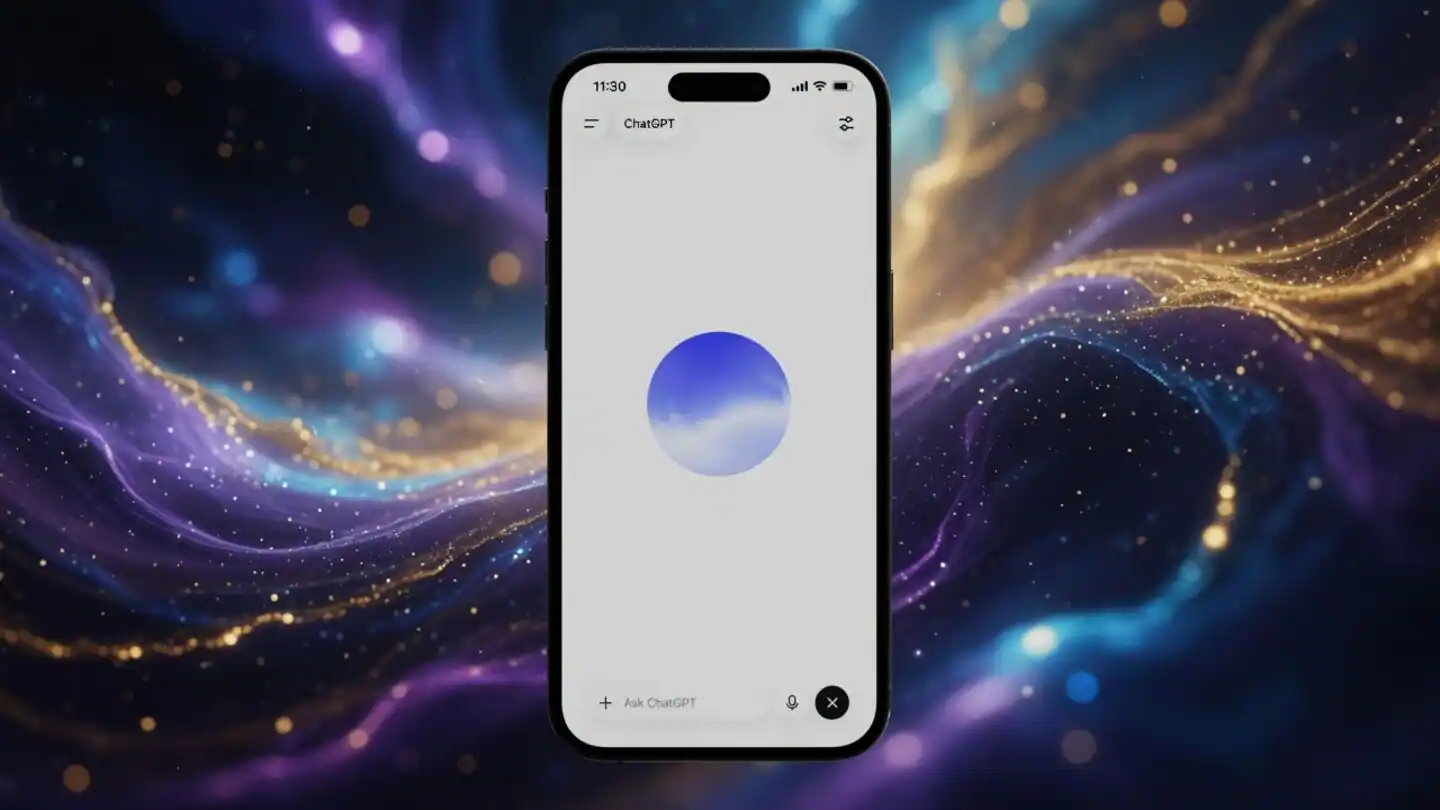
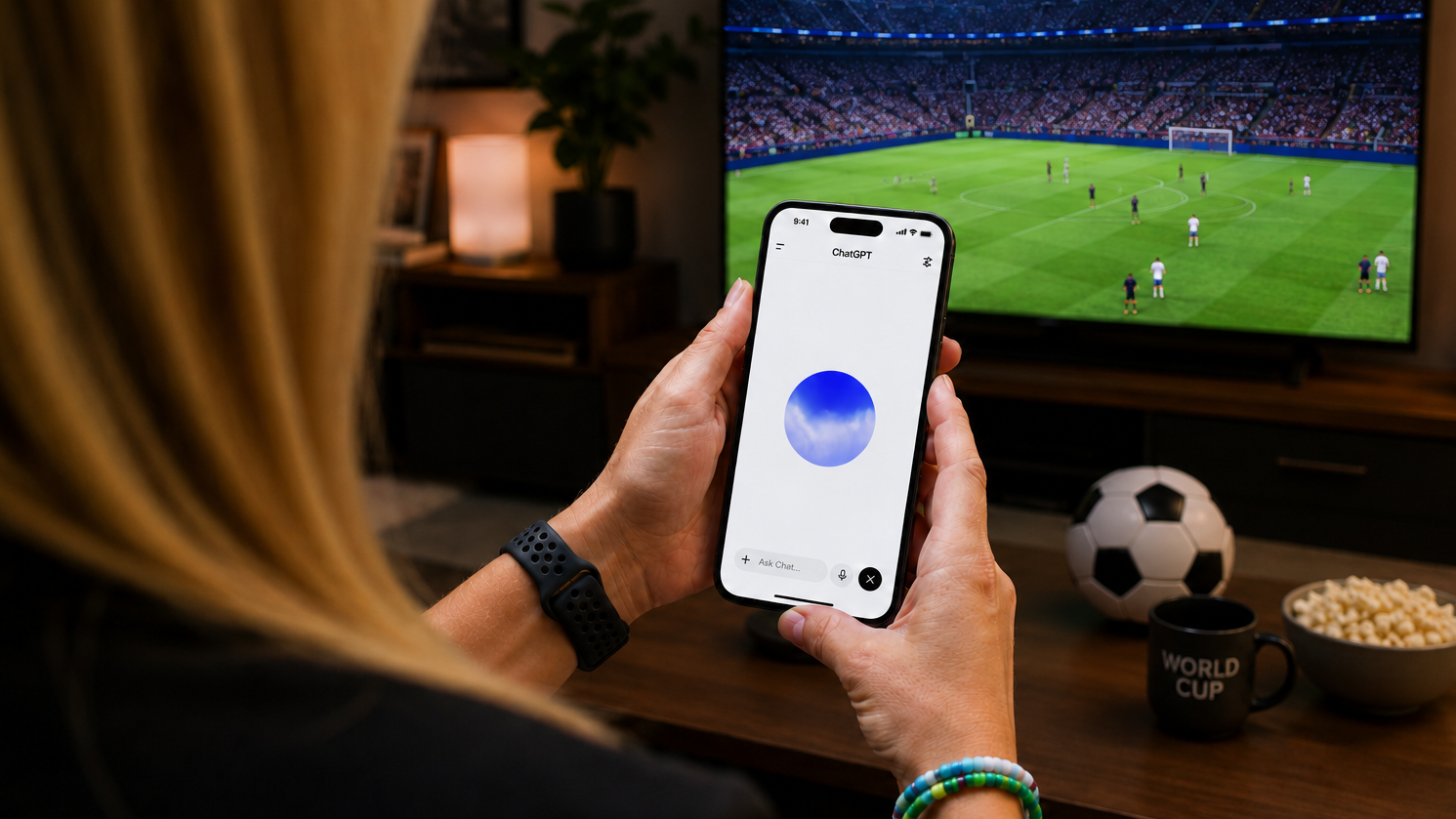
OpenAI just dropped GPT-Live (specifically GPT-Live-1 and GPT-Live-1 mini), and it completely changes how it feels to talk to an AI. We've all seen what ChatGPT Voice can do, but this feels like a completely different AI.Previous versions of ChatGPT Voice felt rigid and robotic because it didn't quite understand pauses or when exactly to respond. That's why I can't emphasize enough how much different GPT-Live feels. It completely breaks that mold. By far the best aspect of this update is how it handles continuous, real-time media.Intrigued by the update's new "full-duplex" tech, I decided to test its limits during the 2026 World Cup knockout rounds. Although there were no games today, I put my phone next to my laptop speakers, pulled up a previous Telemundo stream, and let ChatGPT listen to the rapid-fire Spanish commentary.Instead of waiting for pauses or cutting out when the announcers yelled, ChatGPT acted exactly like a simultaneous interpreter by providing a continuous, running English translation directly over the top of the broadcast's audio.Here is how the underlying technology makes this possible, how OpenAI is keeping it safe, and the exact prompts you can use to try it yourself.What Makes GPT-Live different?