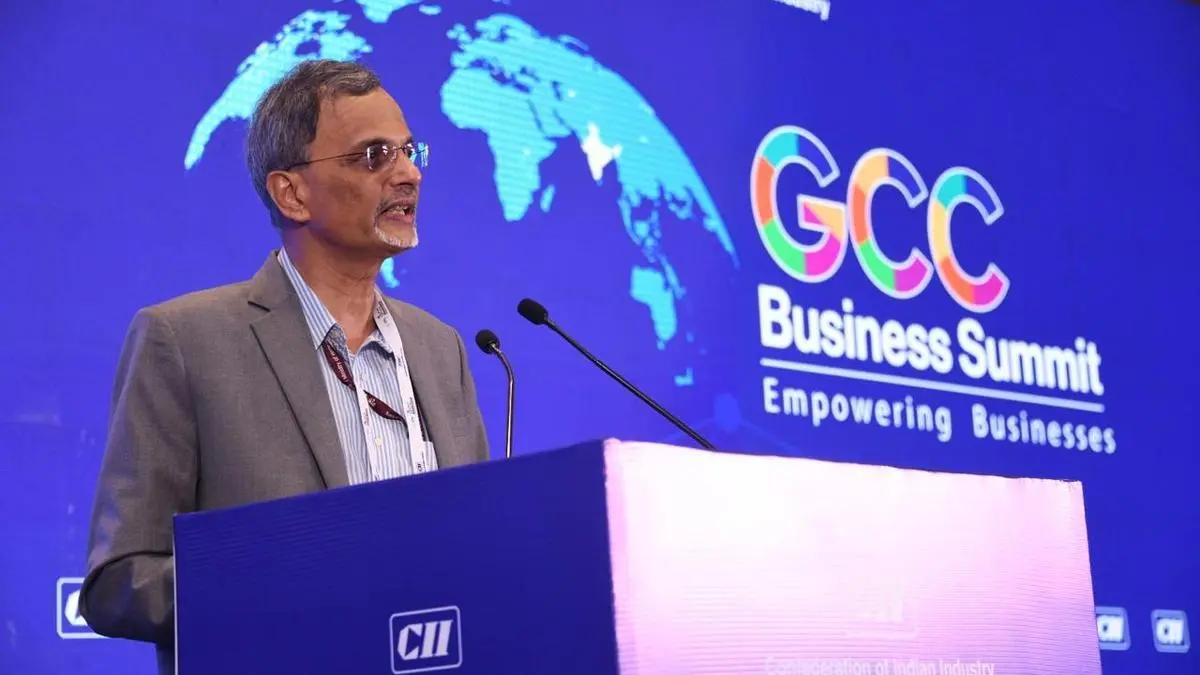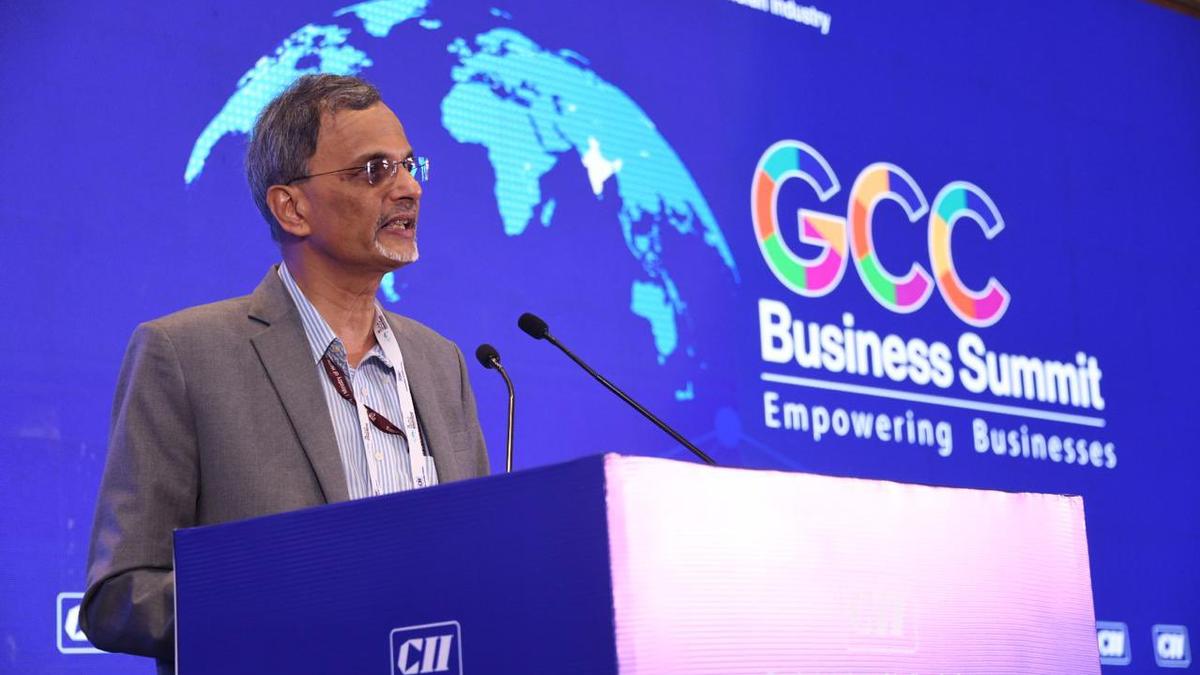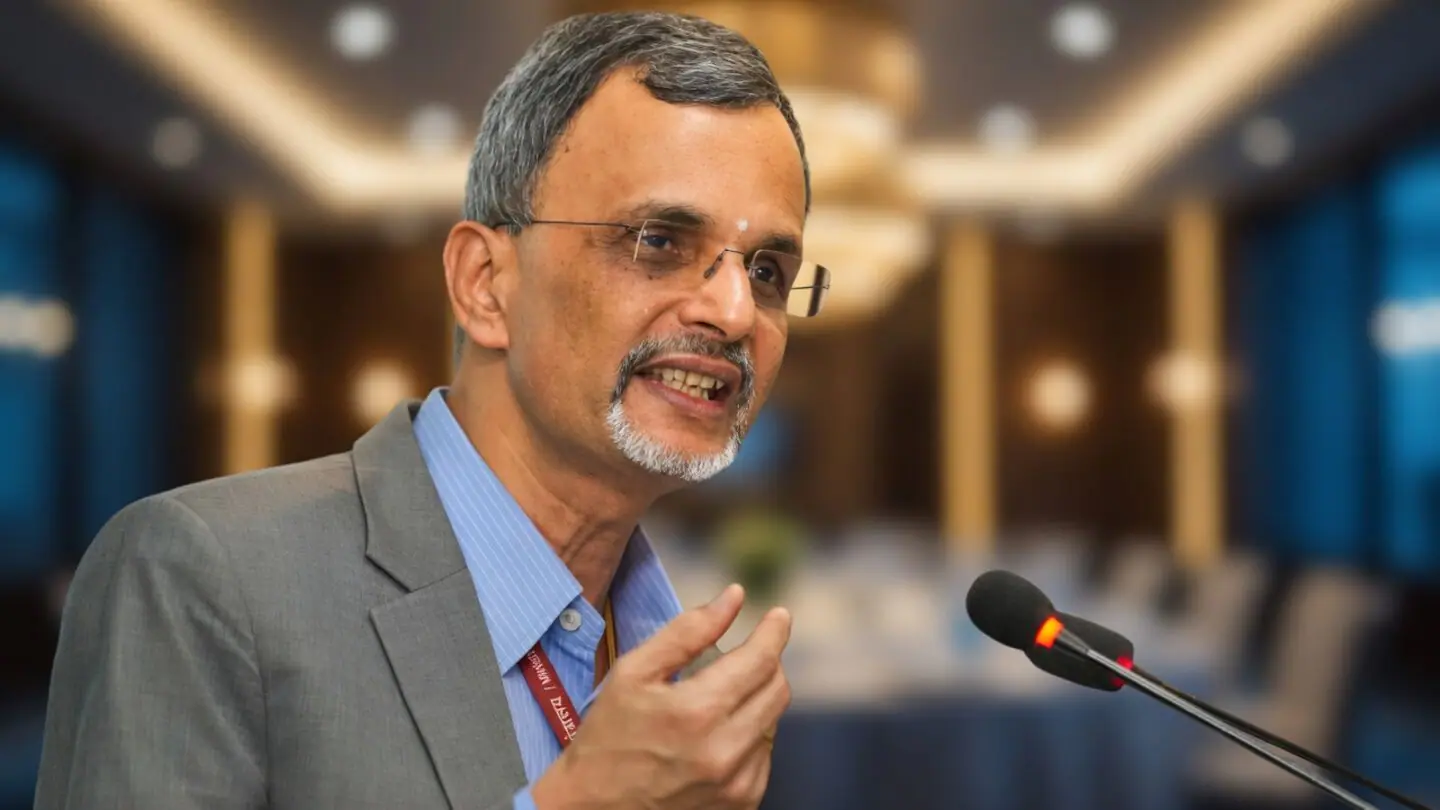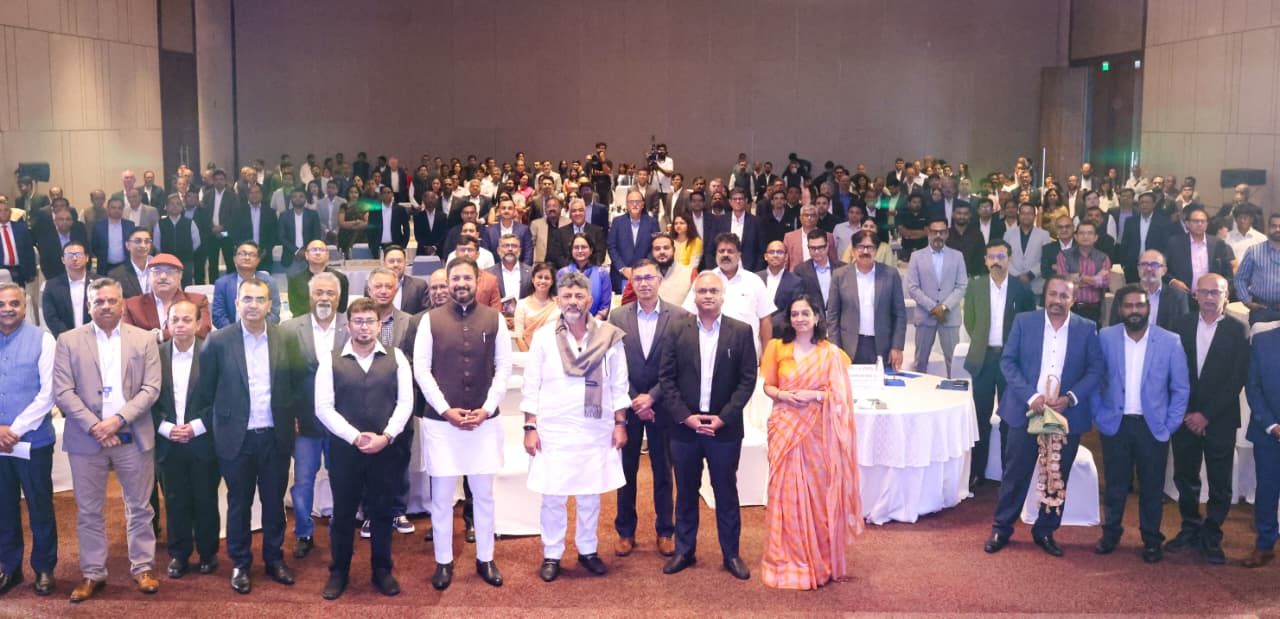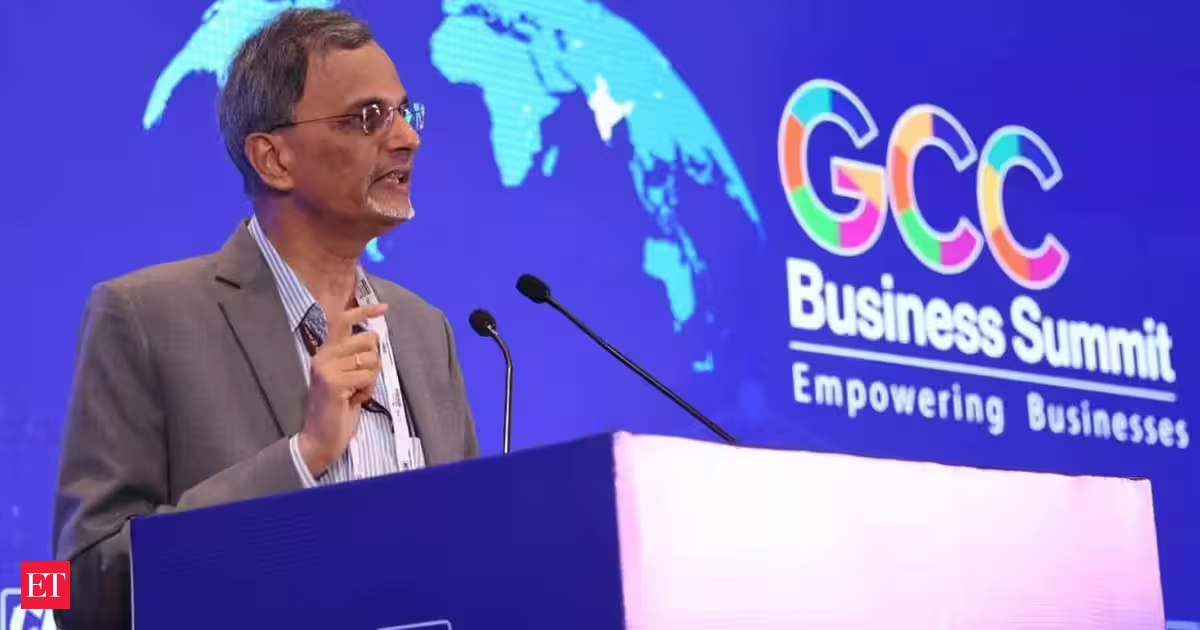
Chief Economic Adviser (CEA) V Anantha Nageswaran said on Thursday that the government has fulfilled its role by announcing multiple Budget measures to support Global Capability Centres (GCCs), and urged industry to invest in skilling, capability building and innovation to address the disruption posed by artificial intelligence.Speaking at the CII GCC Summit here, Nageswaran said AI has exposed the limitations of older business models and is likely to displace routine, repetitive and rule-based tasks. He said it would be unrealistic to ignore the risks facing business models built purely around low-cost execution.Also read: The great $100-billion tech shift: GCCs tighten grip on India’s talent marketHe noted that the Union Budget addressed a long-standing industry demand by simplifying and expanding the transfer pricing safe harbour regime for GCCs. The revised framework offers a uniform margin, significantly higher thresholds, and faster, more predictable multi-year approvals, improving tax certainty for such centres, he said.The CEA also pointed to a new national framework aimed at encouraging GCCs to expand beyond the six major metropolitan cities into tier-II and tier-III locations. "This is not only an economic goal; it is a matter of fairness. The opportunity should not sit in a few metros alone," he said.At the same time, Nageswaran said government policy alone cannot secure India's leadership in the sector. "Government can build the runway, but it cannot fly the plane. The move from cost to capability, from execution to innovation, has to be made by firms and by people," he said.He identified skilling as one of India's biggest challenges, noting that while the country produces a large number of graduates annually, too few are industry-ready when they enter the workforce. He called on industry to focus on capability-building and innovation, saying the country's long-term competitiveness will depend on its shift from cost advantage to capability advantage."Artificial intelligence does not build, deploy, or govern itself. Someone has to design these systems, train them, test them, correct them, and hold them to account. Someone has to decide where they should be used and where they must not be used," he said.Also read: Nestle announces new GCC in Hyderabad through global division Nestle Business SolutionsHe added that the responsibility associated with deploying AI systems is expanding rather than shrinking, and that a growing share of this work is being undertaken in India. "AI does not, therefore, empty these centres. In the centres that are run well, AI raises the value of each person who works there. The centres that stand still will suffer. The centres that move up will thrive," he said.Nageswaran cautioned against complacency, noting that while India's advantage has been built over time, it could erode as competing countries strengthen their capabilities, costs rise, and skilled talent becomes increasingly scarce. With inputs from PTI
Govt has done its part on GCCs via Budget, now industry must invest in skilling and innovation to counter AI risks: CEA Nageswaran
Chief Economic Adviser V Anantha Nageswaran urged industry to invest in skilling and innovation. He stated government has supported Global Capability Centres through Budget announcements. Artificial intelligence poses risks to business models focused solely on low-cost execution. The government encourages GCC expansion beyond major metropolitan cities. Firms and people must drive the move from cost to capability and innovation.
TL;DRAI
Government expanded GCC transfer pricing framework; industry must invest in AI governance and skilling for capability-building beyond cost execution. AI doesn't empty well-managed centres but demands design/governance skills; India risks erosion if talent quality doesn't rise.
460 words~2 min read