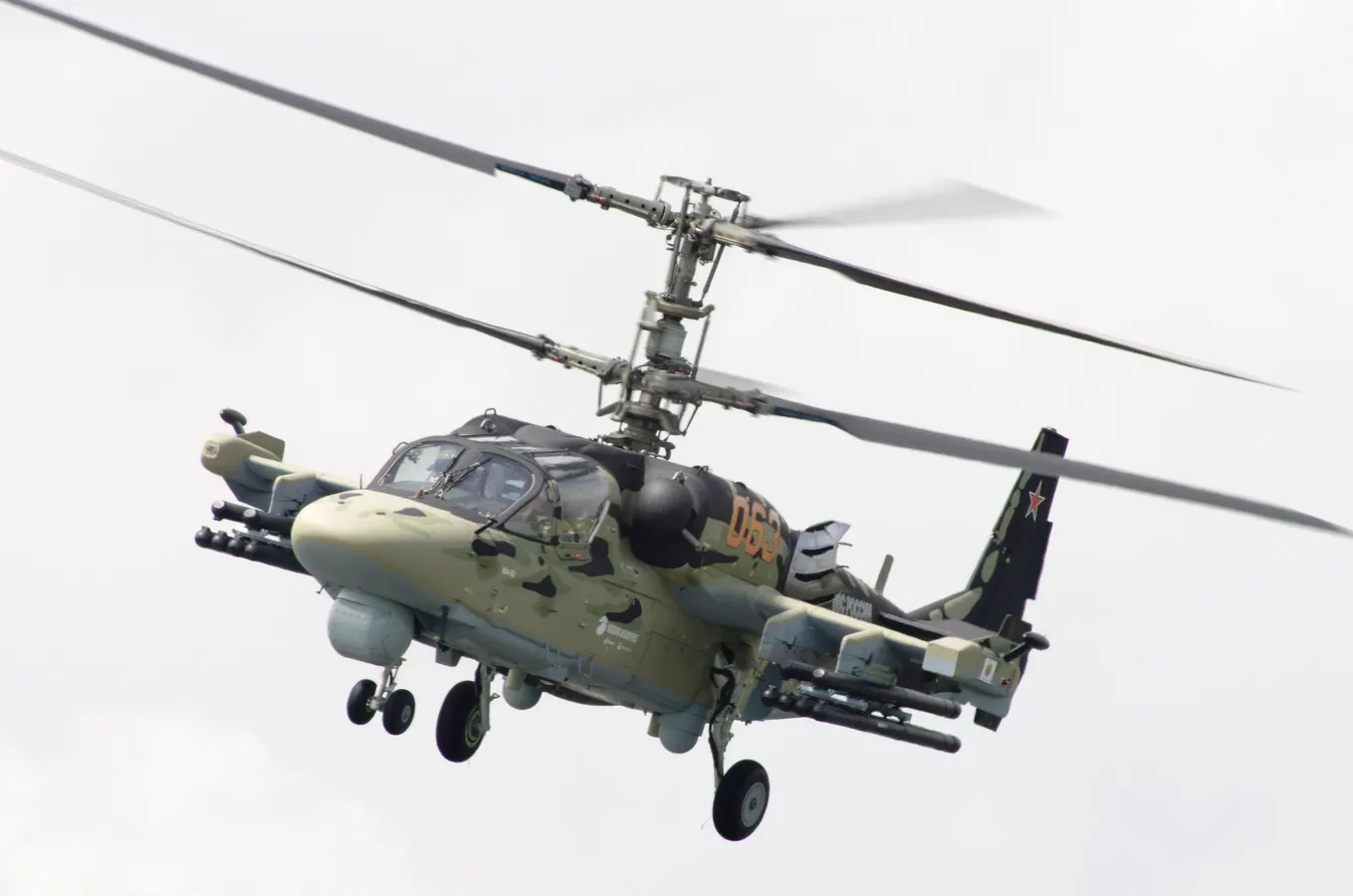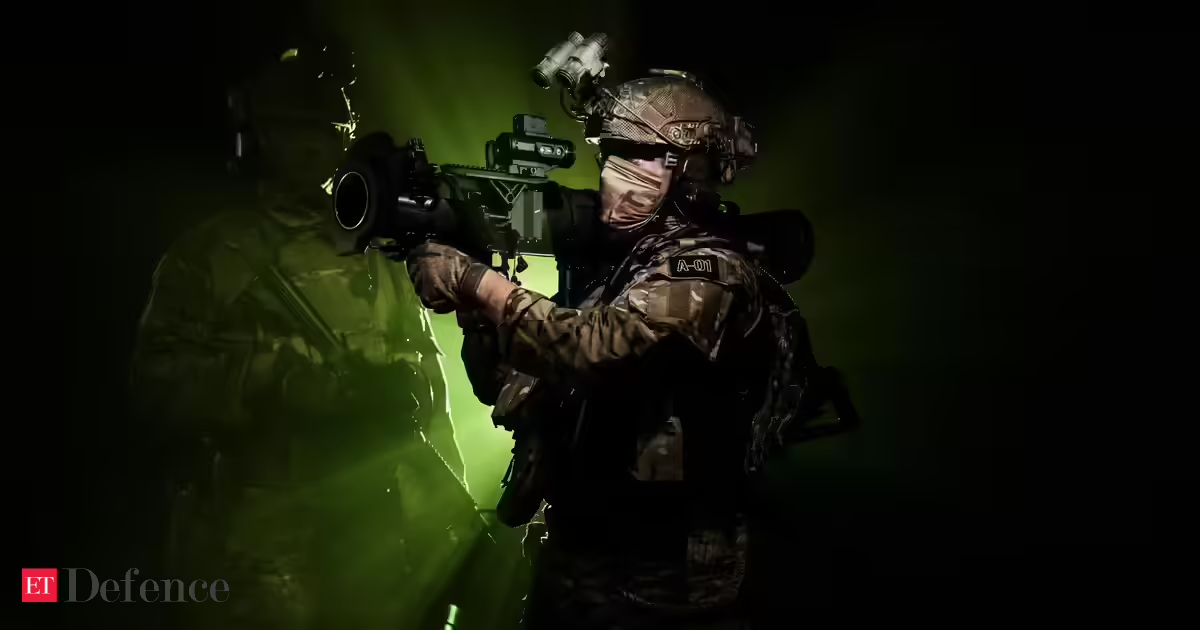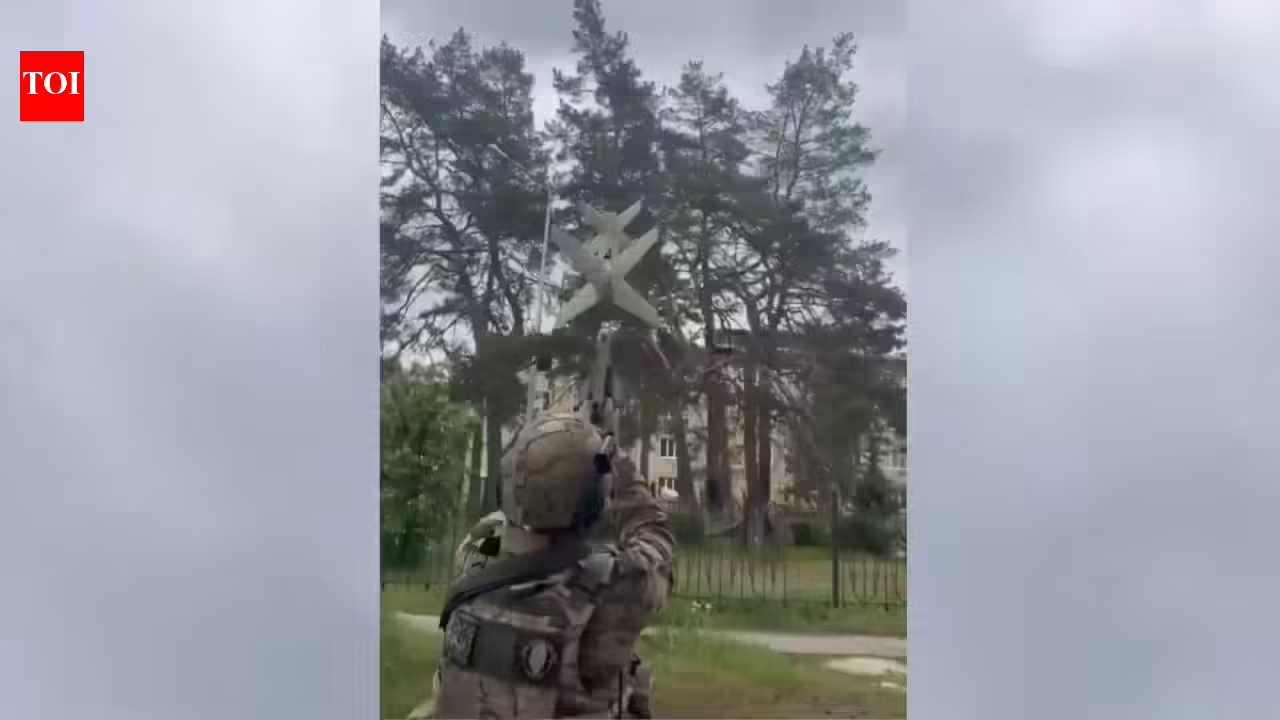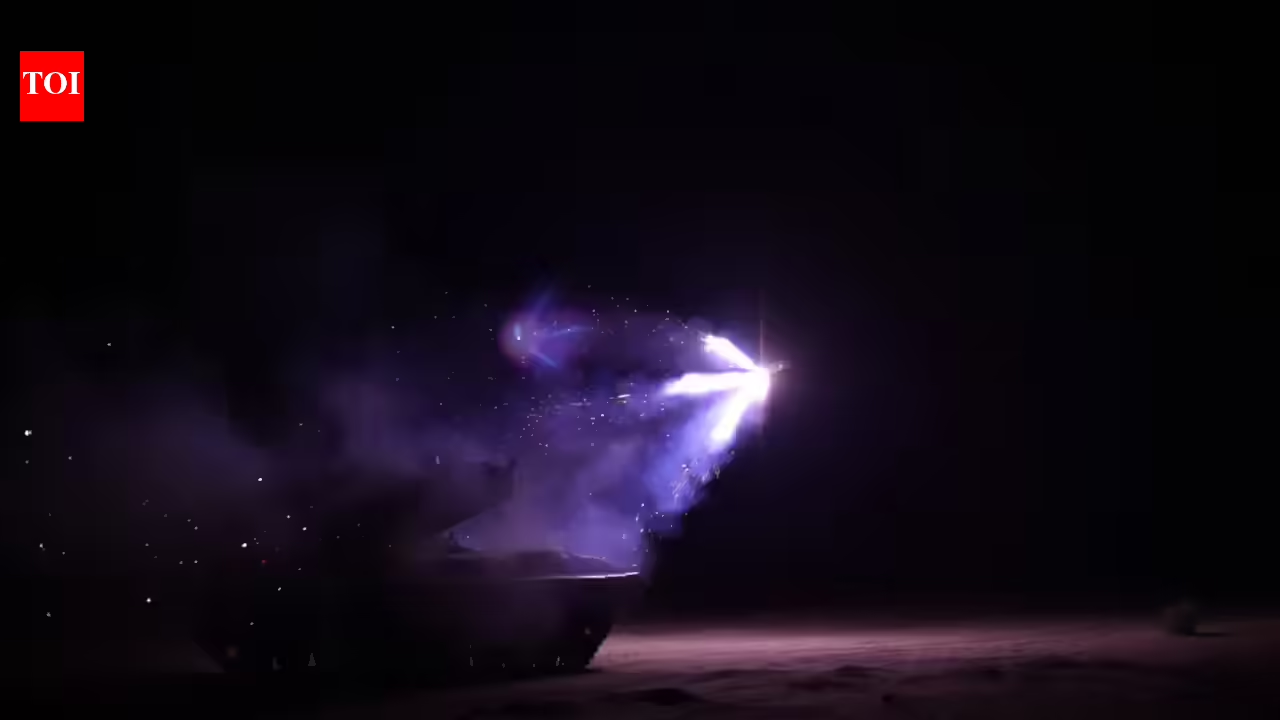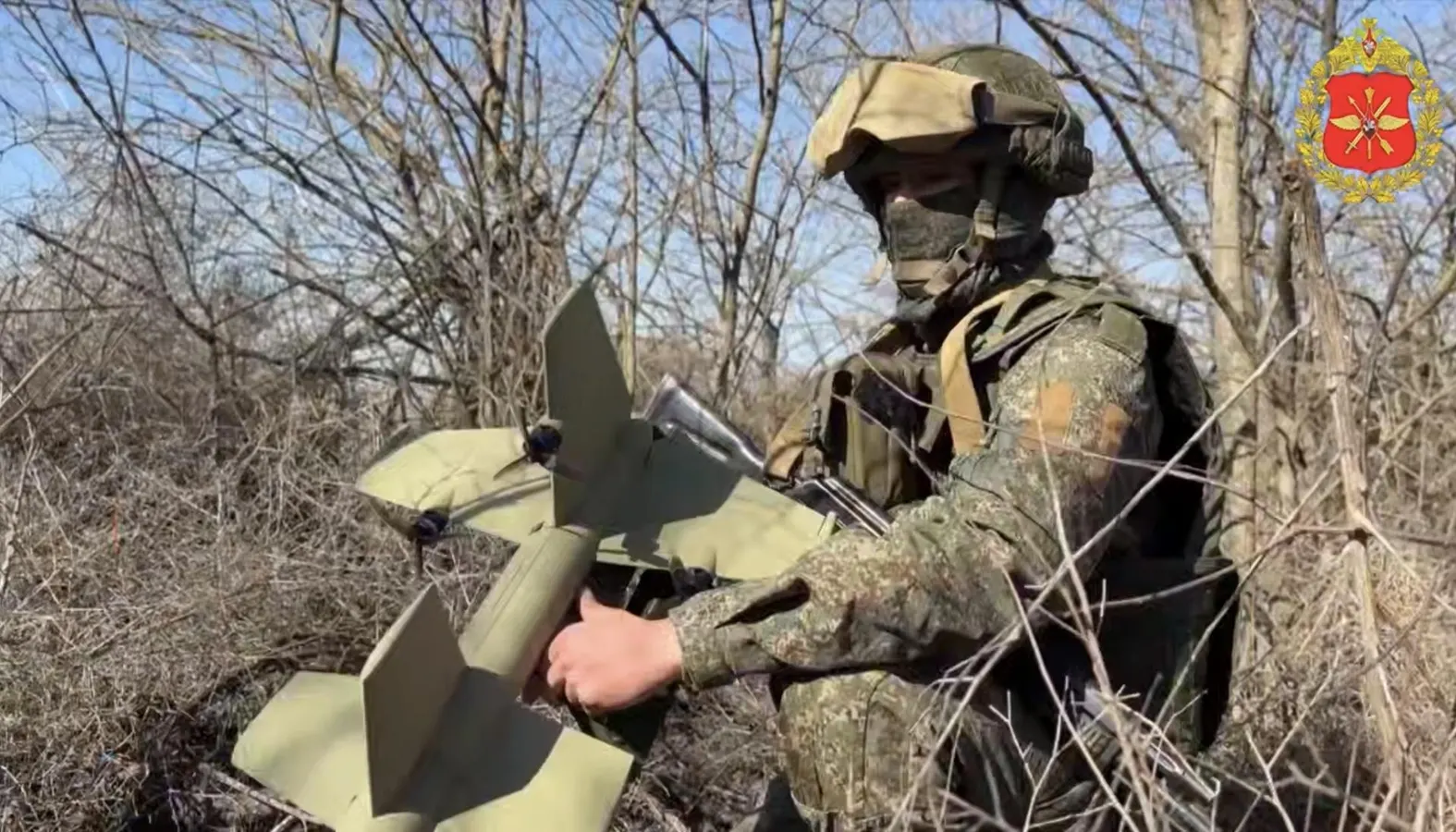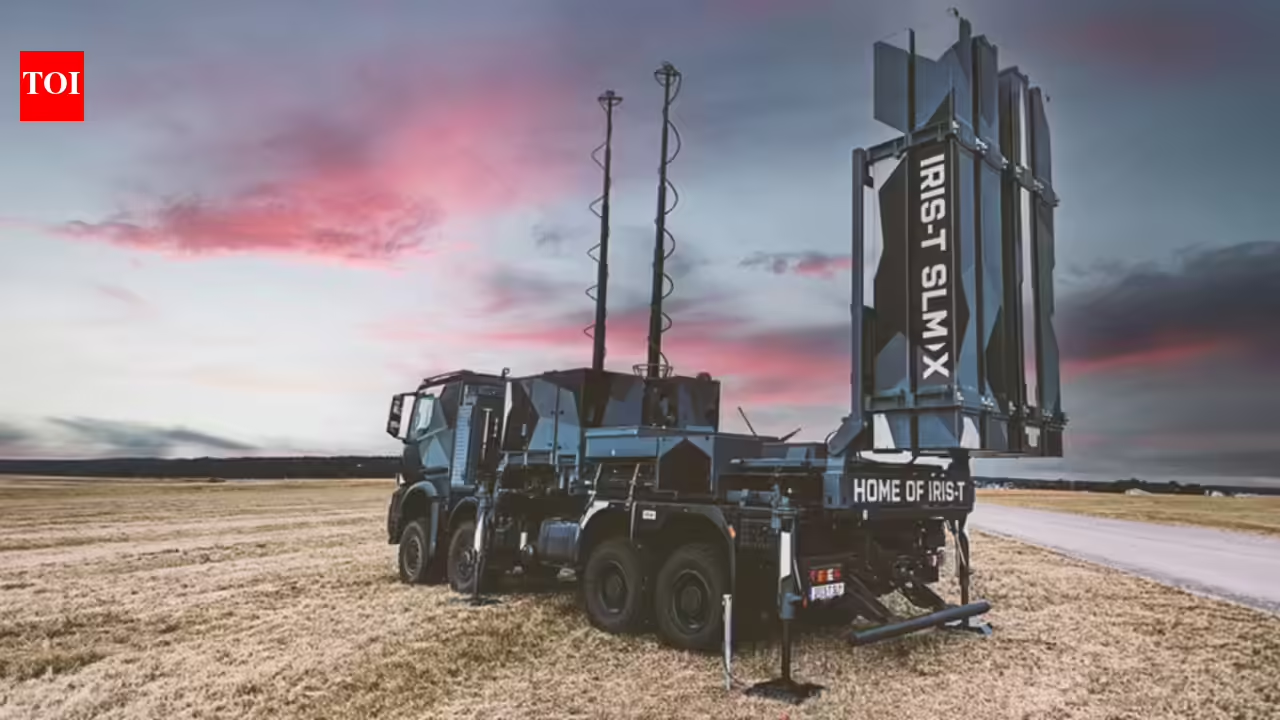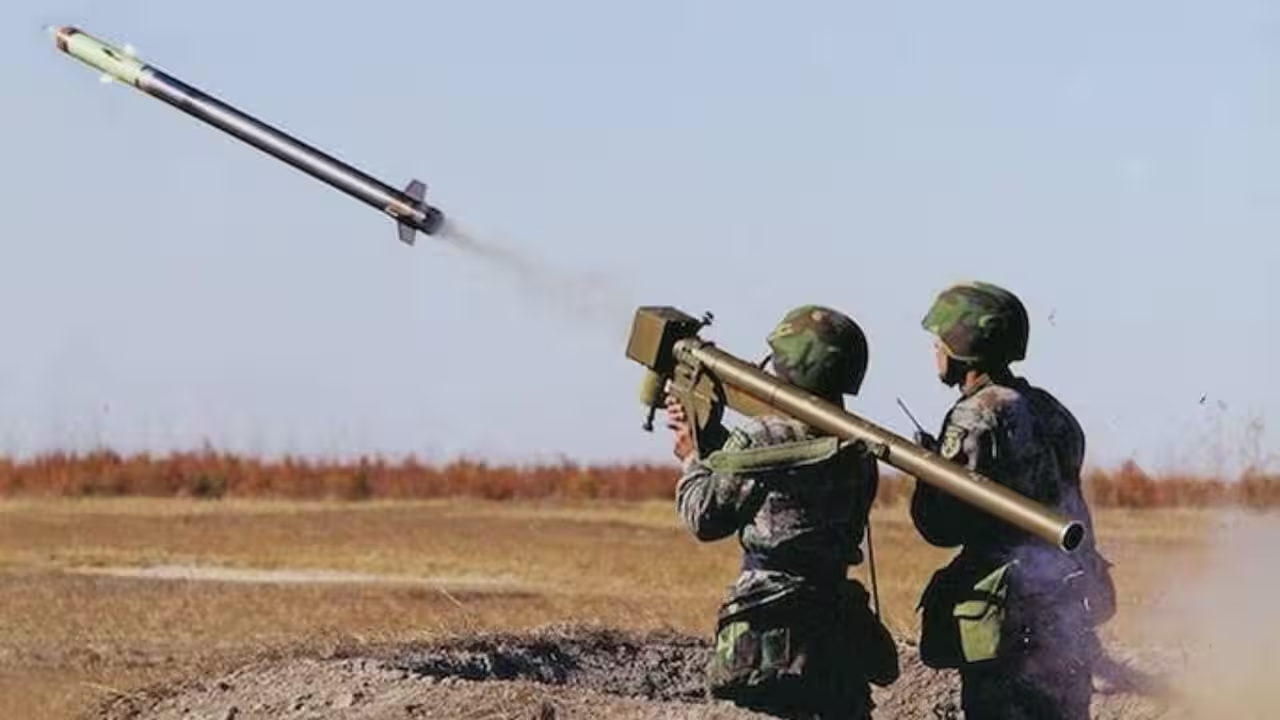
Photo credit: X/@alpha_defenseSmall enough to be carried on the shoulder of a single soldier, yet powerful enough to bring down helicopters, low-flying aircraft and drones . The Igla-S has emerged as one of the world's most trusted man-portable air defence systems.Originally designed during the Cold war to counter conventional aerial threats, the Russian-made missile is once again in the spotlight after recent battlefield footage from the Russia-Ukraine war appeared to show it being used against Ukrainian drones, highlighting its renewed relevance in an era where unmanned aircraft are reshaping modern warfare.From intelligence gathering and battlefield surveillance to precision strikes and swarm attacks, unmanned aerial vehicles have become an indispensable part of military operations. This evolving threat has renewed interest in portable air-defence weapons that can be rapidly deployed by frontline troops without relying on complex radar networks or large missile batteries.1,450 Casualties & 903 Drones Downed: Russia's Massive Blitz Batters Ukrainian ForcesThe Igla-S (9K338 Igla-S) is a Russian-made man-portable air defence system (MANPADS) designed to destroy low-flying aircraft, helicopters, cruise missiles and certain types of drones.Developed by KBM design bureau, it is a shoulder-fired, fire-and-forget missile system that can be carried and operated by a single soldier, providing frontline troops with a mobile and rapid-response air-defence capability.The Igla-S is the latest and most advanced member of the Igla family, succeeding the earlier Igla-1 and 9K38 Igla systems. It entered service with the Russian Armed Forces in the early 2000s and has since been exported to several countries, including India.Unlike larger surface-to-air missile systems that rely on dedicated launchers and radar networks, the Igla-S, enable infantry units to engage aerial threats independently while on the move. It uses a passive infrared seeker to lock onto the heat signature of a target, allowing the missile to guide itself after launch without further input from the operator.Igla-s can intercept targets flying between 10 metres and 3,500 metres above ground, within range from 500 meters to 6 kilometers. It engages with the target at a speed of up to 400 m/s on the pursuit course and 320 m/s on head on course. With the length of around 5 feet, it weighs around 10 kgs.It can be ready to fire within 5 seconds after activation and can be deployed from travel to combat position in 12–13 seconds. It uses the combination of proximity and contact fuse to increase the probability of destroying the target with its High-explosive (HE) warhead.While advanced missile systems protect cities and strategic assets, frontline troops still require a lightweight, rapidly deployable weapon capable of responding to low-altitude aerial threats. That is where systems like the Igla-S continue to play a crucial role.
Igla-S :One soldier, one missile. How the Igla-S Is countering modern aerial threats | - The Times of India
News News: Small enough to be carried on the shoulder of a single soldier, yet powerful enough to bring down helicopters, low-flying aircraft and drones . The Ig.
441 words~2 min read