Lim Jae-seong
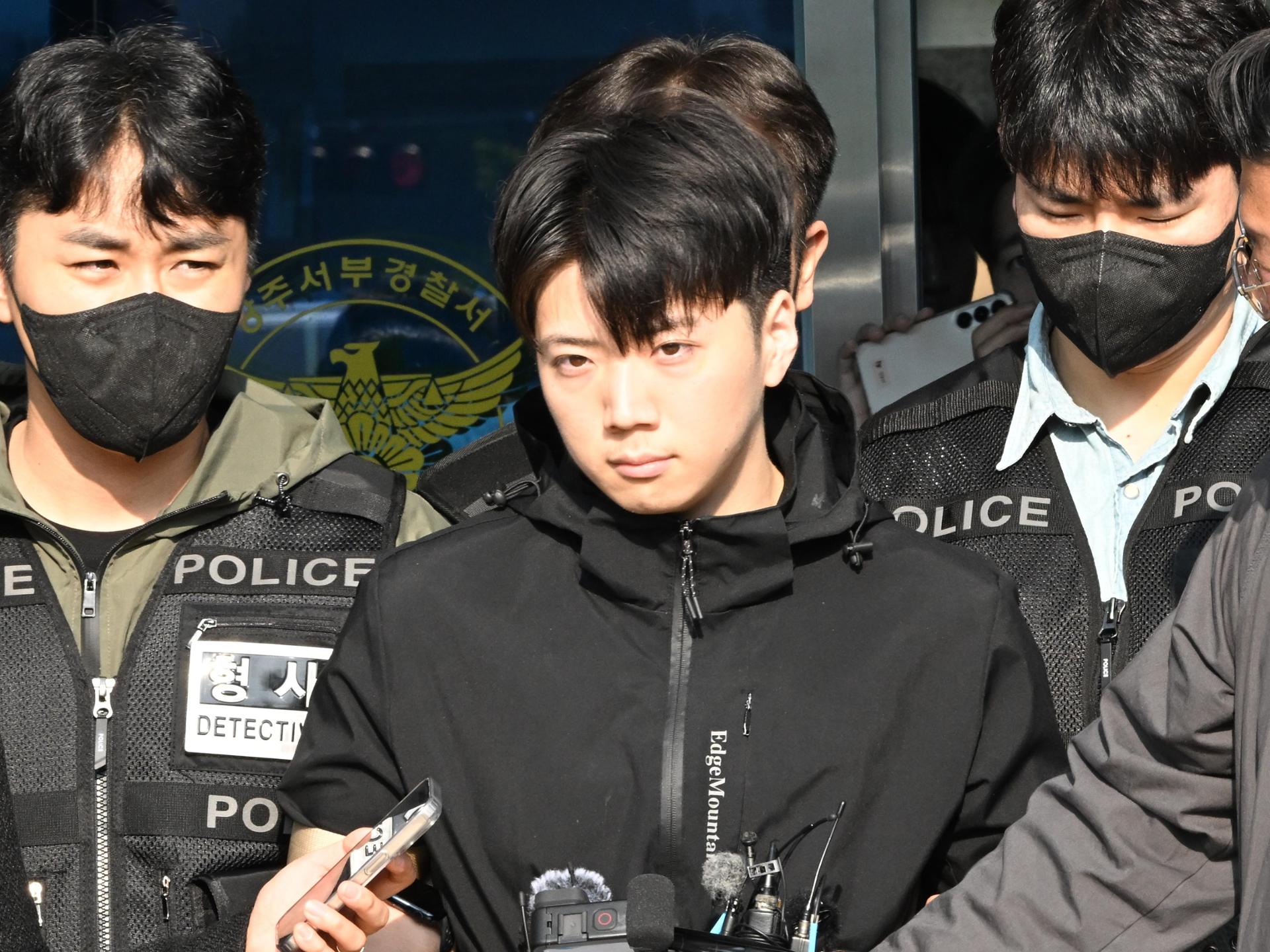
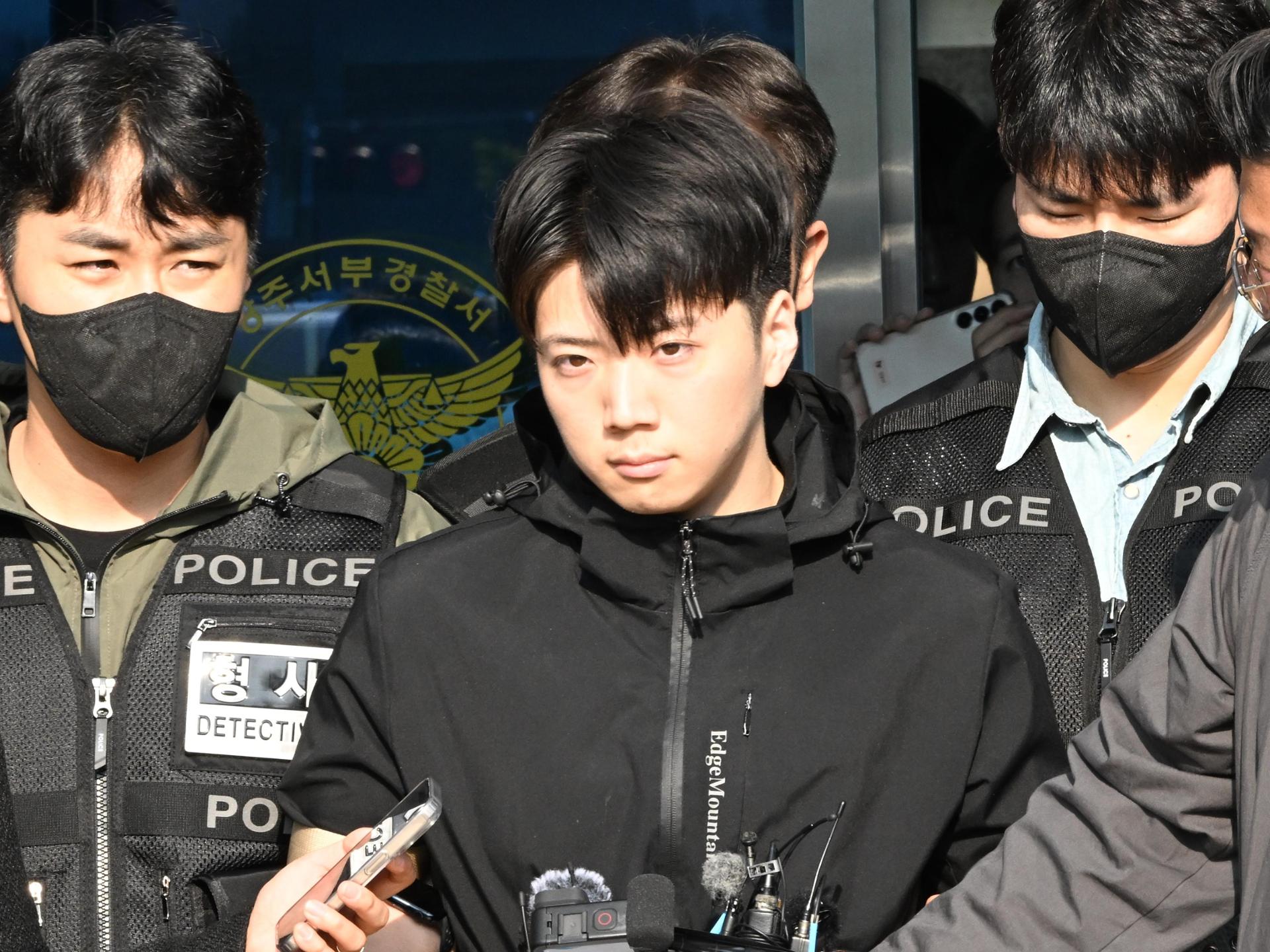
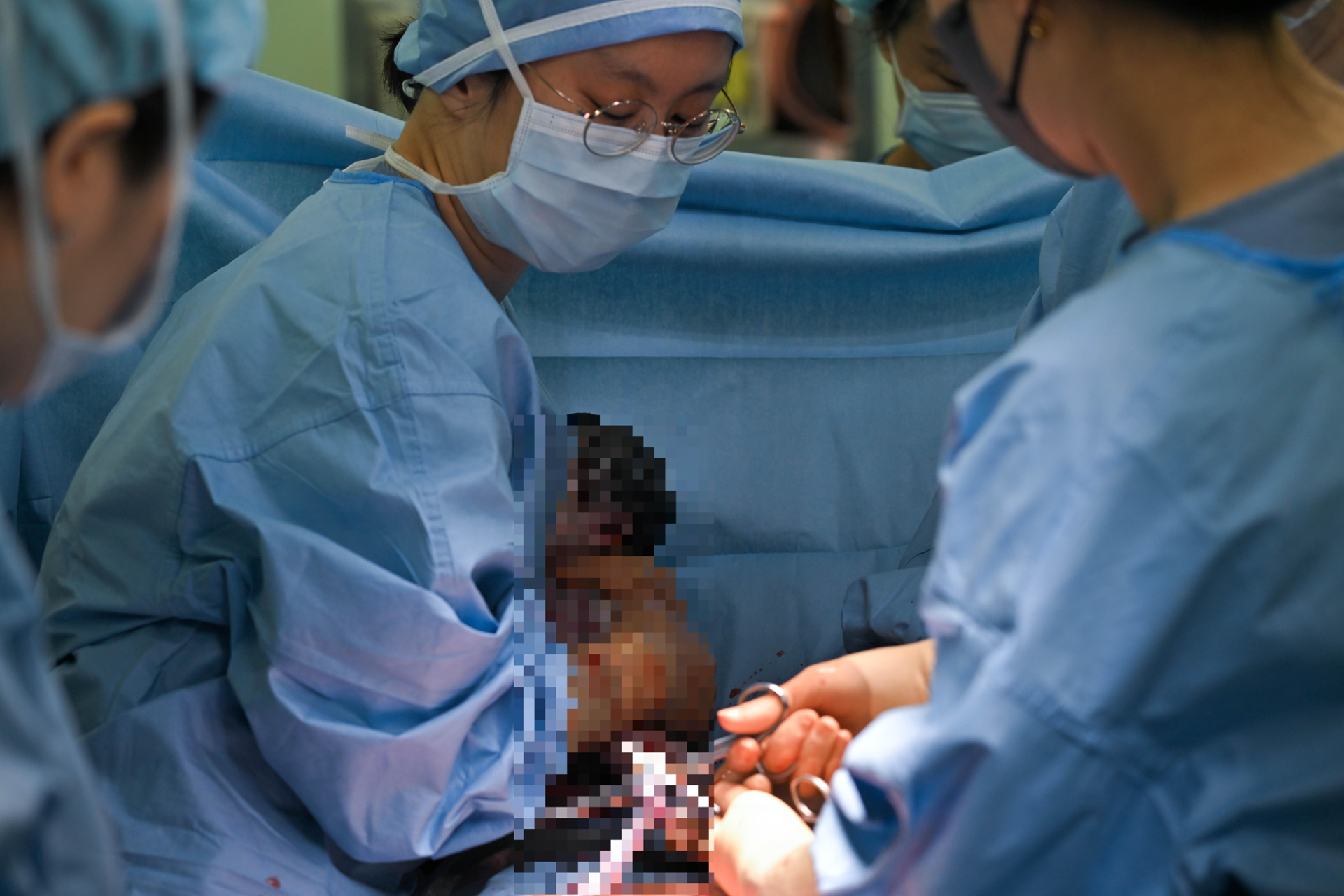
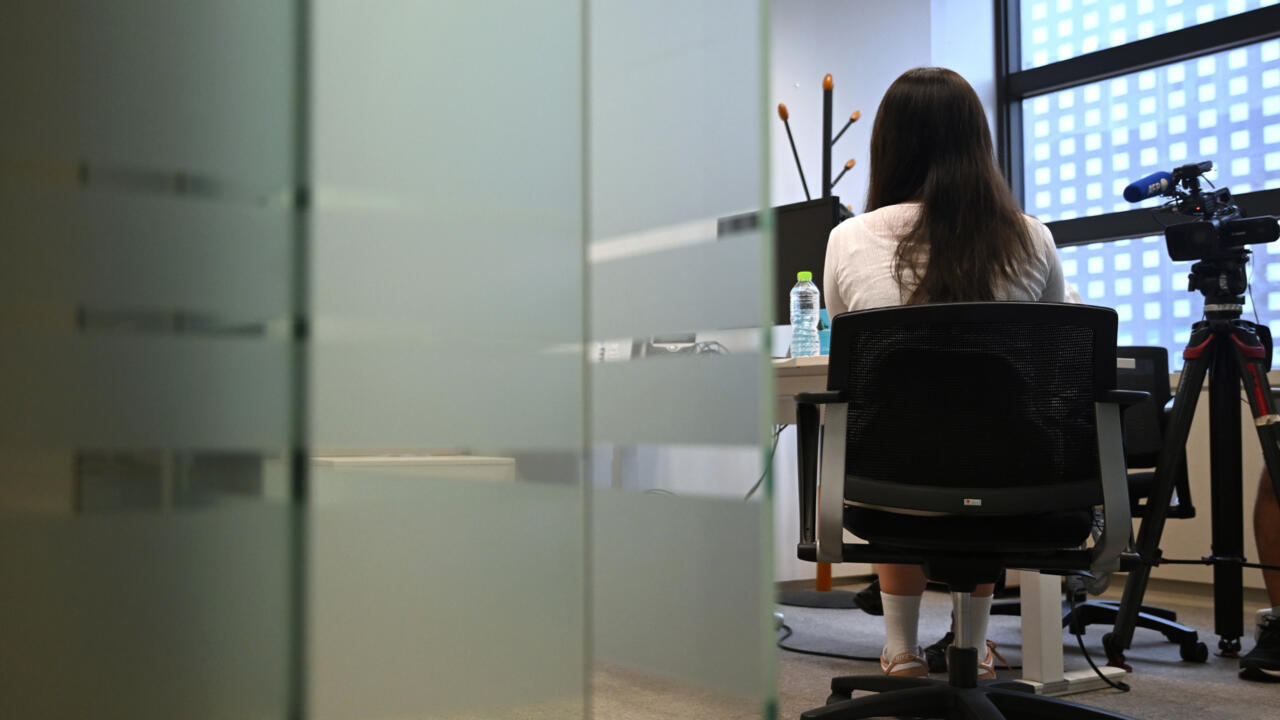
Calls grow for stronger staffing rules and independent safeguards as past crackdowns fail to curb hospital bullying Nurse Kang Soo-bin (right), who was found dead in Gwangju, Gyeonggi Province, amid allegations of workplace bullying at a hospital where she worked (MBC) A series of deaths among young healthcare workers has put renewed pressure on South Korea to confront a workplace bullying culture in hospitals that critics say has survived years of public outrage, legal reform and government pledges.The latest cases have revived scrutiny of what is widely known in Korea as "taeum," a practice often described as senior staff “burning” junior workers through verbal abuse, humiliation and excessive workloads under the guise of training.The practice drew nationwide attention after a series of nurse suicides in 2018 and 2019, becoming one of the cases that fueled broader calls for legal protection against workplace harassment.Yet recent deaths linked to alleged bullying suggest the practice remains deeply rooted, and healthcare workers argue that past responses have failed to address the staff shortages, excessive workloads and entrenched hierarchies that allow it to persist. Members of the Korean Nurses Association hold a moment of silence for Kang Soo-bin, a nurse who was found dead in Gwangju, Gyeonggi Province, amid allegations of workplace bullying, during a press conference in front of Cheong Wa Dae in central Seoul on Monday. (Newsis) Abuse disguised as training“Before I experienced taeum, I thought it was simply a case of someone with a bad personality picking on colleagues who were less capable,” said Kim, a nurse with nine years of experience who said she was bullied while working at a public hospital in Seoul.“Shortly after I filed a workplace harassment complaint with the labor authorities, news broke that another nurse had died on June 29. It made me realize the problem extends far beyond a single hospital.”Kim, who worked in an administrative nursing role, filed the complaint with a regional office of the Ministry of Employment and Labor, alleging that she was assigned an excessive workload that left her no choice but to work holidays and overtime without pay.When she raised concerns, her supervisor blamed her lack of ability rather than the demands placed on her, she said.Healthcare workers say taeum takes many forms, from repeatedly assigning routine tasks without guidance to arbitrarily changing day and night shifts. Because such treatment is often framed as part of the job, many nurses feel unable to resist for fear of compromising patient care.In recent weeks, two more healthcare workers in their 20s, a nurse in Gwangju and a radiologic technologist in Gunsan, North Jeolla Province, died by suicide, raising concerns that the culture extends beyond nursing to other patient-facing professions.Healthcare workers say taeum has outlived the rationale used to defend it."Taeum emerged from the belief that healthcare workers had to undergo rigorous training because mistakes could cost patients' lives," said Kwak Kyoung-sun, secretary general of the Korean Health and Medical Workers' Union.“But the reasons behind it range from personal conflicts to structural problems. When we met the family of the nurse who recently died in Gwangju, they told us they still did not know why she had been targeted.” A memorial plaque for Seo Ji-yoon, a nurse whose death in 2019 was recognized as a work-related death linked to workplace bullying at Seoul Medical Center (Jogye Order's Social and Labor Affairs Committee) Focus returns, skepticism remainsThe recent death of a nurse in Gwangju prompted swift responses from senior government officials, including President Lee Jae Myung, Labor Minister Kim Young-hoon and Health Minister Jeong Eun-kyeong. All pledged stronger action against workplace harassment in hospitals."We will conduct unannounced labor inspections at medical institutions deemed to be at risk and thoroughly investigate workplace harassment and other labor law violations," Lee Jae Myung wrote on social media last week. "If violations are found, we will take strict action."Healthcare workers remain skeptical, saying similar promises were made after the nurse deaths in 2018 and 2019 but failed to bring fundamental change.The controversy became a driving force behind Korea's workplace harassment provisions, which took effect in 2019. But healthcare workers say the law has had limited impact in hospitals, where rigid hierarchies and weak collective reporting mechanisms make abuses difficult to expose and address.They also argue that tougher inspections do little to address chronic staffing shortages and excessive workloads, which many see as the conditions that allow bullying to persist."Healthcare groups have long called for expanding the hospital nursing workforce," said Lee Ju-yul, a professor of health administration at Namseoul University. "But doing so requires substantial healthcare funding and broader reforms to the medical system, making it a politically and financially difficult issue to resolve."Some healthcare workers pointed to the Health Ministry’s June 26 hospital quality assessment plan, which removed the nurse-to-inpatient ratio from evaluation indicators for specialty hospitals, despite repeated calls from labor groups to strengthen staffing standards.Labor activists said the move ran counter to the government’s stated goal of improving hospital working conditions. This photo is not directly related to the story. (Getty Images) Overall reform neededNurses and healthcare experts say preventing further tragedies requires broad reforms rather than tougher punishment alone.Chronic understaffing and heavy workloads leave senior nurses with little time to train new recruits, and make hospitals reluctant to discipline experienced staff accused of bullying, they say.A study by Jeonbuk National University found that 45.9 percent of newly hired nurses left their jobs within their first year, as of December last year. The researchers cited anxiety during the transition into clinical work and burnout as major reasons.The high turnover has also left a large share of licensed nurses outside the healthcare workforce. Of roughly 550,000 licensed nurses as of the end of last year, only about 54 percent were working in healthcare settings.Experts say lasting change will also require hospitals, nursing schools and the Korean Nurses Association to take a greater role in changing workplace culture, not just responding after abuse is reported."Working conditions matter, but changing the culture itself is even more directly linked to the issue," said Lee Ju-yul. "Ultimately, the KNA should lead efforts to reshape the profession's culture through continuous campaigns.""Too often, its response has been limited to opening counseling channels or issuing statements," the Act Now Nurse official said."Hospitals also need independent and fair systems to investigate and address workplace bullying. The association needs to continue conducting nationwide surveys, monitor whether reforms are actually implemented, and support victims through recovery while ensuring similar incidents do not happen again.”