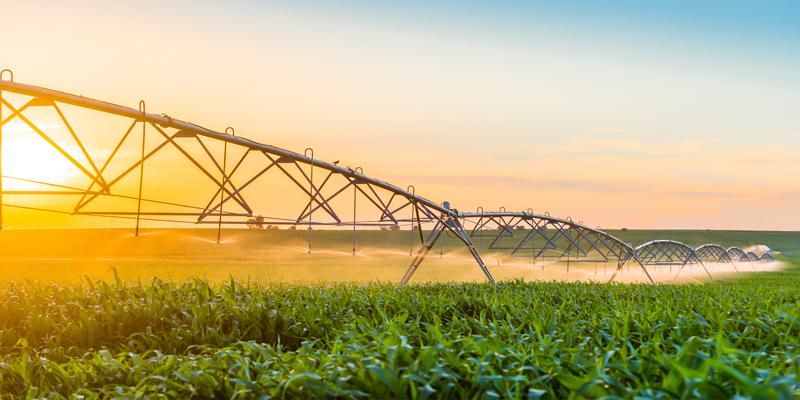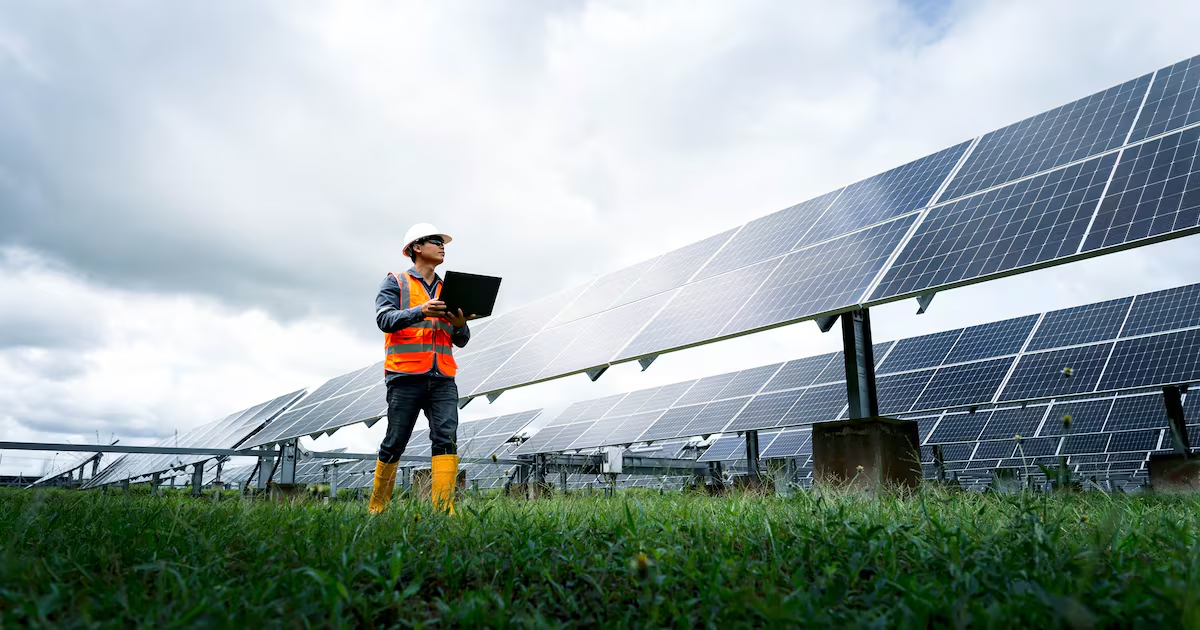
Standard Bank Group has mobilised R3.45bn for climate‑smart agriculture in the past year, reinforcing its commitment to sustainable food systems, climate resilience and inclusive economic growth.The agriculture sector is highly vulnerable to climate volatility. Increasingly erratic weather patterns, water scarcity and rising input costs are placing pressure on farmers, requiring new approaches to managing risk and ensuring long‑term viability.Louis van Ravesteyn, Standard Bank Group head of agriculture, says: “Farmers are already responding to the realities of climate change, but scaling these solutions requires access to the right kind of finance. “What we are seeing is a shift towards more resilient, efficient farming models that combine sustainability with productivity.”Farmers are already responding to the realities of climate change, but scaling these solutions requires access to the right kind of finance— Louis van Ravesteyn, Standard Bank Group head of agricultureStandard Bank’s solutions support a range of climate‑smart interventions, including water‑efficient irrigation, renewable energy, and regenerative farming practices.Technology for resilient farmingThe transition to climate‑smart practices is increasingly linked to improved operational efficiency, cost management and long‑term profitability for farmers. Technologies such as precision agriculture, solar-powered systems and data-driven crop management enable producers to optimise resources and meet rising demand for food production while reducing exposure to climate shocks.The financing forms part of Standard Bank’s broader sustainable finance commitment, which prioritises investments that deliver measurable environmental and social impact alongside financial returns. Climate‑smart agriculture is a key focus area, given its role in supporting rural economies, job creation and food security.Standard Bank’s approach focuses on improving access for a broader range of farmers, including emerging and mid-sized producers who may face barriers to traditional financing. By structuring solutions that align with the realities of agricultural cycles and climate risk, Standard Bank is able to expand participation in more sustainable farming systems.Financing a sustainable futureClimate‑smart agriculture contributes to reducing emissions, protecting natural resources and enhancing biodiversity, aligning with global sustainability frameworks and South Africa’s broader climate commitments.At the same time, it strengthens the resilience of supply chains and rural communities that depend on agriculture for income and economic activity.Boitumelo Sethlatswe, Standard Bank head of sustainability, says sustainable finance is about enabling real economy outcomes. “By directing capital towards climate‑smart agriculture, we are supporting a transition that benefits producers, communities and ecosystems alike, while helping to build a more resilient and sustainable agricultural sector, strengthening resilience across the entire value chain," she says. This is a critical component of a just transition, “ensuring that as we respond to climate risks, we also safeguard livelihoods and enable inclusive growth”, says Sethlatswe.As climate pressures intensify, the ability of farmers to adapt will play a large role in the stability of South Africa’s food systems and rural economies. Standard Bank’s continued investment in climate‑smart agriculture underscores the importance of innovation, partnership and targeted financing in navigating this transition.This article was sponsored by Standard Bank.
Standard Bank Group mobilises R3.45bn for sustainable, climate‑smart agriculture
SPONSORED | Funds help producers adopt resilient, resource-efficient practices that strengthen food security and rural economic growth
475 words~2 min read