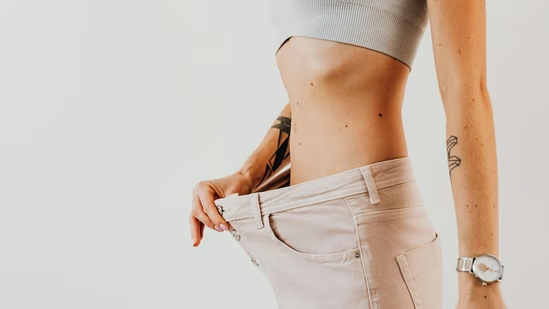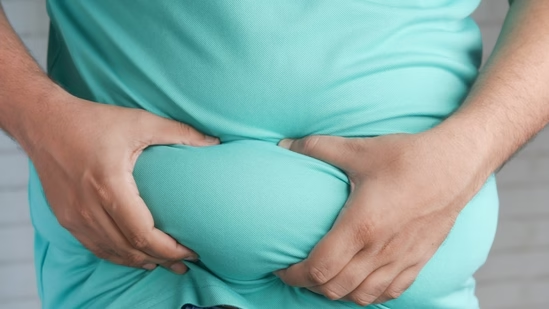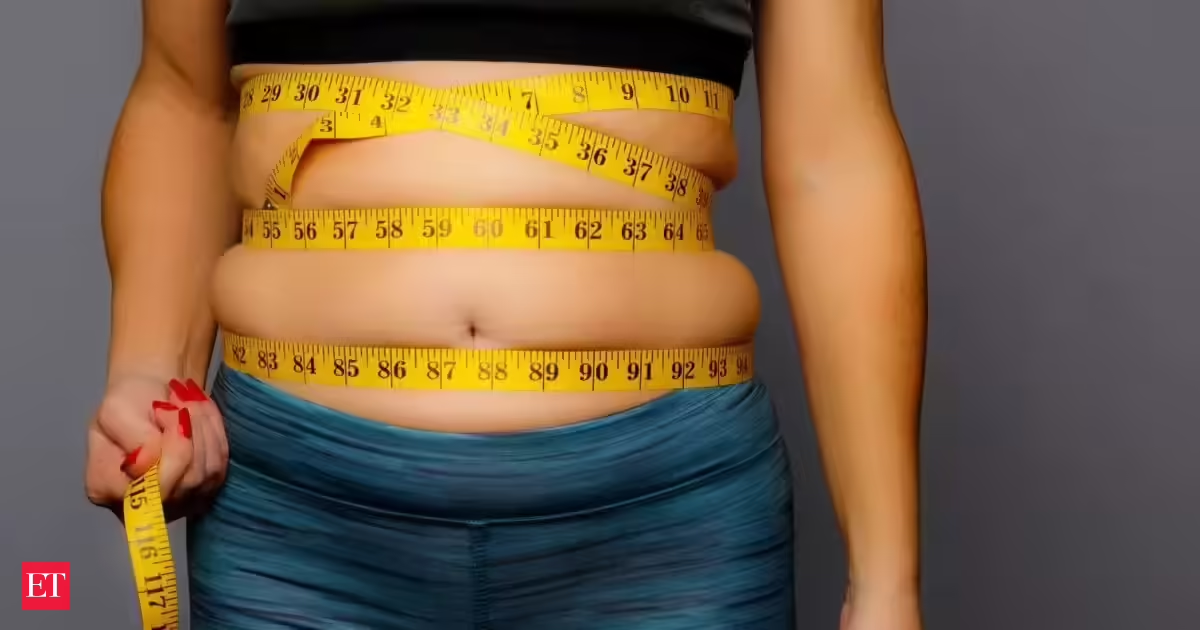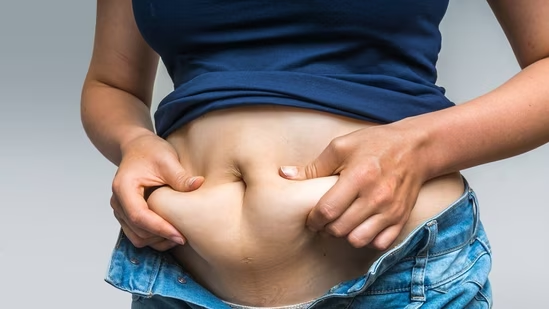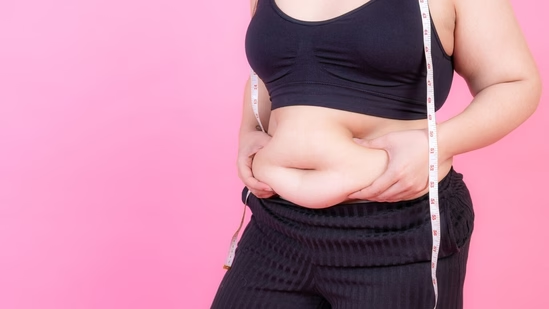
Pear-shaped vs apple-shaped body type, know which lower-body fat pattern is more harmful for you. Fat loss is not even. Some areas of the body are more stubborn and require more effort to lose fat from. This also means that weight gain is not uniform, as lower-body fat is gained more quickly and is harder to lose.Women often find it hard to lose weight in the lower body, but with discipline and right routine one can gradually lose it. (Picture credit: Freepik )ALSO READ: Is your daily walk really burning fat? Fitness coach reveals what fat-loss walk should feel like: ‘Talk but not sing…’Accordingly, the routine needs to be modified with the right mix of diet, exercise, and lifestyle changes. Most importantly, body shapes are different, with varying patterns of fat distribution. This makes it essential to understand the basics, from body types and the factors that drive weight gain in women to how to manage lower-body fat healthily.Let's hear from an expert who described this from the perspective of women's bodies, how they function, and how different body types influence fat distribution.Dr Shilpa Agarwal, consultant gynaecology and obstetrics and fetal medicine specialist, told HT Lifestyle that weight gain is not caused by one single factor, but rather by a combination of hormonal, genetic, reproductive, and physiological anomalies. What are the two body types?Before understanding why women may gain weight more around the lower body, it is important to know how fat distribution is broadly classified. Based on where the body tends to store fat, obesity is commonly divided into two patterns: gynoid obesity, also known as the pear-shaped pattern, and android obesity, also known as the apple-shaped pattern. The doctor described each on the basis of where the fat is stored:1. Gynaecoid obesity (pear-Shaped Pattern)Fat accumulation around the hips, thighs, and buttocks.The fat is primarily stored beneath the skin (subcutaneous fat).2. Android obesity (apple-shaped pattern)Fat accumulation around the abdomen and waist.The fat is primarily visceral, meaning it surrounds internal organs.Android obesity is more harmful of the two, though both are types of lower-body fat.When is lower-body fat more common?Fat distribution in women changes with age and reproductive stage. The gynaecologist shared when women store which type of body fat, “Lower-body fat accumulation is more commonly seen in premenopausal women, while central or abdominal fat accumulation becomes more common after menopause due to hormonal changes.”What causes fat gain in women?Lower-body fat gain in women can occur naturally, as the doctor pointed out. It does not necessarily mean that they are not dieting or exercising enough. Instead, understanding this pattern can help women modify their routine to target these areas more efficiently, especially the hips, thighs, and buttocks. Dr Agarwal described that hormones, genetics, reproductive biology, and even body structure all determine where the body stores fat. Here are some of the reasons, as shared by the doctor, which give better clarity on why women have more lower body fat:1. Hormones:Estrogen plays a major role in directing fat storage towards the hips and thighs.This is why lower-body fat is called ‘reproductive fat’, as it works as an energy reserve that supports pregnancy.2. GeneticsCertain genes affect fat tissue development, body fat patterning, and hip-to-waist ratio.3. Muscle and bone structureWomen generally have a wider pelvis and a different distribution of muscle mass compared to men.Results in a tendency for fat storage around the lower body.Why is lower-body fat difficult to lose?Now, let's address the common question that frustrates many women: why is lower-body fat so difficult to lose?Dr Agarwal elaborated the reason, “Fat cells in the hips and thighs store fat more readily and release it more slowly. These fat cells contain a higher number of alpha-2 receptors, which slow the mobilisation of fat. Additionally, blood flow to lower-body fat tissue is relatively low. Estrogen promotes fat storage in these regions. The fat cells are biologically designed to store energy for longer durations.”Which type of lower-body fat is harmful?The next common concern is whether lower-body fat can be a major health warning. The doctor clarified that lower-body fat is generally considered less harmful than abdominal fat. She warned that visceral fat, which is stored around the abdominal organs and often appears as a heavy belly pouch, is more strongly associated with cardiovascular disease, diabetes, and other metabolic disorders.How can women manage excess lower-body fat?Squat is one of the forms of strength training. (Picture credit: Freepik)Managing excess lower-body fat is not about chasing spot reduction, as fat loss cannot occur in a single region. Dr Agarwal recommended a more holistic approach that includes regular exercise, balanced nutrition, and proper hydration.Here's the complete regimen she shared, from which exercises to do, to what to eat:1. ExerciseA combination of cardiovascular exercise and resistance training is generally most effective for overall fat loss and improved body composition. Recommended activities include:Strength training exercises like squats, lunges, glute bridges, step-ups, and deadliftsBrisk walkingRunning or joggingSwimmingCycling2. DietA balanced diet is essential for healthy weight management.Key dietary recommendations include:Higher protein intakeReduced intake of refined carbohydrates and unhealthy fatsIncreased dietary fibre2. Include foods such as:Fresh vegetables and fruits like spinach, berries, apples, and papayaSaladsMillets like ragi, jowar, bajra, foxtail milletSoupsSprouts like moong sprouts, chana sprouts, mixed sproutsPaneerCurd and buttermilk3. Avoid:Processed foodsJunk foodExcess sugarMaida (refined flour) productsOily and deep-fried foodsAdvisable to consult a qualified dietician for a personalised diet plan.3. HydrationWomen should aim to consume approximately three to three-and-a-half litres of fluids daily, unless advised otherwise by their healthcare provider. Adequate hydration supports metabolism, digestion, and overall health.Hydration can come from:Plain waterLemon water (nimbu paani)Coconut waterFresh juicesMore about the doctorDr Shilpa Agarwal is a senior IVF and fertility specialist at Apollo Fertility, Chandigarh, with over 10 years of experience. She completed her MBBS and MS (Obstetrics and Gynaecology) at Banaras Hindu University, followed by a Fellowship in Infertility from Bengaluru.Note to readers: This article is for informational purposes only and not a substitute for professional medical advice. Always seek the advice of your doctor with any questions about a medical condition.Adrija Dey’s proclivity for observation fuels her storytelling instinct. As a lifestyle journalist, she crafts compelling, relatable narratives across diverse touchpoints of the human experience, including wellness, mental health, relationships, interior design, home decor, food, travel, and fashion that gently nudge readers toward living a little better. For her, stories exist in flesh and bones, carried by human vessels and shaped through everyday endeavours. It is the small stories we live and share that make us human. After all, humans and their lores are the most natural and raw repositories of stories, and uncovering them, for her, is akin to peeling an orange under a winter afternoon sun. Always up for a chat, she believes the best stories come from unfiltered yapping, where "too much information" is kind of the point. A graduate of Indraprastha College for Women, University of Delhi, and an alumna of the Indian Institute of Mass Communication (IIMC), Delhi, Adrija spends her idle hours cocooned with herbal tea and a gripping thriller, scribbling inner monologues she loosely calls poetic pieces, often with her succulents in attendance. On lazier days, she can be found binge-watching, for the nth time, one from her comfort-show holy trinity: The Office (US), Brooklyn Nine-Nine, or Modern Family. Dancing by herself to her peppy playlists, however, is an everyday ritual she swears by religiously.Read MoreHealthBody FatCatch every big hit, every wicket with Crick-it, a one stop destination for Live Scores, Match Stats, Quizzes, Polls & much more. Explore now!.Catch your daily dose of Fashion, Taylor Swift, Health, Festivals, Travel, Relationship, Recipe and all the other Latest Lifestyle News on Hindustan Times Website and APPs.See Less
Gynaecologist Dr Shilpa Agarwal reveals why it is harder to lose lower-body fat in women, shares how to manage it
Pear-shaped vs apple-shaped body type, know which lower-body fat pattern is more harmful for you. | Health
1,270 words~6 min read