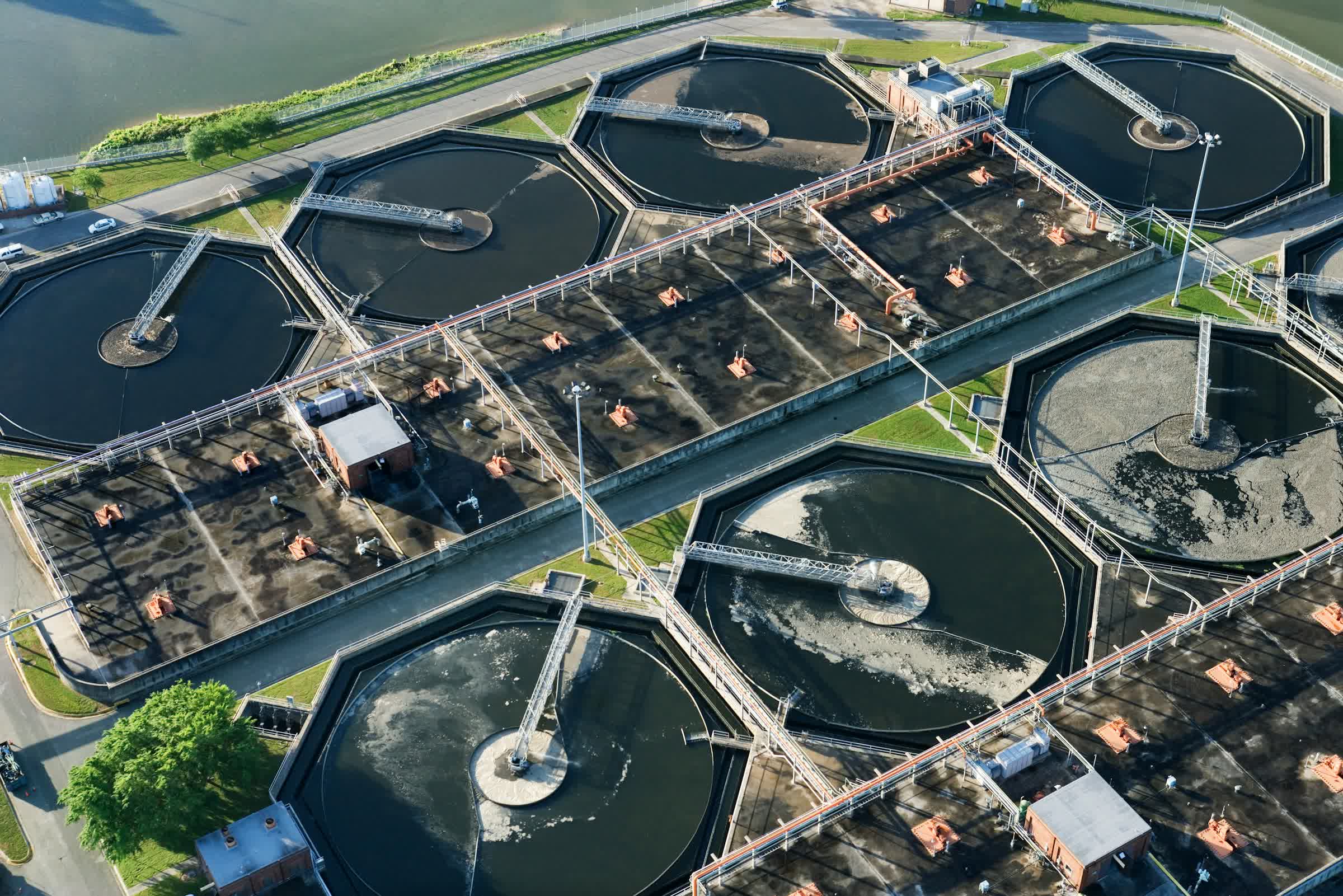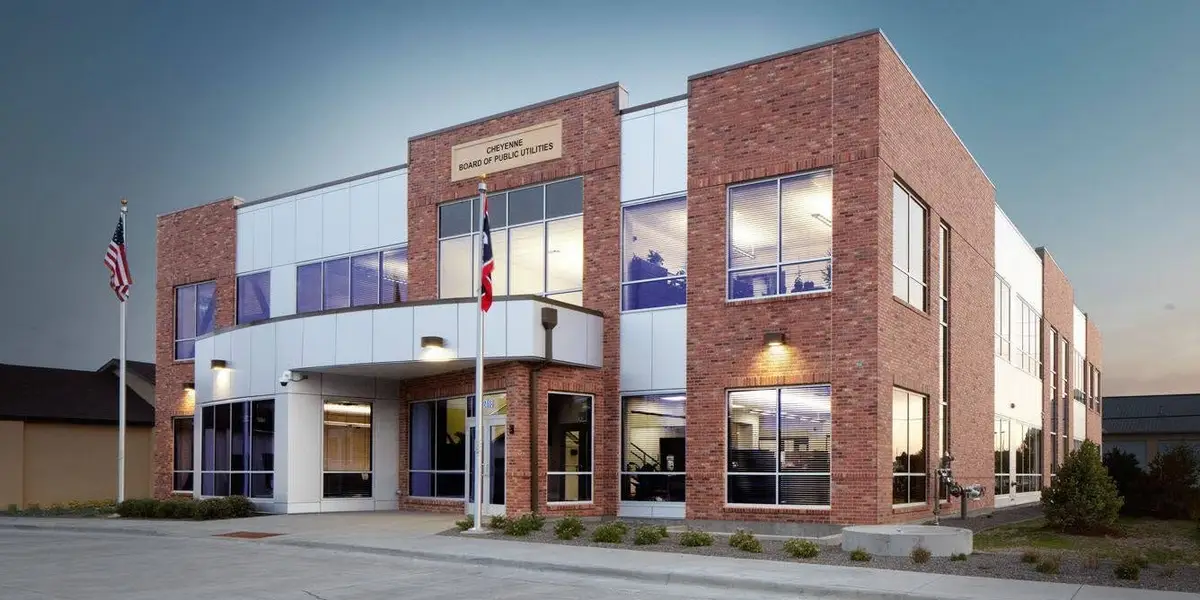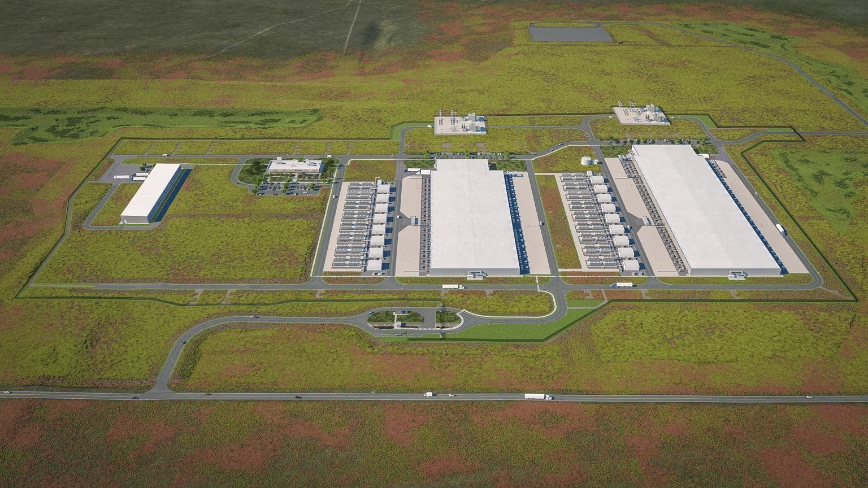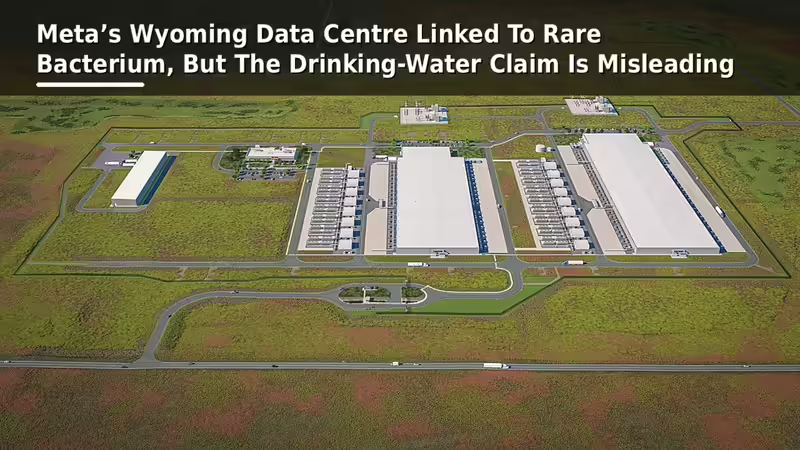
A rare bacterium was found in Cheyenne’s wastewater and reclaimed-water system earlier this year, and local officials traced the discharge to an industrial user connected to Meta’s upcoming data centre in Wyoming. But the claim now spreading online misses a crucial detail: there is no public evidence that Cheyenne’s household drinking-water supply was contaminated.That does not make the case harmless. Cheyenne’s Board of Public Utilities had to take its reuse-water system offline, disinfect infrastructure, switch affected irrigation systems to potable water and stop accepting some data-centre wastewater discharges. The incident has also exposed a bigger weakness in the AI infrastructure boom: towns are being asked to host huge computing projects before many of them have fully stress-tested the water, sewer and oversight systems that come with them.The short answer is this: Meta’s Wyoming data centre was linked to a rare bacterium found in Cheyenne’s wastewater and reuse-water system, not the city’s drinking-water supply. The bacterium, Cupriavidus gilardii, was traced by the city’s utility board to an industrial user. Local notices and reporting later identified that user as Goat Systems LLC, tied to fill-and-flush operations at Meta Cheyenne Datacenter CHY 1-2. The original point at which the bacterium entered the water chain remains less clear.That distinction matters. Wastewater, reclaimed water and drinking water are not the same thing. In this case, the affected reuse-water system was used for irrigation, including public green spaces. That still creates exposure concerns, especially when water is sprayed. But it is different from a contaminated tap-water crisis.What actually happened in Cheyenne?The first sign of trouble came in late February 2026. Cheyenne’s Board of Public Utilities, known locally as BOPU, said its laboratory staff found an unusual bacterium during routine wastewater sampling. Additional testing by the Wyoming Public Health Laboratory identified the organism as Cupriavidus gilardii. BOPU described it as a naturally occurring bacterium commonly found in soil and groundwater environments.At first, the utility did not know where it had come from. BOPU said it notified the Wyoming Department of Environmental Quality after confirming the bacterium’s presence because Cupriavidus gilardii is not a regulated contaminant. That is an important technical point. The bacterium was unusual and concerning, but it did not sit neatly inside the usual list of regulated substances that municipal water and wastewater systems routinely monitor.The investigation then moved into the field. BOPU said targeted sampling and field work eventually traced the source to an industrial user inside the system. The utility said that user’s discharge privileges were immediately and permanently terminated. It also said the bacterium had already established itself inside the biological treatment processes at both of Cheyenne’s wastewater reclamation facilities.That is where the city had a problem. Cheyenne’s reuse-water system had to be taken offline shortly after seasonal start-up. Over the next two months, BOPU drained and disinfected the entire reuse-water system and Prairie View Pond. To prevent further movement through the reuse distribution network, affected irrigation systems were temporarily converted to potable water supplies.Reuse-water irrigation resumed on June 29, 2026, after consultation with the Laramie County Public Health Department. BOPU said it had detected only minimal residual traces in its treatment facilities and would continue monitoring and sampling.This was not a small maintenance issue. It forced a two-month clean-up, a change in irrigation supply and a policy shift on industrial discharge. But the available record still points to wastewater and reuse water, not the public drinking-water supply.How Meta’s data centre entered the storyThe Meta connection comes through the construction of the company’s Cheyenne data centre, a large AI-focused campus announced in July 2024. Meta said the site would be its 21st data centre in the United States and 25th globally. The company described it as a 715,000-square-foot campus, with investment of more than $800 million, or roughly Rs 7,640 crore at recent exchange rates. Meta also said the project would support around 100 operational jobs and more than 1,000 construction workers at peak.Cheyenne LEADS, the local economic development body, said the facility was expected to go online in 2027 and would be optimised for Meta’s AI workloads. The data centre was presented as part of the infrastructure behind Meta’s major apps and services, including Facebook, Instagram, WhatsApp, Messenger and Threads.The contamination link emerged through the discharge record. Local reporting and public notices identified Goat Systems LLC as the industrial user found to be in significant noncompliance. KGAB reported that Goat Systems stopped discharging wastewater from fill-and-flush operations at Meta Cheyenne Datacenter CHY 1-2 after being notified. Cowboy State Daily also reported that Cheyenne suspended acceptance of wastewater associated with data-centre fill-and-flush and closed-loop cooling systems after the contamination.Fill-and-flush is the plumbing side of a data-centre build. Before a cooling system is fully commissioned, water is circulated through pipes to clear debris, residue, scale and construction material. That water then has to be discharged or hauled away. In Cheyenne’s case, the concern is that wastewater from this process entered the municipal sewer system and contributed to the spread of Cupriavidus gilardii through the wastewater and reuse-water network.This is why the wording needs to be careful. It is fair to say that Cheyenne officials traced the contamination to an industrial discharge connected to Meta’s data-centre project. It is not accurate, based on the public record available so far, to say that Meta infected Cheyenne’s drinking water.Why the drinking-water claim is wrongThe viral version of the story works because it collapses every kind of water into one phrase: “the local water system”. That may sound harmless, but in this case it changes the meaning of the story.Cheyenne’s affected system was wastewater and reclaimed water. Reclaimed water, also called reuse water, is treated wastewater used for non-drinking purposes such as irrigation. It can be used on parks, golf courses and other green spaces. It is not the same as the water that comes out of household taps.Business Insider reported that Cheyenne’s drinking-water supply was not affected and that the bacterium was found in wastewater tied to the Meta data-centre project. The Guardian also reported that the contamination did not affect drinking water, while Meta said the substance was found in wastewater and not public drinking water.That does not mean residents had no reason to be concerned. Reuse water is still used in public settings. When irrigation systems spray water, droplets can become aerosolised. That is why the bacterium’s presence in a reuse-water network drew public-health attention, particularly for older residents and people with weakened immune systems.But there is a big difference between exposure risk from reclaimed-water irrigation and a contaminated municipal drinking-water system. The first is a serious wastewater and public-works failure. The second would be a direct drinking-water emergency. The evidence supports the first, not the second.What is Cupriavidus gilardii?Cupriavidus gilardii is a rare environmental bacterium. It is usually associated with soil and water, and BOPU said it is known for high resistance to metals. The utility also noted that it has been associated with some industrial applications involving metal reduction processes.In medical literature, Cupriavidus gilardii is not treated as a common pathogen. It is rare, but not irrelevant. A 2017 case report described it as an organism with low pathogenicity that has caused opportunistic infections in a small number of documented cases. A 2025 case report described it as a multidrug-resistant pathogen found in soil and water, with human infection described as extremely rare. A 2026 case report described it as a rare environmental Gram-negative bacillus increasingly recognised as an opportunistic pathogen.The pattern is fairly clear. For most healthy people, Cupriavidus gilardii is not a familiar everyday risk. For vulnerable patients, it can be more serious. That is why BOPU’s own notice said infections are extremely rare but that the bacterium may pose health risks to immunocompromised people and older adults through direct exposure.This is also why the Cheyenne story should not be mocked as internet panic. The drinking-water claim is misleading, but the presence of a rare bacterium in a public reuse-water system is still a real problem. A city does not drain and disinfect an entire reuse-water system for optics.What Meta and Fortis have saidMeta has not presented the incident as a drinking-water contamination case. According to local and national reporting, the company said it was supporting Fortis Construction, its general contractor, in resolving the matter with Cheyenne’s utility board. Meta said that once BOPU raised the issue, Fortis stopped discharging industrial wastewater and began hauling it offsite.Fortis also said it conducted independent testing and found no trace of Cupriavidus gilardii in the samples it tested. Inc. reported that Fortis carried out multiple rounds of testing across discharge, passivation, source, stagnant and dirt-added water samples, with no detection of the bacterium.That creates a messy but common situation in environmental investigations. The city says its targeted sampling traced the contamination to an industrial user. Public notices and reporting identify the user and the data-centre-linked discharge. The contractor says its later testing did not detect the bacterium on site. These statements do not automatically cancel each other out.The bacterium could have been present in a specific discharge event and absent during later testing. It could have been introduced through stagnant water, construction debris, pipe biofilm, source water, flushing equipment or another point in the chain. Tom’s Hardware, citing local reporting, noted that the fill water had reportedly been purchased from BOPU itself and that the original source of the bacterium remains unknown.That is the unresolved piece. Cheyenne officials traced the contamination to the industrial discharge pathway. But the first point at which the bacterium entered that chain has not been fully established in the public record.Why Cheyenne changed its wastewater rulesThe policy response was direct. Cheyenne stopped accepting industrial wastewater from data-centre fill-and-flush and closed-loop cooling-system operations. The Guardian reported that the city tightened its wastewater rules after the incident and that companies must now collect and dispose of such water offsite rather than send it into municipal sewers.That is a major shift. Data centres are often sold as clean infrastructure: quiet buildings with servers, fibre and high-skilled jobs. But a data centre is still physical infrastructure. It has pipes, cooling systems, chemicals, commissioning water, floor drains and contractors. It needs power, land, water and sewer access.The Cheyenne case shows that the wastewater side cannot be treated as an afterthought. A city may have enough water to support a project. It may have enough power. It may have cheap land and a supportive economic development agency. But if its wastewater plant is not prepared for the type of discharge coming from a new industrial user, the risk moves into the public system.That is what happened here. The data centre was not even fully operational. Yet the city had already been forced into a wastewater crackdown.The larger AI data-centre problemThis case arrives at a moment when public resistance to data centres is already rising. In May 2026, Gallup reported that seven in 10 Americans opposed the construction of an AI data centre in their local area. Nearly half were strongly opposed. Among opponents, the most common concern was the effect on resources, with water and energy each cited by 18 percent. Pollution, including water contamination, was also listed as a concern.Pew Research Centre has also found that the next wave of US data-centre development is moving into rural areas. Its April 2026 analysis said the US has more than 3,000 operational data centres and more than 1,500 new ones in various stages of development. It found that 67 percent of planned data centres are in rural areas, while 87 percent of currently operating data centres are in urban areas.That shift matters. Rural and smaller-city utilities may not have the same staffing depth, legal capacity or technical experience as major metro systems that have dealt with heavy industrial users for decades. Data-centre companies may arrive with promises of tax revenue, jobs and infrastructure investment. Local governments may be tempted, especially where big private investment is rare.But the infrastructure burden is real. Data centres need power. Some need large water capacity. Some use closed-loop systems that reduce ongoing water consumption but still create commissioning and maintenance discharges. They also create peak construction pressure before the promised permanent jobs arrive.For Cheyenne, Meta’s project was pitched as an $800 million investment, or about Rs 7,640 crore, with around 100 long-term operational jobs. That is meaningful for a city. But the wastewater issue shows the other side of the bargain. A small number of permanent jobs can still come with large utility demands and complicated public-risk questions.What cities should ask before approving data centresThe Cheyenne case offers a practical checklist for other cities. The first question should not be only how much water a data centre will consume. Cities should ask what type of wastewater will be discharged, when it will be discharged, how it will be tested, who will certify it, where it will go if the city refuses it, and who pays for remediation if something goes wrong.The second question is disclosure. In Cheyenne, BOPU found the bacterium in late February, while the wider public learned the Meta-linked details much later through local reporting and public notices. There may be legal and investigative reasons for some delay. But public confidence suffers when a water-related issue becomes clear only after months of silence.The third question is accountability. Meta is the headline name. Fortis is the general contractor. Goat Systems was identified in public notices and reporting. BOPU is the utility. DEQ and public-health officials were part of the response. When something enters a municipal sewer system, the public needs to know which entity is responsible for prevention, testing, reporting, clean-up and future controls.The fourth question is whether existing permits are fit for modern data-centre builds. A closed-loop cooling system may sound low-risk because it recirculates water. But the commissioning process can still create wastewater. If city rules do not clearly account for that stage, they are incomplete.Cheyenne has now moved to tighten its rules. Other cities should not wait for their own version of the same incident.So, did Meta “infect” the water?The truth is that Cheyenne officials found Cupriavidus gilardii in the city’s wastewater and reuse-water system, traced the source to an industrial user, and local notices and reporting connected that user to fill-and-flush discharge at Meta’s Cheyenne data-centre project.The weaker, viral version is this: Meta infected the local water system. That's not truly accurate.It suggests intent or direct causation that has not been fully established. It also fails to separate drinking water from wastewater and reclaimed water. The confirmed public record is serious enough without exaggeration.There is a real contamination incident. There is a real Meta-linked data-centre discharge pathway. There was a real clean-up. There is a real policy change. There is also no evidence, so far, that Cheyenne’s household drinking-water supply was infected.The story is not “Big Tech poisoned the taps”. It is more specific, and in some ways more useful: a city chasing AI-era investment found that the plumbing, wastewater and oversight questions were not secondary details. They were central to the project.FAQDid Meta’s Wyoming data centre contaminate Cheyenne’s drinking water?No public evidence shows that Cheyenne’s household drinking-water supply was contaminated. The confirmed issue involved the city’s wastewater and reuse-water system, which is used for irrigation. Business Insider and The Guardian both reported that the drinking-water supply was not affected.What bacterium was found in Cheyenne’s wastewater system?The bacterium was Cupriavidus gilardii. Cheyenne’s Board of Public Utilities said it was first detected during routine wastewater sampling in late February 2026 and later identified by the Wyoming Public Health Laboratory.How was the Meta data centre connected to the bacterium?Public notices and local reporting identified Goat Systems LLC as the industrial user tied to the discharge. KGAB reported that Goat Systems stopped discharging wastewater from fill-and-flush operations at Meta Cheyenne Datacenter CHY 1-2 after being notified.What is fill-and-flush in a data centre?Fill-and-flush is part of commissioning a cooling system. Water is circulated through pipes to clear debris, residue and scale before the system is fully put into service. That water then has to be discharged or hauled away. In Cheyenne, such data-centre wastewater discharges are now restricted.Is Cupriavidus gilardii dangerous?Human infection is extremely rare, but the bacterium can act as an opportunistic pathogen, especially in vulnerable patients. BOPU said it may pose health risks to immunocompromised people and older adults through direct exposure. Medical case reports have also described rare but serious infections.What did Cheyenne do after finding the bacterium?BOPU took the reuse-water system offline, drained and disinfected the system and Prairie View Pond, switched affected irrigation systems to potable water and resumed reuse-water irrigation on June 29, 2026, after consultation with local public-health officials.What action did Cheyenne take against data-centre wastewater?Cheyenne stopped accepting industrial wastewater from data-centre fill-and-flush and closed-loop cooling-system operations. The policy response means such water must now be collected and disposed of offsite rather than sent into the municipal sewer.What has Meta said?Meta has said the issue involved wastewater, not public drinking water. The company said Fortis, its general contractor, stopped discharging industrial wastewater and began hauling it offsite after BOPU raised the issue. Fortis also said independent testing did not detect the bacterium in its samples.Why does this matter beyond Wyoming?The case shows that AI data-centre risks are not limited to electricity demand or land use. Wastewater discharge, commissioning water, local treatment capacity and public reporting also matter. With many new US data centres planned for rural areas, smaller utilities may face more pressure from large industrial projects.What is the most accurate summary?A rare bacterium was found in Cheyenne’s wastewater and reuse-water system, and officials linked the discharge to a Meta data-centre contractor. There is no evidence that Cheyenne’s drinking-water supply was contaminated.end of article
Meta’s Wyoming Data Centre Linked To Rare Bacterium, But The Drinking-Water Claim Is Misleading
Cheyenne officials traced Cupriavidus gilardii contamination in the city’s wastewater and reuse-water system to discharge linked to Meta’s Wyoming data centre project. Here is what happened, what did not happen, and why it matters for the AI data-centre boom.
2,942 words~13 min read