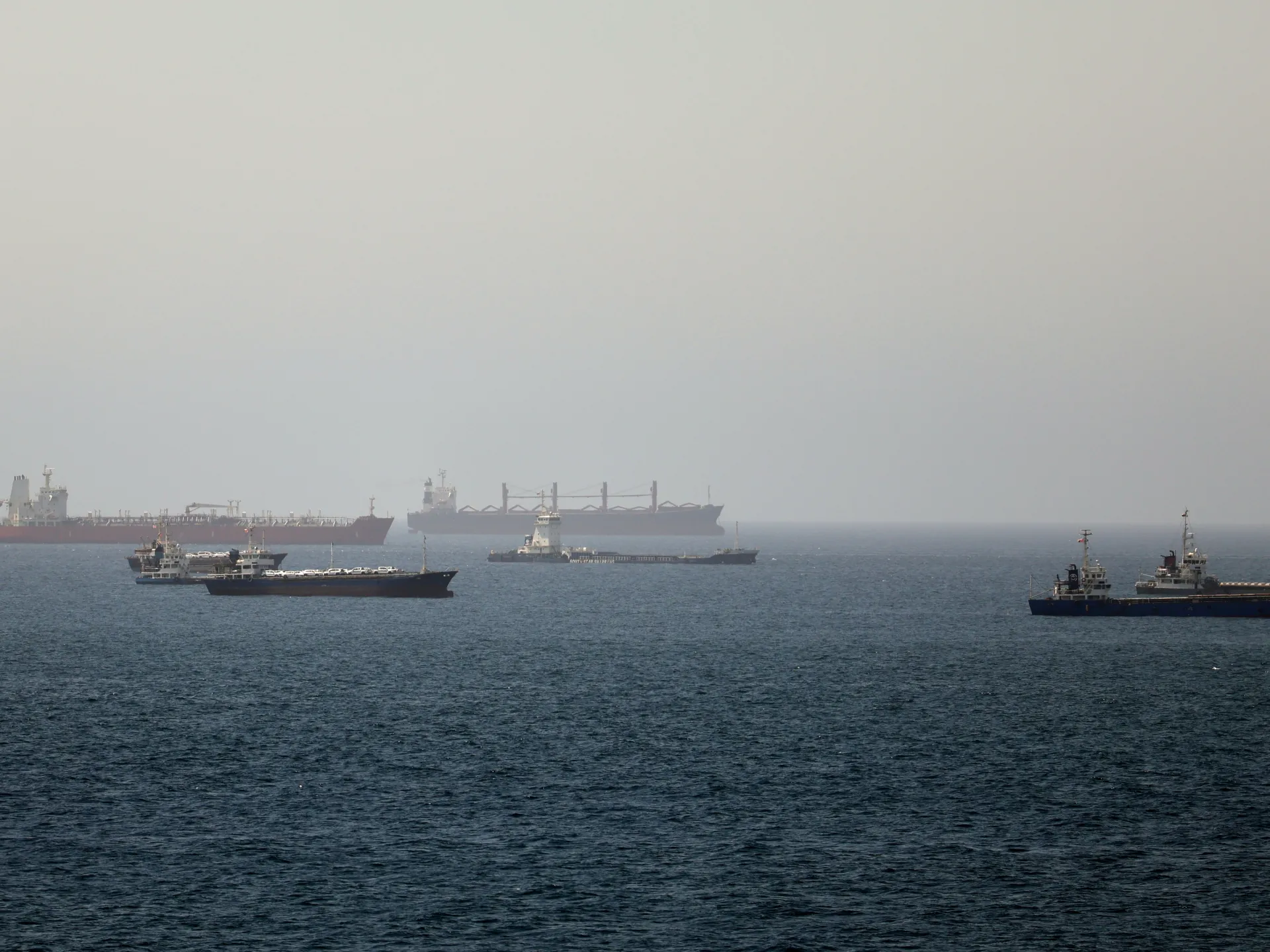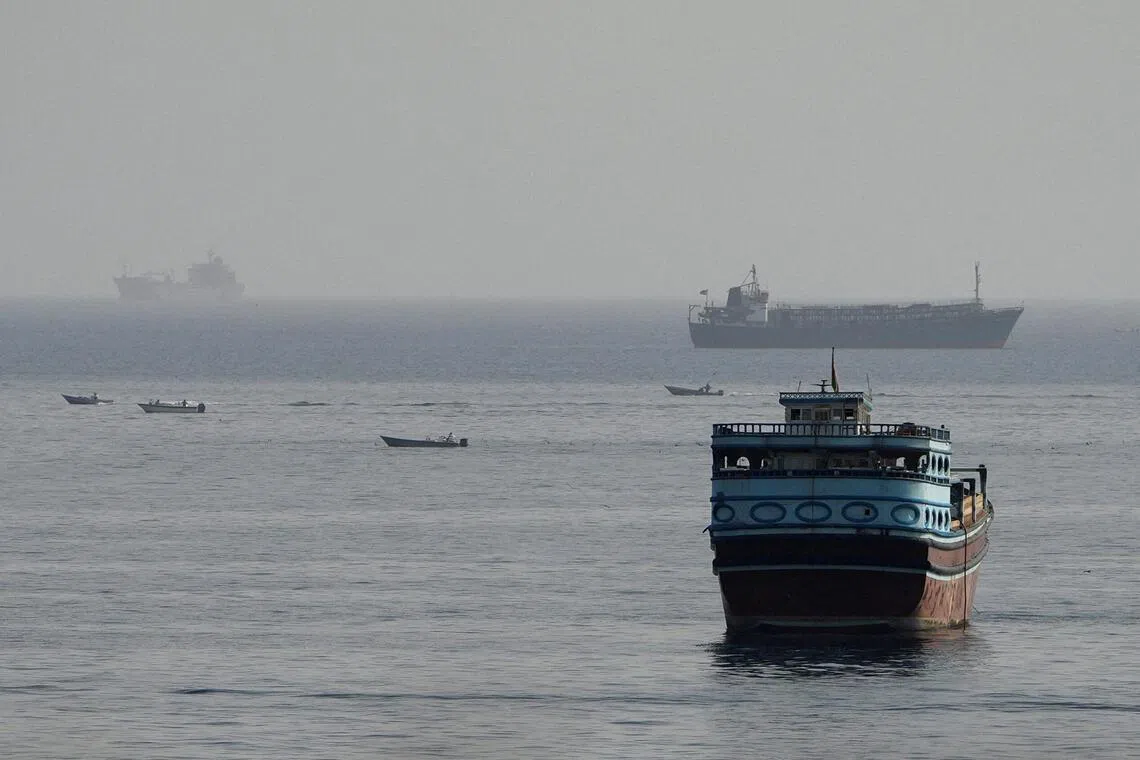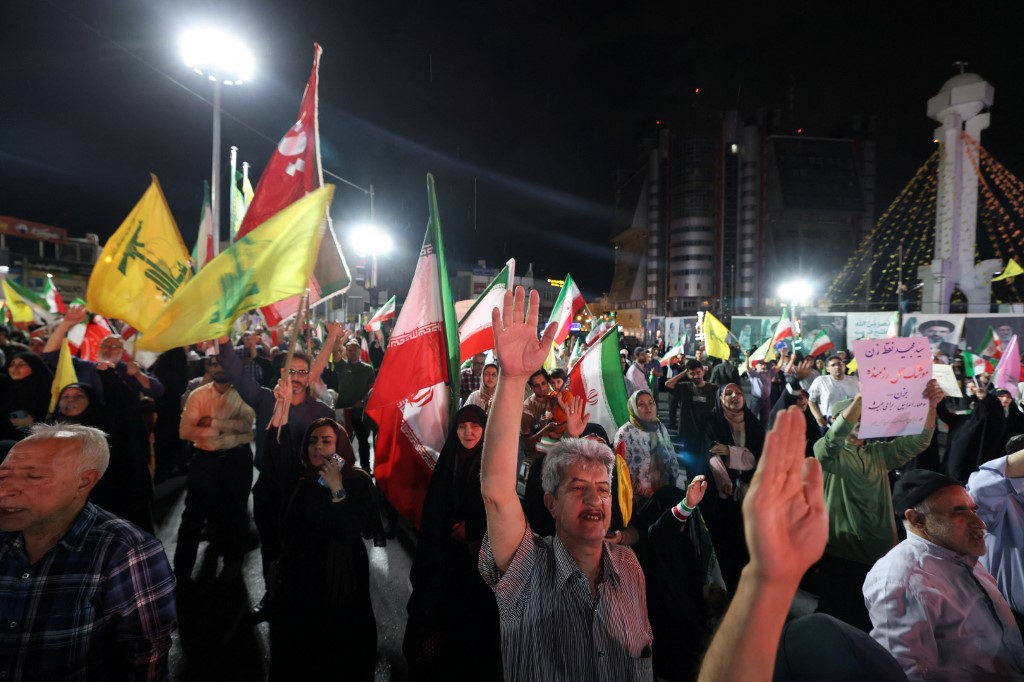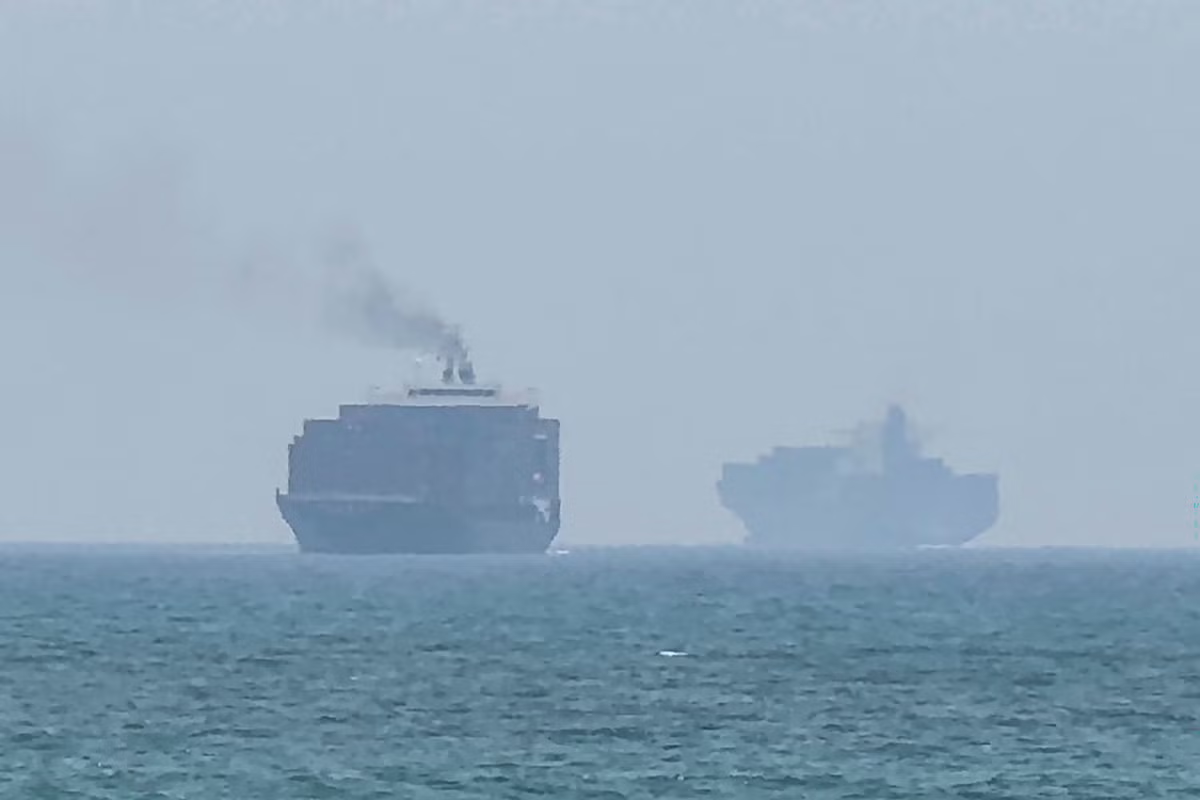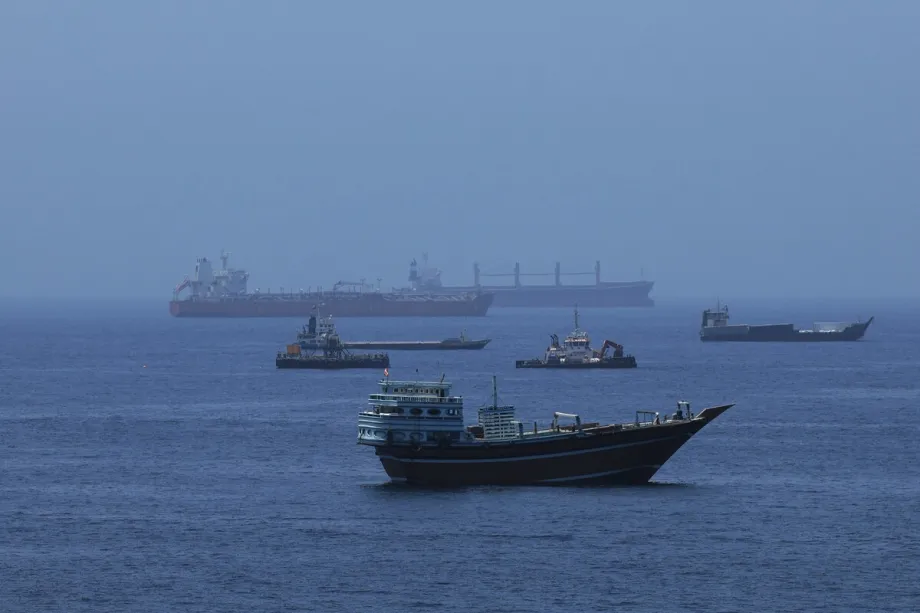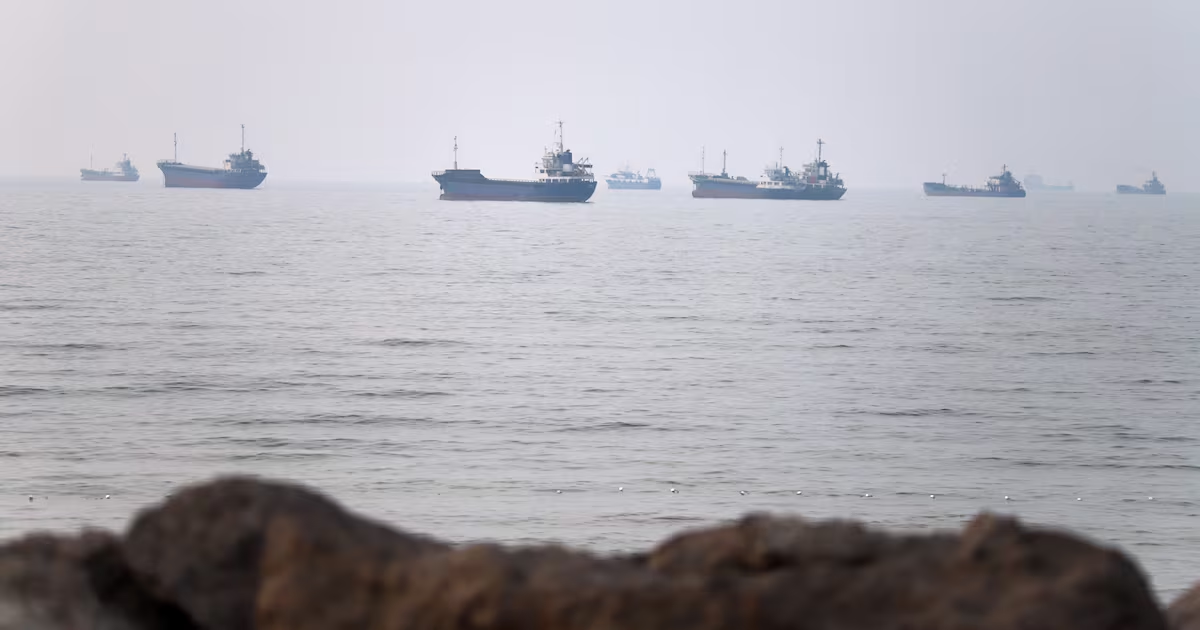
Oil extended a surge as the US struck targets in Iran for a second day, raising risks for energy supplies from the Middle East.Brent rose as much as 1.5 per cent to above $79 a barrel, after a jump of more than 5 per cent on Wednesday, while West Texas Intermediate was near $74. US forces made additional strikes to degrade Iran’s ability to threaten freedom of navigation in the Strait of Hormuz, Central Command said. Tehran retaliated with missiles and drones on American bases in the region, state-run television reported.On Wednesday, US president Donald Trump said the interim peace agreement with Iran was over, while raising the possibility of reimposing a blockade on the Islamic Republic’s ports. He also warned crude prices could rise further, and strikes may include a “take over” of the export hub at Kharg Island.The US attacks were “retribution” for Iranian ship strikes, Trump said in a social-media post. “If it happens again, it will get much worse!” he wrote.Vessel-tracking data on Thursday showed a drop-off in Hormuz transits. Observable movements largely occurred along an Iran-approved route nearer to the waterway’s north, while the US-supported Omani corridor was quiet.The global energy market has been jolted this week by the resurgence in fighting in the Middle East, with futures partially retracing some of the losses seen in the second quarter. The status of Hormuz — which connects Persian Gulf producers to global markets — lies at the centre of the tensions, with the US launching attacks after a spate of strikes against commercial vessels.“If we’re going back to a closed Strait of Hormuz, we’re probably going up another $10,” said Scott Shelton, an analyst at TP ICAP. “If oil continues to flow, it probably won’t go up much more than this.”In signs of fighting around the region, Kuwait’s army said air defences responded to hostile missile and drone threats, without giving details. Separately, Iran’s state-run Press TV reported the Islamic Revolutionary Guard Corps launched missiles and drones at US bases in Kuwait and Bahrain.After the war broke out in February with US and Israeli strikes, Tehran initially forced the near-total closure of Hormuz, spurring regional crude suppliers to shut-in oil fields as storage tanks hit capacity. The fresh hostilities will test suppliers’ ability to keep vessels crossing the chokepoint after traffic had picked up following the countries’ interim deal.“The Strait of Hormuz never truly reopened in a normalised way, and now we could see further production shut-ins,” said Henry Hoffman, co-portfolio manager of the Catalyst Energy Infrastructure Fund. “A larger escalation could cause much more significant damage to regional energy infrastructure, with effects that last well beyond the initial price spike.”Earlier this week, the Treasury also revoked a sanctions waiver that had allowed Tehran to sell oil, reversing course on a key part of the interim deal. The agreement to lift sanctions saw millions of barrels of the country’s crude flood out of the gulf in recent weeks, much of which is now in limbo.“The events over the past 48 hours have raised concerns that any collapse of the interim peace deal between the US and Iran will lead to renewed disruptions to oil supplies,” ANZ Group Holdings analysts said in a note. “Prior to the attack on three ships earlier this week, transits of the key waterway had been rising. The recovery of supply is now at risk of being stopped in its tracks as Iran looks to reassert its control.”As the conflict drags on, stockpiles are coming under pressure. While US commercial crude holdings rose nearly 3 million barrels last week, a 6.2 million barrel draw from the Strategic Petroleum Reserve meant overall inventory posted a net fall of more than 3 million barrels, official data showed. In addition, distillate fuel oil stockpiles fell by 5 million barrels, and gasoline inventories hit the lowest seasonal level since 2012.“The US SPR is also becoming increasingly concerning,” said Catalyst Energy’s Hoffman. “We continued drawing down strategic inventories during the ceasefire period, leaving less cushion if this escalation persists.” - Bloomberg
Oil extends gains as US strikes in Iran rattle markets
Fresh hostilities will test suppliers’ ability to keep vessels crossing Strait of Hormuz chokepoint
674 words~3 min read