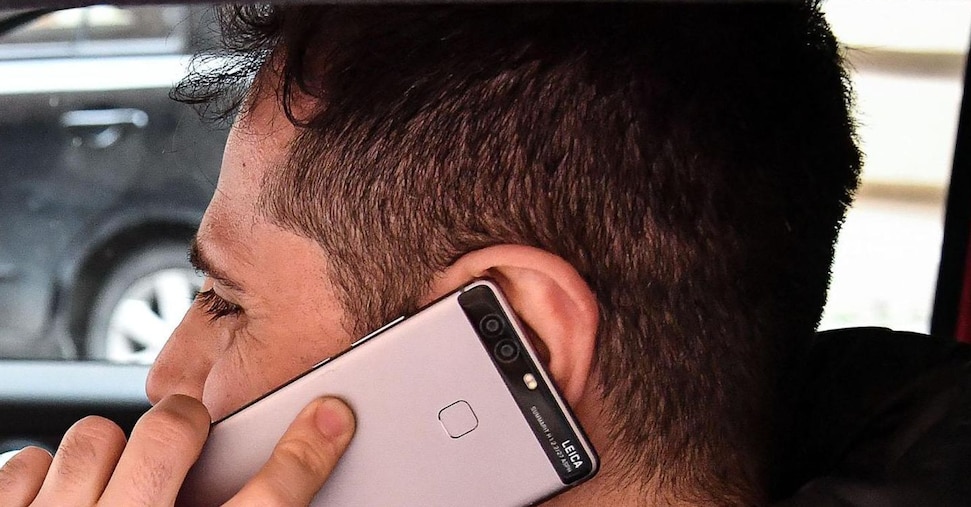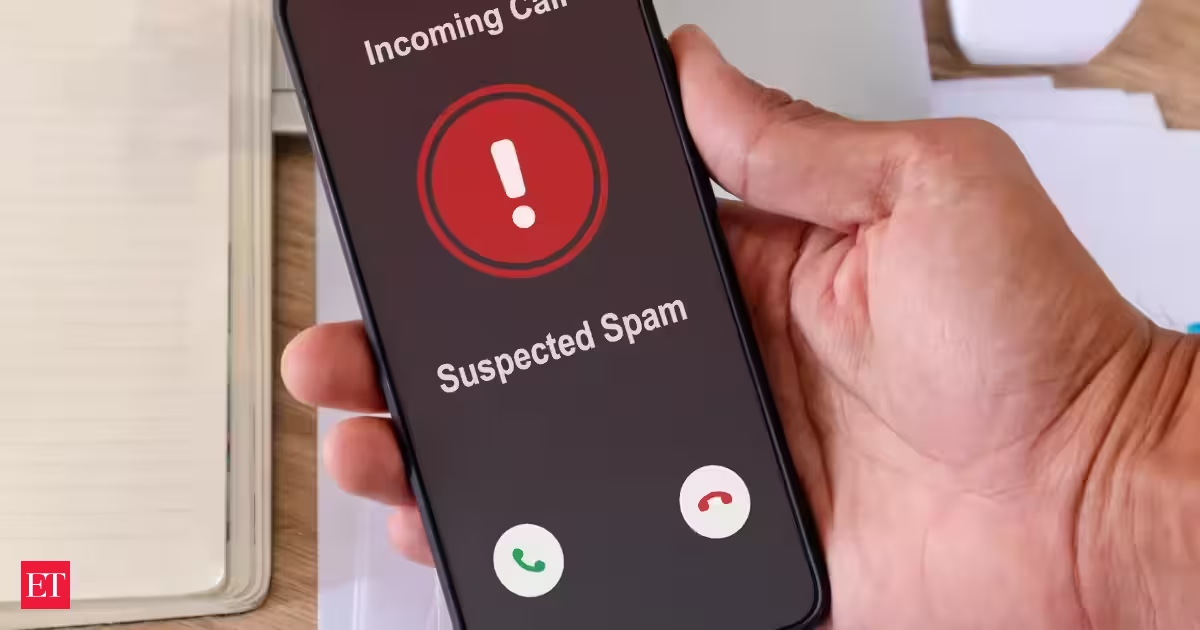
Requests by text for money from children who have lost their phones are becoming increasingly common, as are demands for immediate customs payments from delivery services. These are just two examples of the fraudulent texts mobile phone users are receiving with increasing regularity.The statistics are staggering. During 2025 Three Ireland blocked more than 26 million suspected scam calls and intercepted more than 455,000 fraudulent SMS messages. So far this year, Three’s fraud team has blocked more than four million scam calls and intercepted more than 650,000 fraudulent text messages. The summer months are expected to be peak time for scam calls.On Friday, May 8th, 2026 more than 27,000 scam calls were blocked on Three’s network, while more than 5,000 suspicious calls were flagged to customers with a “possible scam” warning, illustrating the scale and intensity of attempted fraud activity.“Scam calls and messages are becoming increasingly sophisticated, and unfortunately more common,” says Three Ireland chief consumer officer Tom Kinsella. “The 26 million suspected scam calls blocked last year illustrates both the scale of the challenge and the effectiveness of the protections we have in place. We continue to invest in our network and systems to proactively detect and block fraudulent activity, while working across the industry to tackle this growing challenge.”Three Ireland has a dedicated fraud team to address the issue. “The team is made up of a group of highly skilled professionals equipped with the latest technology,” says Kinsella. “We have real-time monitoring in place to pick up suspicious numbers and automated detection of spoof numbers. The service runs 24/7, 365 days a year. The scammers don’t take breaks so we can’t.”Recent enhancements, including expanded blocking of spoofed international numbers, are contributing to high levels of fraudulent activity being intercepted across the network, as Three continues to strengthen its response to increasingly sophisticated threats, he says. “Do we catch everything? No. But we do catch the vast majority. But we need customers to be as vigilant as they would be in any other area of their lives.”There is an industry of scammers trying to take advantage of customers who may be susceptible, he says. “The statistics show that only very few scam calls and texts are getting through, but they operate at such a scale they only need a small hit rate to make it worth their while.”According to Kinsella, while traditional scam texts and emails remain in circulation, there is a growing shift towards more sophisticated call-based and social engineering scams, where fraudsters attempt to manipulate customers into sharing sensitive information in real time.[ Three Ireland makes major network upgrades across country’s busiest locationsOpens in new window ]A typical scam might involve a customer receiving a call from what appears to be an Irish mobile or landline number, with the caller falsely claiming to be from their mobile provider. They may create urgency – for example, relating to an account issue or a promotional offer – and attempt to obtain security codes or personal details.Kinsella’s advice is to treat all such calls with the utmost caution and to simply hang up. “Typically, this type of scam sees the fraudster offering [a] new handset at a very good discount, but only if they act now. They do this to put time pressure on the person. Three would never contact a customer and put them under pressure. Just hang up and check it out later. It may be culturally difficult for us; we are naturally polite in this country, but if it is genuinely someone from Three, we won’t be offended if you hang up. Dial 1913 to check it out. If the offer is real, it will still be there waiting for you when you call back. You can’t lose by being too cautious.”He advises people to always be suspicious or at least cautious when they receive a call or text from a number they don’t recognise. “In everyday life, 99 per cent of the calls and texts we receive come from the same small group of people,” he says. “If you get a call from a number you don’t recognise, be very careful. Nine times [out] of 10, the call from the unknown number might be all right, but it pays to be cautious. Also, never, ever share any account details or one-time security codes. Hang up and call back.”Anyone unfortunate enough to fall victim to a scammer should report it to the Garda immediately, Kinsella says. “They should also report it to Three, and we will work to limit the damage as much as possible. “Some people are embarrassed to admit to having been scammed. They shouldn’t be. It can happen to anyone. Reporting it means we can try to do something about it.”
Three Ireland blocked 26 million scam calls last year. Its anti-fraud operation never sleeps
An expanded blocking of spoofed international numbers is contributing to high levels of fraudulent activity being intercepted across the network
786 words~4 min read