Story audio is generated using AI
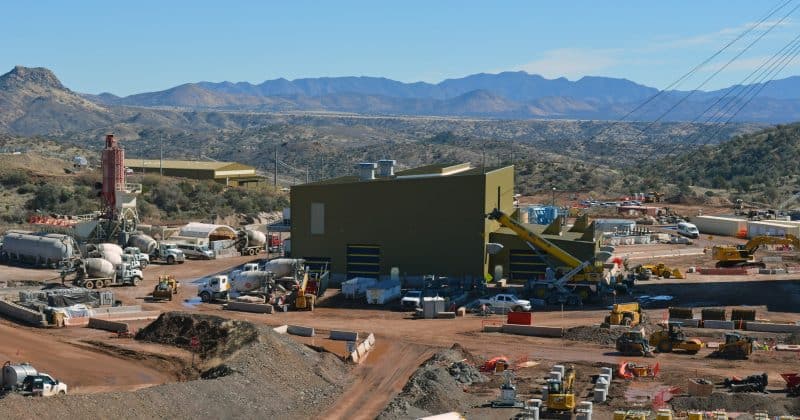
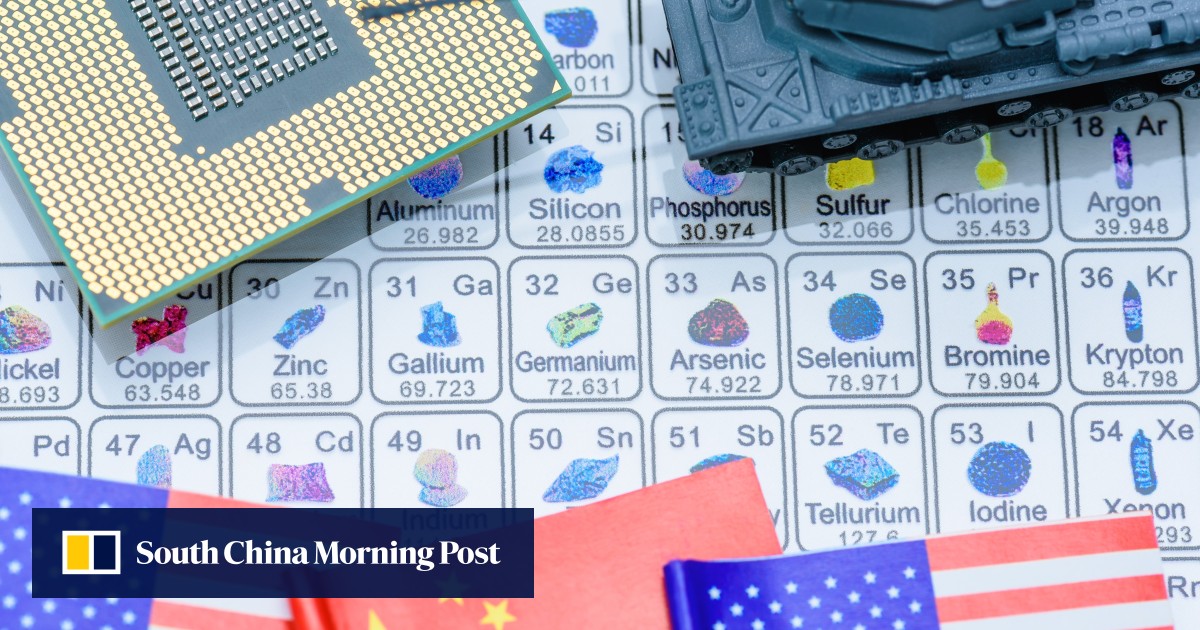
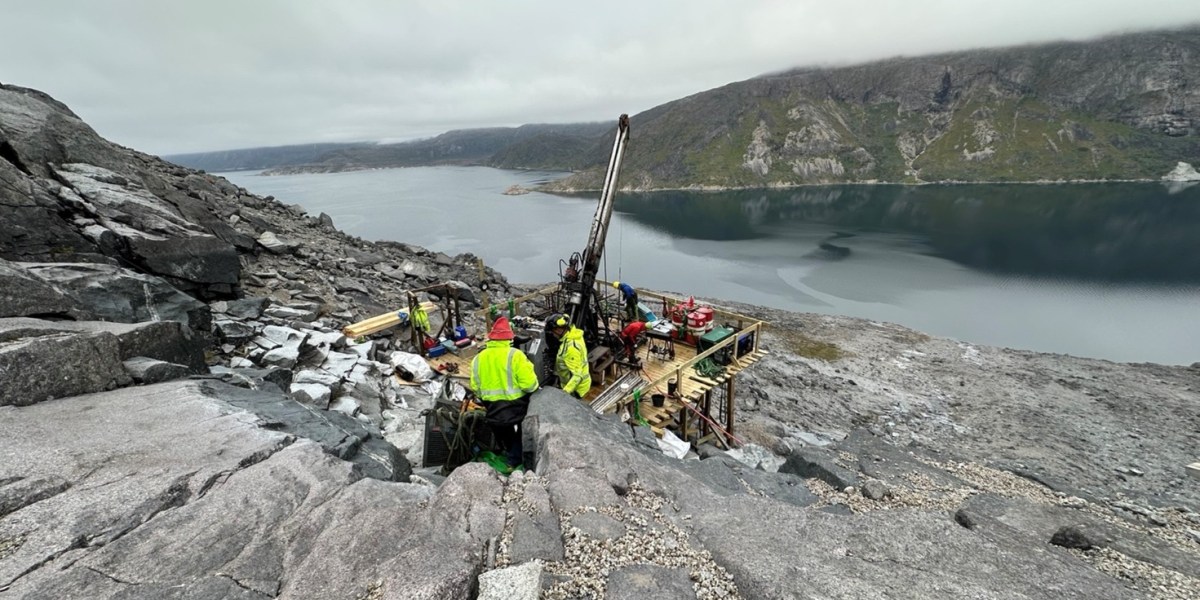
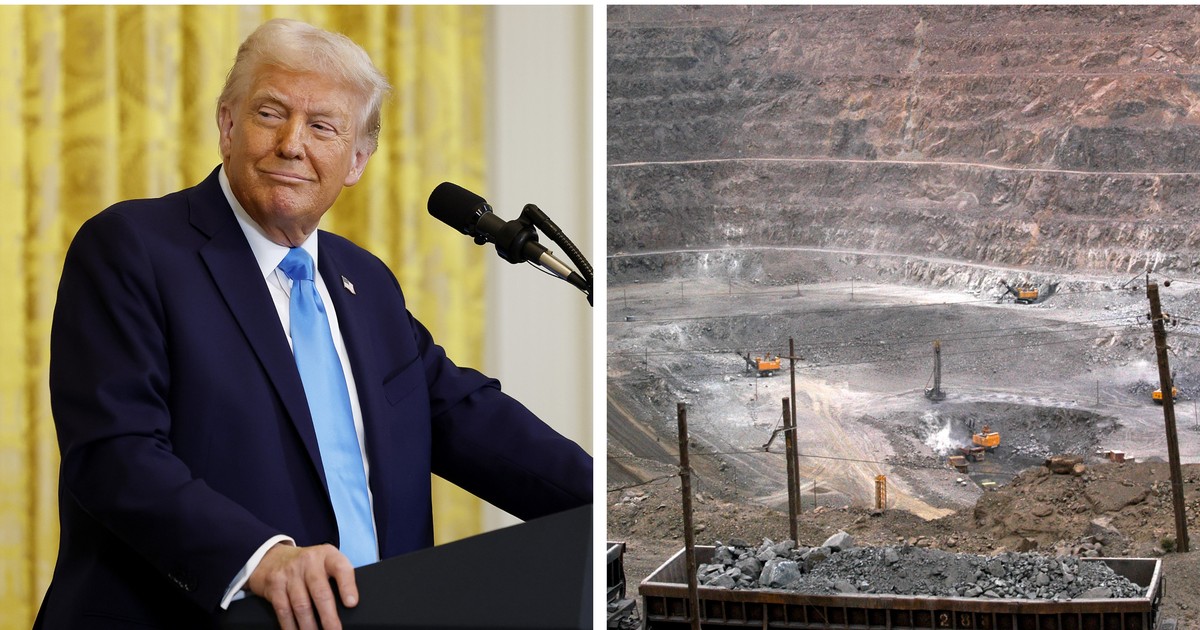
US environmental authorities have fast-tracked the forestry approval process for South32’s Hermosa project after cementing the mine’s role in its critical mineral strategy, which aims to cut reliance on imported minerals.“If we’re serious about bringing supply chains back to the US and reducing our dependence on foreign countries, we need to responsibly produce more critical minerals here at home. This is exactly what the Hermosa project is doing,” US senator Mark Kelly said in a statement on Wednesday.The nod from the world’s biggest economy comes as the Australian-listed miner has placed its US assets at the heart of its investment strategy in recent years as critical minerals drive deal-making in the mining industry. (Dorothy Kgosi) The push for critical minerals has seen South32 ditching almost all of its coal, nickel and, recently, aluminium portfolio and turning its focus to the Hermosa and Taylor copper, zinc and manganese projects. In the last financial year, it tripled capital investment in these operations.Hermosa is the only advanced mining project in Southern Arizona capable of producing zinc, silver and manganese — three minerals designated as “critical” by Washington. It is a huge operation spanning 750 acres and expected to employ 900 people.Half of the project’s construction has already been completed on private land, but the rest has been awaiting approval by the US forest service in order to go ahead with infrastructure development on forestry land.Thanks to a federal fast-tracking programme, Hermosa has now received this approval. It was the first mining project added to and covered by the “Fast-41″ permitting process.The company said the project had been subjected to three months of formal public review to determine how it would “benefit the nation”, with six federal and state agencies and 12 tribes with historic affiliation to the region weighing in.The fast-tracking programme forms part of a broader US mission to secure domestic supplies of the minerals used to produce renewable energy, data centres and military technology. Emily Domenech, executive director at the permitting council, said the project had helped lay the groundwork for another 57 mining projects which have followed during the Trump administration.Bloomberg reported earlier this year that US President Donald Trump had launched a strategic critical mineral stockpile with $12bn in seed money in a bid to protect against alleged Chinese manipulation of prices for lithium, rare earths and other critical minerals.Under Trump, the US has also set up Orion Critical Minerals Consortium (CMC), an outfit backed by the US International Development Finance Corporation to secure critical mineral supplies. Glencore said in February that it planned to sell 40% of its coveted assets in Democratic Republic of Congo to this group.But the US is not alone in its desire to secure domestic supplies of critical minerals and cut imports. In recent decades, China’s aggressive and strategic takeover of global rare earth element supplies has acted as a wake-up call for rich nations to embark on their own campaigns for critical mineral independence.The EU has also introduced legislation aimed at growing Europe’s supply of critical minerals, with a focus on battery ingredients.Last year, Sibanye-Stillwater’s Finnish lithium mine and French electric vehicle battery factory and Anglo American’s Finnish copper mine were awarded a special label which aims to speed up the processing of their permitting applications.South32 Hermosa president Pat Risner said: “From the beginning, we designed Hermosa to be a different kind of mine, and the federal review process helped make it even better.“Years of agency review, tribal consultation and community engagement strengthened environmental protections, informed project refinements and shaped a project that can transform the local economy. “We are grateful to everyone who participated throughout the process and look forward to continuing that engagement as we move from construction and development into operations.”Business Day