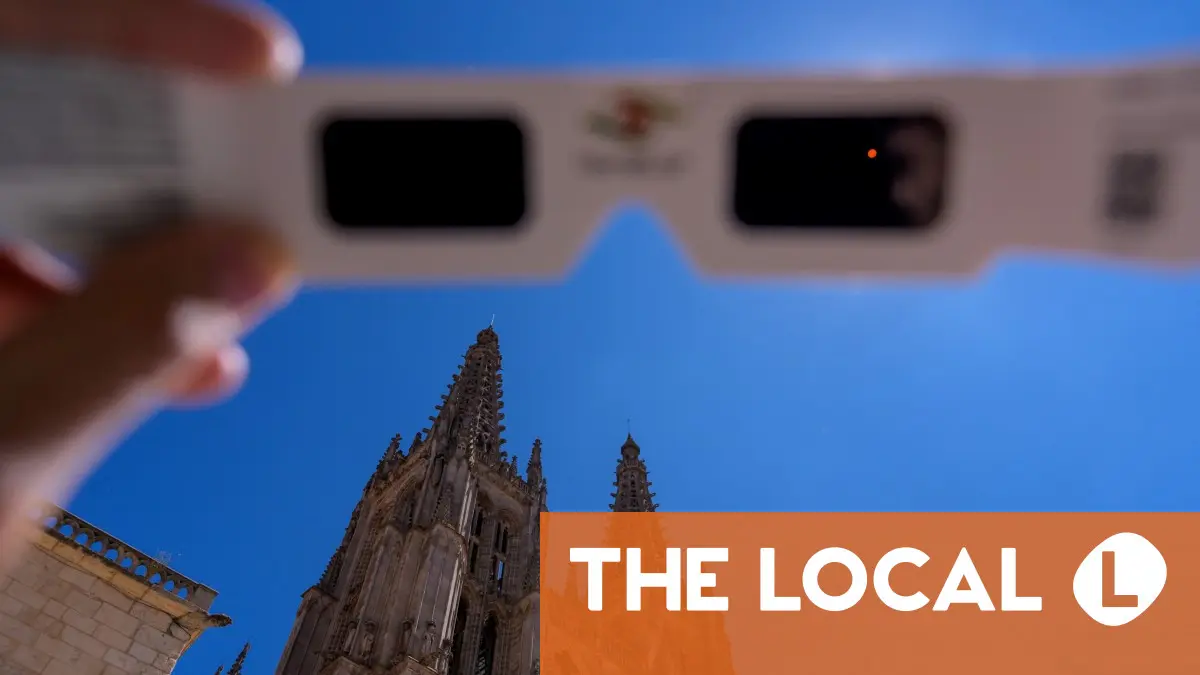
BURGOS: As a child, Enrique Bordallo would gaze in awe at the starry night sky in rural Spain. Next month’s solar eclipse has now made his passion a popular obsession.
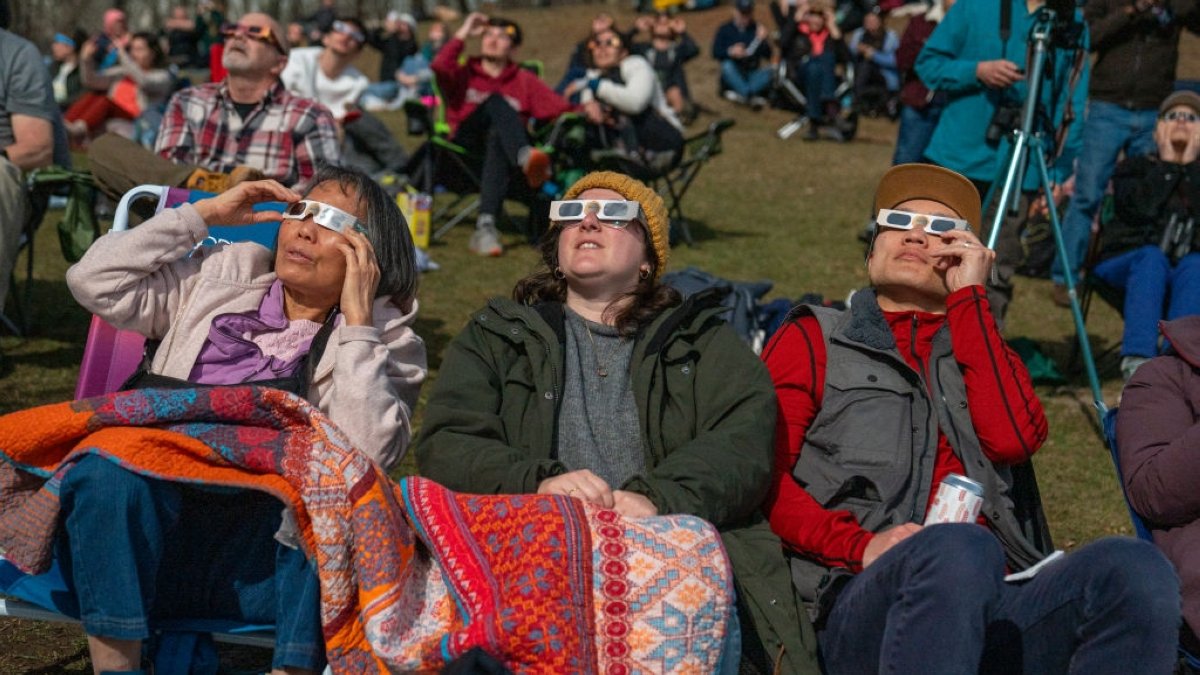
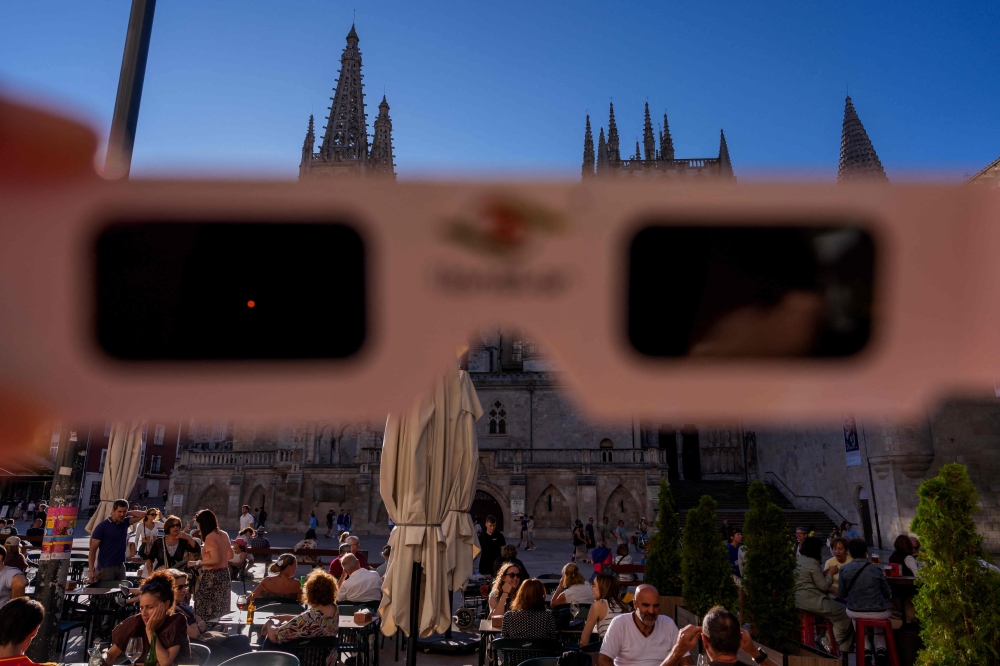
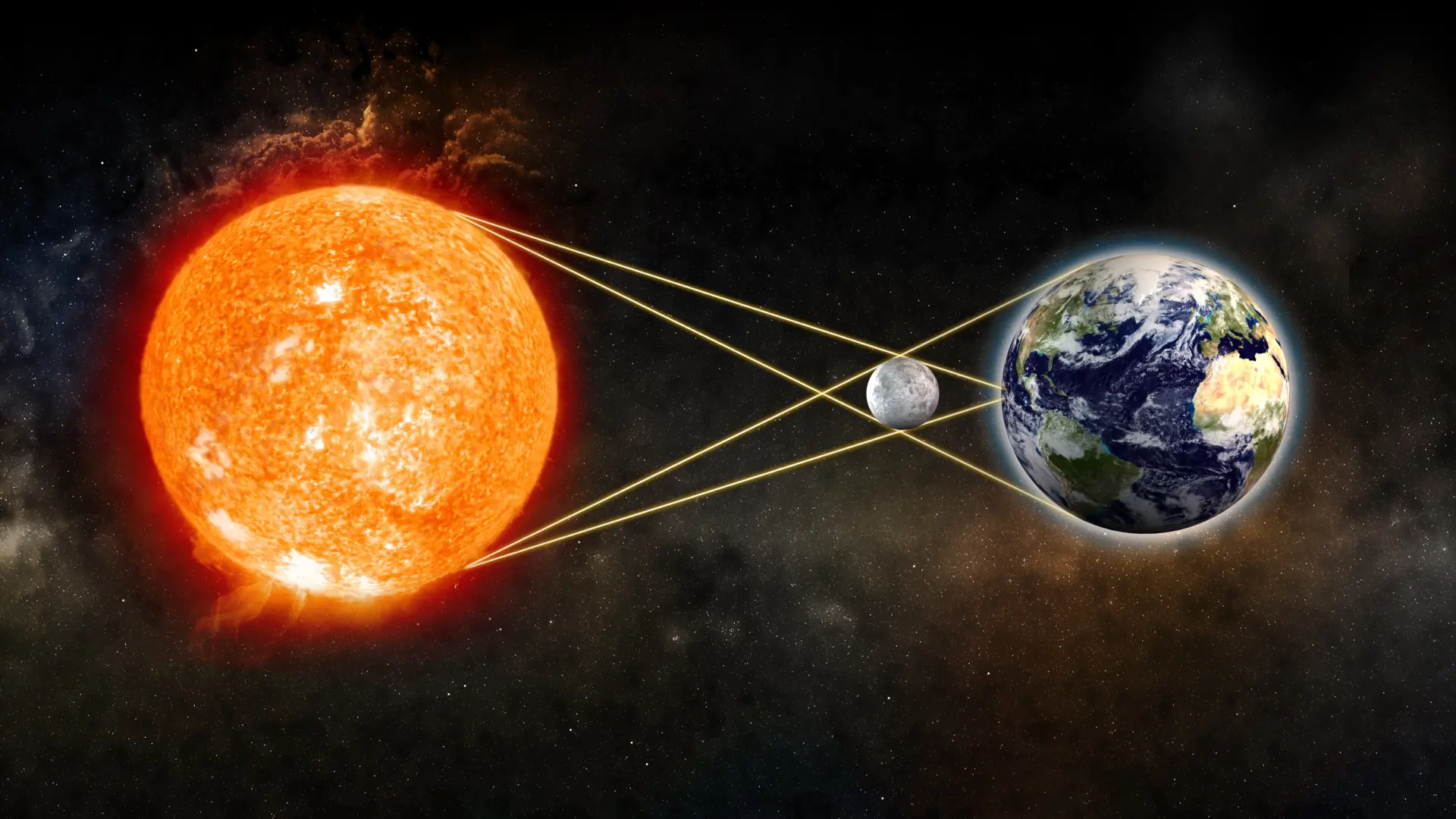
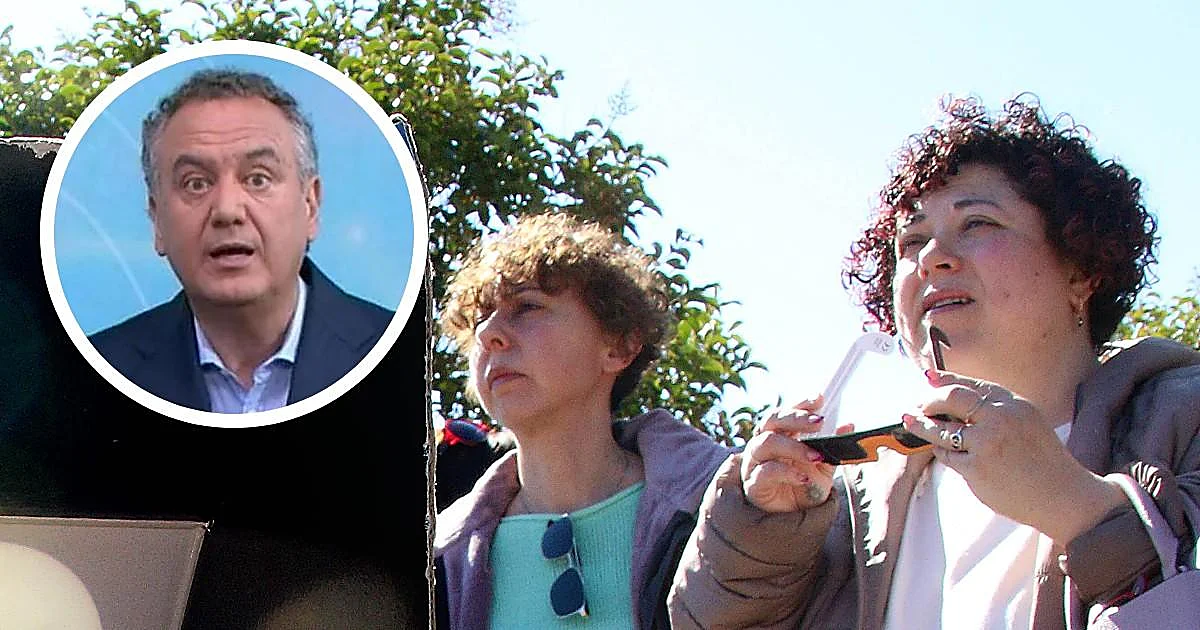
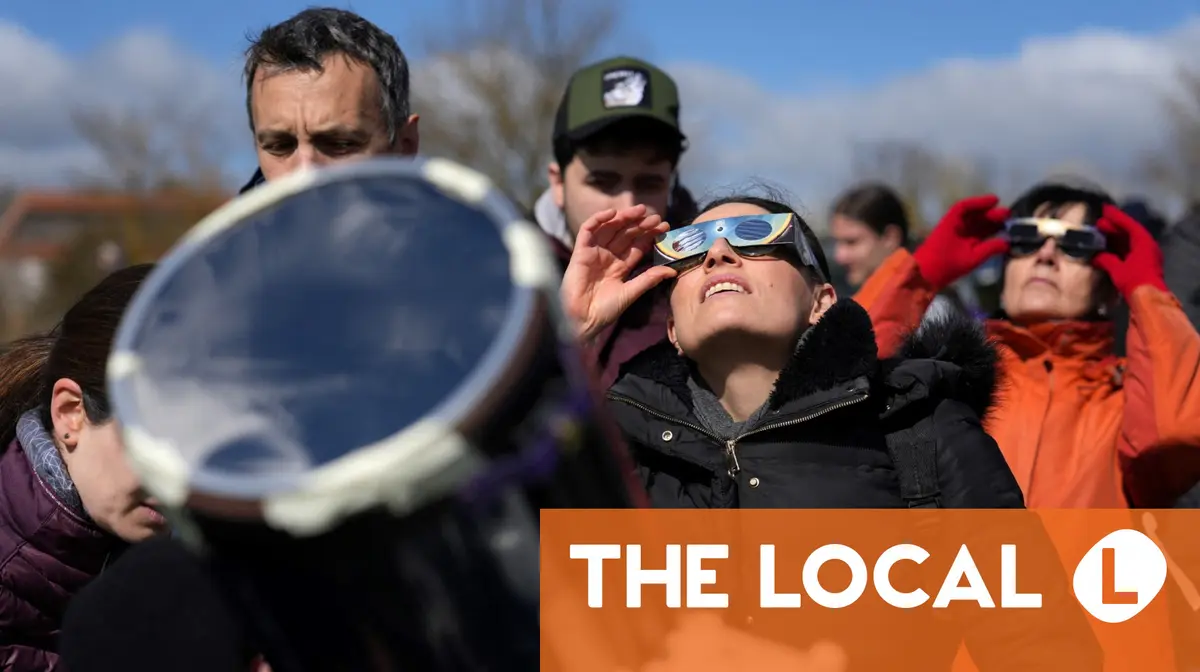
“We’re absolutely buzzing,” Bordallo, president of the Burgos Astronomy Association, said before explaining the workings of the celestial spectacle to dozens of excited locals in the northern village of Belorado.
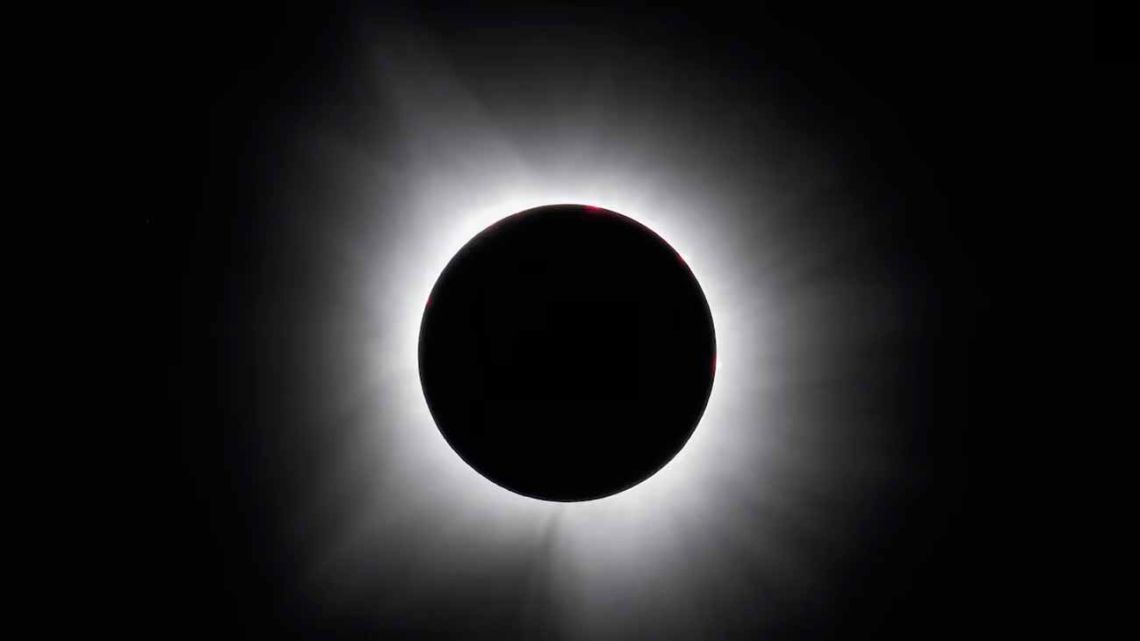
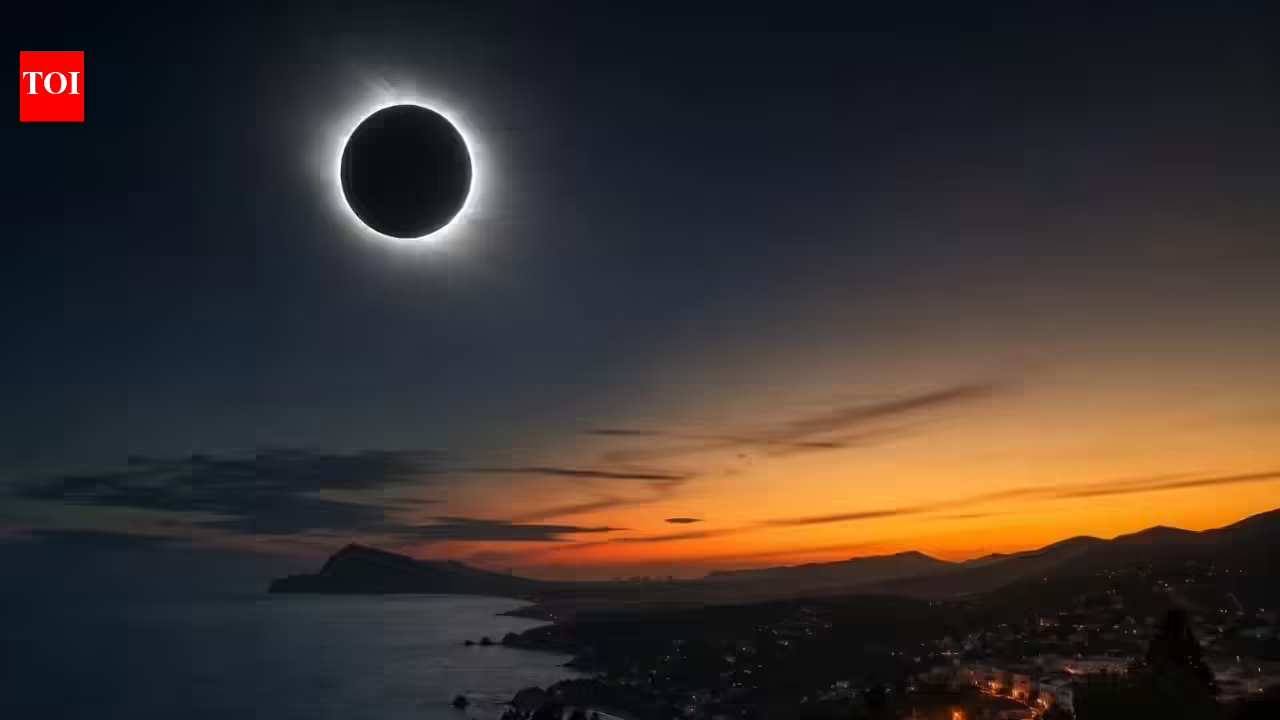
“We’re eager for this to happen now, to experience it, for the weather to be right, for everything to work,” he said. The total solar eclipse on August 12 — the first in Spain since 1905 — will only last around 90 seconds. But the global attention and tourism could bring long-term benefits to often overlooked areas known as “empty Spain”.
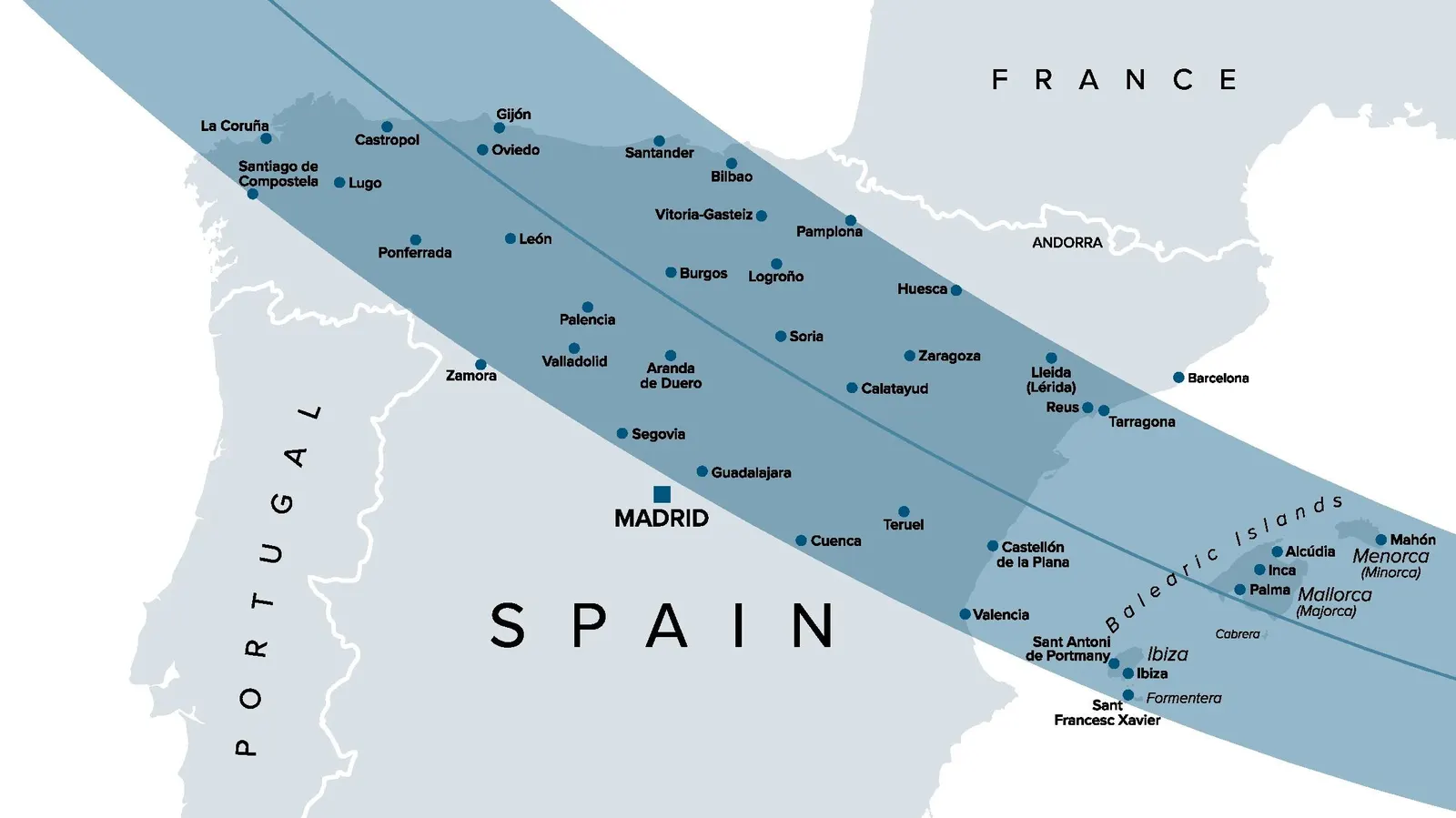
The “band of totality” where the eclipse will be fully visible is due to plunge into darkness swathes of rural regions suffering population decline, including Castile and Leon in the north.
“Castile and Leon isn’t always in the news, and unfortunately the foreigners (tourists) stay more on the coast,” said Belen Molinuevo Puras, a 51-year-old anthropologist who has family roots in Belorado.