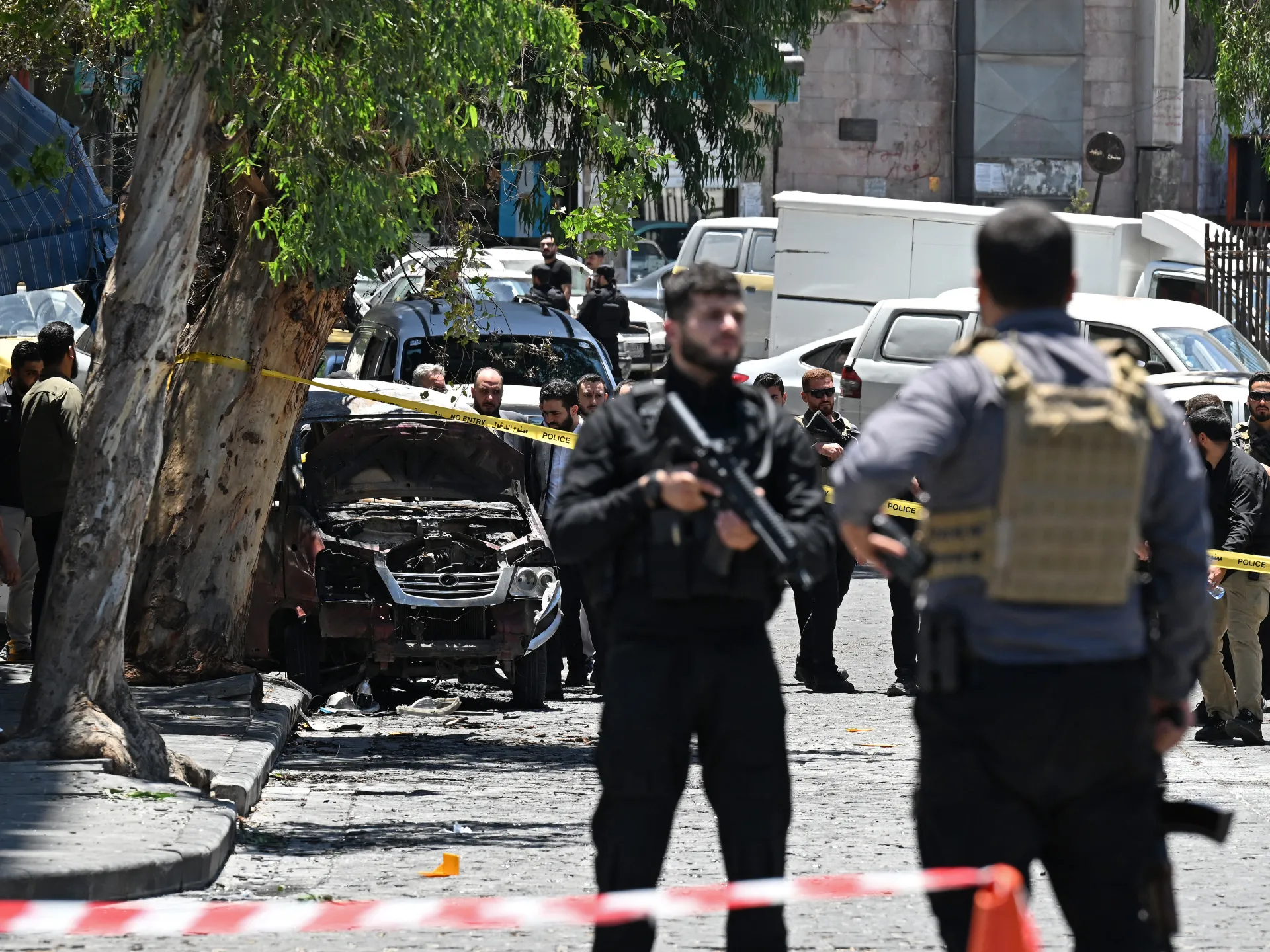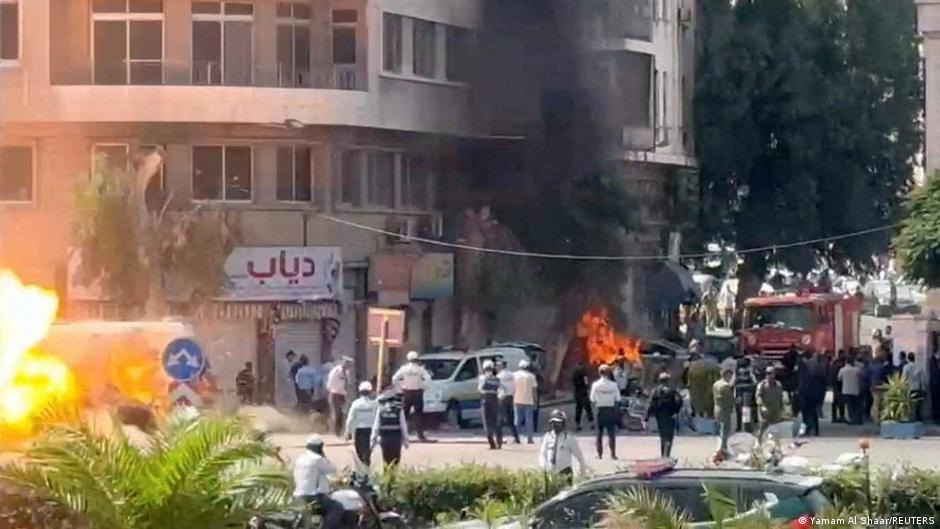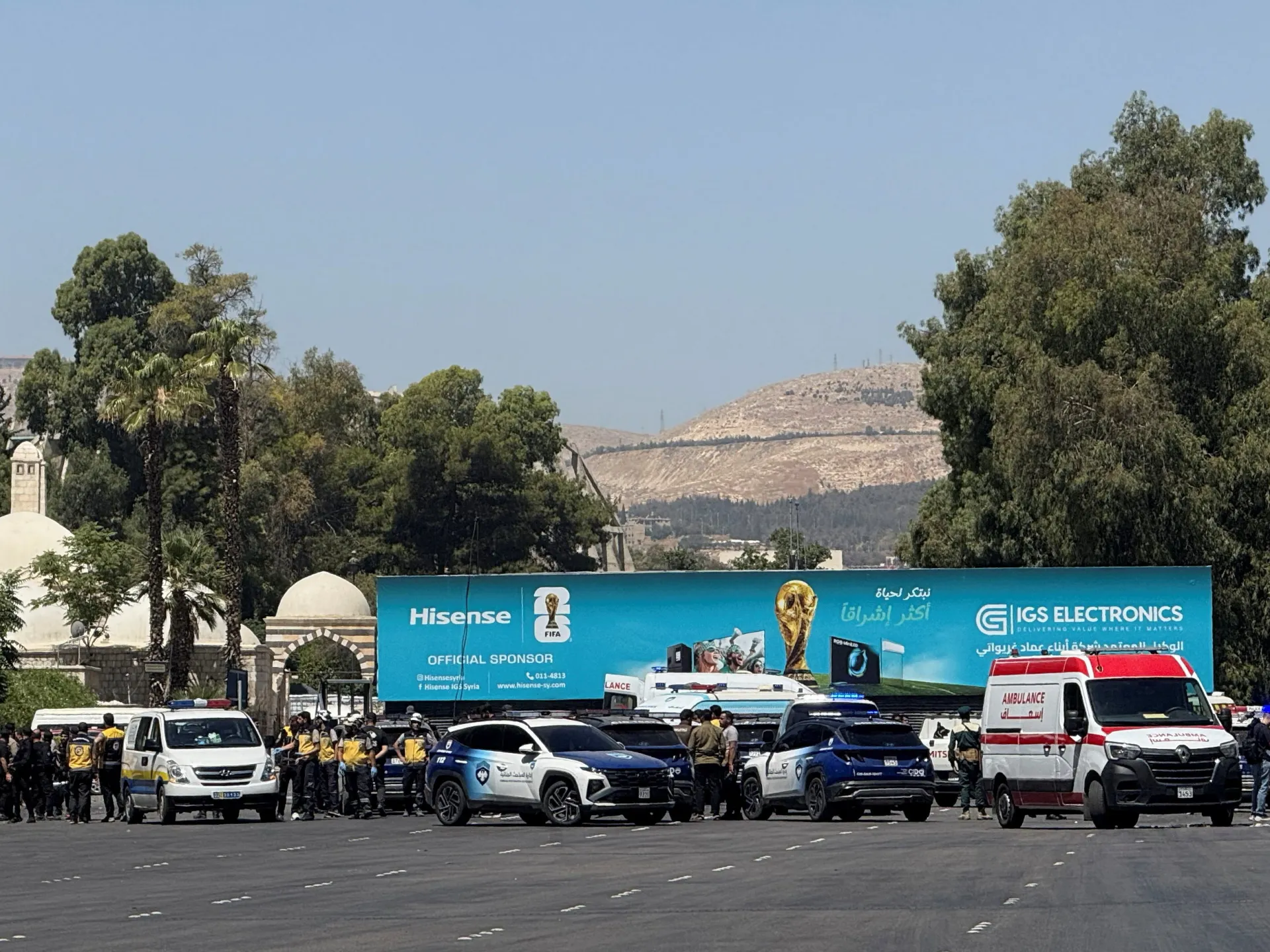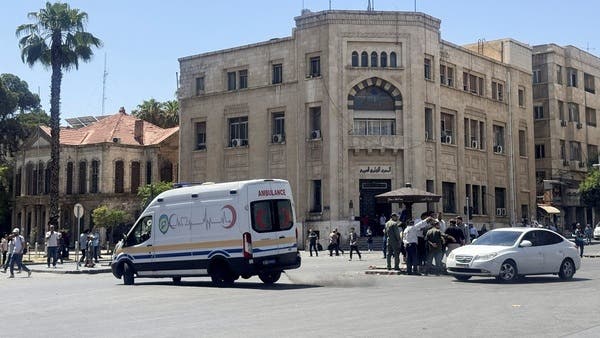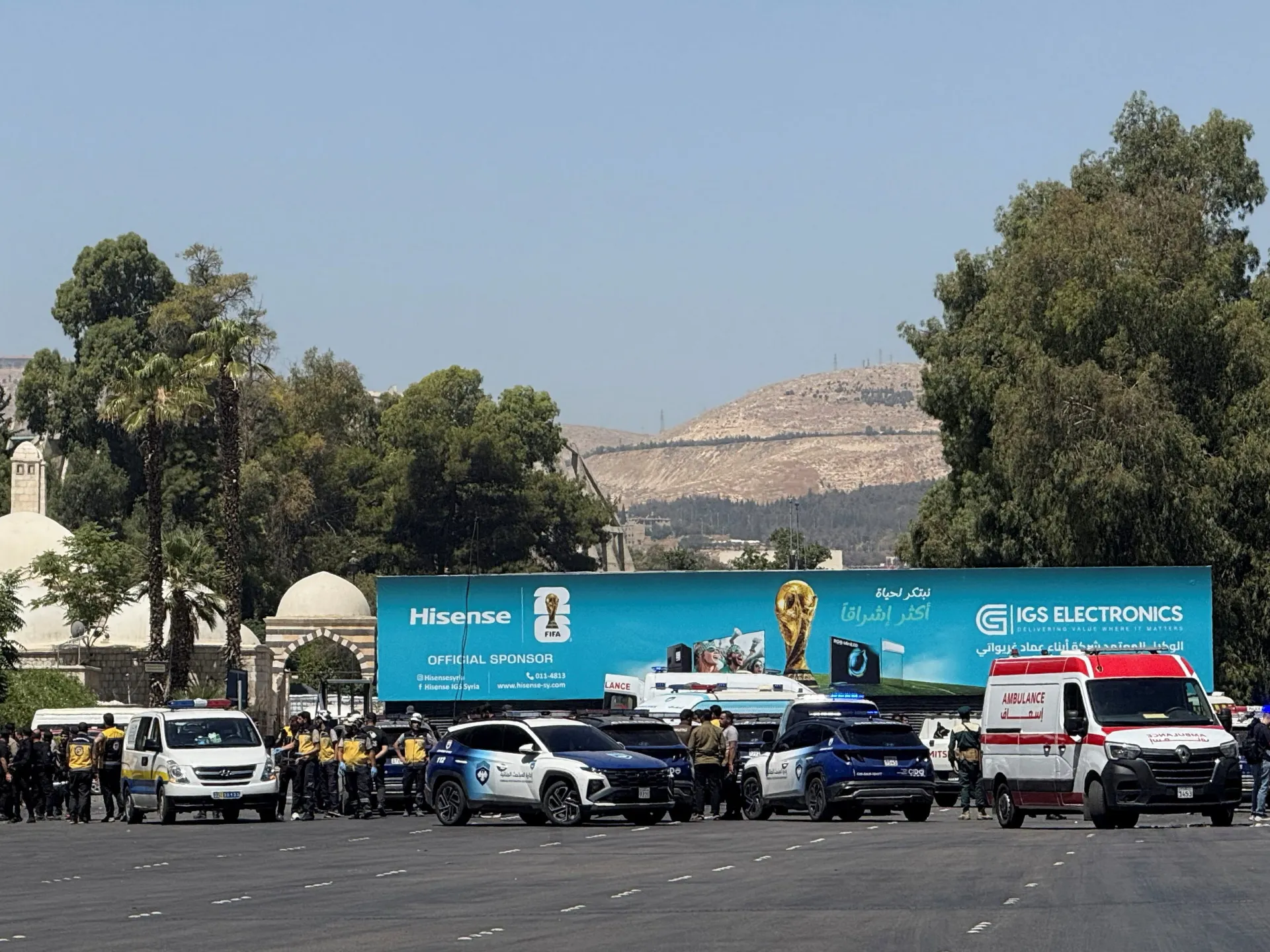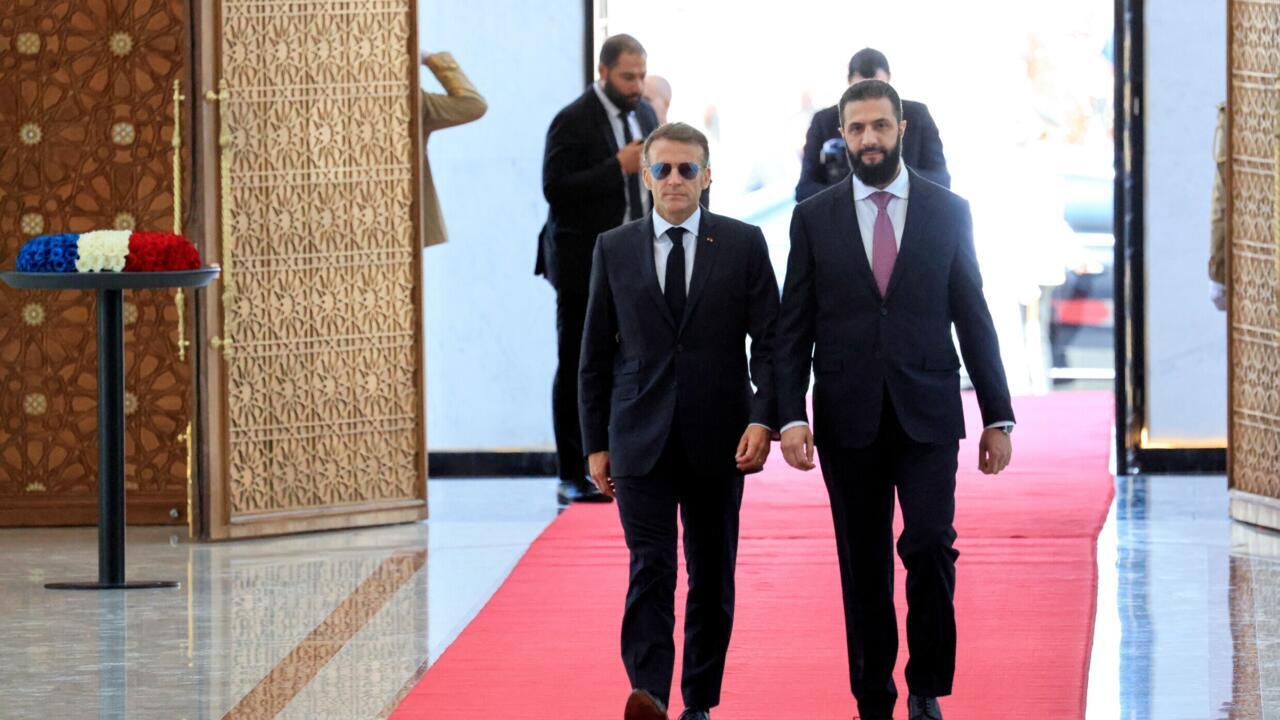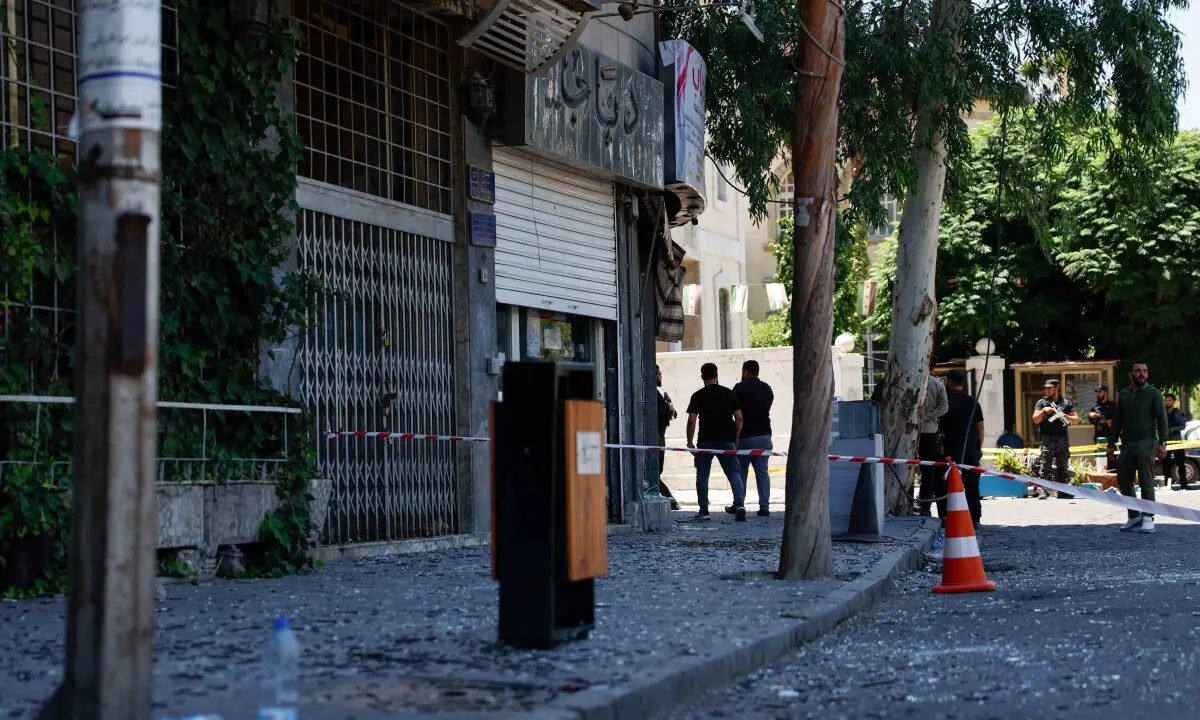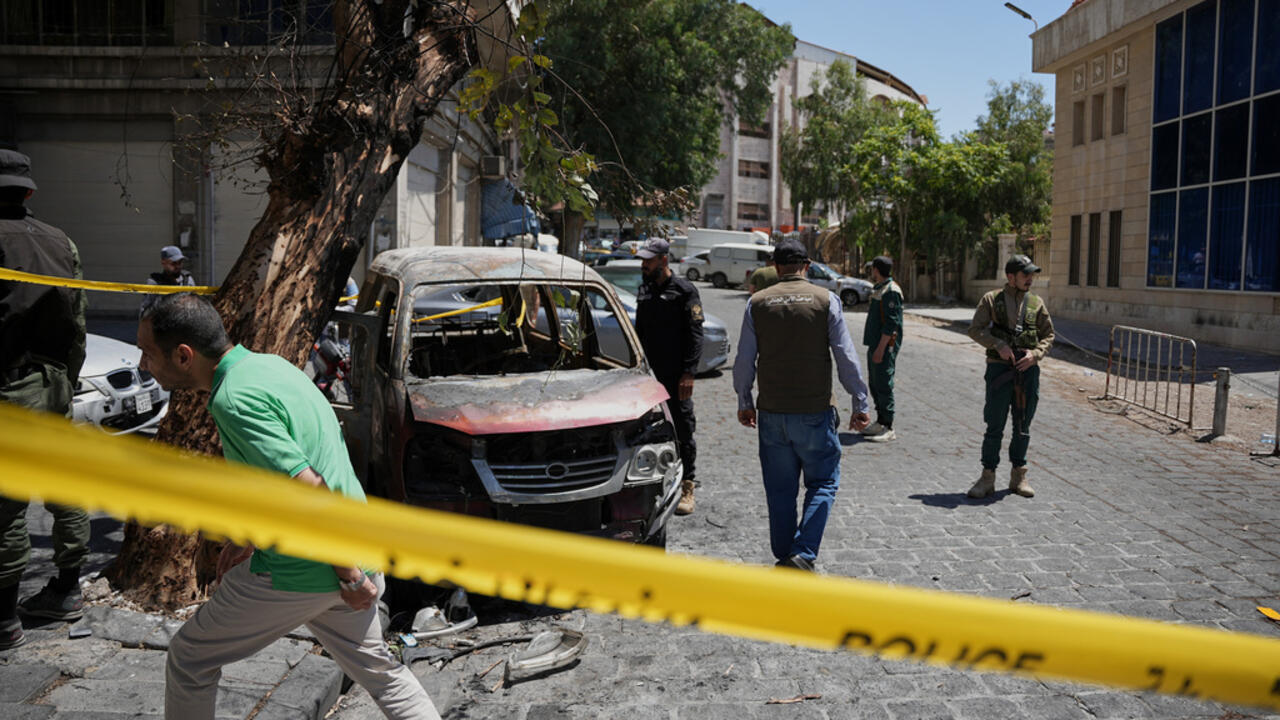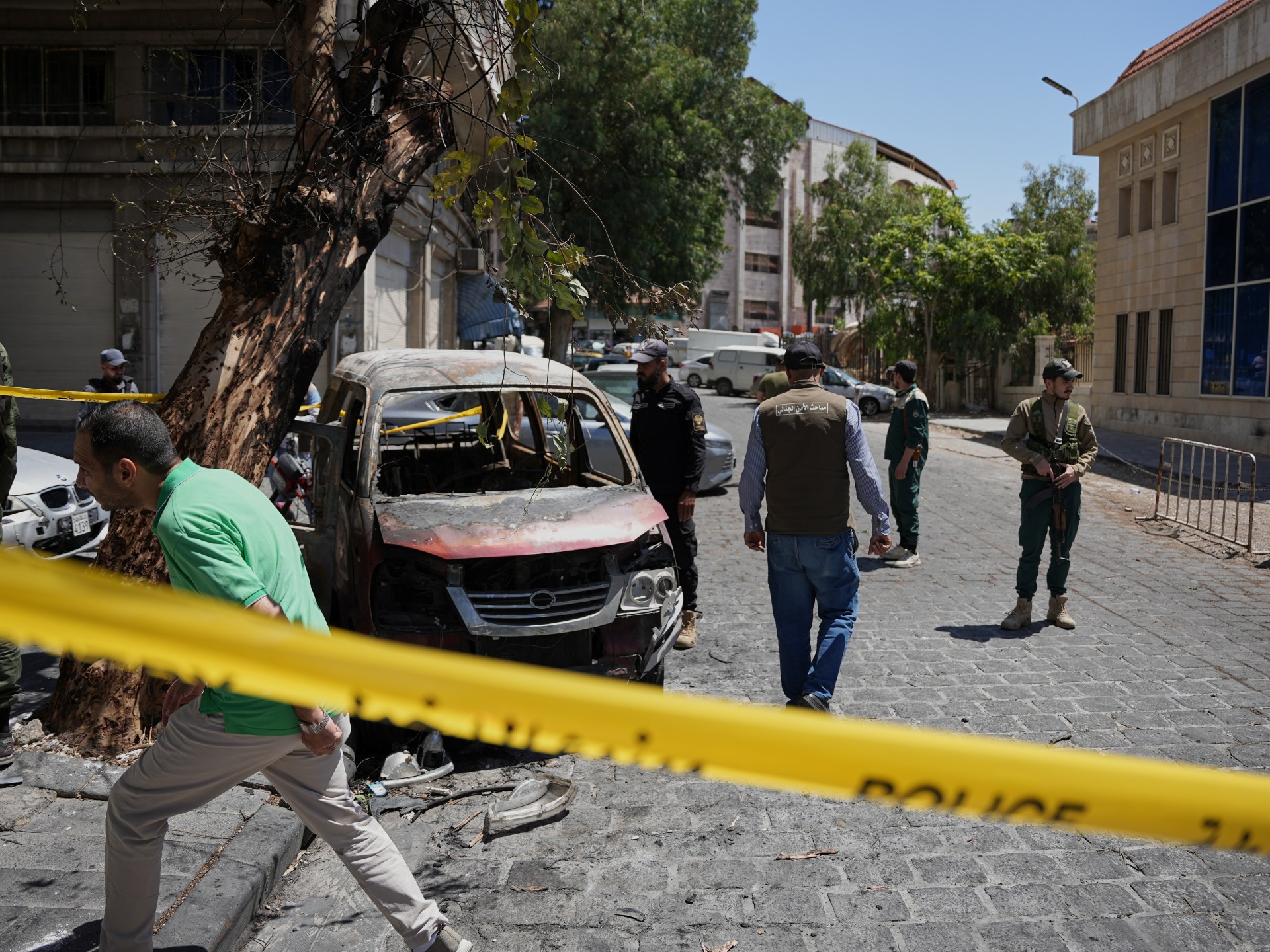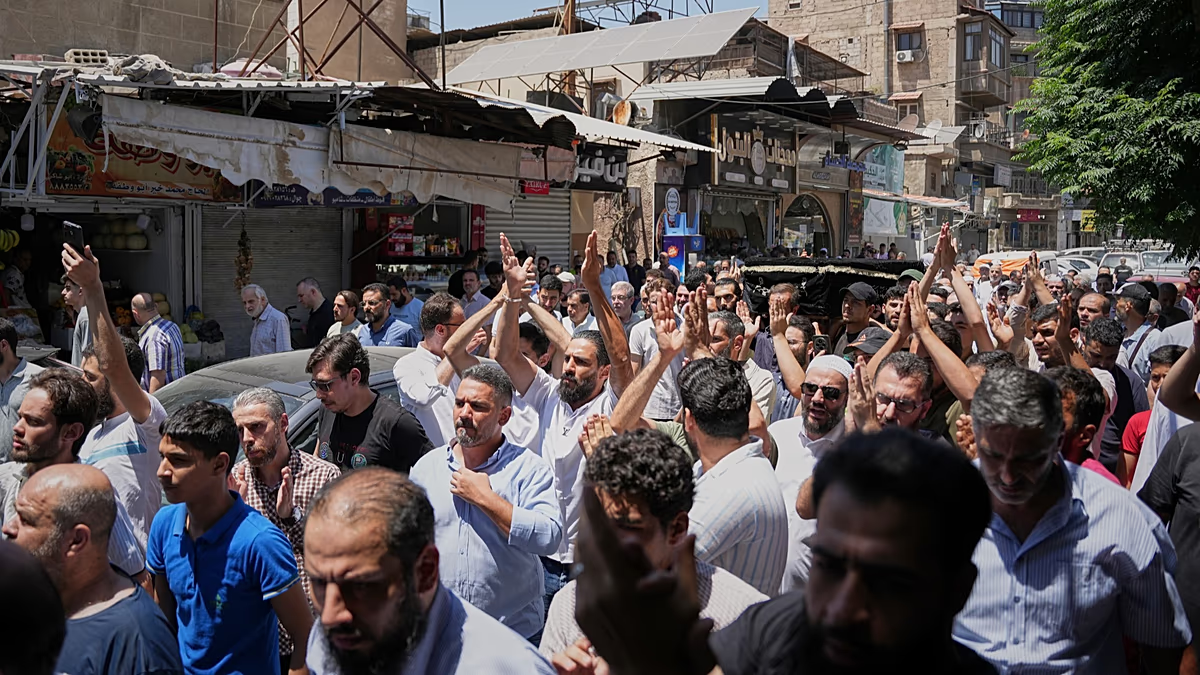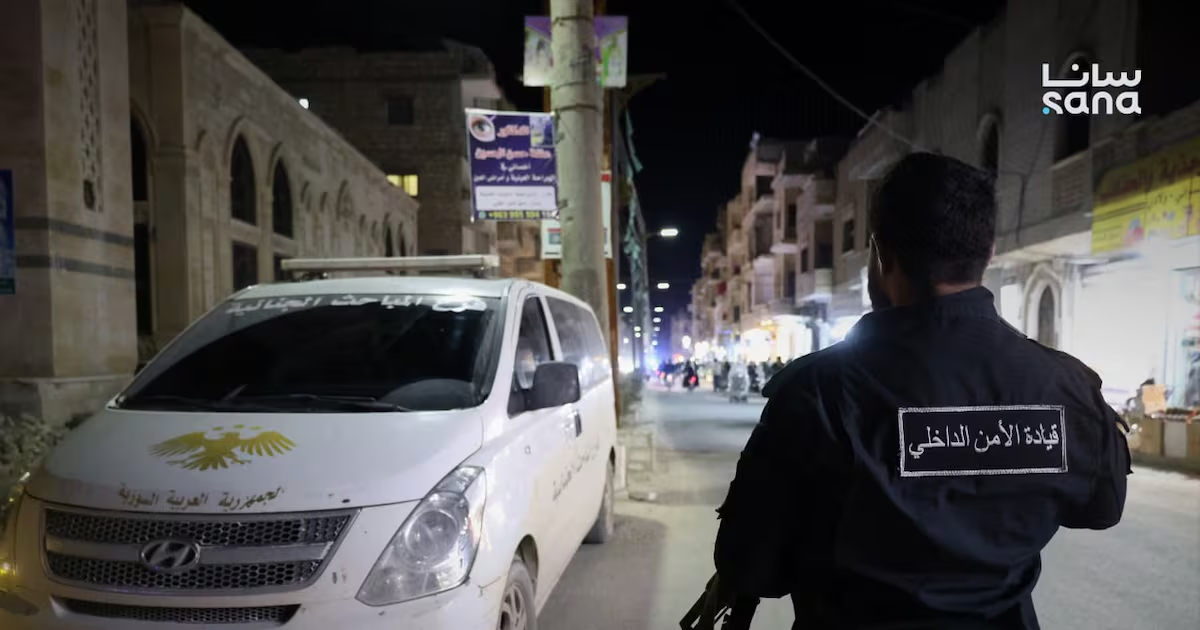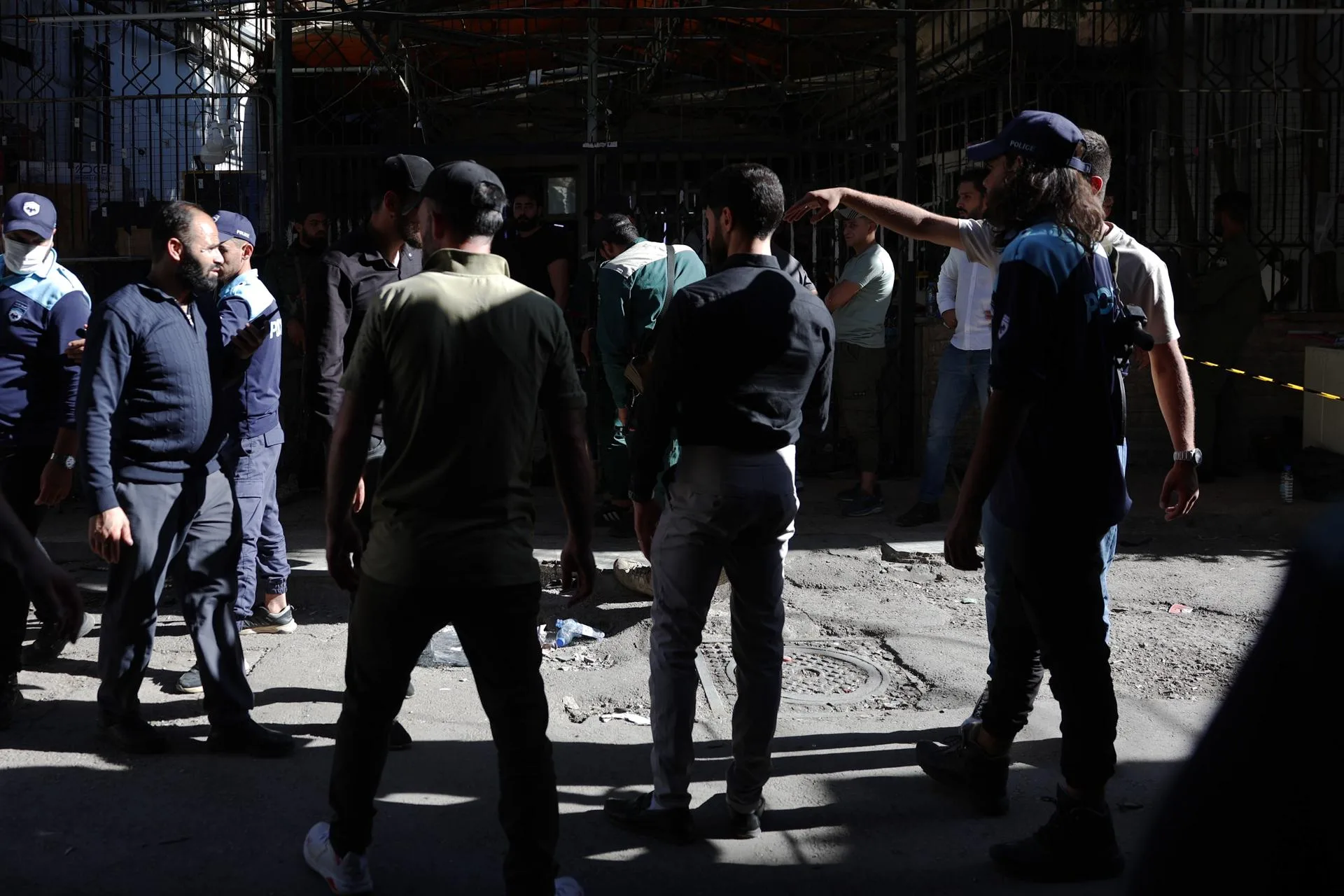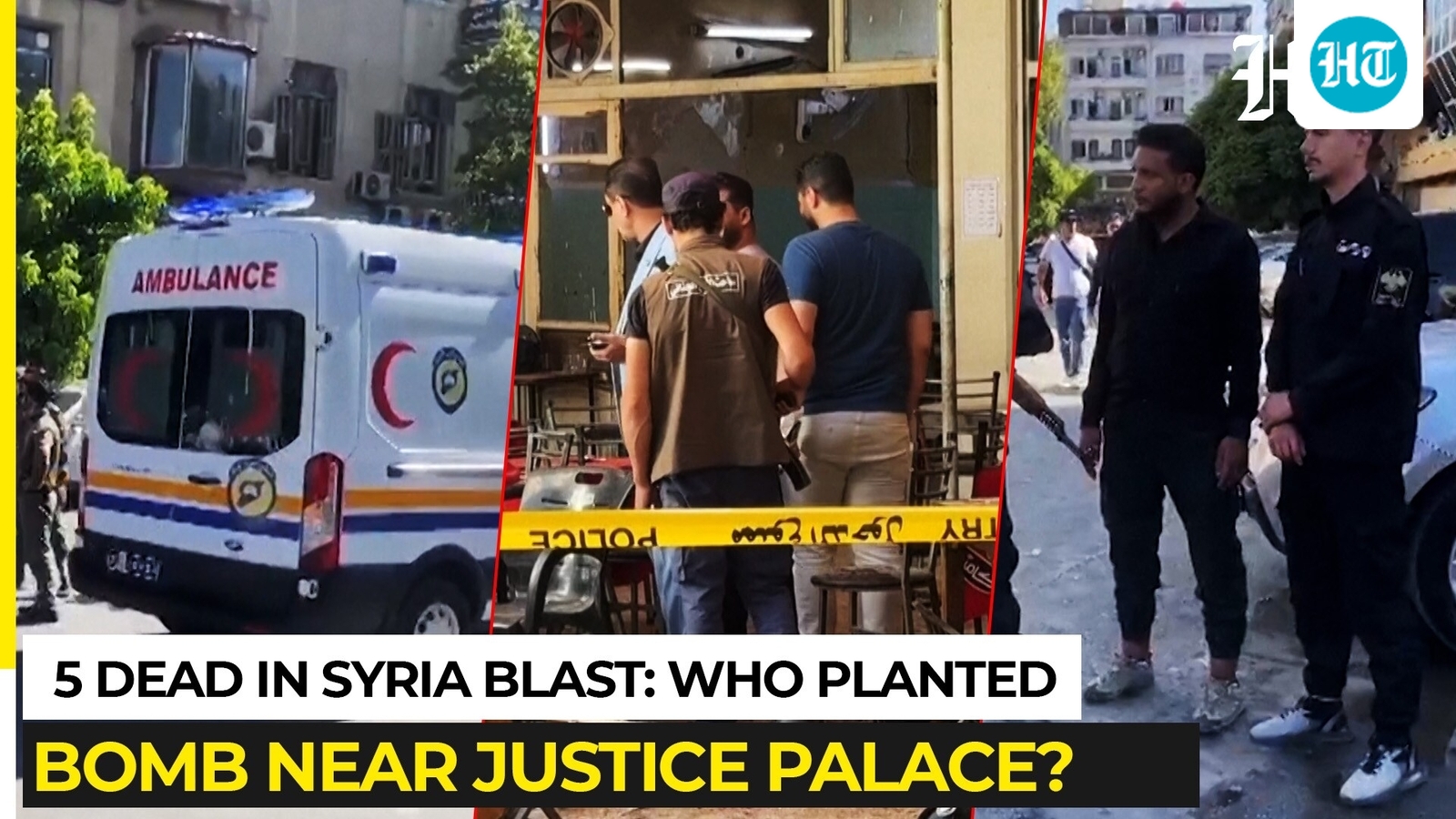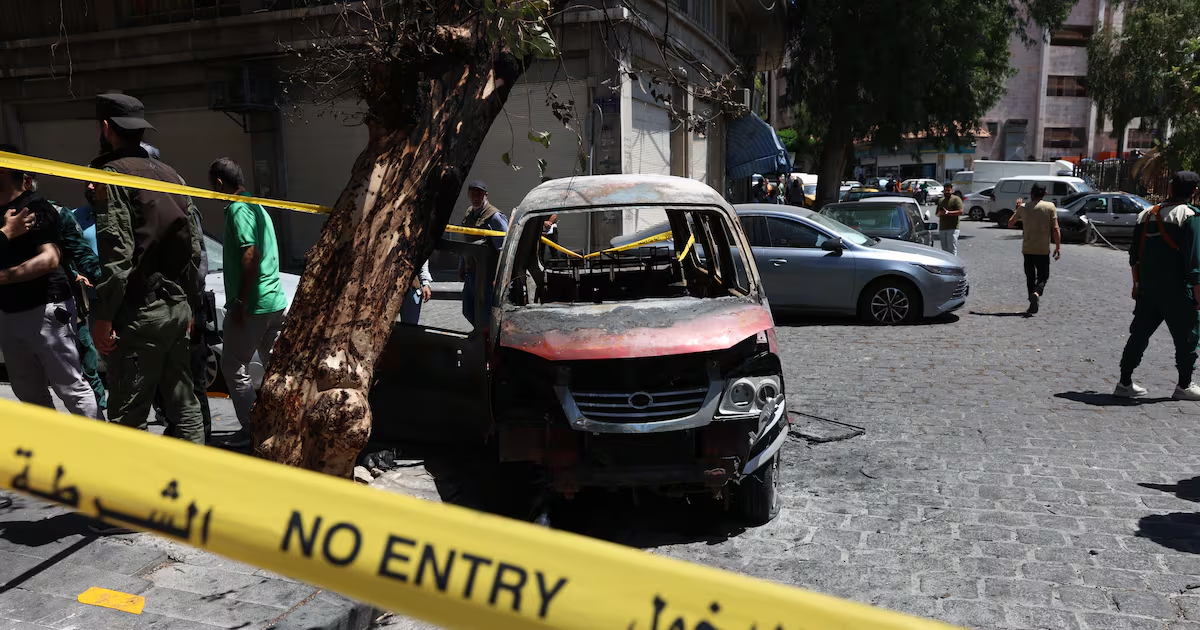
Syrian authorities suspect remnants of the former regime of having carried out recent bomb attacks in Damascus to disrupt the prosecution of loyalists of Bashar Al Assad and Syria’s rehabilitation in the international arena, two officials told The National on Wednesday.Ten people, most of them lawyers, were killed in a bombing last Thursday at a cafe next to the Palace of Justice, where trials of security officers and other figures linked to the Assad regime have begun in the last two months. Two smaller bombs, one placed in a car and the other in a rubbish bin, exploded on Tuesday as President Emmanuel Macron was visiting Damascus. The explosions, off a main street along the Barada river, were not far from the Four Seasons Hotel, which Mr Macron had departed minutes earlier to meet President Ahmad Al Shara. One person was killed and 36 people wounded in the blasts, authorities said in an updated toll issued on Wednesday. There was a heavy security presence in the area. The attacks came after a sharp increase in arrests of former regime operatives in recent months and a drive by the authorities to place thousands of them on Interpol's list of criminal fugitives. France will return at least €50 million ($57 million) from “the seizure of ill-gotten gains by the family of the former dictator” to Syria, Mr Macron said during his visit.One of the security officials said a man had been arrested in connection with the cafe bombing. He said the perpetrators had intended to attack the Palace of Justice immediately after the blast, but security personnel in the area “did not take the bait”. “Killing the lawyers was a warning to the whole process” of holding the former regime accountable, the official said. Preliminary leads suggest financing for the attack may have come from regime figures who have fled to Russia, particularly the former tycoon Rami Makhlouf, a cousin of the former dictator, he said.Mr Makhlouf fell out with the regime in 2020 and was stripped of his assets. However, he still has resources, and a base among members of the Alawite minority who dominated Syria from 1963 until the fall of the Assad regime in 2024.The official said authorities were less sure about who was behind the explosions during Mr Macron's visit. However, they are also likely to have been remnants of the former regime, he said. “They did not need to kill people but to get close enough and show that there is instability in Syria,” he said.Ahmad Al Shara and Emmanuel Macron in Damascus on Tuesday. AFPInfoThe country has experienced significant violence since the civil war ended, with thousands of Alawites and Druze civilians killed in two government campaigns to subdue coastal and southern areas last year. Armed robbery and murders are also common, as well as retribution against elements of the former regime. Most of the top echelons of the Assad regime fled to Russia, while many of the officer class in the military and intelligence branches fled to Lebanon. However, even Lebanon’s Hezbollah, the former regime's main militia backer, has toned down its rhetoric against the new government.Another official said there was no evidence to suggest the involvement of other countries in the recent bombings. However, catching the perpetrators quickly is necessary to show the population, as well as potential foreign investors, that the new authorities are in control, he said. “There is a regional consensus on supporting stability in Syria,” he added.
Syria suspects Assad regime loyalists behind Damascus bomb attacks | The National
Blasts at Palace of Justice and during Macron visit seen as warning and attempt to undermine new government
577 words~3 min read