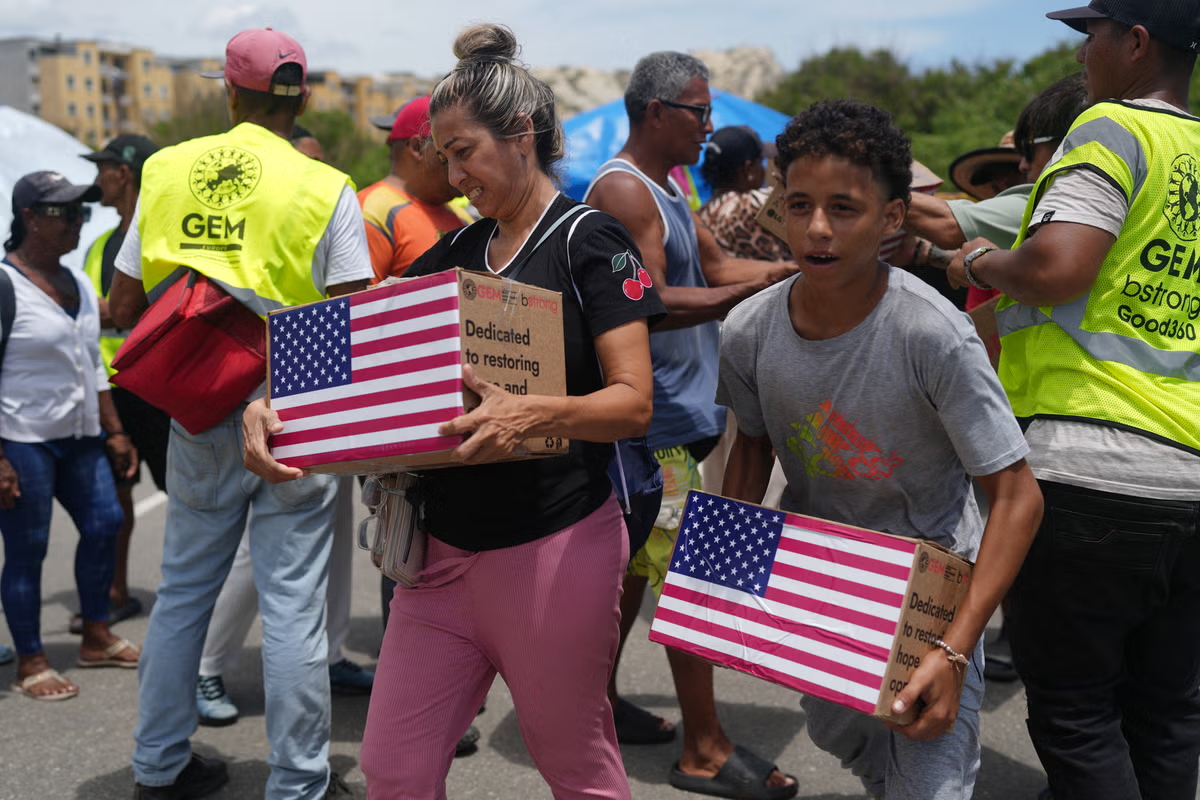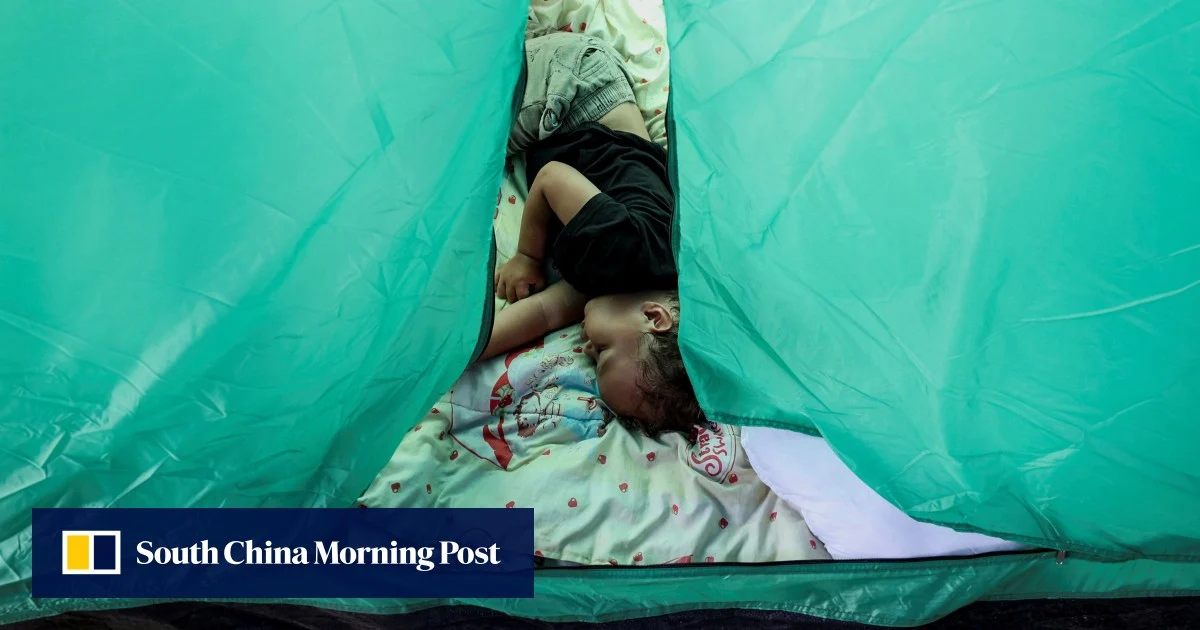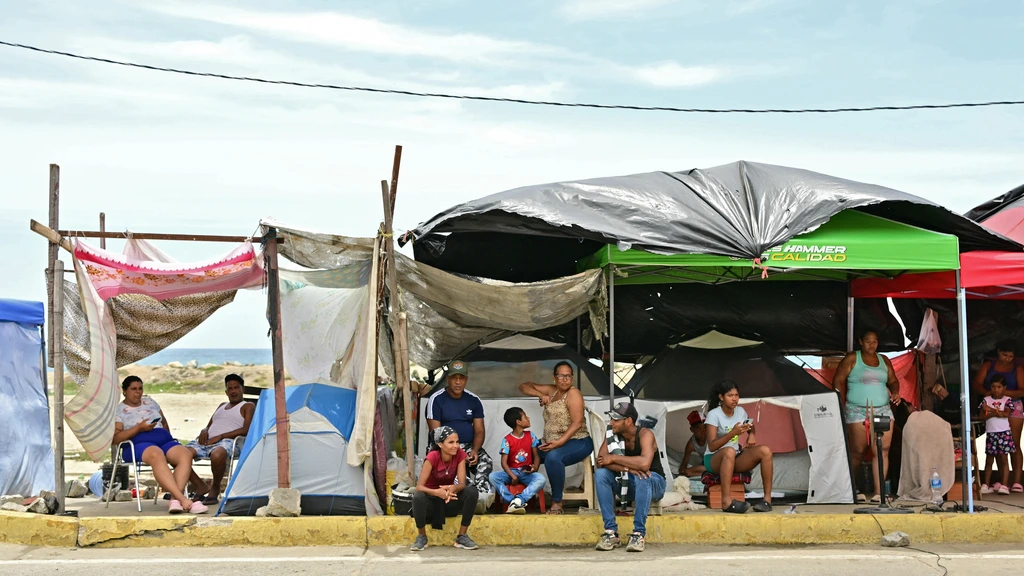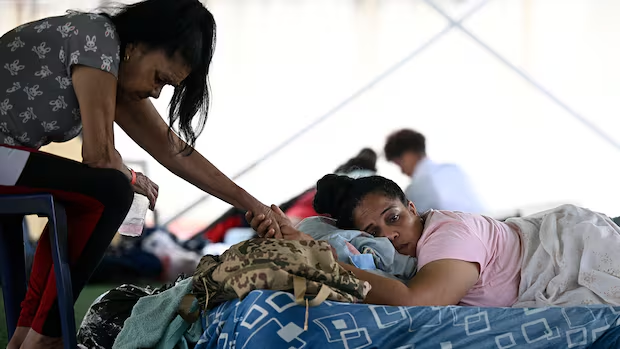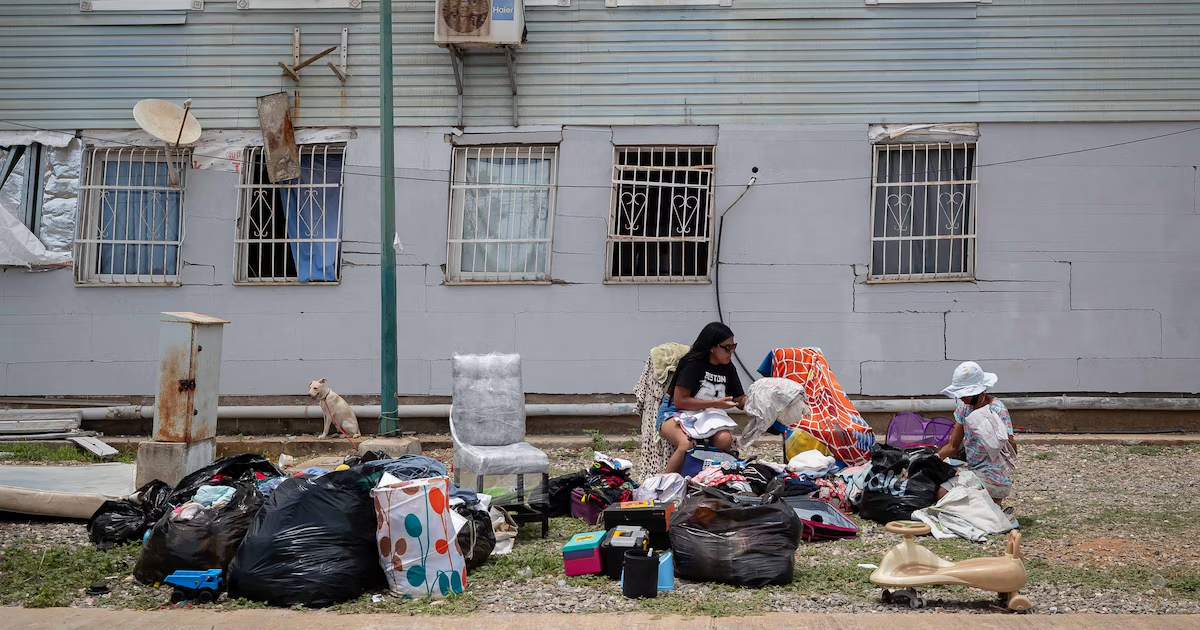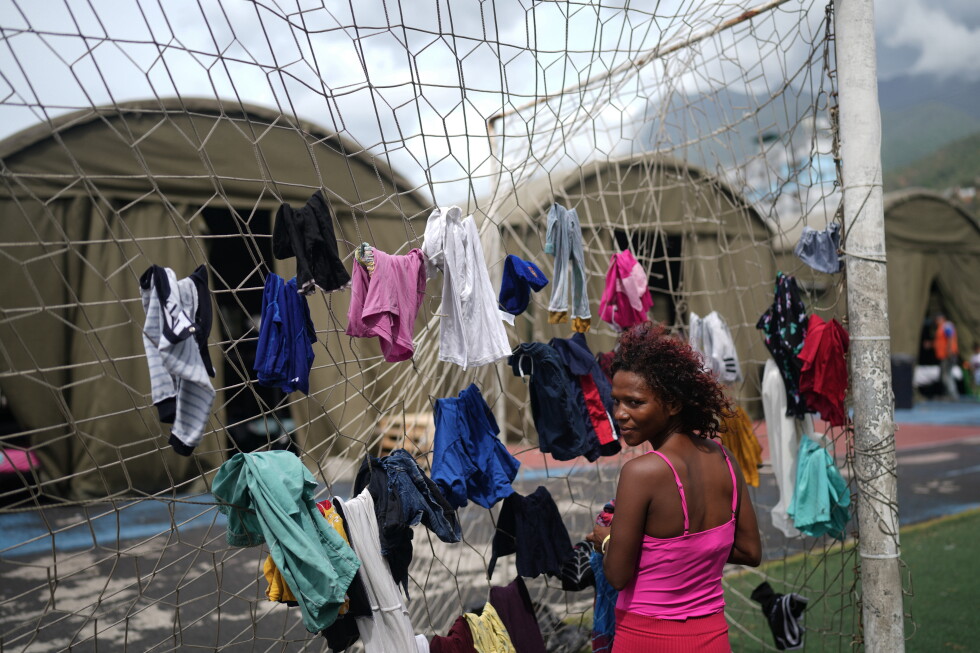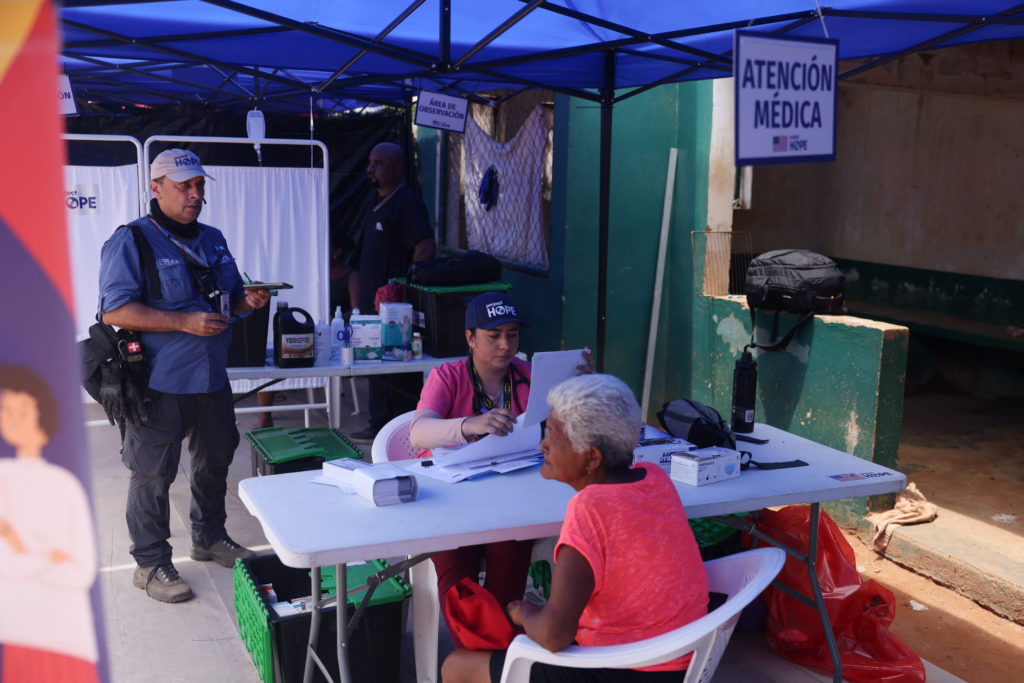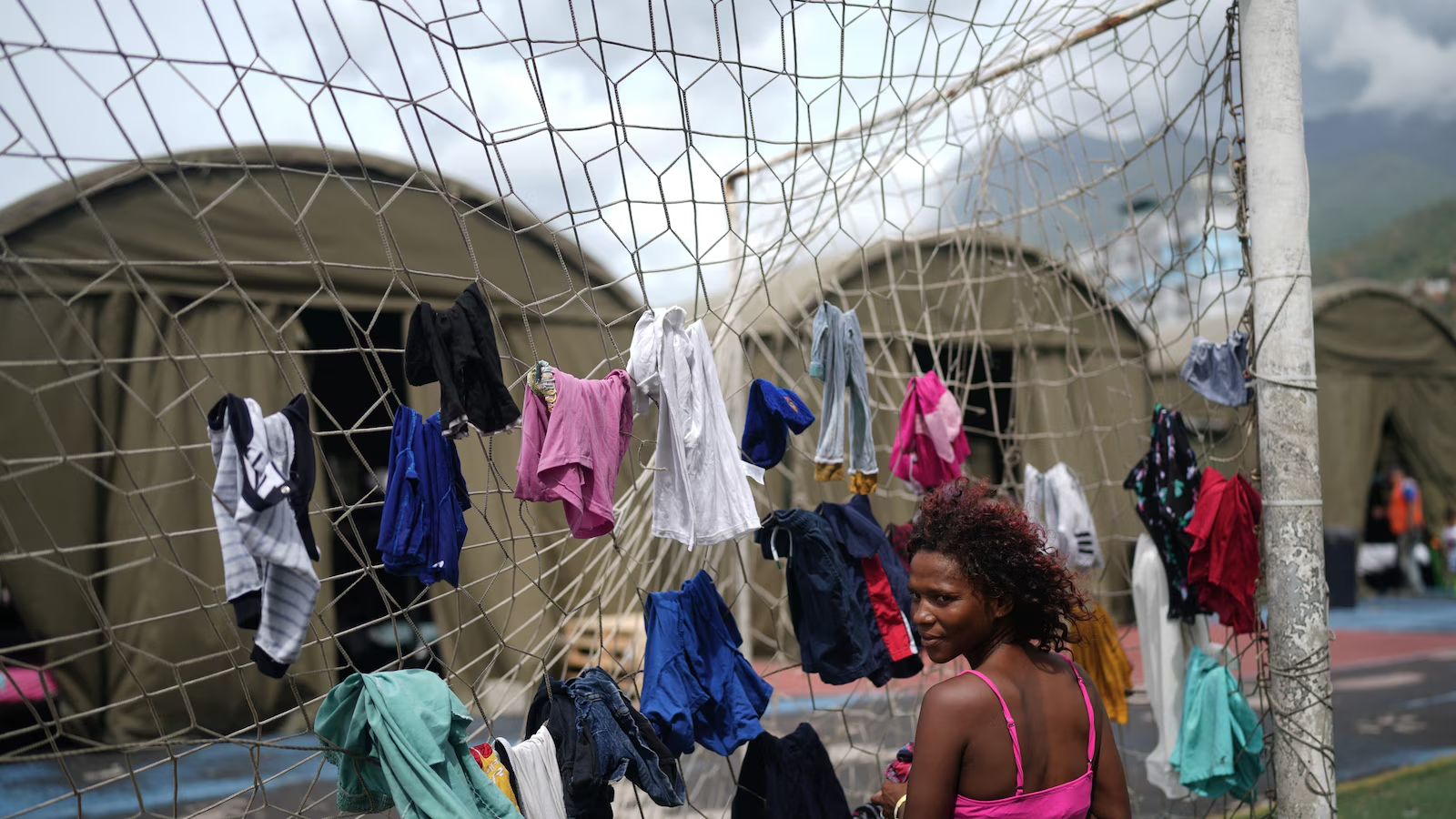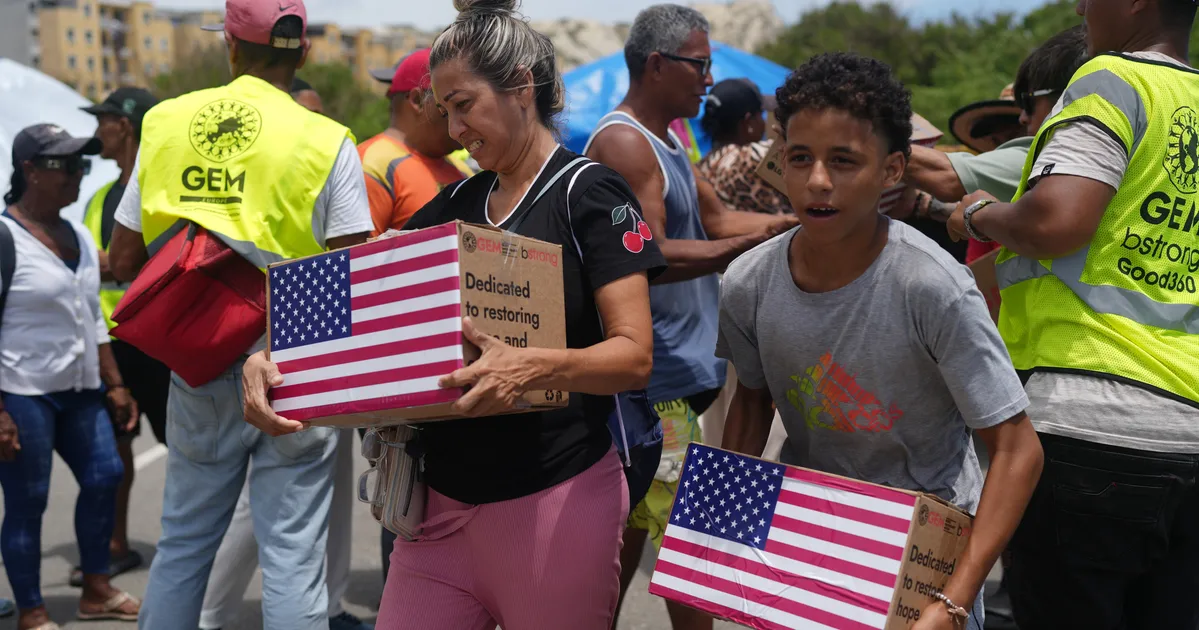
MAIQUETIA, Venezuela (AP) — Thousands of people affected by the devastating earthquakes in Venezuela last month are increasingly facing challenges in accessing clean water, sanitation and hygiene services.Families in the hardest-hit state, La Guaira, have taken to the beach to shower and relieve themselves, with excrement now dotting parts of the once-crowded Caribbean beaches. Others are using the little water that did not spill from their home storage tanks to do dishes and clean themselves. Many are living in temporary shelters or outdoors after 190 buildings collapsed and 856 others were damaged, according to Venezuelan officials, in the back-to-back earthquakes on June 24 that killed 3,811 people.“We always have water in the tank — water reserved — but with the earthquake, most of the tanks in the houses broke,” Juliani Herrera, 20, said of the large blue plastic tanks that many Venezuelan families use to store water on days when the state-owned utility services the areas. “Now, we have to wait to see if a tanker comes and fills buckets.”In Maiquetía, people lined up on Wednesday to receive a box bearing the United States flag, containing food, water and a hygiene kit that included soap, a toothbrush and body-cleansing towelettes.via Associated PressSome of the affected communities only had potable water service once every month or two, even before the earthquakes. In Maiquetía, known for being home to the country’s main airport, people lined up on Wednesday to receive a box bearing the United States flag, containing food, water and a hygiene kit that included soap, a toothbrush and body-cleansing towelettes.Herrera received one of the boxes that were handed out at a tent camp adjacent to the beach. She carried it for several blocks, her chin, upper arm and hands covered with iodine-stained scratches that she got when she fell from a motorcycle as the ground shook violently when the quakes hit.The government of acting President Delcy Rodríguez has estimated that the earthquakes left about 18,000 people without a home. The displaced are now living in schools, sidewalks, parks, plazas and other public spaces.Beatriz Ochoa, regional head of advocacy for Latin America at the Norwegian Refugee Council, said in a statement that improved conditions are necessary to prevent spread of diseases as people are living in densely populated settings under high temperatures and seasonal rains and with limited privacy.“I have seen families doing everything they can to maintain dignity in extremely difficult conditions,” she said. “In one temporary shelter, I saw families organizing themselves to keep common spaces clean, including through makeshift toilets and basic waste management arrangements. Their determination is remarkable, but families should not have to shoulder this burden alone.”Relatives and search workers search through the rubble of buildings collapsed during the earthquakes in La Guaira, Venezuela, on Tuesday. AP Photo/Ariana CubillosRodríguez on Wednesday announced that her government was already working with experts to identify appropriate areas to “build new earthquake-resistant homes and cities.” She added that local and international companies had also been called up “for the rapid and aggressive construction of housing.”Rodríguez also said she had “decided to send a letter, among others, to the King of England” to request the release of Venezuelan gold reserves frozen at the Bank of England due to economic sanctions.The United Nations Office for Disaster Risk Reduction has estimated direct physical damage to housing and infrastructure around $37 billion.The U.N. relief chief Tom Fletcher met with Rodríguez and earthquake survivors on Wednesday, when the organization’s Office for the Coordination of Humanitarian Affairs issued an appeal for roughly $300 million to assist 1.3 million Venezuelans in urgent need of aid.As people like Herrera lined up steps away from the sea and waited for a box of aid under a bright sky, a shared emotional landscape dominated by exhaustion and disbelief hung over the camp. Among the tents, a hand-painted cardboard sign read “Ciudad Bendita,” or Blessed City.“The worry is always when people are silent because you can really then see the trauma that they’re going through,” he said. “At many of the sites we visited today we saw people not speaking, in complete hopeless despair, but elsewhere you did also see kids playing football, getting a good meal, and so you can see the humanitarian response also having its impact.”___Follow AP’s coverage of Latin America and the Caribbean at https://apnews.com/hub/latin-america
Venezuela Earthquake Survivors Improvise Showers, Toilets Amid Water Shortages
Thousands of people are increasingly facing challenges in accessing clean water, sanitation and hygiene services.
718 words~3 min read