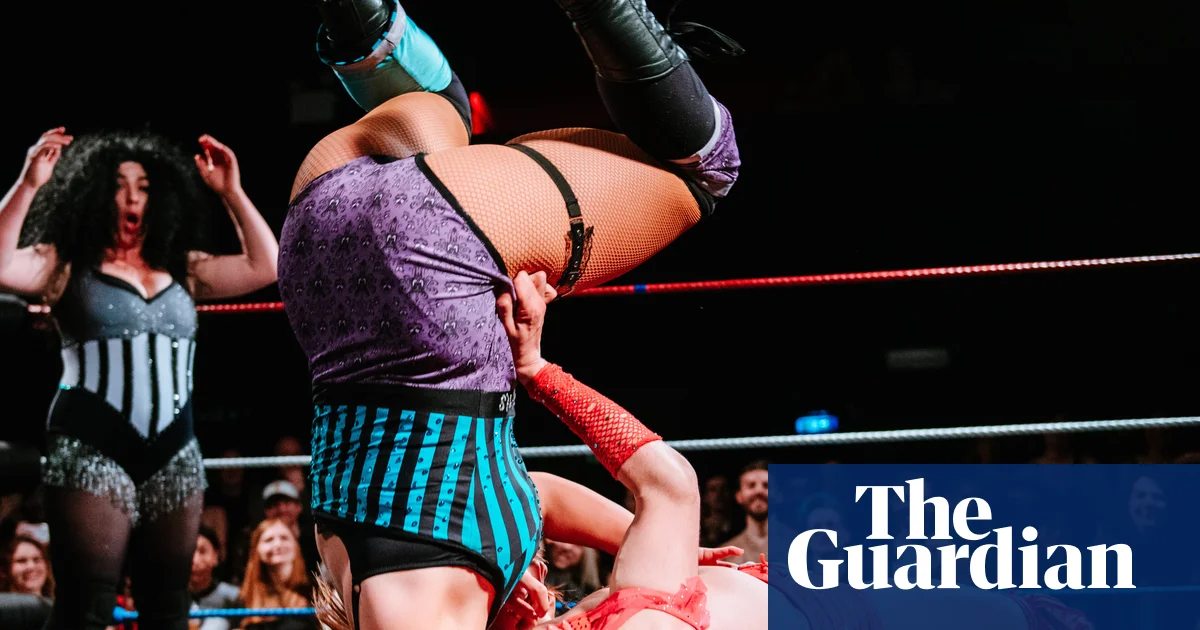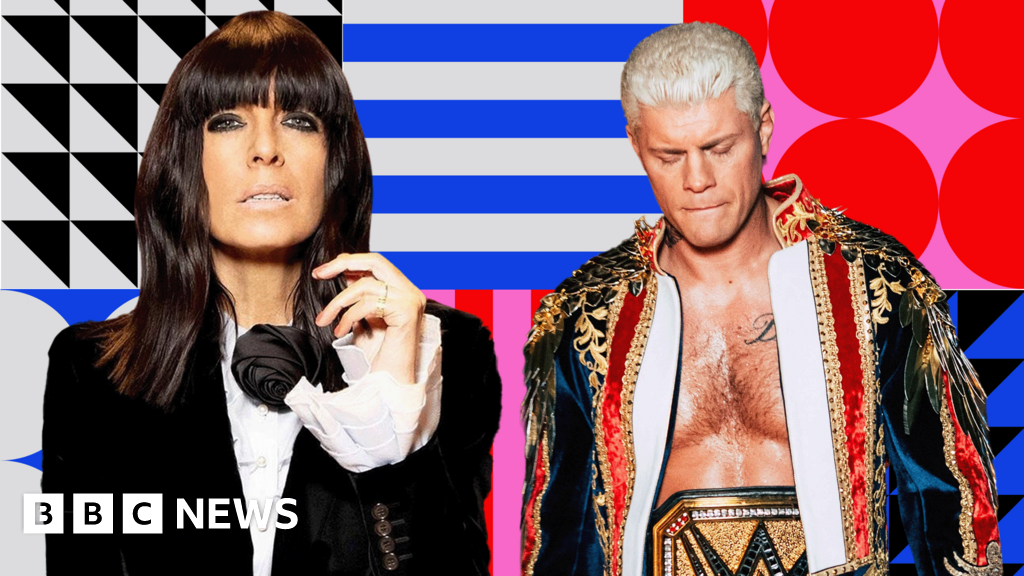
For British readers of a certain age, wrestling occupies a very particular place in the collective memory. Long before the triumph of World Wrestling Entertainment (WWE), long before the pyrotechnics and the Trump-adjacent billionaire promoters, there were those long-lost innocent Saturday afternoons watching World of Sport with your nan, as men with cauliflower ears, wearing improbable hand-stitched trunks, wrestled in grim, determined, municipal fashion in local leisure centres and town halls up and down the land.
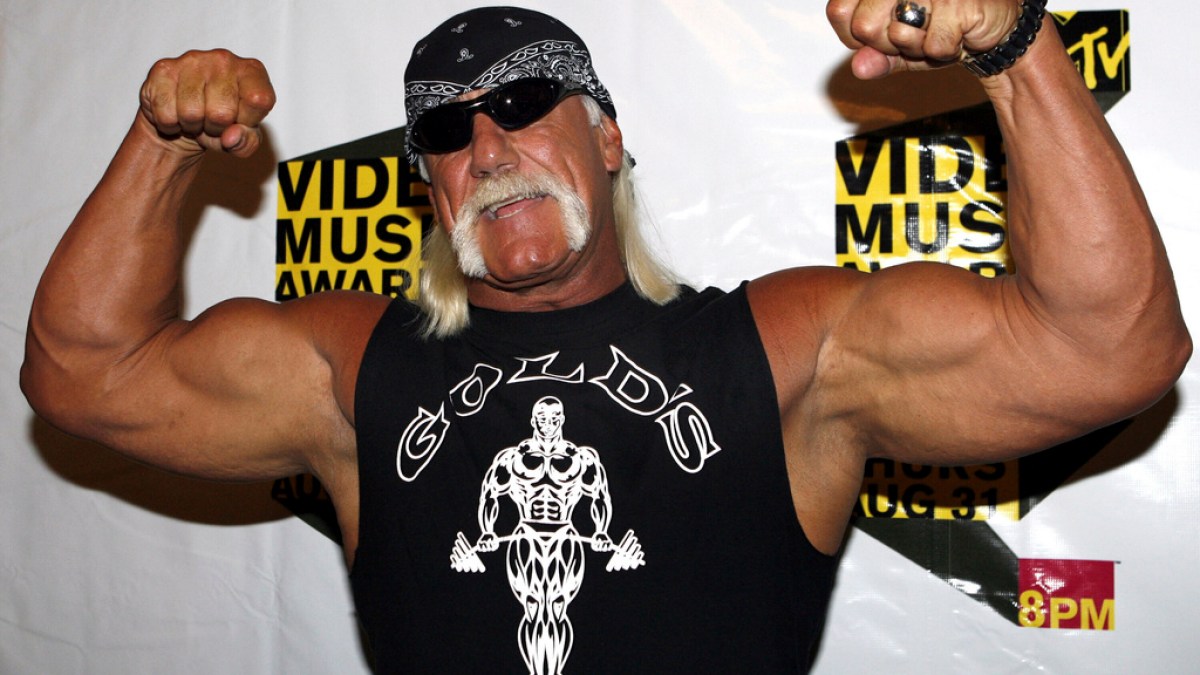
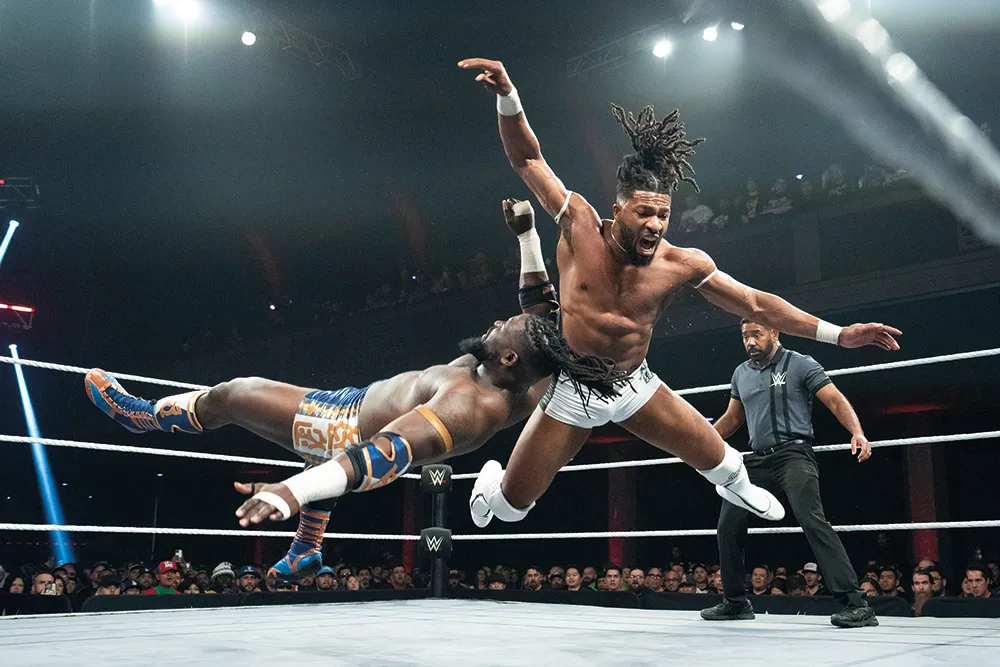
If your last points of wrestling reference are those great monoliths Big Daddy and Giant Haystacks lumbering around like coal-fired power stations, today’s wrestling world is almost unrecognisable. It’s no longer a regional live entertainment business that happens to be televised; it’s a global media behemoth, part sport, part soap opera, part stunt show, part Hollywood franchise, worth billions of dollars – and arguably in part responsible for the absurd spectacle that is politics today.
Most popular
Brendan O’Neill
Nigel Farage isn’t the one behaving badly in Clacton