Korean e-commerce is one of the richest, least-scraped data sources on the web. K-beauty and K-fashion drive billions in global demand, but almost every tutorial you find scrapes Amazon or Shopify — because the Korean platforms sit behind a double wall: the language, and some genuinely annoying anti-bot setups.
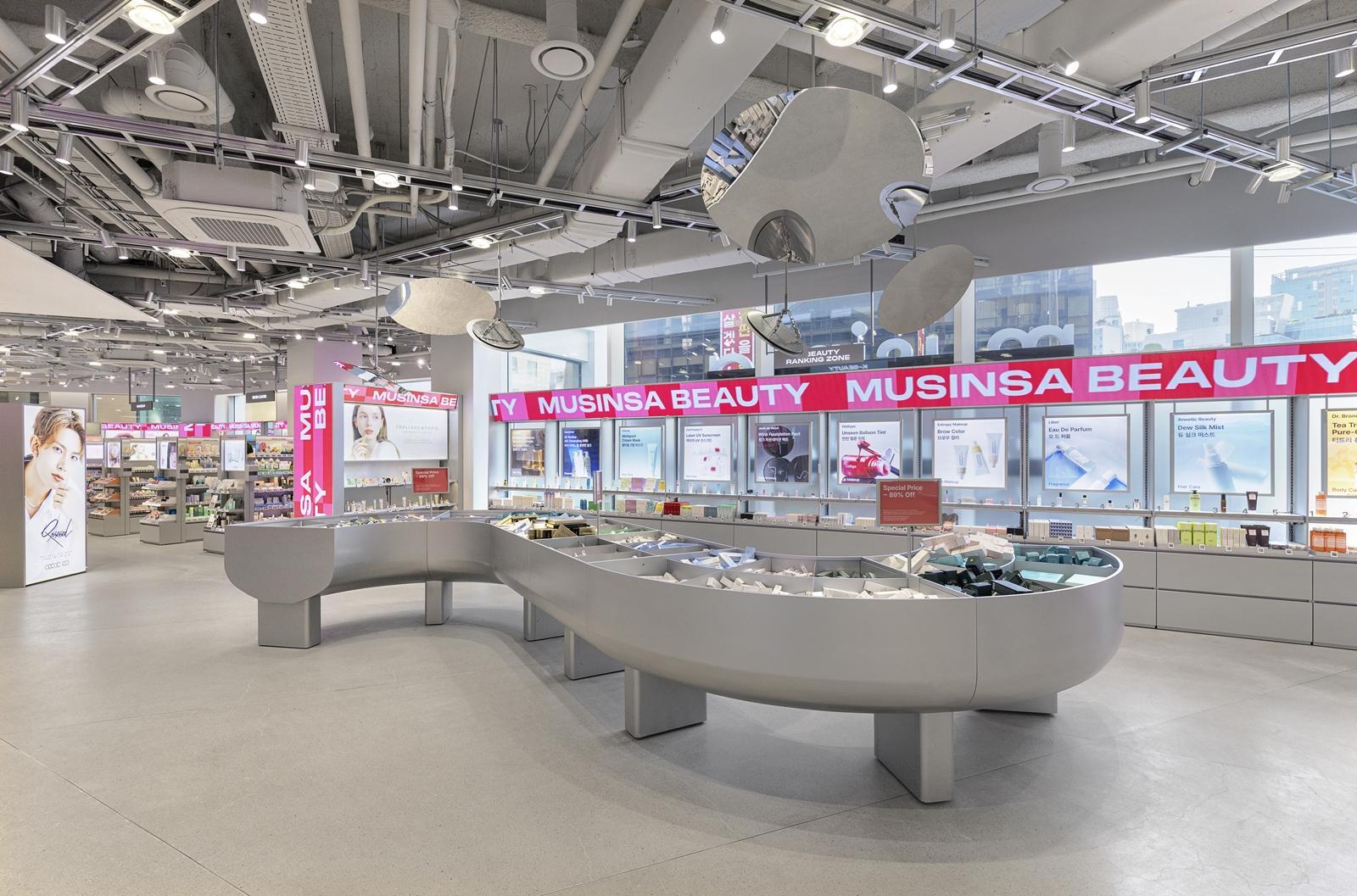
I spent a while getting reliable, structured data out of the three that matter most — Olive Young (K-beauty), Musinsa (K-fashion), and Naver Place (local businesses + reviews). Here's what actually worked, the parts that fought back, and the rules I set for myself.
Rule #1: never parse the HTML if the site talks JSON to itself
Every one of these is a JavaScript SPA. If you GET the page and run Cheerio over it, you get a shell. The trick is the same everywhere: open the network tab, reload, and watch what the frontend calls to fill itself in. That call is almost always a clean JSON endpoint — the same data the page renders, minus the parsing pain and minus 90% of the breakage when they reskin the site.
Musinsa was the friendliest. One endpoint powers both category rankings and keyword search: