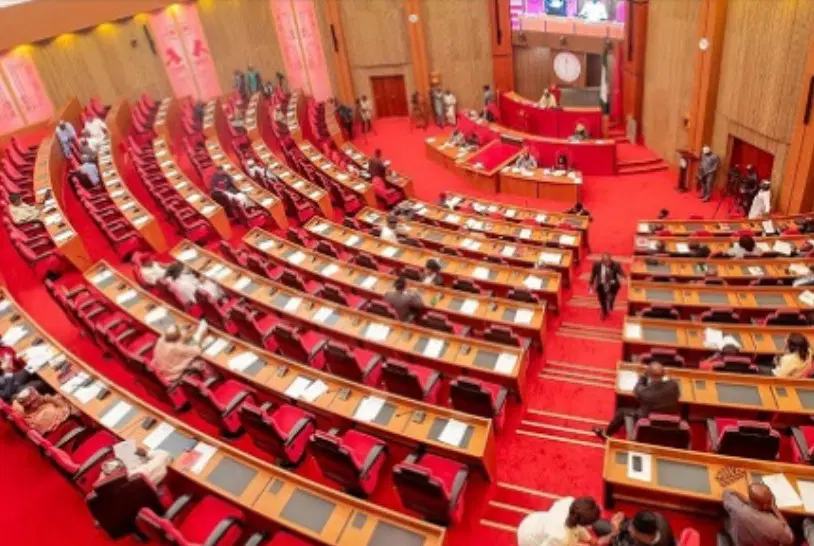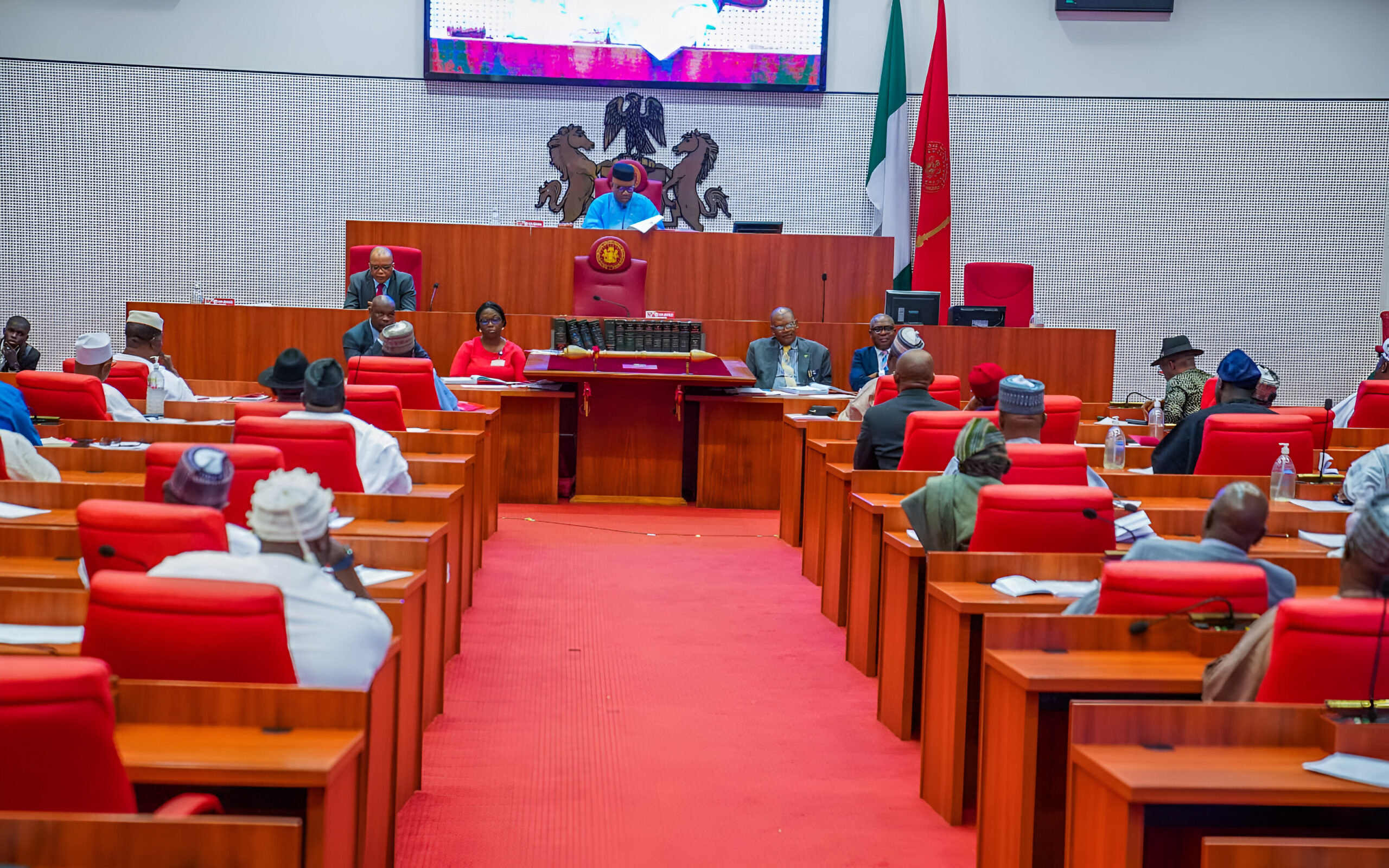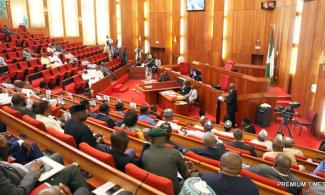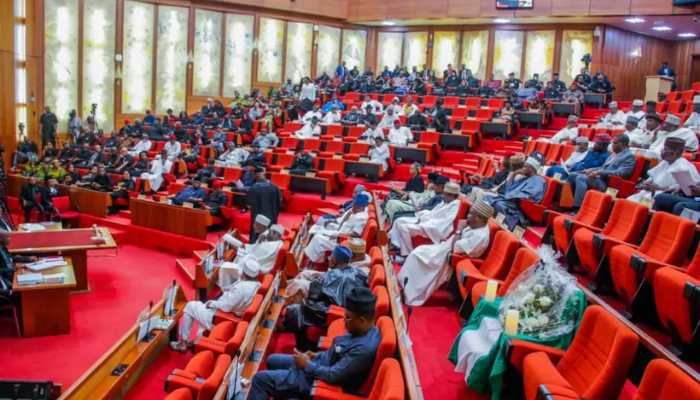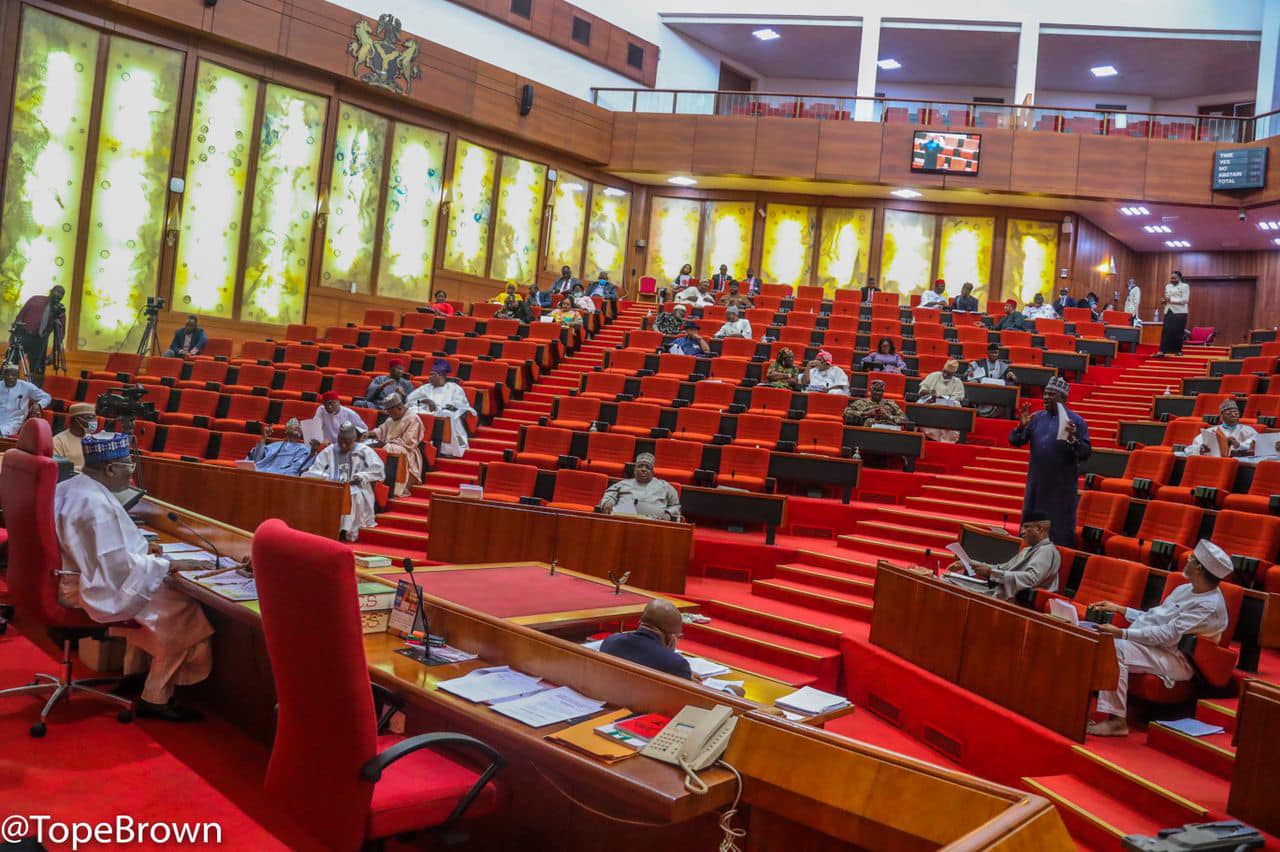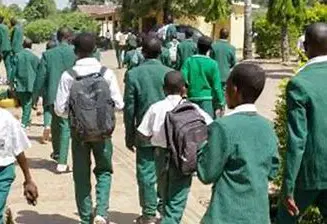
The Senate’s planned probe of the Safe Schools Initiative (SSI) has arisen from a bitter national irony: a programme meant to protect children has become a symbol of waste and recurring insecurity. Fresh outrage over school kidnappings has pushed lawmakers to demand answers on how about N144 billion was spent with so little visible protection to show for it. The Senate, through an ad hoc committee, has resolved to investigate the initiative’s funding, implementation and outcomes. It wants to know where the money went, who supervised it, and why schools remain exposed to attack despite repeated promises of safety. This is the proper response to a crisis that cannot be managed by mere rhetoric.
The Safe Schools Initiative was conceived in the aftermath of the 2014 Chibok schoolgirls’ abduction, when Boko Haram’s war on education shocked the world and exposed the vulnerability of Nigerian schools. The Federal Government, working with private sector leaders and development partners, launched the scheme with N20bn to improve school protection, establish early warning systems, perimeter security and emergency response. In 2023, the Federal Government unveiled a N144.8 billion financing plan for the 2023–2026 period, under arrangements meant to be implemented with federal, state and partner participation.