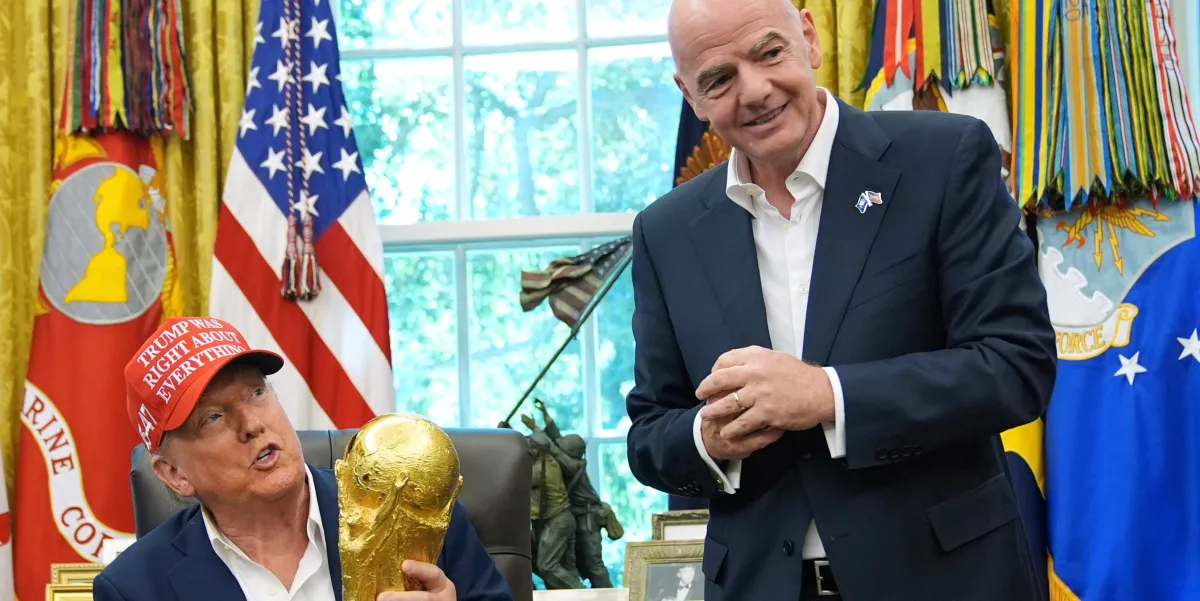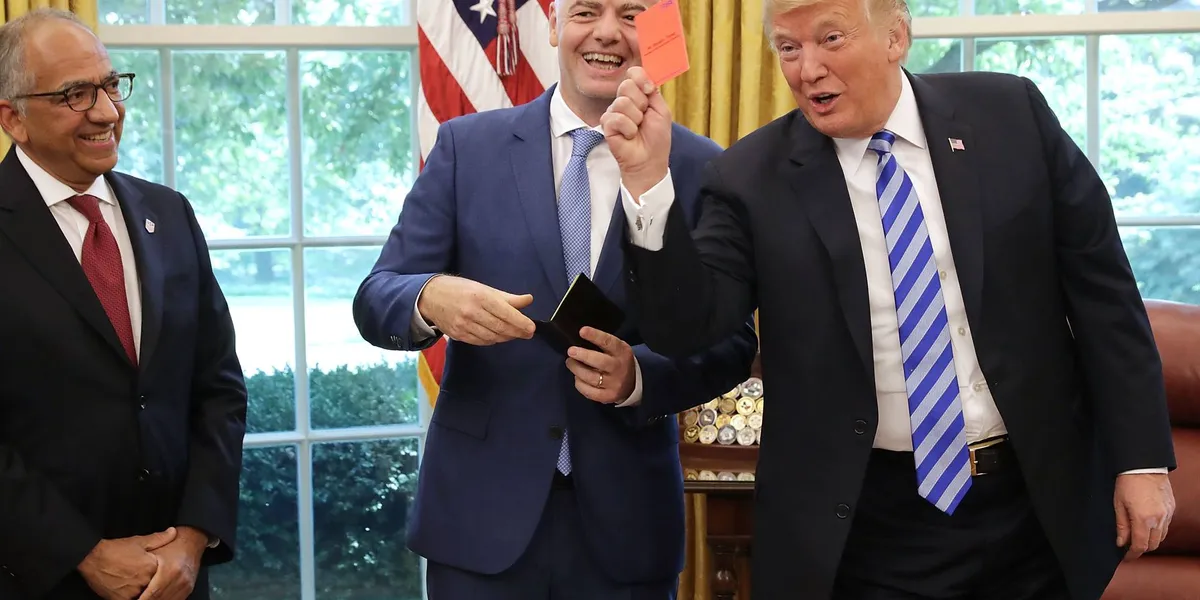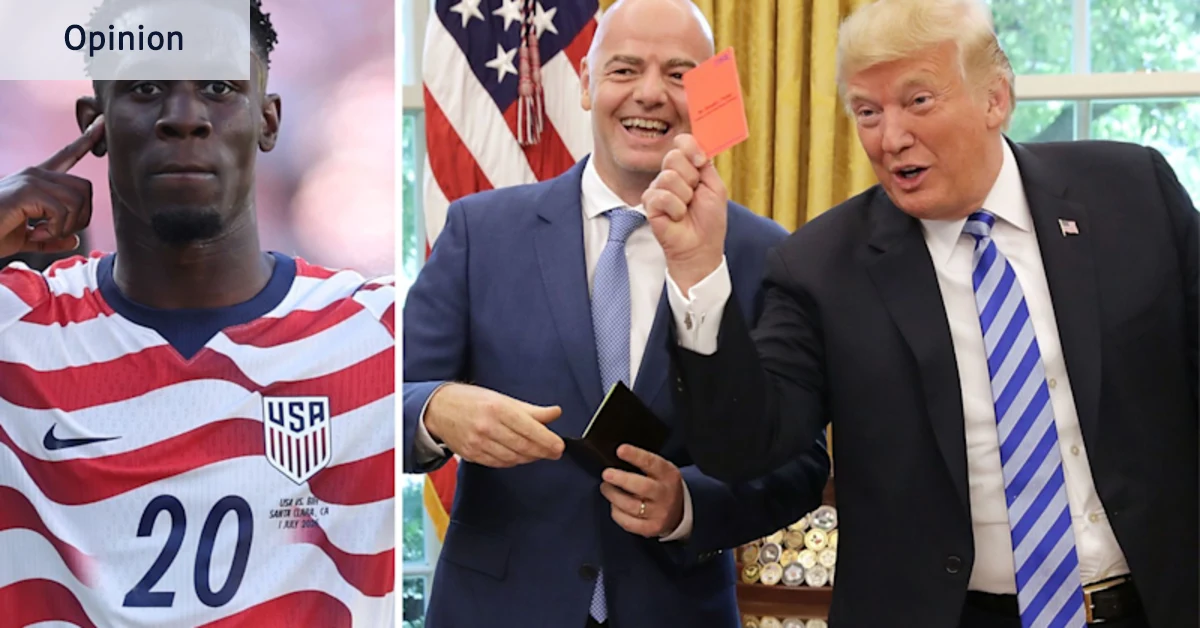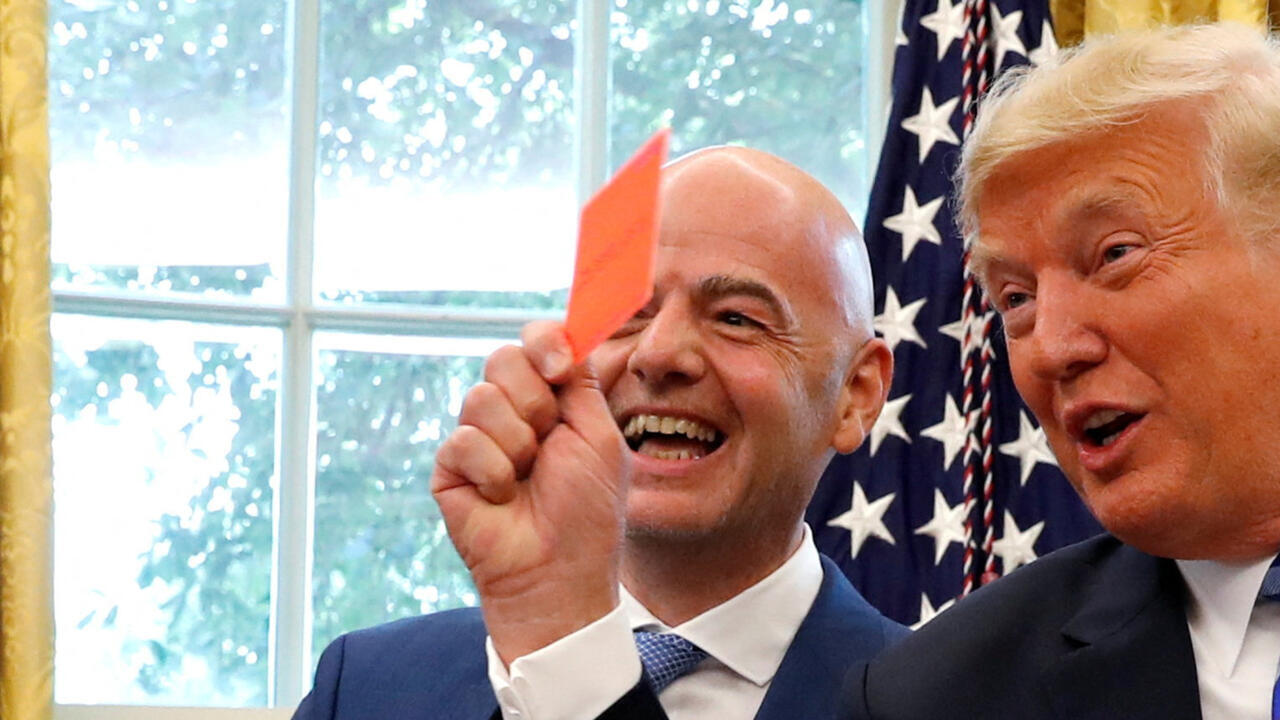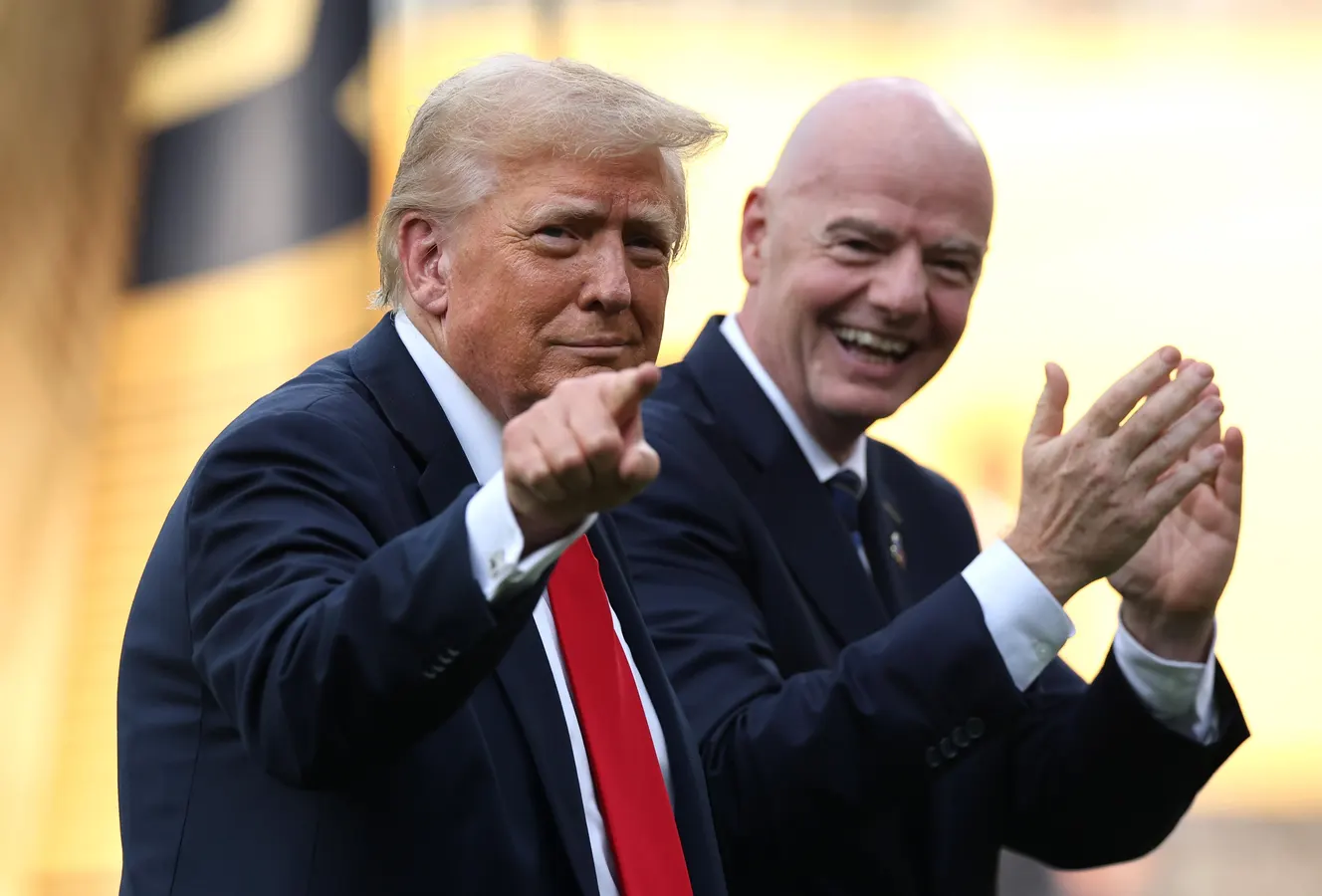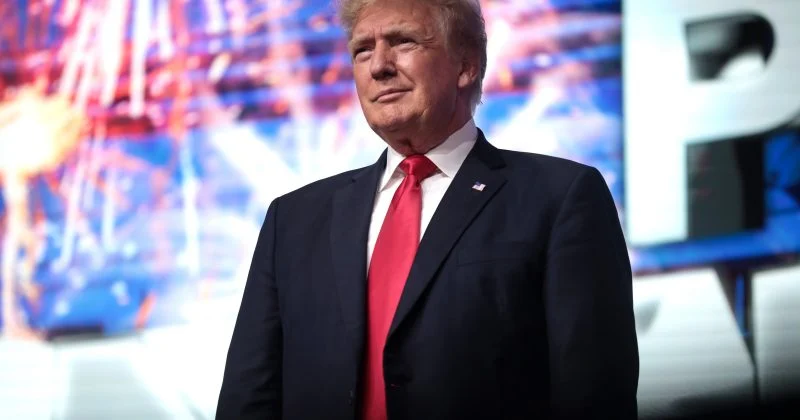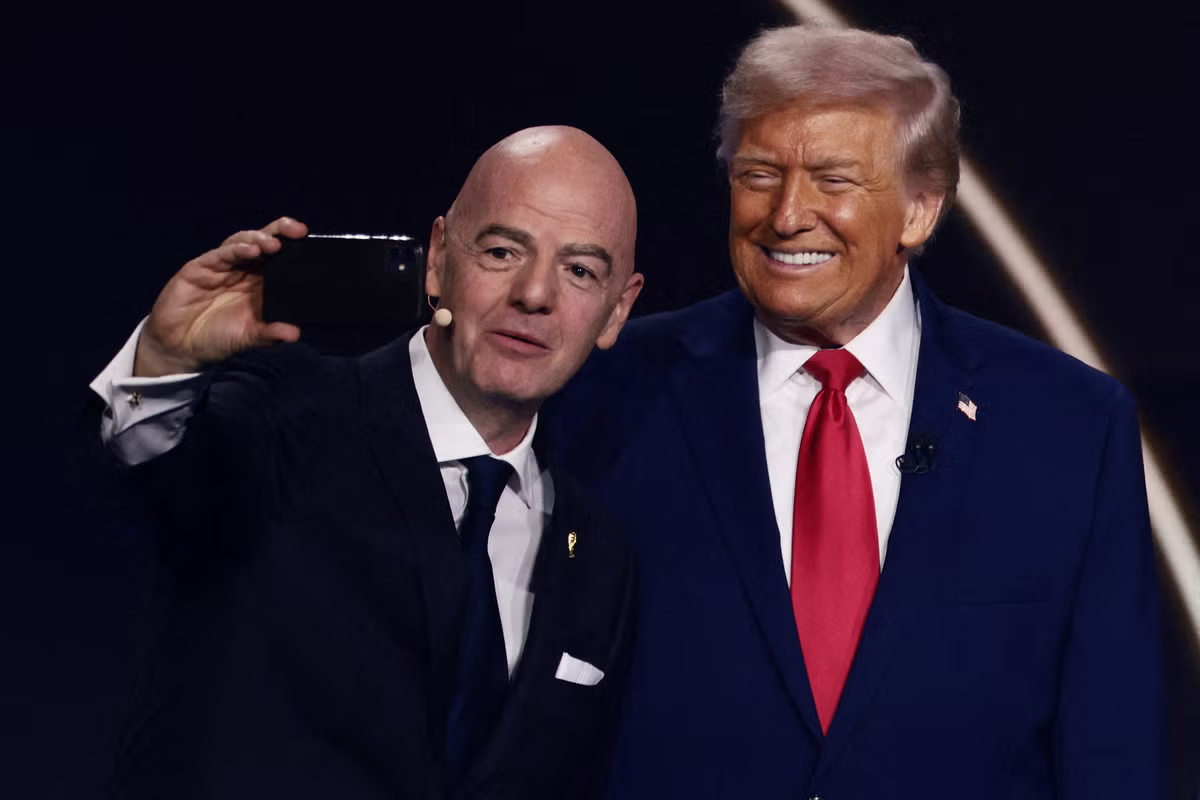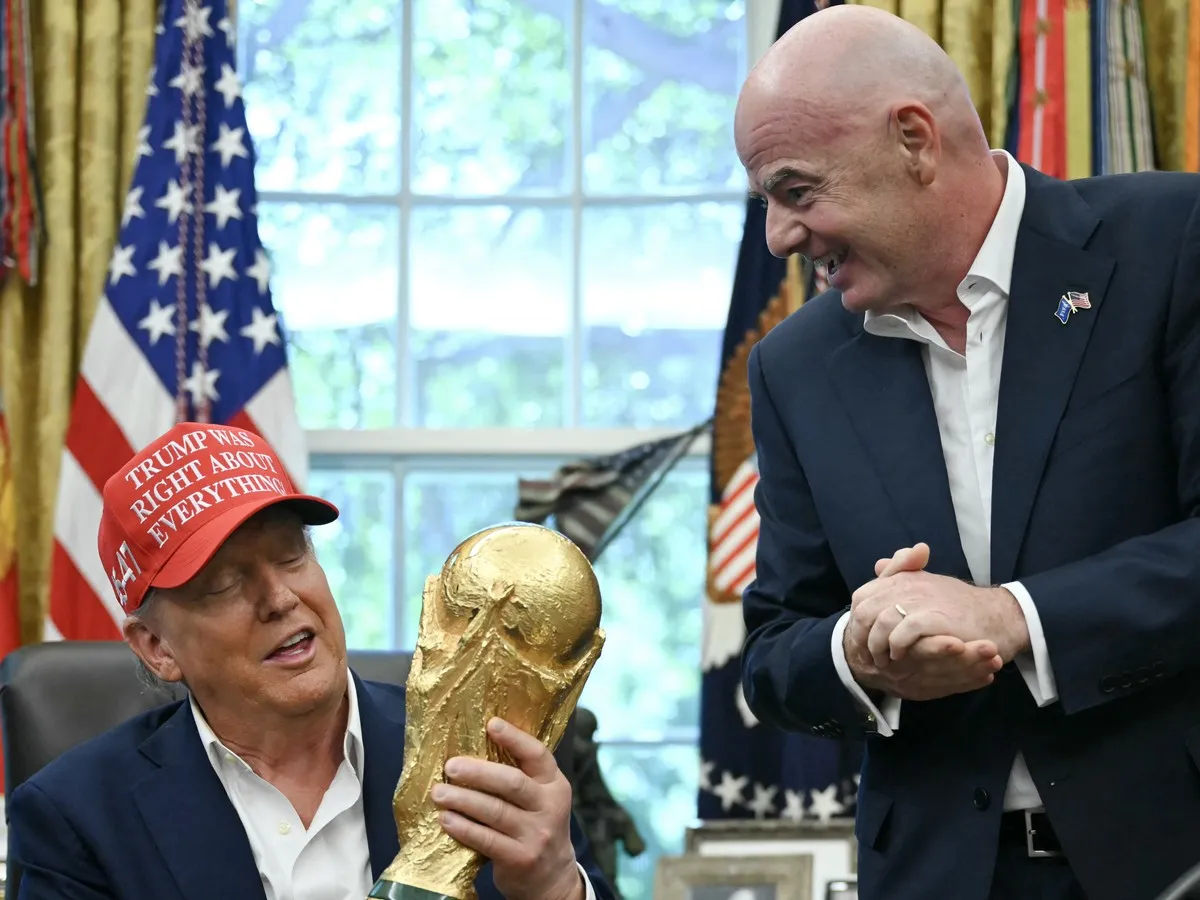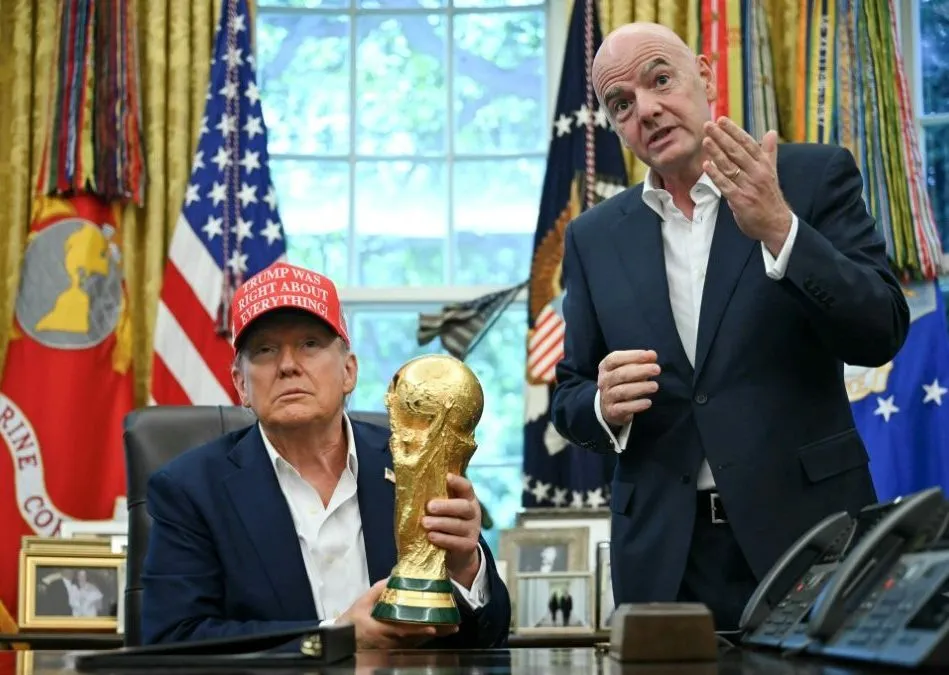
Skip to Content Subscribe Our Offers My Account Manage My Subscriptions FAQ Newsletters Canada Canadian True Crime Canadian Politics Health World Israel & Middle East Financial Post NP Comment Longreads Puzzmo Diversions Comics NP News Quiz New York Times Crossword Horoscopes Life Eating & Drinking Style Sponsored Play for Ontario Travel Travel Canada Travel USA Travel International Cruises Travel Essentials Culture Books Celebrity Movies Music Theatre Television Business Essentials Advice Lives Told Tails Told Shopping Buy Canadian Home Living Outdoor Living Kitchen & Dining Tech Style & Beauty Personal Care Entertainment & Hobbies Gift Guide Travel Guide Amazon Prime Day Deals Savings National Post Store More Sports Hockey Baseball Basketball Football Soccer Golf Tennis Driving Vehicle Research Reviews News Gear Guide Obituaries Place an Obituary Place an In Memoriam Classifieds Place an Ad Celebrations Working Business Ads Archives Healthing Epaper Manage Print Subscription Profile Settings My Subscriptions Saved Articles My Offers Newsletters Customer Service FAQ Newsletters Canada World Financial Post NP Comment Longreads Puzzmo Diversions Life Shopping Epaper Manage Print Subscription HomeNP CommentMohamed Fahmy: FIFA shouldn't be taking requests from TrumpFIFA committee took the unprecedented step of overturning a US player's automatic one-match suspension after Trump's requested a reviewLast updated 48 minutes ago You can save this article by registering for free here. Or sign-in if you have an account.US President Donald Trump called FIFA chief Gianni Infantino to discuss the red card against a star US player. Photo by ANDREW CABALLERO-REYNOLDS /AFP/FileFIFA’s last-minute decision to overturn the one-game suspension of the U.S. national team’s leading scorer — following President Donald Trump’s public intervention — didn’t just alter the course of the World Cup. It once again cast a harsh spotlight on soccer’s governing body. What should have been a story about the beautiful game has instead become another chapter in FIFA’s long history of controversial decisions, political pressure and allegations of corruption.Enjoy the latest local, national and international news.Exclusive articles by Conrad Black, Barbara Kay and others. Plus, special edition NP Platformed and First Reading newsletters and virtual events.Unlimited online access to National Post.National Post ePaper, an electronic replica of the print edition to view on any device, share and comment on.Daily puzzles including the New York Times Crossword.Support local journalism.Enjoy the latest local, national and international news.Exclusive articles by Conrad Black, Barbara Kay and others. Plus, special edition NP Platformed and First Reading newsletters and virtual events.Unlimited online access to National Post.National Post ePaper, an electronic replica of the print edition to view on any device, share and comment on.Daily puzzles including the New York Times Crossword.Support local journalism.Create an account or sign in to continue with your reading experience.Access articles from across Canada with one account.Share your thoughts and join the conversation in the comments.Enjoy additional articles per month.Get email updates from your favourite authors.Create an account or sign in to continue with your reading experience.Access articles from across Canada with one accountShare your thoughts and join the conversation in the commentsEnjoy additional articles per monthGet email updates from your favourite authorsSign In or Create an AccountorYou don’t have to agree with the referee’s decision to send off U.S. striker Folarin Balogun after he received a red card for his aggressive foul in the match against Bosnia and Herzgovina to recognize that something is deeply wrong with what followed. FIFA’s disciplinary committee took the unprecedented step of overturning his automatic one-match suspension after Trump intervened with FIFA President Gianni Infantino, clearing the way for Balogun to play in the United States’ knockout-stage match against Belgium. More than the red card itself, that extraordinary reversal is what should concern soccer fans.This newsletter from NP Comment tackles the topics you care about. (Subscriber-exclusive edition on Fridays)By signing up you consent to receive the above newsletter from Postmedia Network Inc.We encountered an issue signing you up. Please try againFrom the Oval Office, Trump wasted little time politicizing the incident, publicly berating the referee and escalating the controversy. He went so far as to declare that if the U.S. team lost without its full squad, “I say it was rigged, just like the election was rigged in 2020.”Trump initially claimed he did not know what a red card was, while insisting that he didn’t think Balogun’s tackle “wasn’t a foul.”The Americans cheated — and still lost. Belgium delivered its response where it mattered most: on the pitch, routing the United States 4–1 to end the host nation’s dream of advancing to the next round.The controversy is unprecedented — even by the standards of the Union of European Football Associations (UEFA), one of football’s most influential governing bodies. The UEFA fiercely condemned FIFA’s decision to overturn Folarin Balogun’s automatic suspension, declaring that FIFA had “crossed a red line” by interfering with a disciplinary decision that should have remained within the established rules of the game.As a lifelong soccer fan who has followed the World Cup since childhood, I have never witnessed anything like it. FIFA’s decision set a dangerous precedent. UEFA condemned the move, calling the decision “unprecedented, incomprehensible and unjustifiable,” and warning that it undermines the integrity of the tournament by inviting demands for similar treatment in future disciplinary cases.If FIFA is prepared to reverse an automatic red-card suspension, it has opened a Pandora’s box. In a World Cup already characterized by inconsistent refereeing, the selective application of the video assistant referee (VAR), and an apparent pattern of favouritism, every disputed decision will now invite accusations of political interference. FIFA has not merely overturned a suspension — it has undermined confidence in the integrity of its own tournament.Did we see the Algerian president call on FIFA after Lionel Messi’s dangerous challenge on an Algerian player in their opening match, demanding that he be shown a red card? Of course not. Political leaders should not be intervening in disciplinary decisions at the World Cup.Did Egypt go running to FIFA after its second goal against Argentina tonight was controversially overturned by VAR? The decision sparked outrage over the expanding reach of video review, after the referee went back to the beginning of the attacking sequence to identify what many viewed as minimal contact near the halfway line. The incident reignited the debate over whether VAR is being used to correct clear errors — or whether it has gone too far by searching for marginal infringements that can change the outcome of a match that ended with a 3-2 victory to Argentina after Egypt was leading 2-0.The France–Paraguay Round of 16 match reignited concerns over inconsistent refereeing and possible favoritism at this World Cup. Uzbek referee Ilgiz Tantashev was heavily criticized for failing to control Paraguay’s aggressive tactics against Kylian Mbappé and France. Despite Paraguay committing 13 fouls, no Paraguayan player received a yellow card, while France was shown three.L’Équipe gave the referee a rare 1/10 rating, accusing him of losing control of the match. Whether intentional or not, such disparities fuel a growing perception that FIFA’s officiating standards are inconsistent and that some teams receive different treatment than othersDid we witness the French President interfere with FIFA? No.To understand how politics infiltrated this World Cup, one must first understand the relationship between Trump and FIFA President Gianni Infantino. It also means reopening FIFA’s closet of skeletons — a decades-long record of corruption scandals and backroom dealings that have repeatedly called the integrity of the organization into question.I was in Egypt in October 2025 when I watched Infantino stand alongside Trump on the stage of the Gaza Peace Summit in Sharm El Sheikh. At the time, I questioned why the head of soccer’s global governing body was present at such a deeply political event marking the aftermath of a brutal war. Since then, Infantino has continued to cultivate a close relationship with Trump — often referring to him as his “football friend” — a bond strengthened through preparations for the 2026 World Cup hosted by the United States, Canada and Mexico.When Infantino awarded Trump the inaugural FIFA Peace Prize — Football Unites the World — in December 2025, including a gold-plated trophy, certificate and commemorative medal, the decision sparked widespread criticism. The New York Times reported that the award was announced without prior approval from the board, fueling assumptions that it was designed as a symbolic “consolation prize” after Trump failed to receive the Nobel Peace Prize — a perception that was difficult to ignore given the timing and Infantino’s “strong relationship” with Trump.Did Infantino even consult the members of FIFA’s governing bodies when he received the call from Trump before the extraordinary reversal of a red-card suspension that shook the soccer world?This FIFA debacle brings to memory the awarding of the 2022 FIFA World Cup to Qatar, which is widely regarded as one of the most controversial decisions in sports history. The selection process triggered global investigations and exposed major systemic issues, highlighting the bribes and corruption of FIFA executive committee who voted in 2010 to grant Qatar the tournament. Shortly after, unrelenting allegations surfaced that Qatari bid teams bribed FIFA officials to secure votes. The 2015 FIFA corruption scandal led to FBI and Swiss investigations. Over a dozen executive committee members involved in the vote were eventually indicted, suspended or banned by FIFA.While the Qatar controversy occurred under former FIFA President Sepp Blatter, who later admitted, “It was a bad choice. And I was responsible for that as president at the time,” the organization continues to face questions over transparency.Infantino has also faced scrutiny over his use of a private jet operated by a Qatar Airways executive during the 2026 World Cup, with critics pointing to thousands of air miles traveled and a significant carbon footprint that appears at odds with FIFA’s sustainability commitments.It comes as no surprise that dozens of European lawmakers are rallying support for a European Parliament investigation into FIFA president Gianni Infantino over his alleged role in overturning the suspension of U.S. striker Folarin Balogun, allowing him to play despite receiving an earlier red card.As we enter the 2026 World Cup quarter-finals, France remains the clear betting favorite to lift the trophy. They are followed by Spain reigning champions Argentina and England. But beyond the predictions and probabilities, one question remains: will soccer’s biggest stage be decided purely on the pitch — or will politics continue to cast a shadow over the world’s most-watched sport?National PostMohamed Fahmy is an award-winning journalist who has covered the Middle East for numerous outlets, including CNN, Al-Jazeera, the Los Angeles Times and Foreign Policy. Join the Conversation This website uses cookies to personalize your content (including ads), and allows us to analyze our traffic. Read more about cookies here. By continuing to use our site, you agree to our Terms of Use and Privacy Policy.
Mohamed Fahmy: FIFA shouldn't be taking requests from Trump
FIFA committee took the unprecedented step of overturning a US player's automatic one-match suspension after Trump's requested a review
1,783 words~8 min read